Carbon Steel vs Stainless Steel Pipe Fittings: Selection Criteria for Industrial Applications
2026-05-24 16:22:37
The choice between carbon steel and stainless steel pipe fittings represents one of the most fundamental material selection decisions in industrial piping design, balancing initial capital cost against lifecycle performance, maintenance requirements, and corrosion resistance. Carbon steel fittings, prized for their affordability and mechanical strength, dominate non-corrosive and ambient-temperature services, while stainless steel variants provide essential corrosion resistance in chemical processing, food production, pharmaceutical manufacturing, and marine environments. Experienced pipe fitting suppliers support this selection process by providing material property data, corrosion rate estimates, and lifecycle cost analyses tailored to specific project conditions.
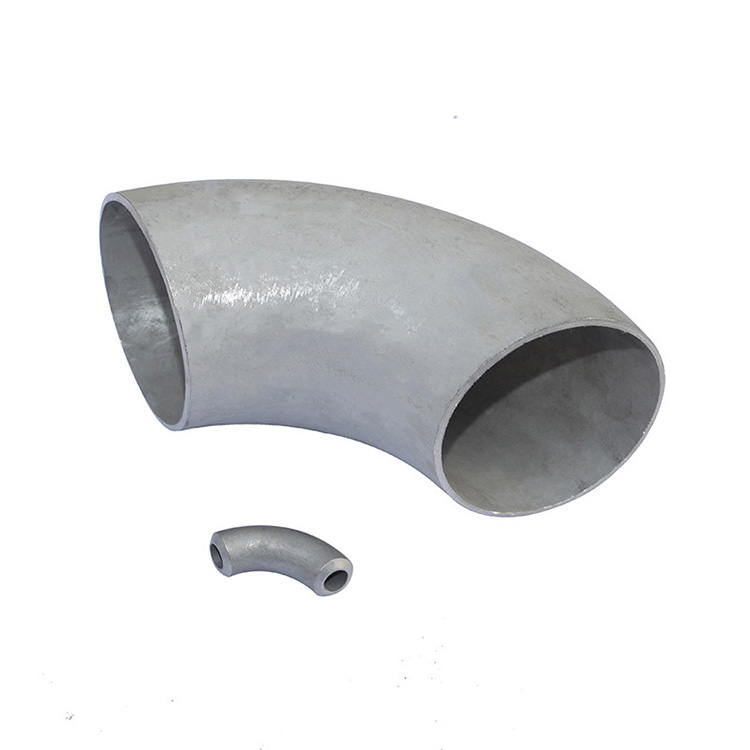
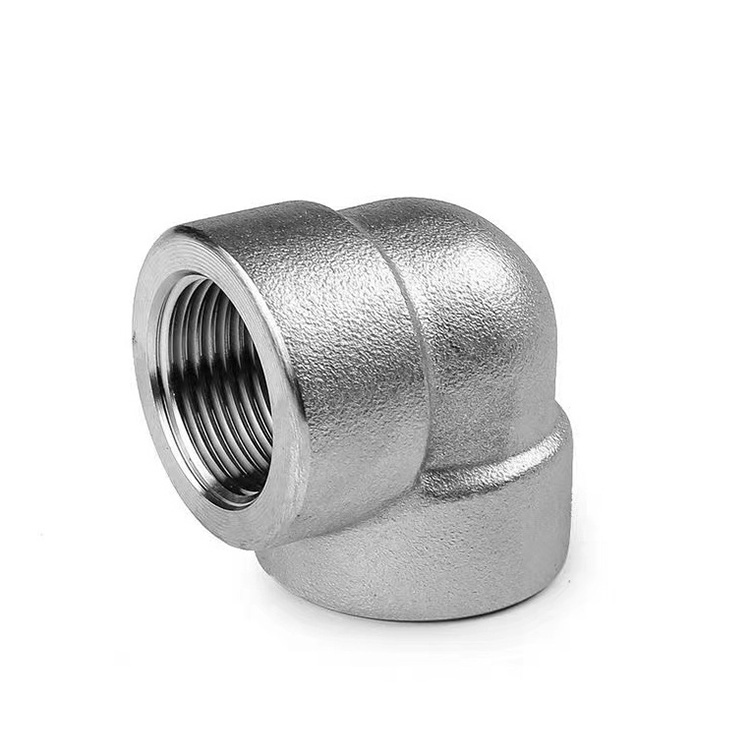
Material Composition and Mechanical Properties
Carbon steel pipe fittings, manufactured from killed or semi-killed steels with carbon content up to 0.3% (for A234 WPB grade), offer excellent tensile strength, toughness, and weldability at economical price points. The absence of significant alloying elements makes them susceptible to uniform corrosion in moist or chemical environments, necessitating protective coatings or cathodic protection for extended service life. ASTM A105 and A234 WPB represent the workhorse grades for flanges and butt-weld fittings respectively, with well-documented mechanical properties and widespread availability from pipe fitting factories worldwide.
Stainless steel fittings derive their corrosion resistance from a minimum chromium content of 10.5%, which forms a passive oxide layer that self-heals when damaged. Austenitic grades (304, 316, 321, 347) provide excellent formability and weldability, though they exhibit higher thermal expansion and lower thermal conductivity compared to carbon steels. Martensitic and ferritic stainless steels offer higher strength or improved stress corrosion cracking resistance but with reduced corrosion resistance or formability. Leading stainless steel fitting manufacturers maintain precise chemistry control during melting and forming to ensure consistent passive layer formation and long-term corrosion performance.
Corrosion Resistance and Environmental Suitability
The corrosion resistance of stainless steel fittings varies dramatically with grade selection and service environment. Type 304, containing 18% chromium and 8% nickel, resists oxidation and many organic acids but suffers pitting and crevice corrosion in chloride-containing environments such as seawater, deicing salts, or process streams with >100 ppm chlorides. Type 316, with 2-3% molybdenum addition, extends pitting resistance to approximately 1000 ppm chlorides, making it suitable for coastal installations, marine applications, and many chemical processes.
For carbon steel fittings in corrosive environments, protective systems including hot-dip galvanizing, epoxy coatings, or cathodic protection extend service life but require ongoing maintenance and inspection. Uniform corrosion rates in atmospheric environments range from 2-10 mils per year (mpy) depending on humidity, pollutant levels, and proximity to saltwater. In buried or submerged service, cathodic protection combined with protective coatings can reduce corrosion rates to <1 mpy, enabling 30+ year service life. Reputable suppliers provide coating compatibility guides and cathodic protection design assistance to optimize corrosion control system performance.
Cost Considerations and Lifecycle Economics
Initial material cost represents only one component of total lifecycle cost for piping systems. Carbon steel fittings typically cost 20-40% of equivalent stainless steel fittings (depending on grade and quantity), but require ongoing maintenance including coating repair, cathodic protection monitoring, and potential replacement if corrosion allowance is exhausted. Stainless steel fittings, while carrying higher upfront cost, eliminate or drastically reduce these maintenance requirements in appropriate service environments, potentially delivering lower lifecycle cost over 15-20 year project horizons.
Procurement considerations also influence material selection. Carbon steel fittings enjoy shorter lead times and broader availability from pipe fitting suppliers, as they are produced in higher volumes with standardized inventory programs. Stainless steel fittings, particularly specialty grades or non-standard configurations, may require 8-20 week lead times depending on mill schedules and conversion capacity. Project teams must balance material cost premiums against schedule certainty and long-term operational reliability when selecting between carbon and stainless steel options.
Welding and Fabrication Considerations
Carbon steel fittings weld readily with conventional SMAW, GTAW, GMAW, or FCAW processes using matching or overmatched filler metals. Preheat requirements depend on carbon equivalent (CE) and section thickness, with low-carbon grades (CE < 0.43%) often weldable without preheat in thin sections. Post-weld heat treatment (PWHT) may be required for thickness exceeding code-specified limits or for tempered grades to restore toughness in the heat-affected zone.
Stainless steel fitting welding demands greater procedural control to preserve corrosion resistance. Low-carbon (L-grade) filler metals prevent sensitization in the as-welded condition, while stabilized grades (321, 347) tolerate higher heat input without chromium carbide precipitation. Back-purging with argon or nitrogen prevents oxidation and intergranular corrosion on the root pass interior surface—a critical requirement for sanitary, pharmaceutical, and high-purity water applications. Knowledgeable fitting suppliers provide qualified welding procedure specifications (WPS) and procedure qualification records (PQR) to support field welding operations.
References
ASTM A234/A234M - Standard Specification for Piping Fittings of Wrought Carbon Steel and Alloy Steel for Moderate and High Temperature Service
ASTM A403/A403M - Standard Specification for Wrought Austenitic Stainless Steel Piping Fittings
NACE MR0175/ISO 15156 - Petroleum and natural gas industries materials for use in H2S-containing environments
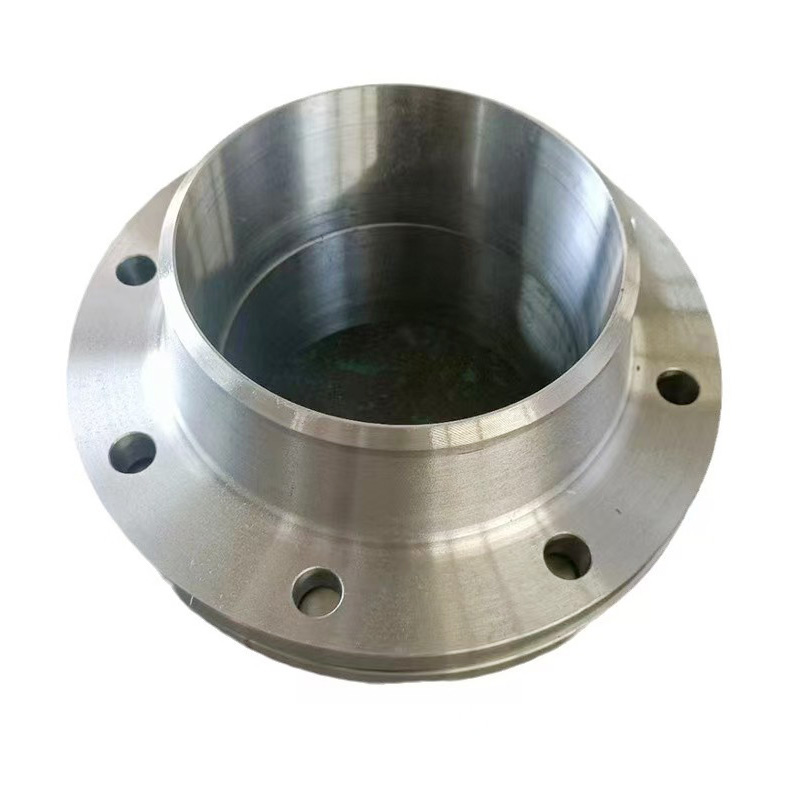
AWeld Neck Flange (WN Flange)is a type of piping flange designed to be welded to a pipe or ...
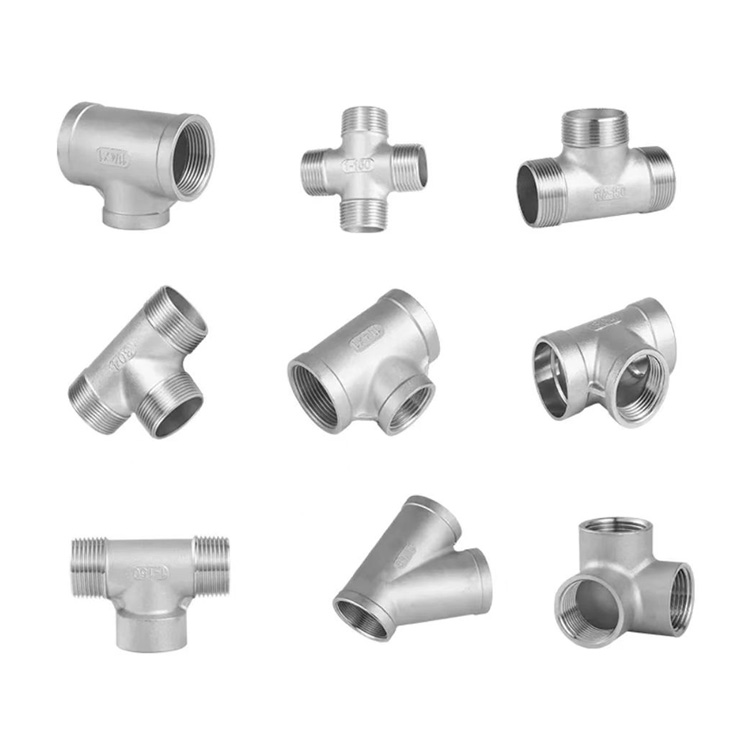
Socket fittings are essential components in piping systems, designed to connect, branch, or...
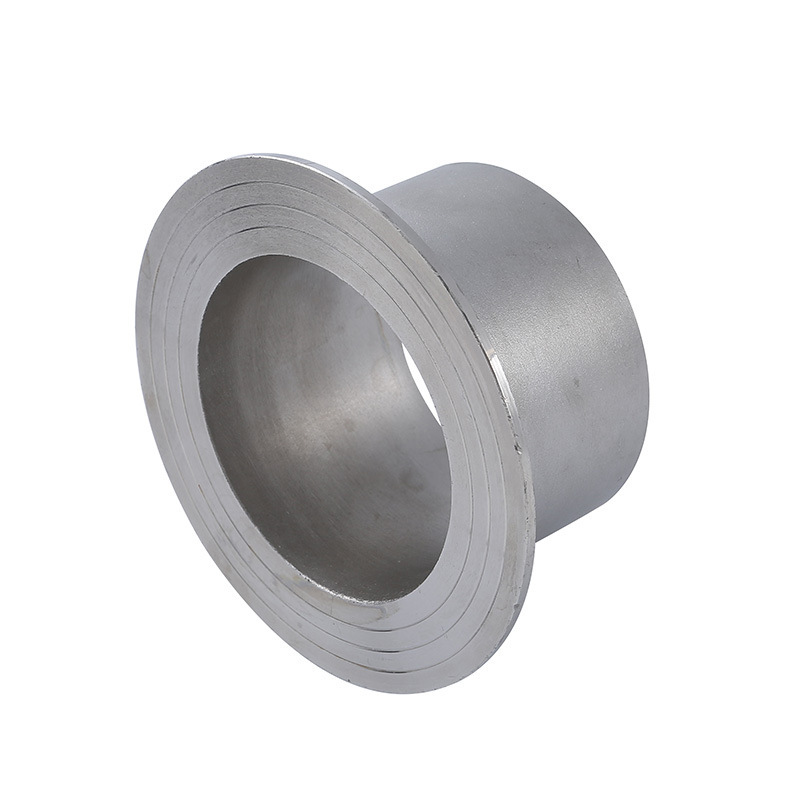
Welding ring is a commonly used metal ring component in pipeline connection or equipment do...
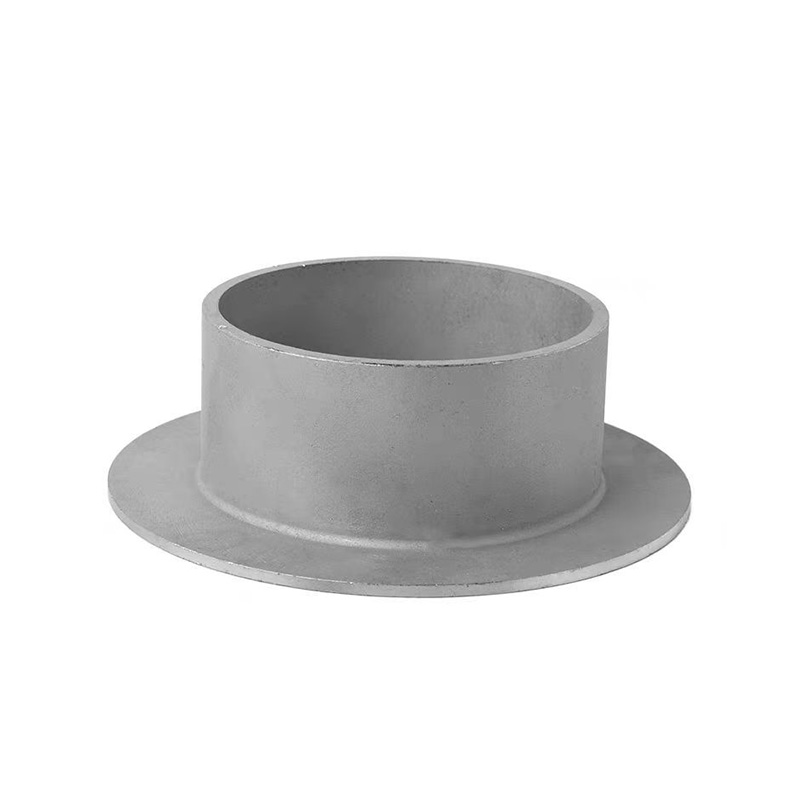
Welding ring is a pipe fitting used for pipeline connection. The following is its detailed ...