Common Types of Stainless Steel Pipe Flanges in Industrial Piping Systems
2026-05-02 17:27:43
Stainless steel pipe flanges serve as indispensable components in modern industrial piping networks, functioning to connect pipes, valves, pumps, and other equipment. They ensure a secure, leak-free, and easy-to-maintain pipeline structure. Owing to their corrosion resistance, high strength, and long-lasting performance, stainless steel flanges are extensively employed in sectors such as oil and gas, chemical processing, water treatment, power generation, and shipbuilding. Grasping the various types of stainless steel pipe flanges enables engineers and procurement professionals to select the optimal solution that aligns with specific pressure, temperature, and installation demands. The following are the most commonly utilized flange types in industrial piping systems.
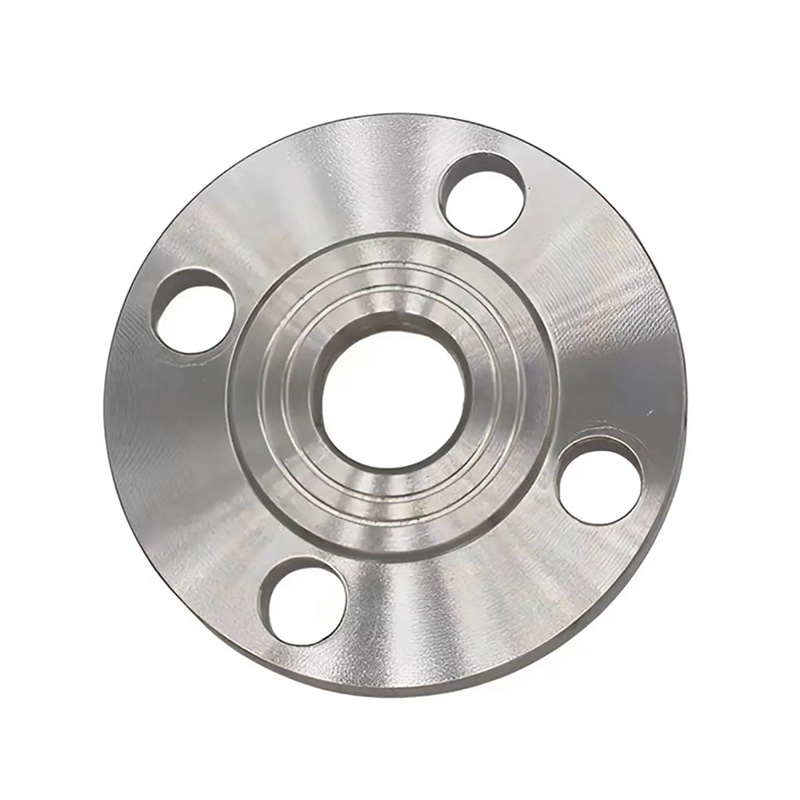
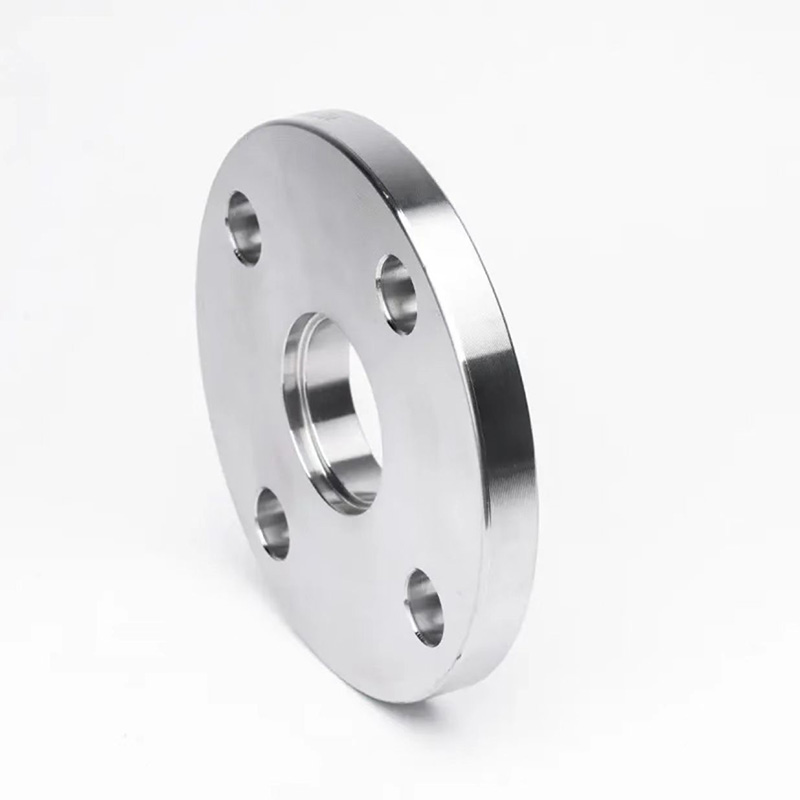
1. Weld Neck Flange
Weld neck flanges rank among the most widely used types in high-pressure and high-temperature systems. They are characterized by a long, tapered hub that is directly welded to the pipe.
Key Features:
Seamless transition between the flange and the pipe
Effective stress distribution across the connection
Strong resistance to deformation under extreme conditions
Applications:
Oil and gas transmission pipelines
Petrochemical facilities
Power generation plants
Weld neck flanges are the preferred choice in scenarios where safety and reliability are paramount, particularly in systems subjected to harsh operating conditions.
2. Slip-On Flange
Slip-on flanges are designed to slide over the pipe, after which they are welded both internally and externally to guarantee structural strength.
Key Features:
Simple alignment and straightforward installation
More cost-effective compared to weld neck flanges
Suitable for low to medium pressure applications
Applications:
Water supply pipelines
HVAC (Heating, Ventilation, and Air Conditioning) systems
Low-pressure industrial operations
Despite their ease of installation, slip-on flanges are generally not recommended for high-stress environments due to their relatively lower structural strength.
3. Blind Flange
Blind flanges are solid discs used to seal the end of a piping system or the opening of a pressure vessel.
Key Features:
No central hole, ensuring complete sealing
Exceptional sealing performance
Facilitates easy access for system inspection and maintenance
Applications:
Pipeline termination points
Pressure testing systems
Maintenance access points
Blind flanges are vital for systems that require regular inspection or have potential for future expansion.
4. Socket Weld Flange
Socket weld flanges are specifically designed for small-diameter, high-pressure pipelines. The pipe is inserted into the flange’s socket and then welded to secure the connection.
Key Features:
Ideal for small bore piping (usually less than 2 inches in diameter)
Smooth internal flow path, minimizing fluid resistance
Strong resistance to leakage
Applications:
Chemical processing systems
Hydraulic pipelines
Steam pipelines
They are commonly used in situations where preventing leakage is critical and the pipe size is relatively small.
5. Threaded Flange
Threaded flanges have internal threads, allowing them to be screwed onto pipes without the need for welding.
Key Features:
No welding required during installation
Easy to install and disassemble
Suitable for low-pressure systems
Applications:
Gas pipelines carrying flammable materials
Piping systems that require convenient maintenance
Low-pressure fluid transportation
Threaded flanges are ideal for environments where welding is impractical or prohibited.
6. Lap Joint Flange
Lap joint flanges are used in conjunction with a stub end, which allows the flange to rotate freely around the pipe.
Key Features:
Easy alignment of bolt holes during installation
Cost-effective when paired with stainless steel stub ends
Suitable for systems that require frequent dismantling
Applications:
Food and beverage industry
Chemical plants that require regular cleaning
Corrosive operating environments
This type of flange is particularly useful in situations where alignment flexibility and maintenance efficiency are important considerations.
7. Orifice Flange
Orifice flanges are specially engineered for flow measurement in piping systems. They are typically used with orifice plates to determine fluid flow rates accurately.
Key Features:
Integrated pressure tap holes for precise measurement
High-precision flow measurement capabilities
Durable construction using stainless steel
Applications:
Oil and gas metering systems
Water treatment facilities
Process control systems
Orifice flanges play a crucial role in monitoring and regulating industrial fluid systems.
Material Advantages of Stainless Steel Flanges
Stainless steel is the preferred material for flanges due to its exceptional properties:
Corrosion resistance: Well-suited for harsh chemical and marine environments
High strength: Performs reliably under high pressure and temperature conditions
Long service life: Reduces the need for frequent maintenance and replacement, lowering overall costs
Hygienic surface: Ideal for applications in the food, pharmaceutical, and sanitary sectors
Common stainless steel grades used for flanges include 304, 316, and 316L, each offering varying levels of corrosion resistance and mechanical strength to meet different application needs.
How to Choose the Right Stainless Steel Flange
Selecting the appropriate flange type depends on several key factors:
Operating pressure and temperature of the system
Pipe size and overall system design
Type of media being transported (corrosive, toxic, or clean fluids)
Requirements for maintenance and inspection
Installation conditions (whether welding is allowed or not)
Proper selection of flanges ensures the safety, efficiency, and long-term reliability of the piping system.
Conclusion
Stainless steel pipe flanges are critical components that uphold the integrity and functionality of industrial piping systems. From weld neck and slip-on flanges to blind and orifice flanges, each type serves a specific engineering purpose tailored to different operational needs. By understanding the differences in their features and applications, engineers can design safer, more efficient, and cost-effective piping systems that meet the unique requirements of various industries.
References
GB/T 7714:Cracking Mechanism Analysis of S30408 Stainless Steel Flanges in Industrial Piping Systems. Journal of Mechanical Engineering Science
MLA:Comparative Study on Weld Neck and Slip-On Stainless Steel Flanges: Structure, Performance and Application. Precision Engineering
APA:Design and Application of Weld Neck Flanges in High-Pressure and High-Temperature Oil and Gas Pipelines. International Journal of Pressure Vessels and Piping
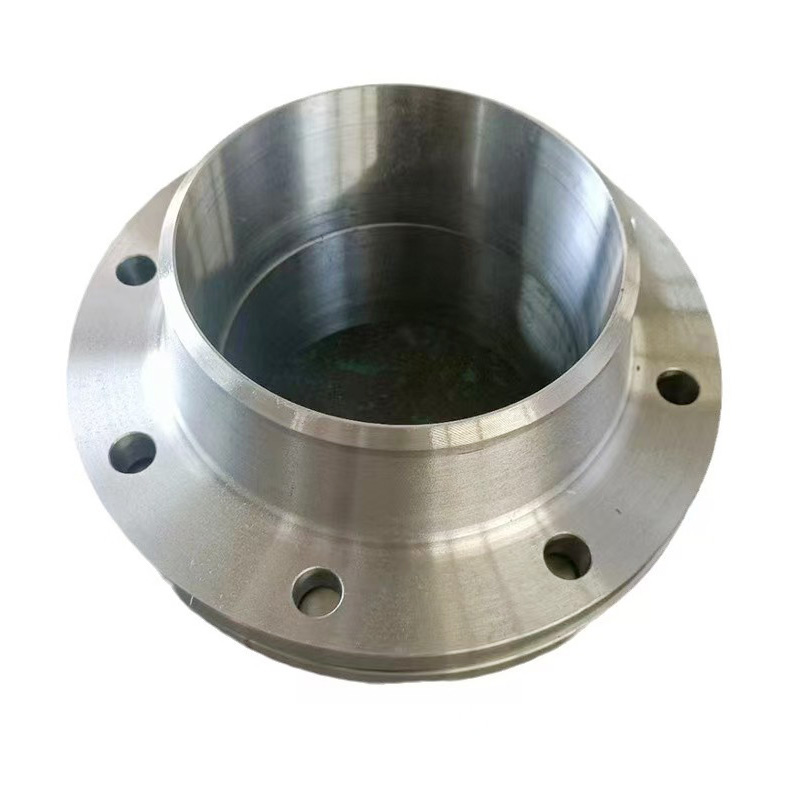
AWeld Neck Flange (WN Flange)is a type of piping flange designed to be welded to a pipe or ...
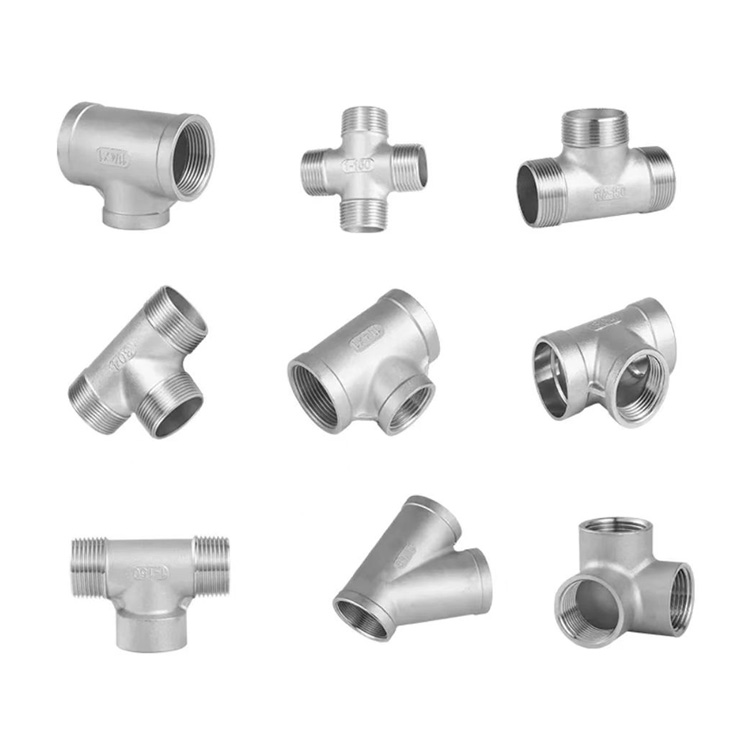
Socket fittings are essential components in piping systems, designed to connect, branch, or...
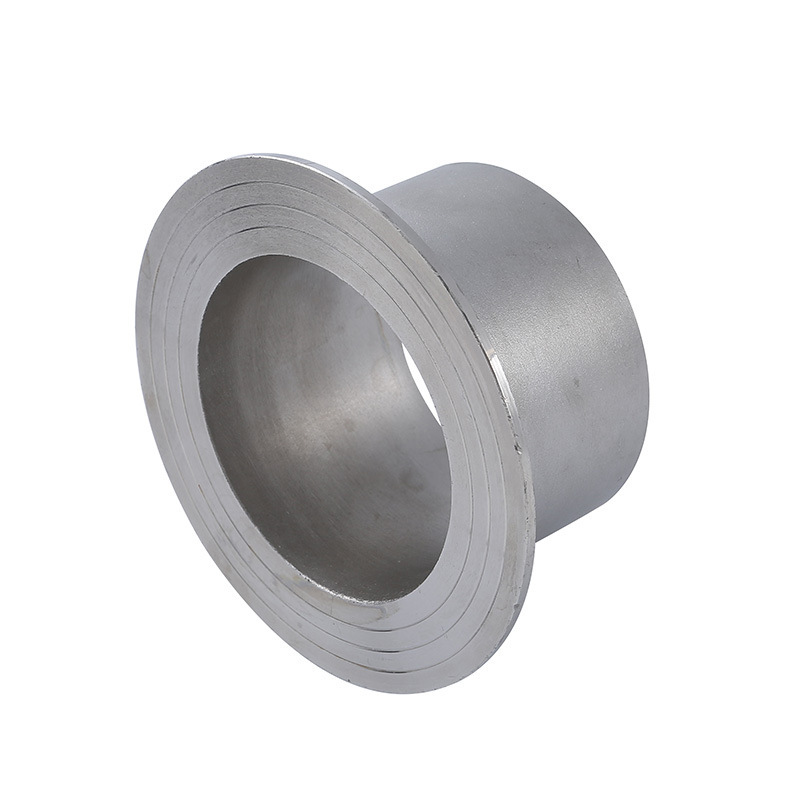
Welding ring is a commonly used metal ring component in pipeline connection or equipment do...
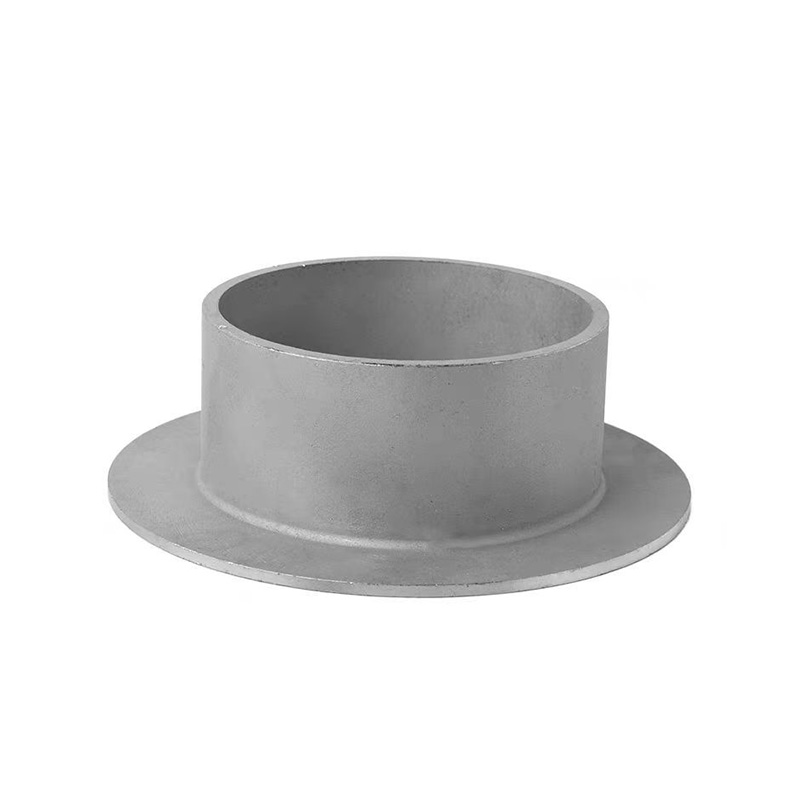
Welding ring is a pipe fitting used for pipeline connection. The following is its detailed ...