Heat Treatment Processes for Steel Pipe Fittings: What Every Buyer Should Know
2026-08-24 16:03:31
Heat treatment is one of the most consequential steps in manufacturing steel pipe fittings. Done correctly, it transforms raw steel into a material with the precise combination of strength, toughness, and ductility that demanding applications require. Done poorly, it creates components that look fine on the surface but fail prematurely under pressure, temperature, or mechanical load.
For procurement engineers and quality managers, understanding heat treatment is not optional — it is essential for evaluating whether a fitting will actually perform as specified in your system.
Why Heat Treatment Matters
Steel is an alloy of iron and carbon, and its mechanical properties depend heavily on its microstructure — the arrangement of iron crystals and carbon within the material. Hot manufacturing processes like forging, pushing, and welding create microstructures that may be too hard, too brittle, or too inconsistent for service conditions.
Heat treatment uses controlled heating and cooling to deliberately manipulate the microstructure, achieving specific mechanical properties. The result is a fitting with predictable strength, controlled hardness, and reliable toughness across the entire component — not just in the visually inspected areas.
The Main Heat Treatment Processes
Normalizing
Normalizing heats the steel to a temperature above its upper critical
point (typically 900-950°C for carbon steels), then cools it in still
air. This produces a uniform, fine-grained microstructure and relieves
internal stresses from hot forming or welding. Normalized fittings are
stronger and tougher than annealed fittings, making normalizing the
standard heat treatment for many carbon steel fittings in
moderate-temperature service.
Annealing
Annealing heats the steel to a specific temperature, holds it long
enough for the microstructure to transform, then cools it slowly inside
the furnace. The result is the softest possible condition for the given
steel grade. Annealed fittings are easier to machine and are used where
subsequent machining operations are required before the fitting goes
into service. However, the low hardness means lower strength compared to
normalized or quenched-and-tempered fittings.
Quenching and Tempering
Quenching heats the steel to its austenitizing temperature and then
cools it rapidly — typically in water or oil. This traps carbon in a
supersaturated solution, creating a very hard but brittle microstructure
called martensite. The fitting is then tempered: reheated to a lower
temperature (usually 400-700°C) and held, then cooled. Tempering
relieves internal stresses and reduces brittleness while retaining much
of the hardness and strength. Quenched-and-tempered fittings are used
for high-pressure, high-strength applications such as offshore pipelines
and high-temperature power plant piping.
Sub-Critical Annealing (or Inter-Critical Heat Treatment)
This process heats the steel to a temperature below the lower critical
point but above the stress-relief range, holding long enough to reduce
hardness from prior processing. Sub-critical annealing is faster and
less expensive than full annealing and is adequate for many standard
fittings where only moderate strength is required.
Stress Relief
Stress relief heating brings the component to a temperature below the
lower critical point (typically 550-650°C for carbon steels), holds it
long enough to reduce residual welding and forming stresses, then cools
slowly and uniformly. Stress relief does not significantly change
mechanical properties — it redistributes internal stresses that could
otherwise cause distortion during subsequent machining or lead to stress
corrosion cracking in service. All weldments and cold-formed fittings
benefit from stress relief before being placed in service.
Heat Treatment Standards and Requirements
ASTM and ASME specifications define the heat treatment requirements for pipe fittings to ensure consistent quality. The relevant standards specify:
Which process is required — ASTM A234 WPB fittings are typically normalized or normalized and tempered. ASTM A420 WPL6 fittings (low-temperature service) require fine-grain practice and controlled heat treatment.
Temperature ranges — The standard specifies minimum and maximum temperatures for each process stage
Hold times — Minimum time at temperature to ensure the entire fitting reaches the desired microstructure
Cooling rates — Controlled cooling requirements to achieve the specified properties
A quality manufacturer maintains detailed heat treatment records — furnace temperature logs, thermocouple readings, and cooling records — that can be provided as part of the material test package.
Hardness Testing: A Practical Quality Check
Hardness testing is the most accessible way to verify that heat treatment was done correctly. The Brinell hardness number (BHN) or Rockwell hardness value correlates directly with the tensile strength of the material.
For most carbon steel pipe fittings, hardness should not exceed approximately 197 BHN. Excessive hardness indicates incomplete tempering or improper heat treatment, which can lead to brittle failure. Too low hardness may indicate over-tempering or an incorrect material grade.
A reliable supplier hardness-tests fittings as part of their quality control process and includes results in the delivery documentation.
Effects of Hot Forming on Heat Treatment Requirements
Pipe fittings made by hot forming — hot pushing, hot bending, hot extrusion — undergo significant plastic deformation at elevated temperatures. The combined effects of deformation and temperature history mean that hot-formed fittings require careful post-formation heat treatment to achieve uniform properties.
Fittings that are quenched directly after forming (without a proper normalizing step first) often display uneven hardness across the fitting — harder at the areas that cooled fastest and softer in thicker sections. Proper heat treatment after forming eliminates this variation.
Welding and the Need for Post-Weld Heat Treatment
When a fitting is welded to a pipe, the heat from welding creates a heat-affected zone (HAZ) adjacent to the weld. The HAZ experiences a rapid thermal cycle that can harden the microstructure and introduce residual stresses. For many applications — especially in alloy steels and in services where stress corrosion cracking is a risk — post-weld heat treatment (PWHT) is required to restore the HAZ to a tough, stress-relieved condition.
PWHT requirements are specified by the engineering design code (ASME B31.3 for process piping, ASME B31.1 for power piping) based on material, wall thickness, and service conditions. Never assume a welded joint is ready for service without confirming whether PWHT is required by your applicable code.
What to Ask Your Supplier
When qualifying a pipe fitting manufacturer or supplier, ask specifically about heat treatment:
Do fittings undergo heat treatment after final forming?
What is the furnace type and temperature uniformity?
Are thermocouples used to monitor and record temperatures during each heat treatment cycle?
Is hardness testing performed on finished fittings?
Can heat treatment records be provided with each shipment?
Are fittings tested after PWHT if welding is required during fabrication?
Conclusion
Heat treatment is the step that turns formed steel into a reliable, fit-for-purpose pipe fitting. Normalizing, quenching and tempering, annealing, and stress relief each produce different property combinations suited to different applications. Understanding these processes — and knowing what questions to ask your supplier — helps ensure that the fittings you order will handle the pressures, temperatures, and environments they will face in service.
Quality fittings come from manufacturers who treat heat treatment as a core competency, not an afterthought. The documentation they provide — furnace logs, hardness test results, and material certificates — is your assurance that every fitting has been properly processed.
References
References:
ASM Handbook, Volume 4: Heat Treating, ASM International, 1991
ASTM A234/A234M-19, Standard Specification for Piping Fittings of
Wrought Carbon Steel and Alloy Steel for Moderate and High Temperature
Service, ASTM International
ASME B31.3-2022, Process Piping, The American Society of Mechanical Engineers
ISO 18203:2016, Steel — Determination of the maximum thickness of steel
plates for welded structures, International Organization for
Standardization
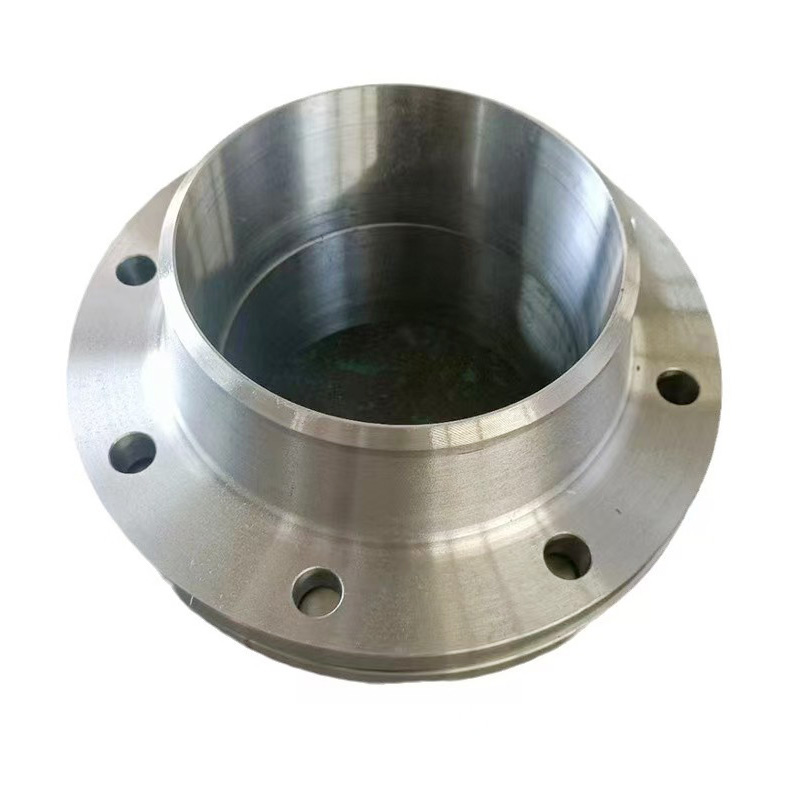
AWeld Neck Flange (WN Flange)is a type of piping flange designed to be welded to a pipe or ...
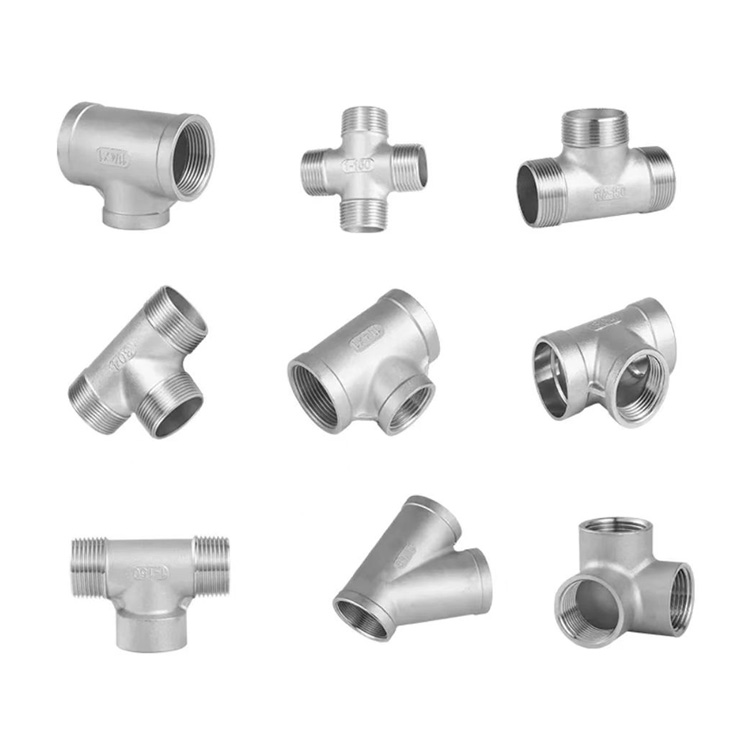
Socket fittings are essential components in piping systems, designed to connect, branch, or...
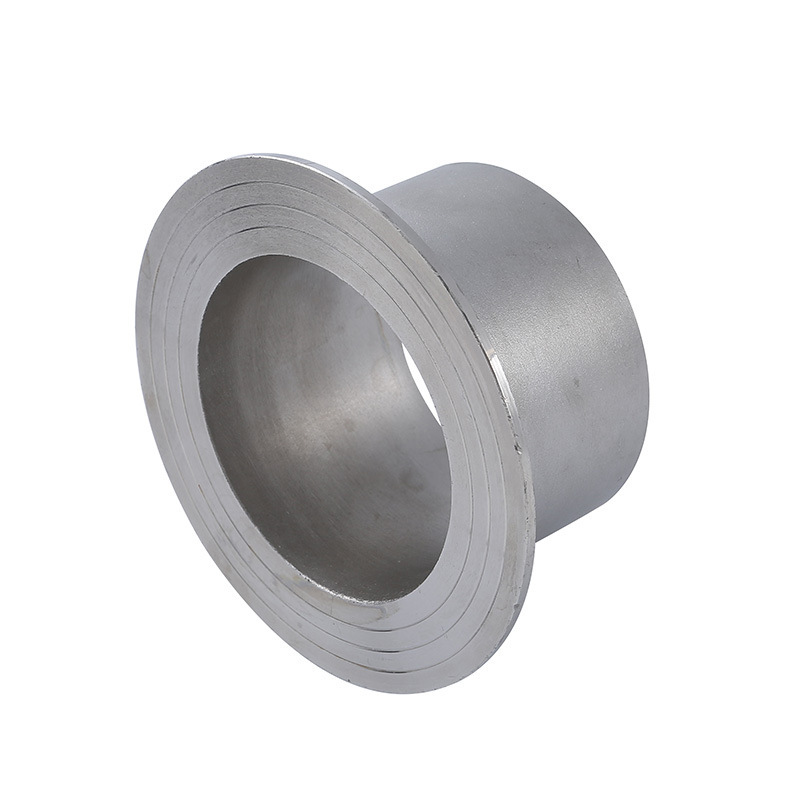
Welding ring is a commonly used metal ring component in pipeline connection or equipment do...
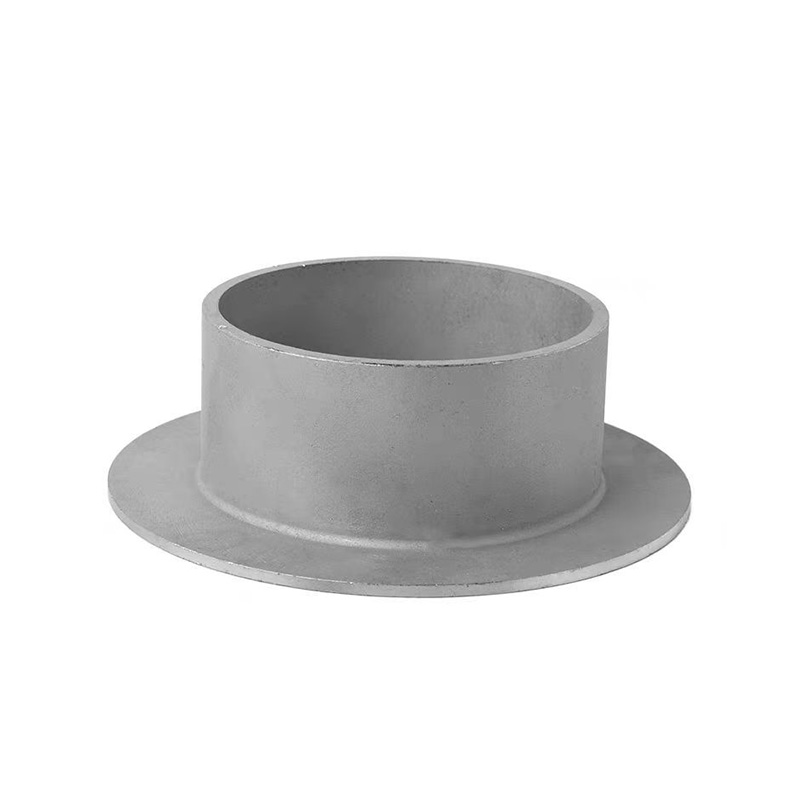
Welding ring is a pipe fitting used for pipeline connection. The following is its detailed ...