High-Quality Stainless Steel Elbow Pipe Fittings for Industrial Piping Systems
2026-05-15 16:04:32
In modern industrial fluid transportation systems, pipeline layout design requires flexible directional conversion while maintaining overall sealing stability and operational efficiency. As core directional conversion components, stainless steel elbow fittings undertake the key task of adjusting fluid flow directions. They can adapt to complex and harsh working conditions such as chemical corrosion, high pressure and high temperature, and are widely applied in oil and gas transmission, chemical production, water treatment and food processing industries. This article comprehensively introduces the definition, mainstream classification, standardized production technology, core performance advantages and diversified industrial application values of stainless steel elbows, explaining the importance of high-quality elbow fittings for safe and stable operation of pipeline systems.
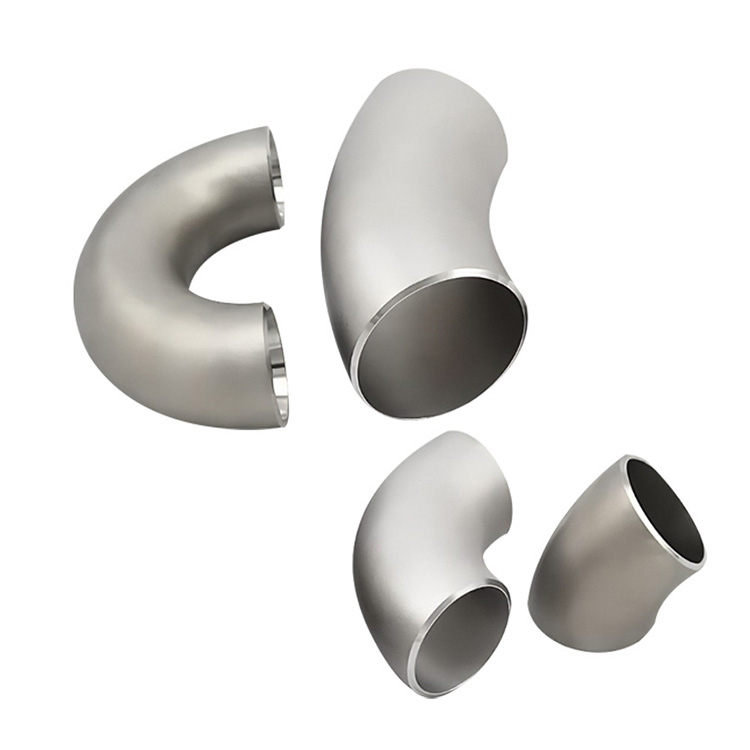
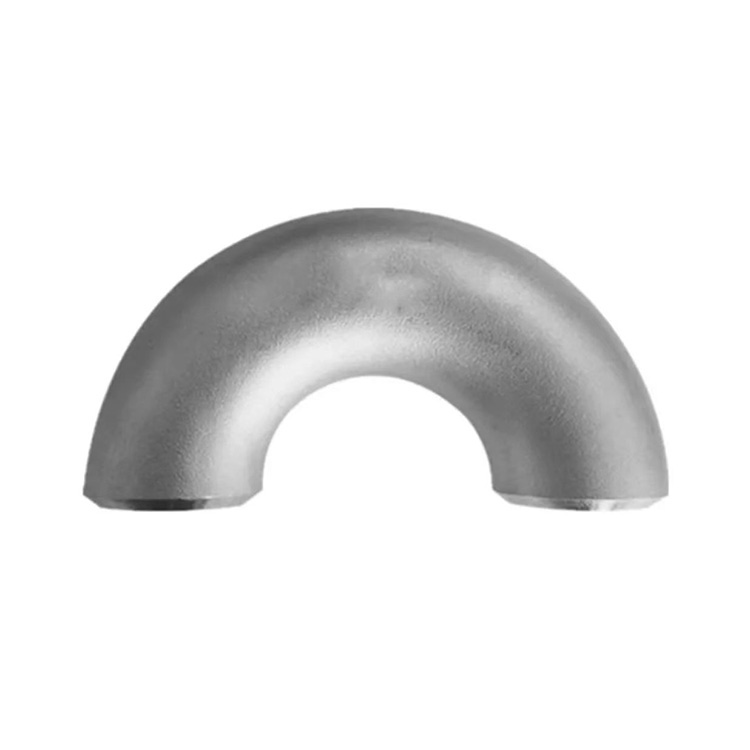
Overview of Stainless Steel Elbow Fittings
A stainless steel elbow is a special curved pipe fitting used to connect two pipelines at specific angles. Common bending specifications include 45°, 90° and 180°, which can flexibly adjust the transmission direction of fluid inside the pipeline. As an indispensable part of piping systems, stainless steel elbows have multiple core functions: realizing smooth diversion of fluid, effectively reducing local pressure loss during medium transportation, improving the rationality and flexibility of overall pipeline layout, and maintaining long-term leak-free sealing performance of connecting parts. Benefiting from the excellent anti-corrosion performance, mechanical toughness and structural stability of stainless steel materials, elbow fittings can operate stably in various harsh and aggressive industrial environments, far exceeding the service performance of ordinary carbon steel pipe fittings.
Main Classification and Characteristics of Stainless Steel Elbows
According to different bending angles and functional designs, stainless steel elbows are divided into three mainstream types, which are accurately matched with different pipeline layout and fluid transmission requirements:
90-Degree Elbow
It is the most widely used standard pipe fitting in industrial piping systems. It realizes vertical turning of fluid flow, and is suitable for compact and dense pipeline layout scenarios with limited installation space. It features simple matching and strong universality, meeting the basic directional conversion needs of most industrial pipelines.
45-Degree Elbow
This low-angle structural design enables gentler fluid transition, effectively reduces fluid turbulence and local pressure drop during transportation, and avoids medium impact on the pipe wall. It is mostly used in fluid transmission systems that require stable flow velocity and low energy loss.
180-Degree Return Elbow
The U-shaped return structure can completely reverse the fluid flow direction. It is mainly customized for circulating pipeline equipment such as industrial heat exchangers and coil pipeline systems, and is an indispensable special fitting for closed-cycle fluid transmission equipment.
Common Manufacturing Standards and Material Grades
To ensure the interchangeability and operational reliability of industrial pipe fittings, stainless steel elbows are produced in strict accordance with international unified standards, including ASTM A403, ASME B16.9 and European DIN/EN industrial specifications. Different grades of stainless steel materials are selected for targeted production according to working medium and environmental differences:304/304L Stainless Steel: With basic and stable corrosion resistance, it is suitable for conventional atmospheric, water and general industrial medium environments, covering most conventional industrial scenarios.316/316L Stainless Steel: Added with molybdenum element, it has excellent resistance to chemical corrosion, acid and alkali erosion and seawater corrosion, and is specially used for marine engineering, chemical and high-corrosion working conditions.321 Stainless Steel: It has outstanding high-temperature oxidation resistance and structural stability, and is widely used in high-temperature pipeline systems such as thermal power and heating equipment.
Standardized Production Process of Stainless Steel Elbows
High-precision and high-durability stainless steel elbows are formed through standardized and refined production procedures, with strict process control in each link to avoid structural defects and performance attenuation:
Raw Material Screening
Select high-purity standard stainless steel pipes and plates that meet industrial grades, strictly inspect material composition and surface quality, and eliminate raw materials with impurities and structural defects.
Fixed-Size Cutting and Preheating
Cut the raw materials into standard sizes according to processing specifications, and perform uniform high-temperature preheating treatment to optimize material plasticity and facilitate subsequent bending and forming.
Cold and Hot Forming Processing
Adopt professional mandrel bending technology and hot push forming technology. According to different material characteristics and caliber specifications, select cold forming or hot forming process to ensure uniform pipe wall thickness and smooth curved surface without deformation or wrinkling.
Professional Heat Treatment
After forming, the elbows undergo heat treatment such as stress relief and normalization to eliminate internal mechanical stress generated during bending processing, refine internal metal structure, and improve overall mechanical strength and toughness.
Surface Finishing Treatment
Carry out pickling, passivation, sandblasting and mirror polishing treatments on the surface of the fittings to remove surface oxide layers, improve surface finish, and further enhance anti-corrosion and anti-oxidation capabilities.
Full Inspection and Verification
Complete dimensional tolerance detection, appearance inspection and hydraulic pressure resistance testing to ensure that all indexes of the products meet international standard requirements, and only qualified products can be packaged and delivered.
Core Performance Advantages of Stainless Steel Elbows
Compared with other material pipe fittings, stainless steel elbows have comprehensive performance advantages suitable for long-term industrial operation:Superior Corrosion Resistance: Effectively resist acid, alkali, seawater and humid environmental erosion, adapting to chemical industry, marine and outdoor harsh working conditions.High Mechanical Stability: With high pressure resistance and high-temperature resistance, it can maintain stable structural performance under long-term high-load operation.Smooth Fluid Transmission: The precise curved structure reduces fluid turbulence and transmission resistance, lowers pipeline energy consumption, and improves transmission efficiency.Ultra-Long Service Life: Durable material properties greatly reduce aging and damage probability, effectively lowering later maintenance and replacement costs.Strong Compatibility: Standard specifications are compatible with most industrial pipeline systems, supporting diversified layout and installation modes.
Diversified Industrial Application Scenarios
Relying on excellent comprehensive performance, stainless steel elbow fittings are widely used in multiple high-standard industrial fields, including oil and gas long-distance transmission systems, petrochemical and chemical production plants, municipal water supply and sewage treatment projects, food and beverage processing pipelines, pharmaceutical industry sanitary pipeline systems, power generation equipment piping, as well as shipbuilding and marine engineering supporting facilities.
Our Factory Product Strengths
As a professional manufacturer of standardized industrial pipeline fittings, our factory focuses on the R&D and customized production of high-performance stainless steel elbows. We always implement full-process quality control from raw material screening, precision processing to finished product testing. We adopt advanced hot-push forming and fine processing technology, with complete product specifications covering different calibers, wall thicknesses and bending angles. All products strictly comply with ASTM, ASME, DIN and other international standards. We support OEM and personalized non-standard customized services, with direct factory pricing and stable batch supply capacity. We provide high-precision, high-durability pipe fitting solutions for global industrial pipeline projects.
Conclusion
Stainless steel elbow fittings are core basic components of modern industrial fluid pipeline systems. They not only flexibly realize pipeline direction conversion and optimize system layout, but also ensure long-term safe, stable and efficient operation of pipelines relying on excellent corrosion resistance and mechanical properties. Selecting high-quality standard stainless steel elbows is crucial to improving pipeline system safety, reducing operating costs and extending service life. Our factory provides high-quality stainless steel elbow fittings with stable performance and competitive prices, supporting long-term cooperative procurement and customized matching services for global customers.
References
GB/T 7714:Structural optimization and flow field analysis of stainless steel pipe elbows in industrial fluid systems.Applied Sciences
MLA:Corrosion resistance and mechanical performance evaluation of 304 and 316 stainless steel pipe fittings. Metals
APA:Numerical simulation of fluid pressure loss in different angle stainless steel elbow pipelines. Processes
AWeld Neck Flange (WN Flange)is a type of piping flange designed to be welded to a pipe or ...
Socket fittings are essential components in piping systems, designed to connect, branch, or...
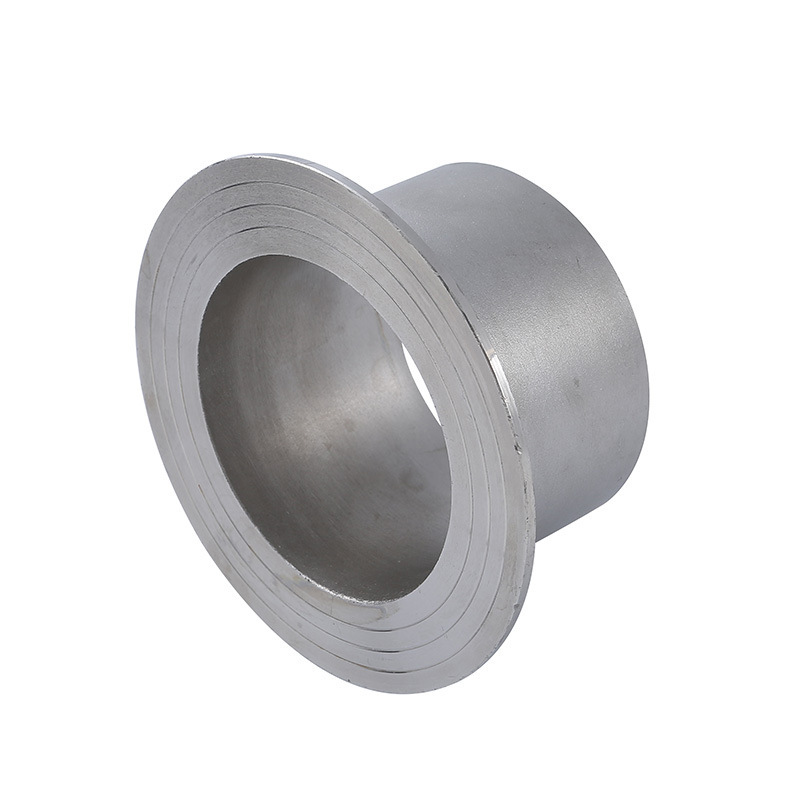
Welding ring is a commonly used metal ring component in pipeline connection or equipment do...
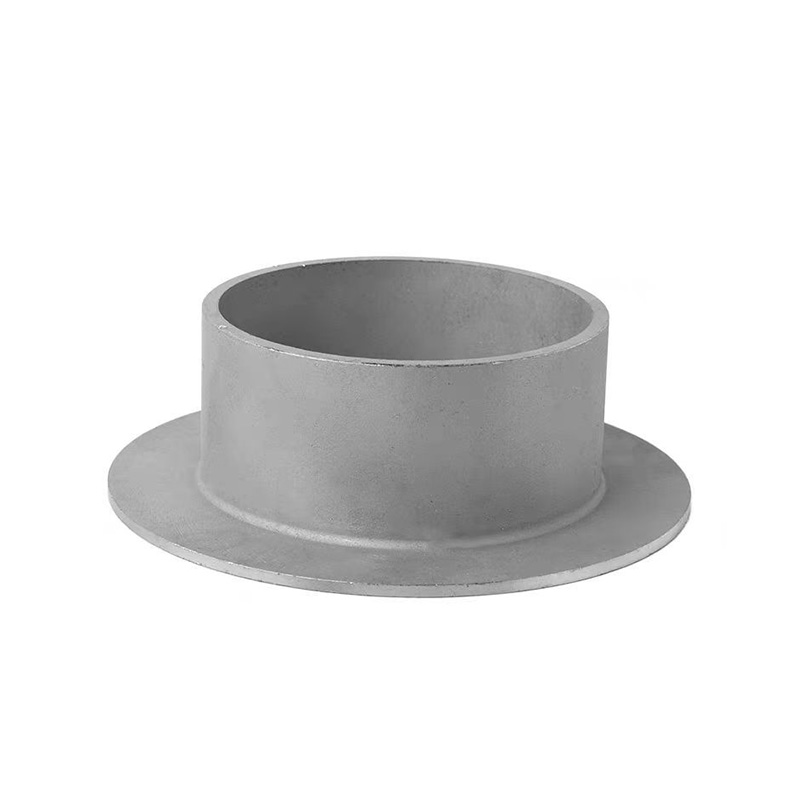
Welding ring is a pipe fitting used for pipeline connection. The following is its detailed ...