How to Choose the Right Butt Welded Elbow for Industrial Applications
2026-04-23 17:01:11
In industrial piping systems, even small fittings play a vital role in guaranteeing safety, operational efficiency, and long-term service performance. Among these components, the butt welded elbow is one of the most widely used parts for altering flow direction in pipelines. Nevertheless, choosing the appropriate type is not always simple, especially when dealing with high-pressure, high-temperature, or corrosive working environments. This guide will assist you in understanding the key factors to take into account when selecting a butt welded elbow for industrial applications, ensuring that your piping system operates reliably and efficiently.
1. What Is a Butt Welded Elbow?
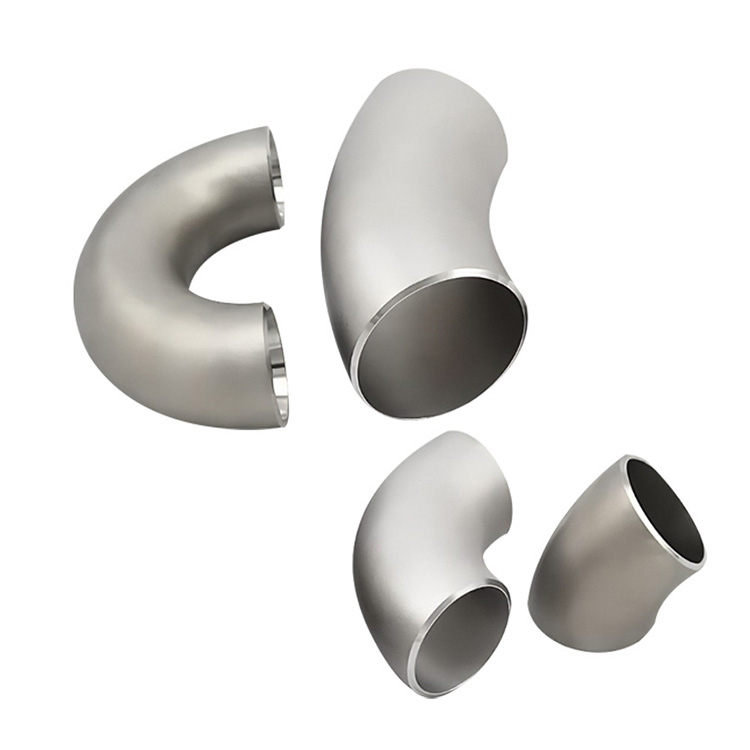
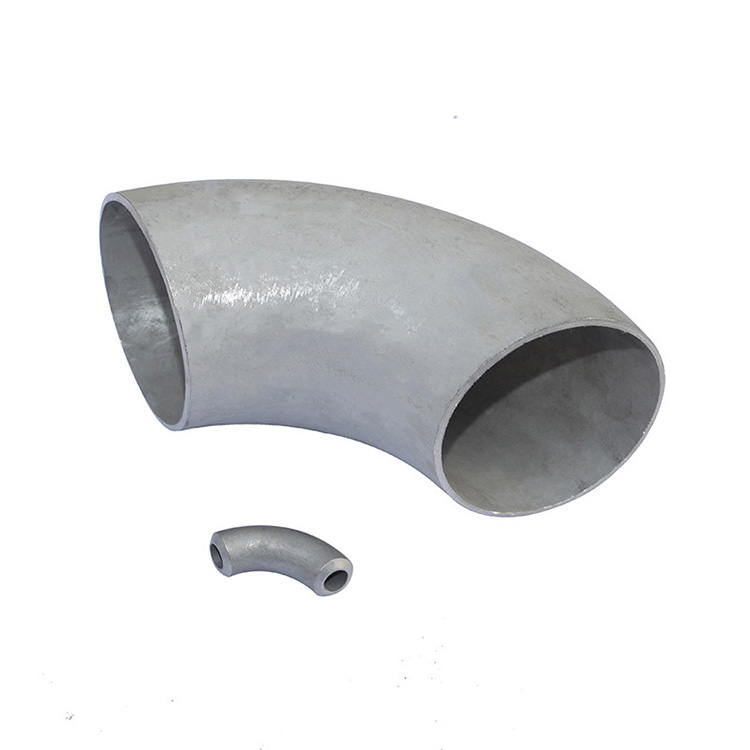
A butt welded elbow is a pipe fitting designed to change the direction of fluid flow, usually at angles of 45°, 90°, or 180°. It is directly welded to the ends of pipes, forming a smooth, leak-proof connection. In contrast to threaded or socket-weld fittings, butt weld elbows provide the following advantages:
Superior strength and durability
Enhanced resistance to pressure and temperature
Smooth internal flow with minimal turbulence
Reduced leakage risk in critical systems
These benefits make them extensively used in industries such as oil and gas, petrochemicals, power generation, shipbuilding, and water treatment.
2. Choose the Appropriate Angle and Radius
One of the initial decisions to make is selecting the elbow angle and bend radius. Common angles:
45° elbow – utilized for gradual changes in flow direction
90° elbow – the most commonly used type for right-angle turns
180° elbow – employed for U-turn piping configurations
Radius types:
Short Radius (SR): Features a compact design, suitable for tight installation spaces but results in higher pressure loss
Long Radius (LR): Ensures smoother flow and lower pressure drop, making it the preferred choice for most industrial systems
For high-efficiency systems, long radius elbows are generally recommended, as they minimize turbulence and reduce wear over time.
3. Select the Right Material
Material selection is one of the most crucial factors influencing the performance and service life of a butt welded elbow. Common materials include:
Carbon steel: Suitable for general industrial applications, oil pipelines, and structural uses.
Stainless steel (304, 316, etc.): Offers excellent corrosion resistance, making it ideal for chemical, food, and marine industries.
Alloy steel: Specifically designed for high-temperature and high-pressure operating environments.
Duplex stainless steel: Provides superior strength and corrosion resistance for harsh working conditions.
Choosing the correct material ensures that the elbow can withstand the operating environment without premature failure.
4. Consider Pipe Size and Wall Thickness
Butt welded elbows must precisely match the pipe diameter and wall thickness (schedule) of the existing pipeline. Key points to verify:
Nominal Pipe Size (NPS)
Schedule (SCH 10, SCH 40, SCH 80, etc.)
Compatibility with the existing pipeline system
Thicker walls are required for high-pressure applications, while thinner walls may be adequate for low-pressure systems. Incorrect sizing can lead to weak joints or flow inefficiencies.
5. Evaluate Pressure and Temperature Ratings
Every industrial piping system operates under specific pressure and temperature conditions. The selected butt welded elbow must meet or exceed these requirements. When making a selection, check the following:
Maximum working pressure
Operating temperature range
Material strength at elevated temperatures
For instance, in power plants or refineries, high-temperature alloy steel elbows are often necessary to ensure safety and durability.
6. Pay Attention to Standards and Certifications
Quality standards ensure product reliability and compatibility. Always choose elbows manufactured in accordance with international standards such as:
ASME B16.9 (Butt welding fittings standard)
ASTM material standards
ISO certifications
Certified products guarantee consistent dimensions, mechanical properties, and welding performance, reducing the risk of system failure.
7. Consider Flow Efficiency and System Design
The internal design of a butt welded elbow directly impacts fluid flow. Poor-quality fittings may cause the following issues:
Pressure loss
Turbulence
Erosion and corrosion over time
Long-radius elbows with smooth internal surfaces are preferred for systems that require high flow efficiency, such as chemical processing or oil transport pipelines.
8. Evaluate Manufacturer Quality and Production Process
Not all pipe fittings are manufactured to the same quality standards. A reliable supplier should offer the following:
Strict raw material inspection
Advanced forming and welding technology
Heat treatment to enhance strength
Dimensional accuracy testing
Non-destructive testing (NDT), such as X-ray or ultrasonic inspection
High-quality manufacturing ensures a long service life and reduces maintenance costs.
9. Application-Specific Selection Tips
Different industries have unique requirements for butt welded elbows:
Oil & Gas Industry: High-pressure alloy steel elbows with strict certification
Chemical Industry: Stainless steel elbows with strong corrosion resistance
Water Treatment: Cost-effective carbon steel or stainless steel options
Power Plants: High-temperature resistant alloy steel elbows
Matching the elbow to the specific application ensures safety and operational efficiency.
Conclusion
Selecting the right butt welded elbow is essential for constructing a reliable and efficient piping system. Factors such as material type, radius, pressure rating, pipe size, and industry standards all play a critical role in the fitting’s performance and the overall safety of the system. By carefully evaluating these aspects, engineers and procurement teams can ensure long-term durability, reduce maintenance costs, and improve the overall efficiency of the piping system. If you are sourcing industrial pipe fittings, collaborating with a professional manufacturer can help you obtain customized solutions that meet your exact project requirements.
References
GB/T 7714:Steel Grade Selection for Butt Welded Elbows: Mechanical Properties and Application Suitability[J]. Journal of Industrial Materials Science
MLA:CFD Analysis of Flow Dynamics in Butt Welded Elbows: Sharp-Edged vs Normal-Edged Designs[J]. Journal of Fluid Engineering
APA: Material Performance of Carbon Steel and Stainless Steel Butt Welded Elbows in Industrial Piping[J]. Pipeline and Piping Technology
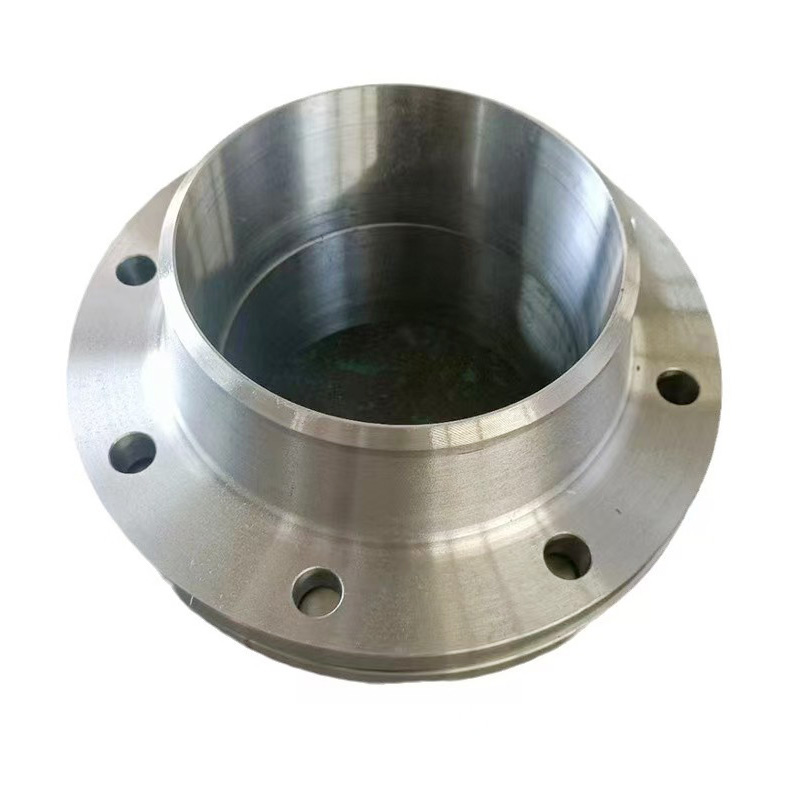
AWeld Neck Flange (WN Flange)is a type of piping flange designed to be welded to a pipe or ...
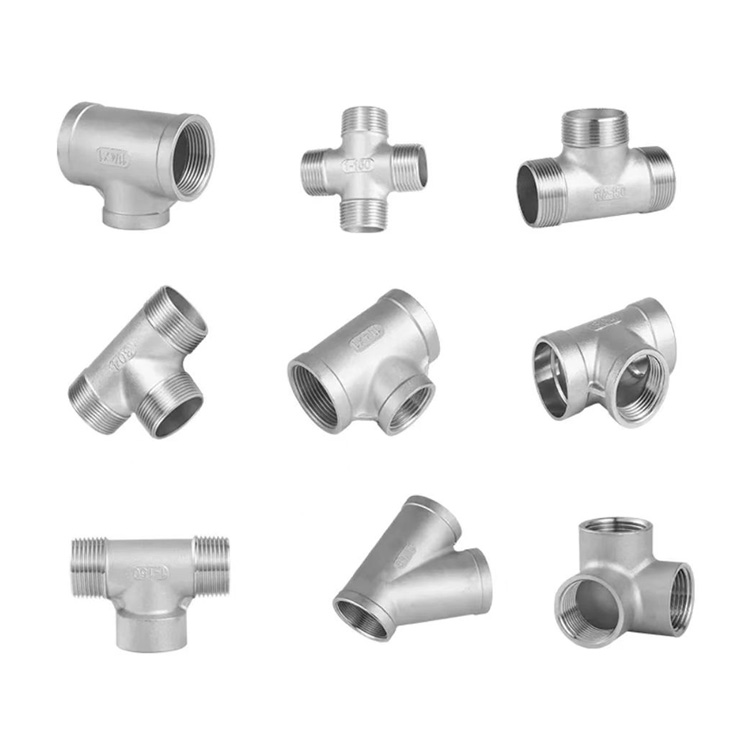
Socket fittings are essential components in piping systems, designed to connect, branch, or...
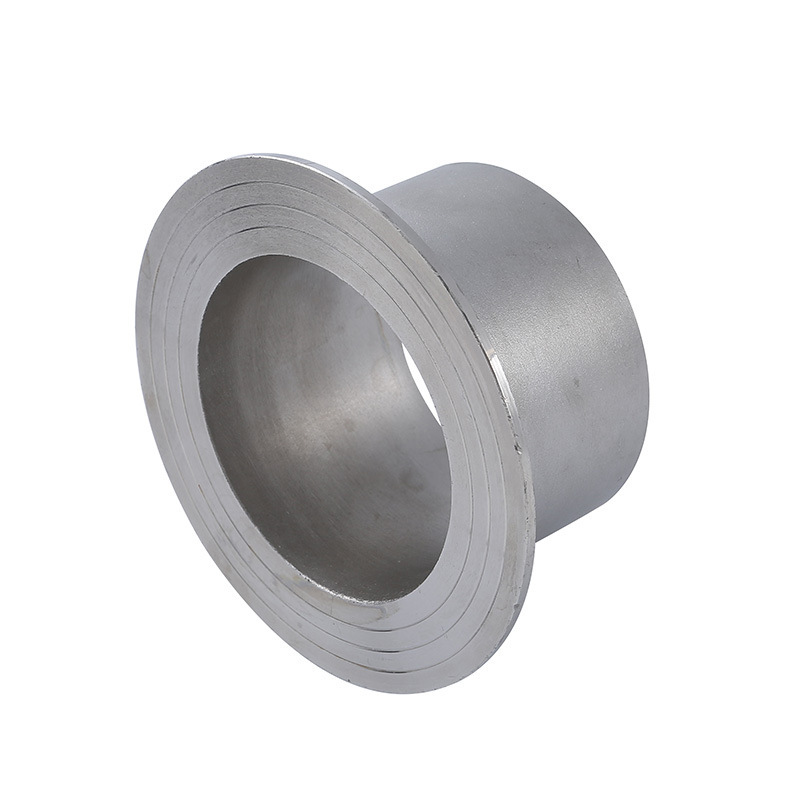
Welding ring is a commonly used metal ring component in pipeline connection or equipment do...
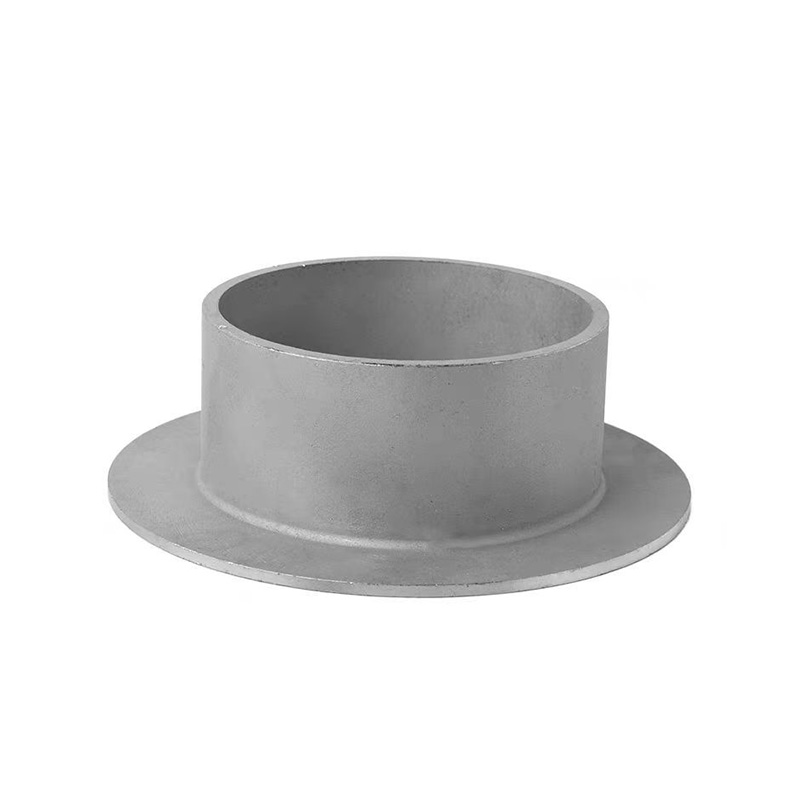
Welding ring is a pipe fitting used for pipeline connection. The following is its detailed ...