Manufacturing Process of Stainless Steel Pipe Flanges Explained
2026-05-08 17:30:49
Stainless steel pipe flanges are indispensable components in industrial piping systems, extensively utilized to connect pipes, valves, pumps, and other equipment. Their reliability, structural strength, and resistance to corrosion are largely determined by their manufacturing process. Grasping the manufacturing workflow of stainless steel flanges enables engineers, purchasers, and project managers to assess product quality and choose the most suitable supplier. This article elaborates on each critical stage of flange production, ranging from raw material selection to final inspection and packaging.
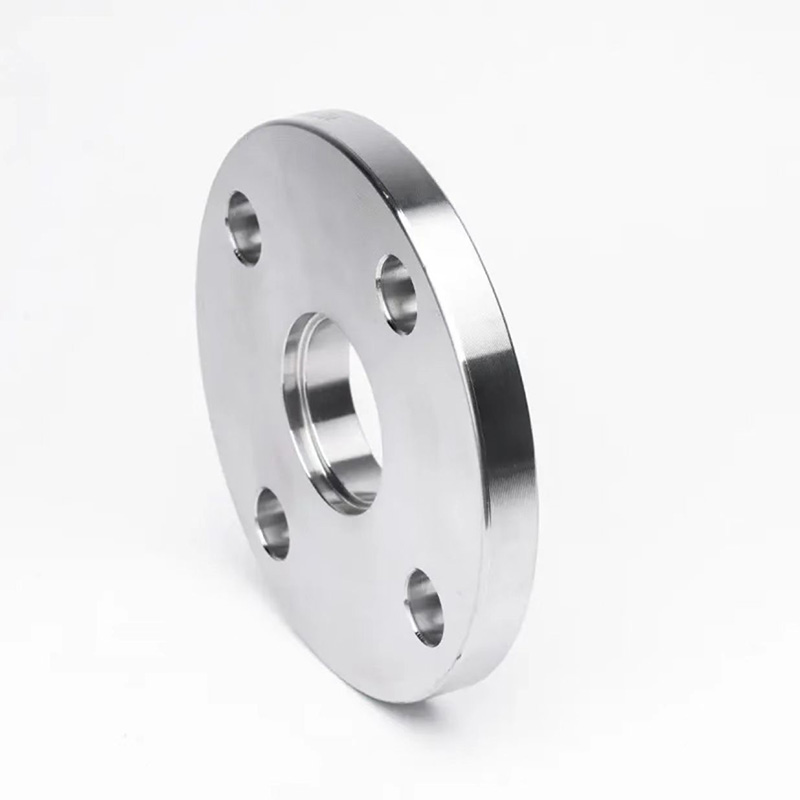
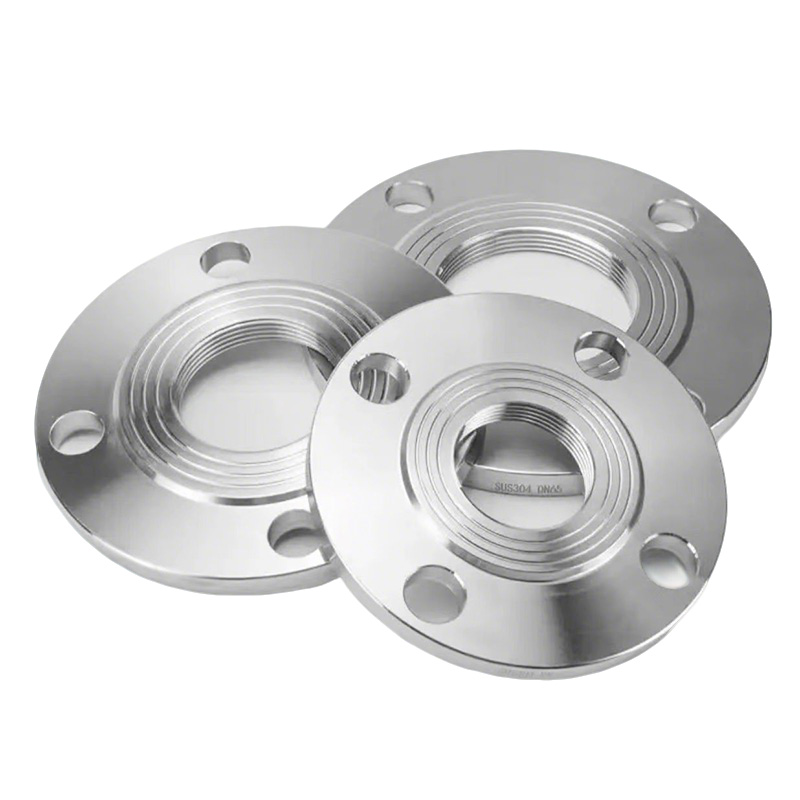
1. Raw Material Selection
The manufacturing process commences with the selection of high-grade stainless steel materials. The most widely employed grades are as follows:
304 stainless steel: Offers general-purpose corrosion resistance for common industrial applications
316/316L stainless steel: Boasts enhanced resistance to chlorides and acidic environments
Duplex stainless steel: Delivers high mechanical strength and superior corrosion resistance
Raw materials are typically supplied in the form of round bars, plates, or forged billets. Prior to the start of production, the material undergoes rigorous testing for chemical composition and mechanical properties to ensure it complies with industry standards such as ASTM or EN specifications.
2. Cutting and Heating
Once the raw material passes inspection, it is cut into appropriate sizes based on the required flange dimensions. This cutting step ensures that the material is properly sized for subsequent shaping processes. Following cutting, the material is heated in a temperature-controlled furnace. This heating process enhances the metal’s plasticity, making it easier to shape during the forging stage. The heating temperature is closely monitored to avoid overheating, which could lead to material degradation or structural defects.
3. Forging Process
Forging is one of the most crucial steps in the manufacturing of stainless steel flanges, as it directly influences the strength and internal structure of the final product. This process refines the metal’s grain structure, thereby improving its overall mechanical performance. Common Forging Methods:
Open-die forging: Suitable for large-sized flanges and custom-shaped components
Closed-die forging: Ensures higher precision and consistency in the final product
Ring rolling: Frequently used for producing circular flange blanks with uniform dimensions
During forging, the heated stainless steel is pressed or hammered into a rough flange shape. This process not only shapes the material but also refines its grain structure, significantly boosting mechanical strength and durability.
4. Machining Process
After forging, the flange undergoes precision machining to achieve its final dimensions and surface finish. This stage is critical for ensuring the flange can form a tight, leak-proof seal when installed in piping systems. Key machining operations include:
Turning the outer and inner diameters to meet precise size requirements
Drilling bolt holes for secure installation
Facing the sealing surfaces to ensure flatness and smoothness
Creating grooves for gasket seating to enhance sealing performance
CNC (Computer Numerical Control) machines are widely used in this stage to ensure high accuracy and repeatability. Proper machining is essential for achieving leak-proof performance when flanges are integrated into industrial piping systems.
5. Heat Treatment (Optional but Important)
Depending on the stainless steel grade and the specific application requirements, flanges may undergo heat treatment processes to optimize their properties. Common heat treatment methods include:
Annealing: Improves the material’s ductility and reduces internal stress accumulated during forging and machining
Solution treatment: Enhances the corrosion resistance of stainless steel by homogenizing its microstructure
Heat treatment ensures that the flange maintains stable mechanical properties even under harsh operating conditions, such as high pressure and extreme temperatures.
6. Surface Treatment
Surface finishing not only enhances the appearance of stainless steel flanges but also improves their corrosion resistance. Common surface treatment techniques include:
Pickling: Removes oxide scale, rust, and other impurities from the surface
Passivation: Forms a protective oxide layer on the surface to enhance corrosion resistance
Polishing: Used for applications requiring a sanitary or high-aesthetic finish, such as food processing and pharmaceuticals
In industries like food processing, pharmaceuticals, and marine engineering, surface quality is particularly critical, as it directly affects product safety and equipment longevity.
7. Quality Inspection and Testing
Every stainless steel flange must undergo strict quality control checks before leaving the factory to ensure it meets industry standards and application requirements. Common inspection and testing methods include:
Dimensional inspection: Verifies that all dimensions comply with design drawings and standard specifications
Visual inspection: Checks for surface defects such as cracks, scratches, or unevenness
Hydrostatic testing: Tests the flange’s pressure resistance and leak tightness
Non-destructive testing (NDT): Includes ultrasonic testing and radiographic testing to detect internal defects
Material Test Certificate (MTC): Confirms the chemical composition and mechanical properties of the raw material
These tests ensure that each flange meets international standards such as ASME, EN, DIN, or JIS, guaranteeing its reliability and safety in industrial applications.
8. Marking and Packaging
Once a flange passes all quality inspections, it is marked with essential information for traceability and identification, including:
Material grade (e.g., 316L)
Size and pressure rating
Compliance with relevant standards (e.g., ASME B16.5)
Heat number for material traceability
After marking, flanges are carefully packaged to prevent damage during transportation. Protective coatings, wooden crates, or plastic wrapping are commonly used, depending on the product’s destination and export requirements.
9. Importance of Manufacturing Precision
The performance of a stainless steel flange is directly linked to its manufacturing quality. Poor forging or imprecise machining can lead to a range of issues, including:
Leakage in piping systems, which can cause product loss or safety hazards
Reduced pressure resistance, limiting the flange’s applicability in high-pressure environments
Shortened service life, increasing maintenance costs and downtime
Safety risks in critical industrial applications such as oil and gas or chemical processing
For this reason, reputable manufacturers adhere to strict process control and international quality standards at every stage of production.
Conclusion
The manufacturing process of stainless steel pipe flanges consists of multiple precise stages, from raw material selection and forging to machining, heat treatment, surface finishing, and quality inspection. Each stage plays a vital role in ensuring the final product meets the demanding requirements of industrial piping systems. High-quality manufacturing not only guarantees the durability and safety of stainless steel flanges but also ensures their long-term performance in critical industries such as oil and gas, chemical processing, power generation, and water treatment. By understanding this process, stakeholders can make informed decisions when selecting flanges for their specific applications.
References
GB/T 7714:Manufacturing Technology of Stainless Steel Flanges for Industrial Piping Systems. Journal of Materials Processing Technology
MLA:Quality Control in Forging and Machining of Stainless Steel Flanges. Industrial Engineering and Management
APA:Surface Treatment Technology of Stainless Steel Flanges for Corrosion Resistance. Journal of Corrosion Science and Protection Technology
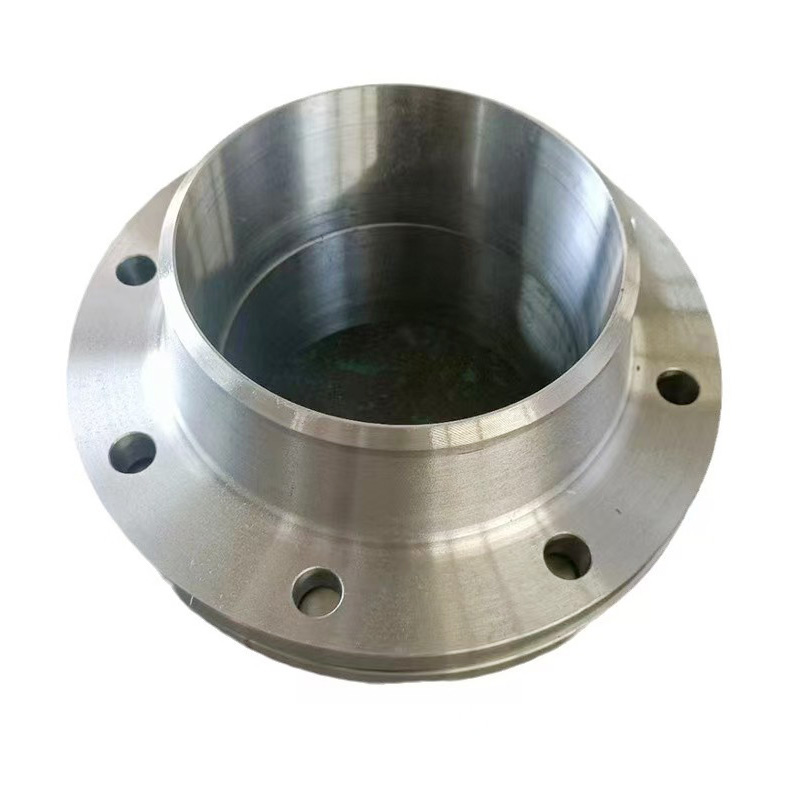
AWeld Neck Flange (WN Flange)is a type of piping flange designed to be welded to a pipe or ...
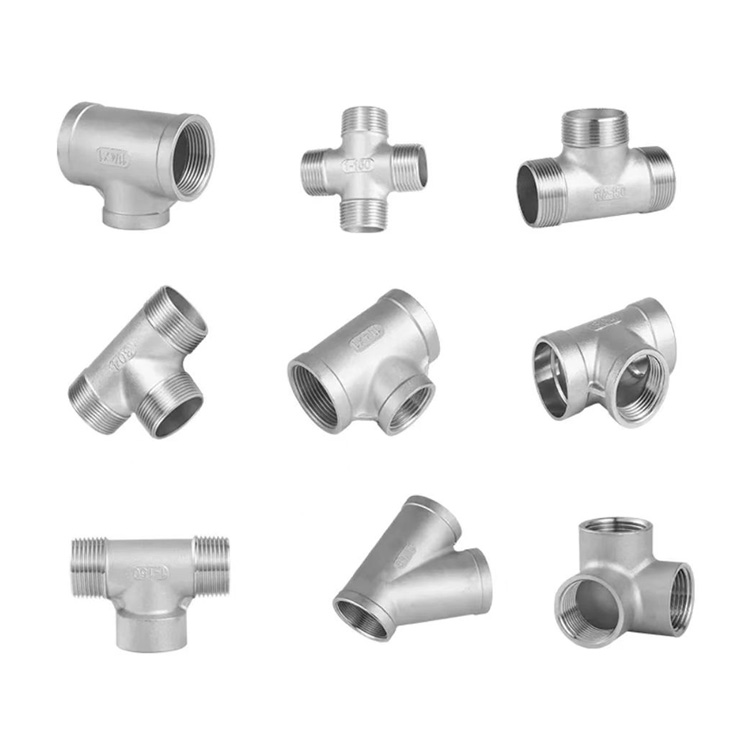
Socket fittings are essential components in piping systems, designed to connect, branch, or...
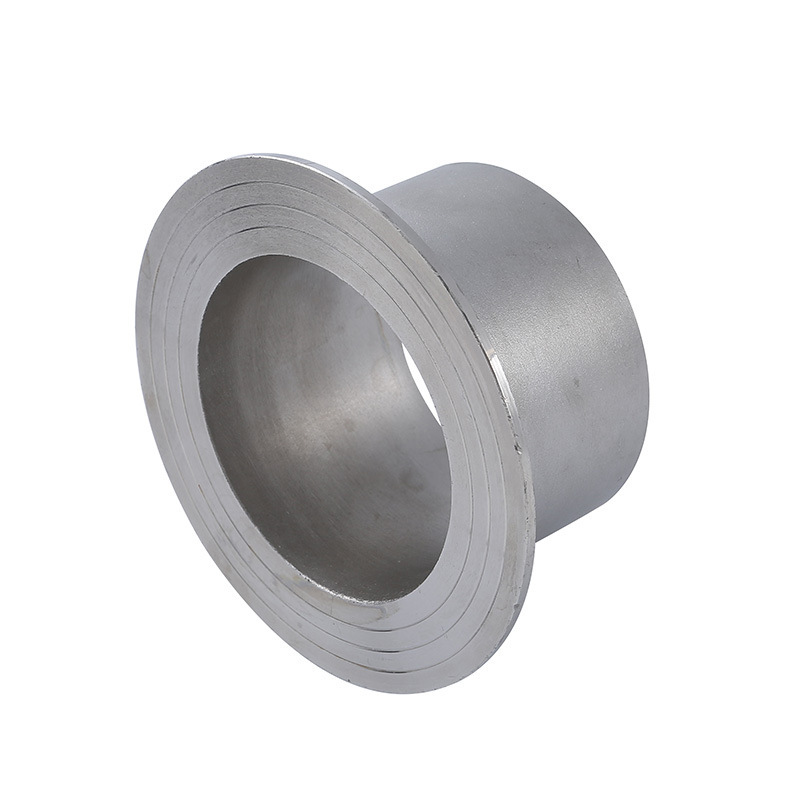
Welding ring is a commonly used metal ring component in pipeline connection or equipment do...
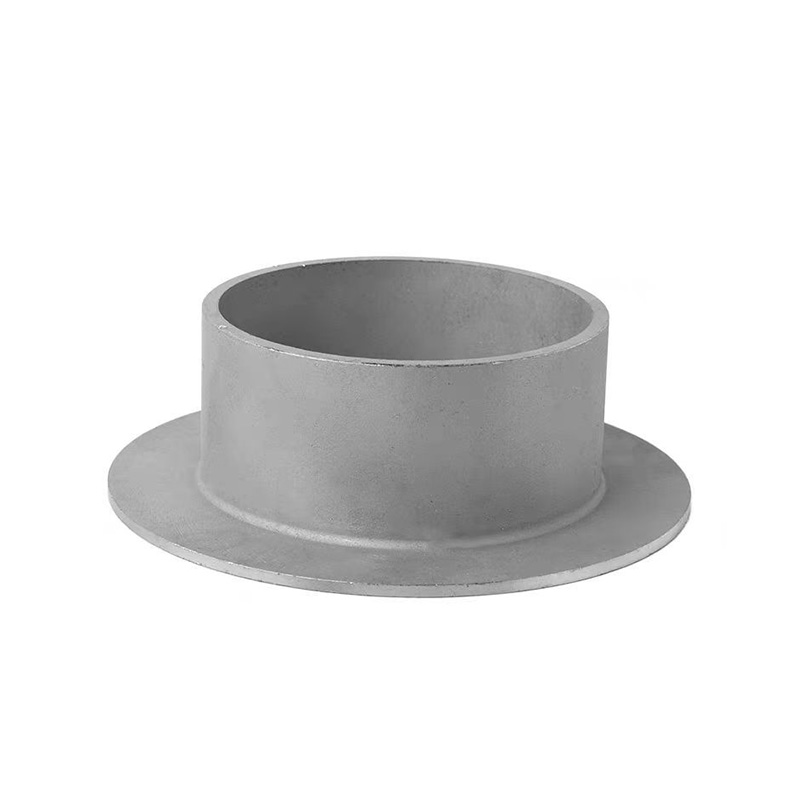
Welding ring is a pipe fitting used for pipeline connection. The following is its detailed ...