Stainless Steel Flange for Piping Systems: Types, Standards, and Industrial Applications
2026-05-05 17:28:42
Stainless steel flanges are among the most critical components in modern piping systems, offering a dependable method to connect pipes, valves, pumps, and other equipment while safeguarding system integrity under fluctuating pressure and temperature conditions. Owing to their outstanding corrosion resistance, mechanical strength, and extended service life, stainless steel flanges are extensively utilized in industries such as oil and gas, chemical processing, power generation, shipbuilding, and water treatment. This article presents an overview of the main types of stainless steel flanges, common international standards, and their key applications in industrial settings.
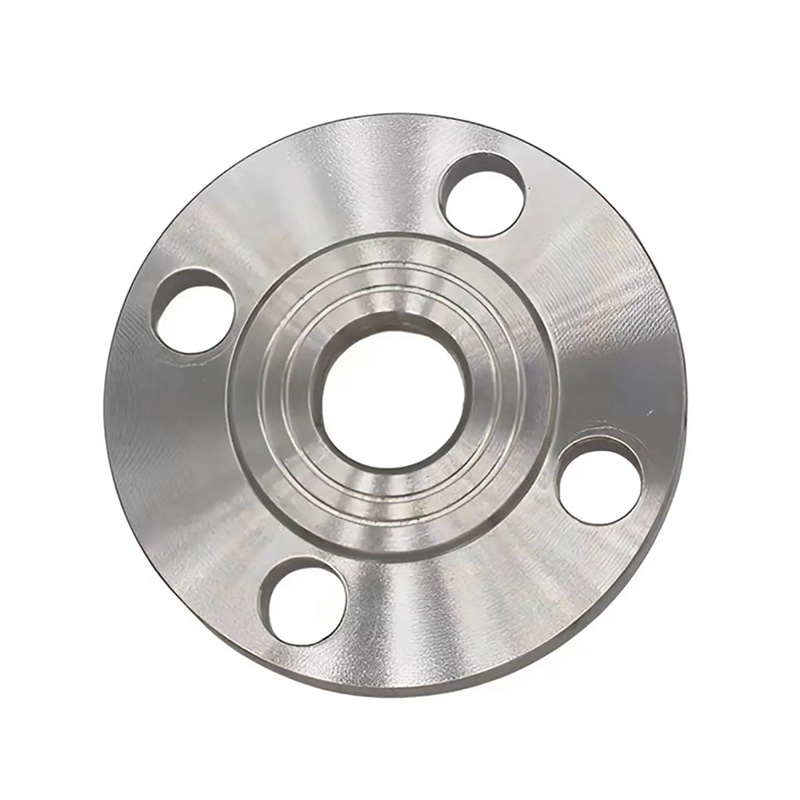
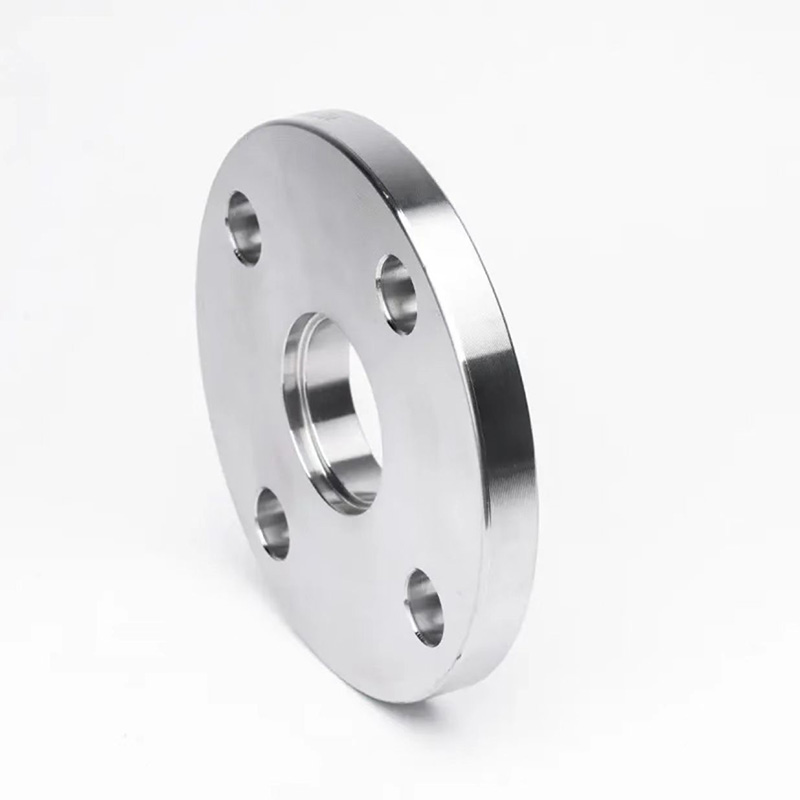
1. What Is a Stainless Steel Flange?
A stainless steel flange is a mechanical component designed to join two pipe sections or connect piping equipment. Typically, flanges are fastened together with bolts, with a gasket placed between them to form a tight, leak-proof seal. In comparison to welded connections, flanged joints offer greater ease of installation, disassembly, and maintenance, making them highly suitable for complex industrial systems.
2. Main Types of Stainless Steel Pipe Flanges
Different piping systems demand distinct flange designs, which are determined by factors such as pressure, temperature, and installation conditions. The most commonly used types are as follows:
2.1 Weld Neck Flange
Weld neck flanges are characterized by a long, tapered hub that is directly welded to the pipe. Advantages:
Superior stress distribution across the connection
Suitable for high-pressure and high-temperature operating systems
Robust and long-lasting connection performance
Applications:
Oil and gas transmission pipelines
Petrochemical processing plants
High-pressure steam systems
2.2 Slip-On Flange
Slip-on flanges are designed to slide over the pipe and are then welded both internally and externally to secure the connection. Advantages:
Simple alignment and straightforward installation
More cost-effective compared to other flange types
Suitable for low to medium pressure systems
Applications:
Water supply pipelines
HVAC (Heating, Ventilation, and Air Conditioning) systems
General industrial piping networks
2.3 Blind Flange
Blind flanges are solid discs used to seal the ends of pipelines, preventing fluid flow and providing access for maintenance. Advantages:
Exceptional sealing performance
Facilitates easy inspection and future system expansion
High resistance to pressure
Applications:
Pipeline termination points
Pressure testing of piping systems
Maintenance access points
2.4 Socket Weld Flange
Specifically designed for small-diameter pipelines, socket weld flanges allow the pipe to be inserted into a recessed socket before welding, ensuring a secure connection. Advantages:
Strong resistance to leakage
Smooth internal flow path, minimizing fluid resistance
Ideal for small-bore piping applications
Applications:
Chemical processing systems
Hydraulic systems
High-pressure small-diameter pipelines
2.5 Threaded Flange
Threaded flanges feature internal threads that allow them to be connected to pipes without the need for welding. Advantages:
No welding required during installation
Easy to install and disassemble
Suitable for low-pressure operating systems
Applications:
Gas distribution systems
Temporary piping setups
Low-pressure industrial pipelines
2.6 Lap Joint Flange
Lap joint flanges are used in conjunction with a stub end, allowing the flange to rotate freely around the pipe for easy alignment. Advantages:
Simplified bolt hole alignment
Cost-effective for corrosion-resistant piping systems
Suitable for systems requiring frequent disassembly
Applications:
Food and beverage industry
Chemical processing plants
Corrosive operating environments
3. Common Stainless Steel Flange Standards
To ensure compatibility, safety, and interchangeability, stainless steel flanges are manufactured in accordance with international standards.
3.1 ANSI/ASME Standards
ASME B16.5: Covers flanges with sizes ranging from 1/2" to 24"
ASME B16.47: Covers large-diameter flanges
These standards are widely adopted in North America and global industrial projects.
3.2 DIN Standards
German industrial standards known for precise engineering
Commonly used in European industrial systems
Strict tolerance requirements ensure high quality
3.3 EN Standards
European Norm (EN 1092-1) for flanges
Widely used across EU member states
Ensures interchangeability and compliance with safety regulations
3.4 JIS Standards
Japanese Industrial Standards
Common in Asia-Pacific industrial systems
Frequently used in marine and chemical industries
4. Stainless Steel Materials Used in Flanges
The performance and durability of a flange are largely determined by the grade of stainless steel used in its manufacture.
4.1 SS304
A general-purpose stainless steel grade
Offers good corrosion resistance
Suitable for water and mild chemical environments
4.2 SS316 / SS316L
Enhanced corrosion resistance due to the addition of molybdenum
Ideal for marine, chemical, and offshore environments
Widely used in harsh operating conditions
4.3 Duplex Stainless Steel
Higher mechanical strength than standard stainless steel grades
Excellent resistance to chloride stress corrosion
Commonly used in offshore oil and gas industries
5. Industrial Applications of Stainless Steel Flanges
Thanks to their reliability and durability, stainless steel flanges find applications in a wide range of industries.
5.1 Oil and Gas Industry
They are used in pipelines, refineries, and offshore platforms, where high pressure and corrosive environments are prevalent.
5.2 Chemical Processing
Stainless steel flanges resist aggressive chemicals and acids, ensuring the safe transport of hazardous fluids.
5.3 Power Generation
They are applied in steam systems, cooling systems, and boiler piping within power plants.
5.4 Water Treatment Systems
Used in desalination plants, wastewater treatment facilities, and freshwater distribution networks.
5.5 Food and Pharmaceutical Industry
Stainless steel’s hygienic properties prevent contamination, making it suitable for these industries.
6. How to Choose the Right Stainless Steel Flange
When selecting a flange for a specific piping system, the following factors should be taken into consideration:
Pressure and temperature rating of the system
Pipe size and wall thickness
Type of fluid being transported
Corrosion resistance requirements
Installation and maintenance conditions
Applicable international standards
Proper selection ensures long-term system safety, operational efficiency, and reduced maintenance costs.
Conclusion
Stainless steel flanges are essential components in industrial piping systems, providing secure, flexible, and durable connections. A clear understanding of the different flange types, international standards, and material options enables engineers to design reliable piping systems for a wide range of industrial applications. Whether employed in oil refineries, chemical plants, water treatment facilities, or other industrial settings, stainless steel flanges remain a fundamental solution for the safe and efficient transport of fluids.
References
GB/T 7714: Cracking Mechanism Analysis of S30408 Stainless Steel Flanges in Industrial Piping Systems. Journal of Mechanical Engineering Science
MLA:Design and Application of Weld Neck Flanges in High-Pressure and High-Temperature Oil and Gas Pipelines. International Journal of Pressure Vessels and Piping
APA:Selection Criteria for Stainless Steel Flanges in Chemical and Pharmaceutical Industries. Journal of Industrial and Engineering Chemistry
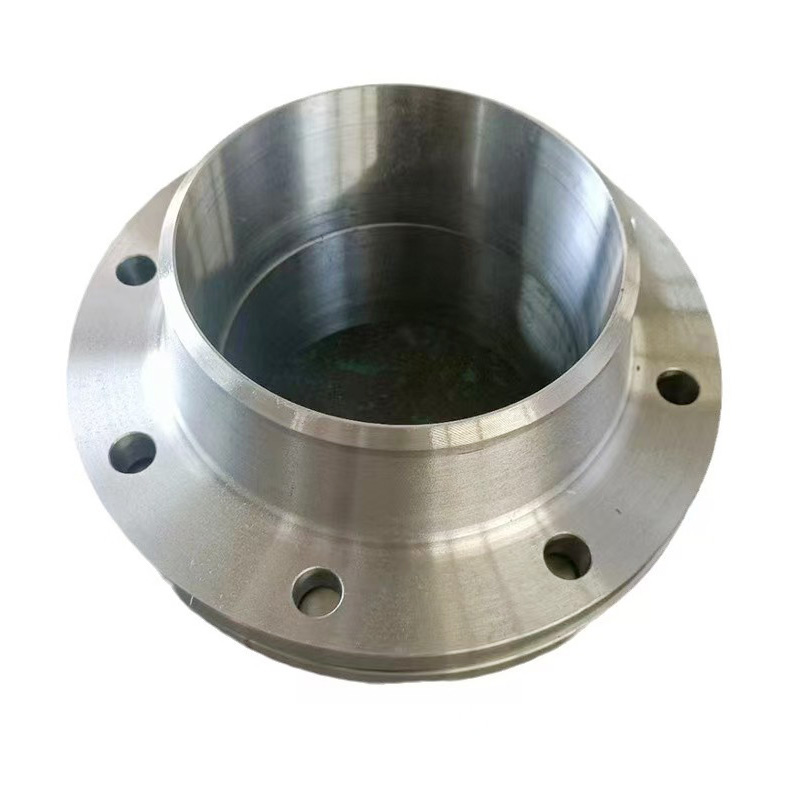
AWeld Neck Flange (WN Flange)is a type of piping flange designed to be welded to a pipe or ...
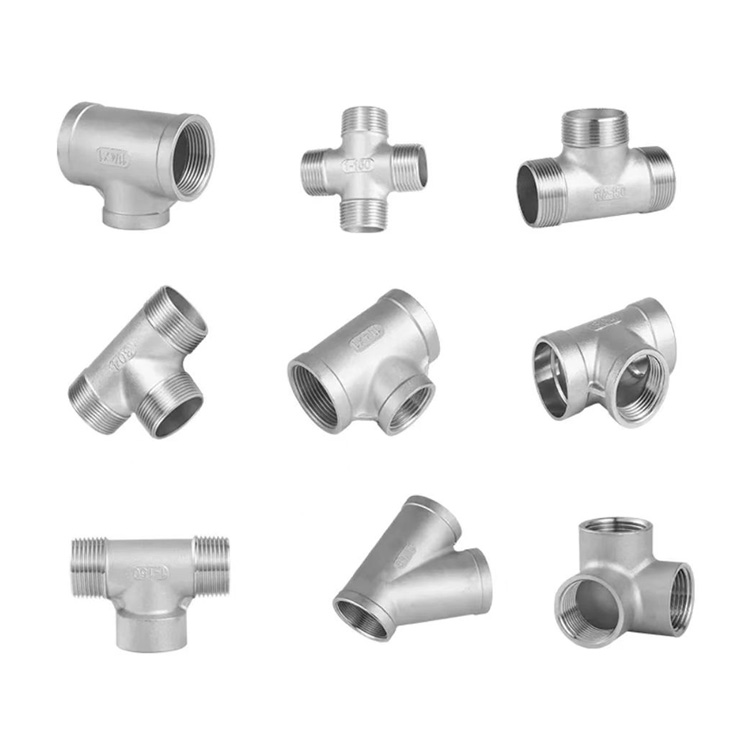
Socket fittings are essential components in piping systems, designed to connect, branch, or...
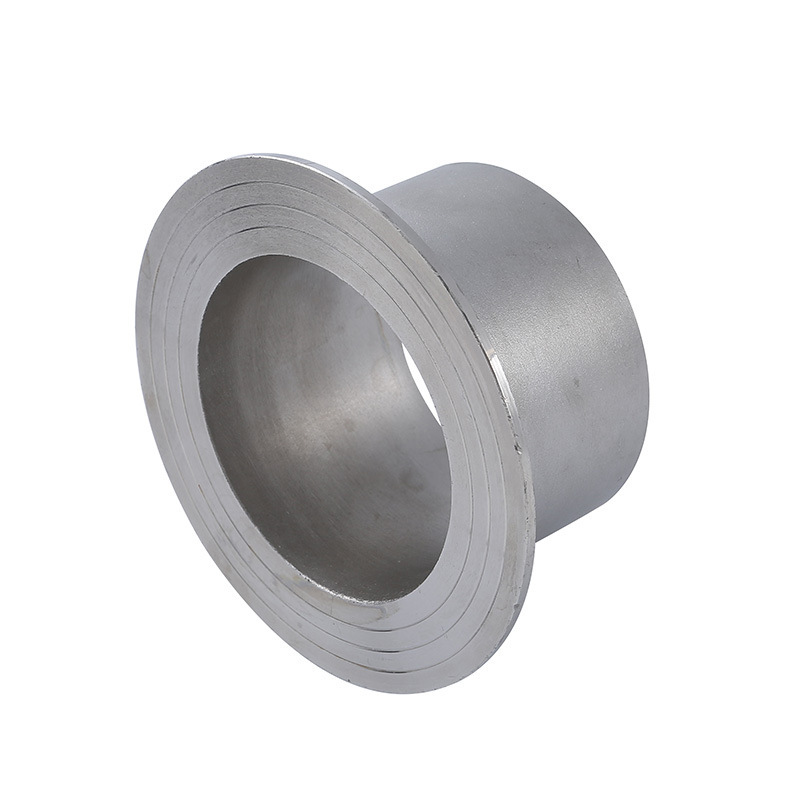
Welding ring is a commonly used metal ring component in pipeline connection or equipment do...
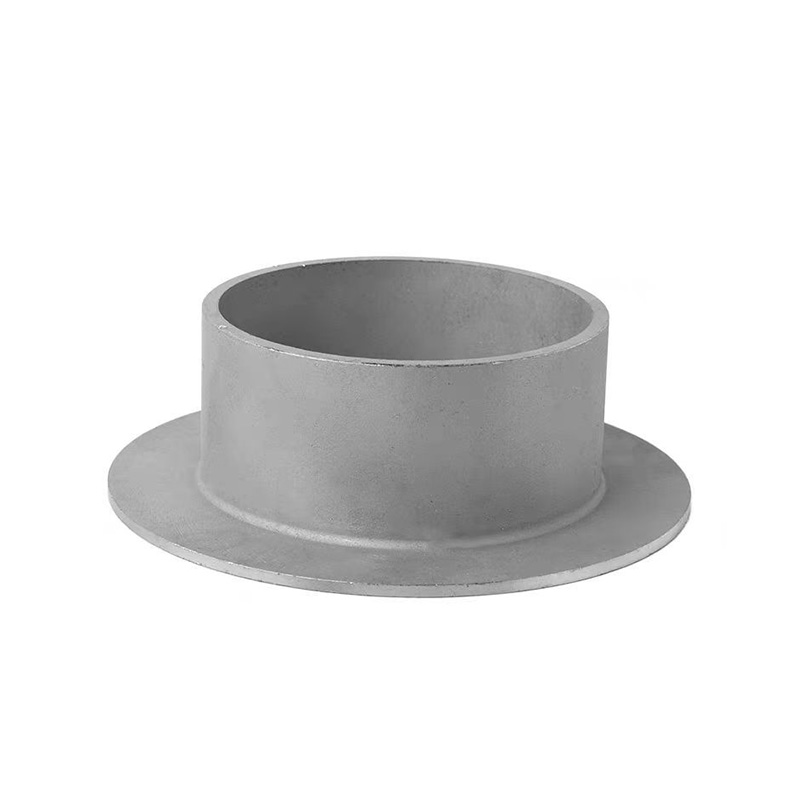
Welding ring is a pipe fitting used for pipeline connection. The following is its detailed ...