Where Pipe Fittings Are Used: Industry Applications and Requirements
2026-08-30 17:20:58
Pipe fittings are unsung components. In most plants and facilities, they stay hidden inside trenches, behind insulation, and underground — until something goes wrong. Yet the global infrastructure of energy, water, medicine, and manufacturing depends on them absolutely. Understanding where and how fittings are used helps buyers make smarter procurement decisions.
This article surveys the major industries that consume pipe fittings, the specific demands each places on materials and manufacturing quality, and what buyers in each sector need from their suppliers.
Oil and Gas Exploration and Production
The oil and gas industry is among the largest consumers of industrial pipe fittings. From upstream extraction to downstream refining, every barrel of oil and cubic meter of natural gas travels through miles of piping connected by fittings.
Key requirements:
High pressure ratings — Wellhead piping and processing equipment operate at thousands of psi
Corrosion resistance — Sour gas (H2S) and produced water (chloride-rich) attack carbon steel
API and NACE compliance — Materials must meet NACE MR0175 for sour service
Full traceability — Mill certificates, heat treatment records, and NDT reports required for every component
Large diameter capability — Transmission pipelines commonly use NPS 20 to NPS 48 fittings
Oil and gas projects typically require fittings to comply with API 5L for line pipe and either ASME B16.9 or API 601 for fittings. A qualified supplier must have documented quality management systems (ISO 9001 minimum) and the ability to produce or source materials tested for sour service conditions.
Refining and Petrochemical Processing
Oil refineries and petrochemical plants process crude oil into fuels, chemicals, and plastics through a network of heating, distillation, and reaction processes. The piping systems inside a refinery represent one of the most demanding environments for pipe fittings.
Key requirements:
Temperature extremes — From cryogenic LPG processing (-162°C) to high-temperature catalytic cracking (500°C+)
Aggressive chemicals — Acids, caustics, chlorides, and hydrogen sulfide require carefully matched materials
Thermal cycling — Repeated heating and cooling demands fittings that maintain integrity under fatigue conditions
Code compliance — Refinery piping typically falls under ASME B31.3 Process Piping, which has stringent design requirements
Ex-stock availability — Turnaround maintenance requires rapid access to standard fittings
Refinery buyers typically qualify suppliers through a rigorous vendor approval process, reviewing quality manuals, inspection and test plans, and past performance records before awarding contracts.
Power Generation
Power plants — whether coal, gas, nuclear, or renewable — all depend on steam and water piping systems that connect boilers, turbines, condensers, and auxiliary equipment. The fittings in these systems operate under some of the most demanding temperature and pressure conditions in all of industry.
Key requirements:
High temperature and pressure — Main steam lines in coal and gas plants operate at 540°C+ and 1500+ psi
Creep resistance — Long-term exposure to high temperatures causes gradual deformation (creep) in lesser materials
Alloy steel requirements — Chrome-molybdenum steels (P11, P22, P91, P92) are standard for superheater and reheater piping
Code compliance — Power plant piping is governed by ASME B31.1 Power Piping
Documentation for licensing — Nuclear plant components require extraordinary documentation and testing
Power plant procurement typically involves detailed technical specifications written by the plant engineering team or their consultants. Suppliers must demonstrate experience with the specific material grades and heat treatment processes required.
Chemical Processing
Chemical plants produce everything from fertilizers and plastics to pharmaceuticals and semiconductors. Each product stream has its own corrosive profile, temperature requirements, and purity standards that drive fitting selection.
Key requirements:
Material compatibility — Every fluid in the plant must be matched to a fitting material that will not corrode, scale, or contaminate the process
Sanitary design — Food, pharmaceutical, and biotech plants require fittings with smooth internal surfaces and CIP (clean-in-place) capability
Purity standards — Semiconductor and pharmaceutical processes demand ultra-pure water and chemical systems with zero particulate shedding
Special alloys — Hastelloy, Inconel, titanium, and specialty stainless grades are common in chemical service
Leak detection — Double-walled piping and fittings with leak detection ports are specified for toxic chemical service
Shipbuilding and Marine
Ships are floating processing plants with dozens of distinct piping systems: ballast water, fuel oil, firefighting, freshwater generation, and sewage treatment, to name just a few. Ship classification societies — DNV, ABS, Lloyd's Register, BV — set the standards for fittings used in marine service.
Key requirements:
Classification society approval — Fittings must be type-approved by the relevant classification society
Compact and lightweight — Ship space and weight are at a premium; fittings must deliver maximum performance per kilogram
Marine environment resistance — Salt air and seawater spray demand excellent corrosion resistance
Fire safety — Fire main and sprinkler systems must use fittings certified for fire-safe performance
Ballast water treatment — New IMO regulations drive demand for fittings compatible with ballast water management systems
A supplier serving the shipbuilding industry needs type approval certificates and experience working with shipyards on newbuild and retrofit projects.
Water and Wastewater Treatment
Clean water distribution and wastewater collection are essential infrastructure in every city and town. The fittings in these systems must be durable, cost-effective, and compatible with the chemistry of the local water supply.
Key requirements:
Corrosion resistance — Treated wastewater contains chlorides and sulfuric compounds that attack carbon steel
Ductile iron and stainless steel — Common materials for water distribution fittings, with HDPE and PVC used in lower-pressure applications
Large diameter — Municipal water mains commonly range from NPS 4 to NPS 48
Standard compliance — AWWA (American Water Works Association) standards govern water utility fittings in North America
Cost efficiency — Municipal budgets drive demand for competitively priced, reliable fittings
Pharmaceutical and Food Processing
The pharmaceutical and food industries have some of the most stringent requirements for piping components because contamination can harm patients and consumers directly.
Key requirements:
3-A Sanitary Standards — Define design criteria for fittings used in dairy, food, and beverage processing
FDA compliance — Materials must be FDA-approved for food and drug contact
Electropolished surfaces — Interior surfaces must be smooth enough to prevent bacterial adhesion and enable CIP cleaning
Material traceability — Full traceability from raw material to finished component is typically required
Documentation package — Material certificates, process records, and test reports for every component
Conclusion
Every industry demands something different from its pipe fittings, but all share one common requirement: reliability. A fitting failure in a refinery, a power plant, or a municipal water main creates downtime, safety risks, and remediation costs that far exceed the original purchase price.
The best approach to sourcing is to understand your industry's specific requirements, specify clearly, and work with manufacturers who have demonstrable experience in your sector. Documentation, traceability, and quality management systems are not optional extras — they are the proof that every fitting in your system was made right.
References
References:
ASME B31.3-2022, Process Piping, The American Society of Mechanical Engineers
ASME B31.1-2022, Power Piping, The American Society of Mechanical Engineers
API 5L-2018, Specification for Line Pipe, American Petroleum Institute
NACE MR0175 / ISO 15156, Materials for Use in H2S-Containing
Environments in Oil and Gas Production, National Association of
Corrosion Engineers
AWWA C110 / C115, Ductile-Iron and Gray-Iron Fittings, American Water Works Association
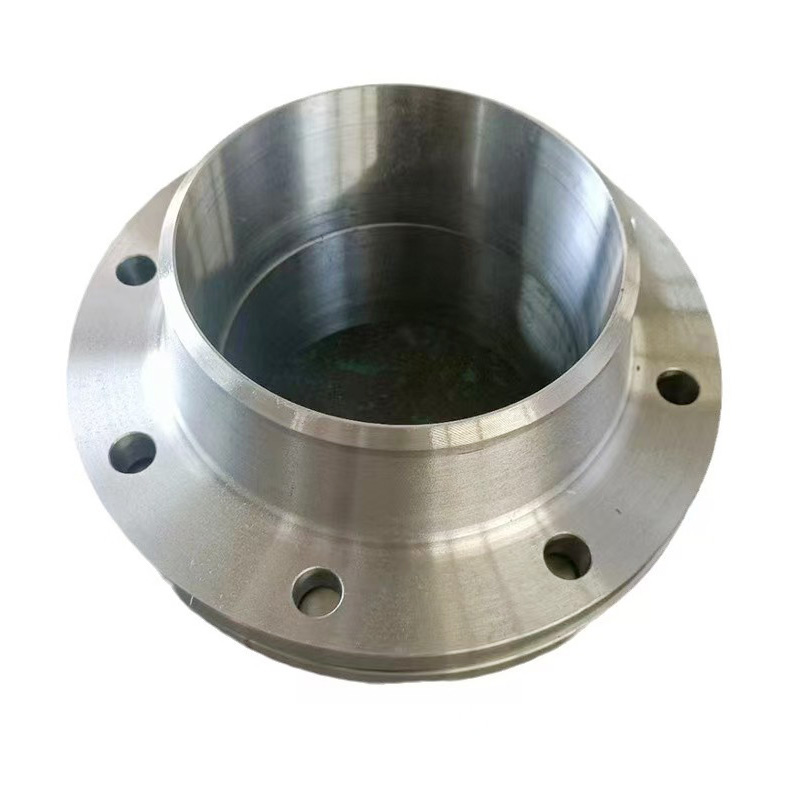
AWeld Neck Flange (WN Flange)is a type of piping flange designed to be welded to a pipe or ...
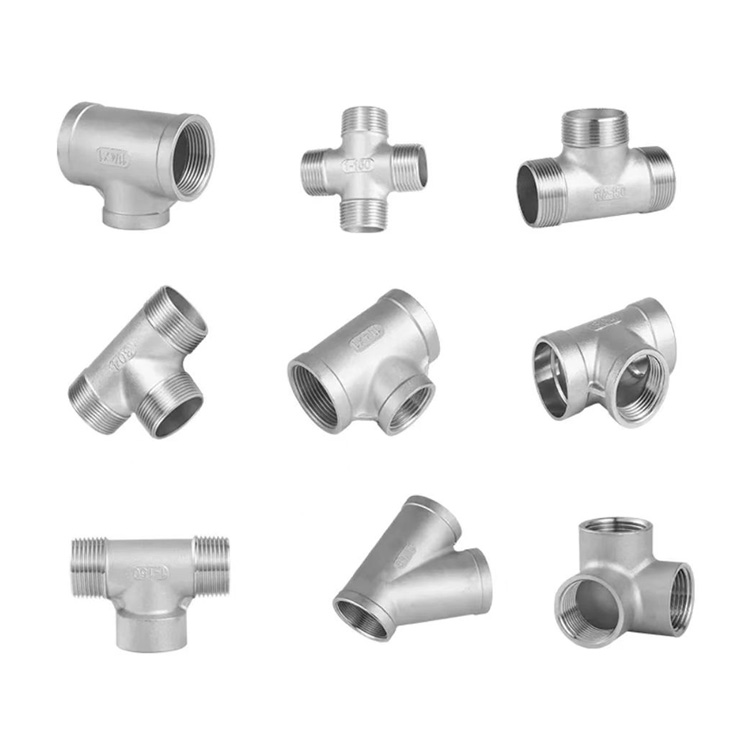
Socket fittings are essential components in piping systems, designed to connect, branch, or...
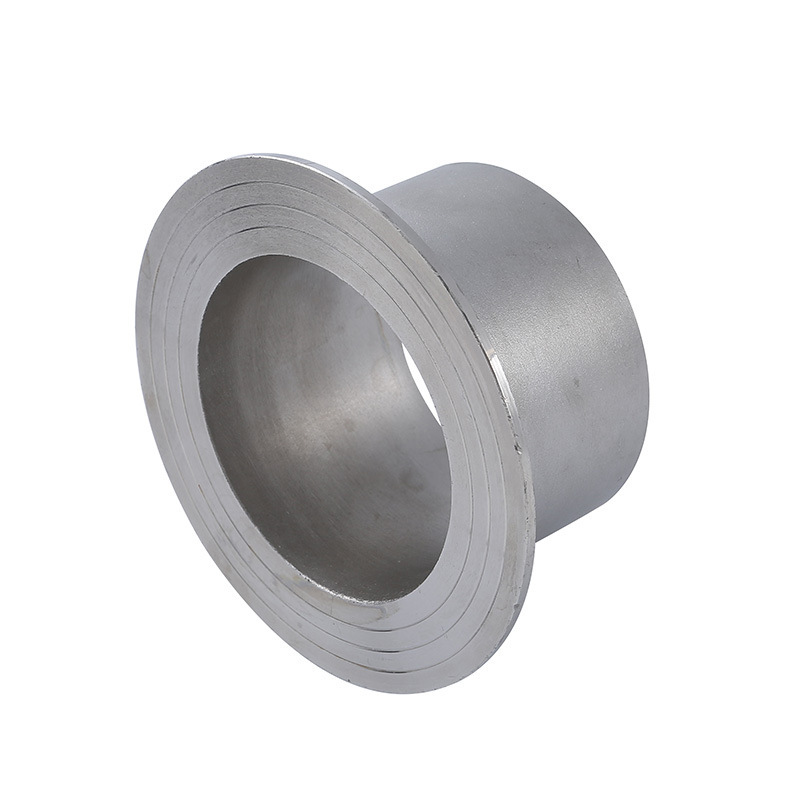
Welding ring is a commonly used metal ring component in pipeline connection or equipment do...
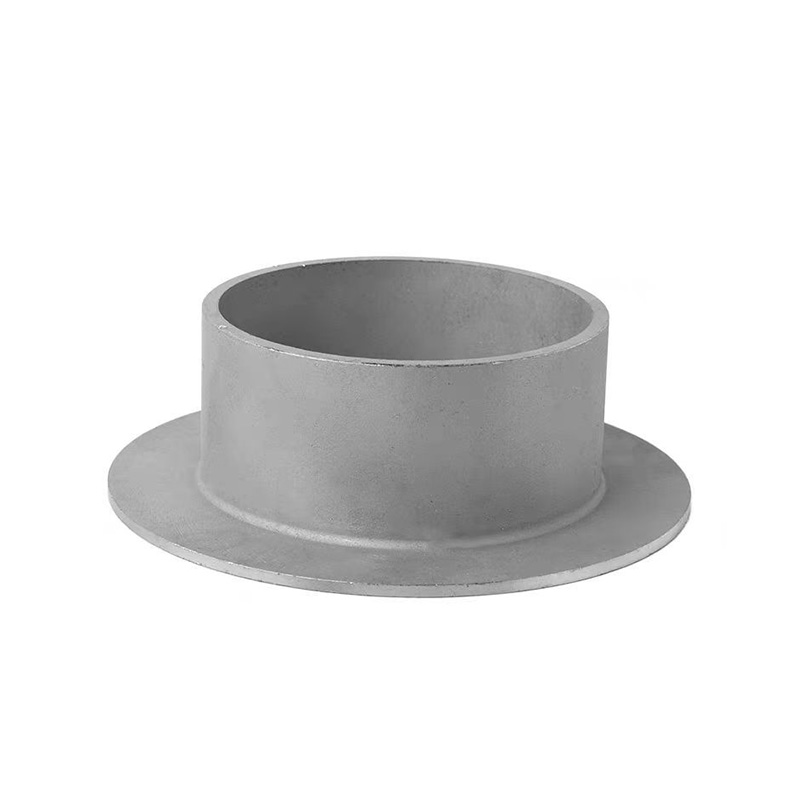
Welding ring is a pipe fitting used for pipeline connection. The following is its detailed ...