Seamless Welded Elbow Installation and Maintenance Tips for Long Service Life
2026-04-26 17:13:13
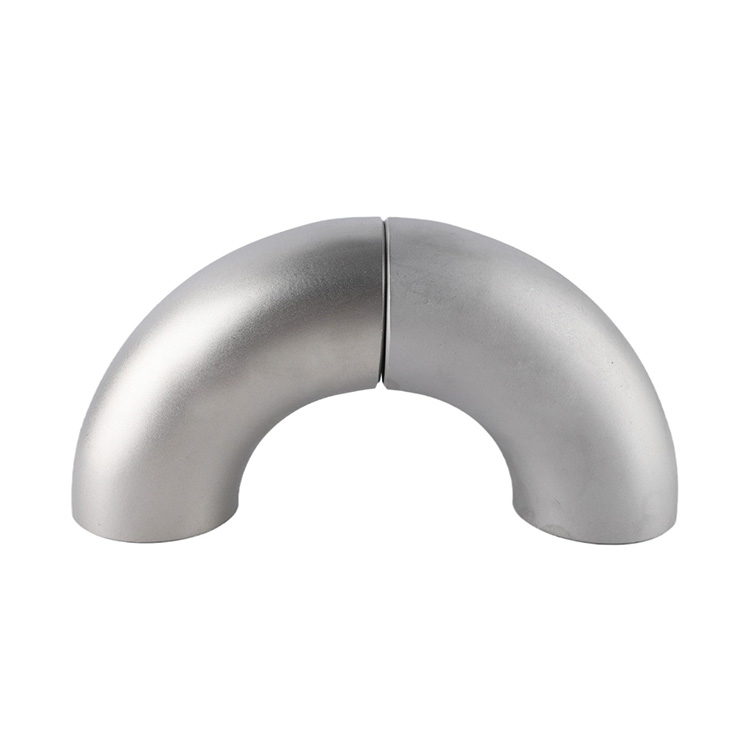
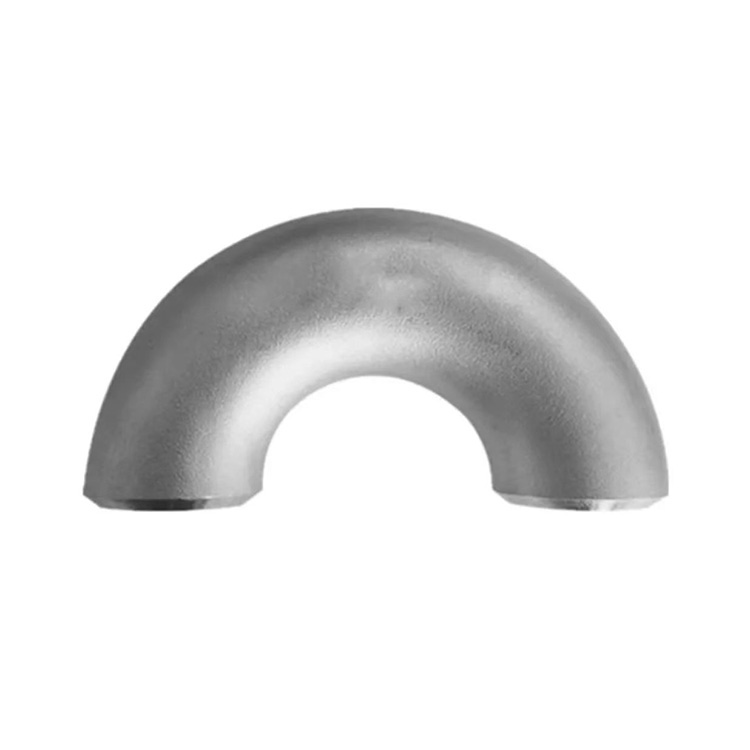
In industrial piping systems, seamless welded elbows play a vital role in changing fluid flow direction while preserving the system’s strength and structural integrity. Compared with other pipe fittings, seamless elbows offer enhanced pressure resistance, superior structural uniformity, and a longer service life—making them extensively used in the oil & gas, petrochemical, power generation, and chemical processing sectors. Nevertheless, even high-quality seamless welded elbows can fail ahead of schedule if their installation and maintenance are not handled properly. This article provides practical guidelines to help you achieve safe installation and prolong the service life of seamless welded elbows.
1. Understand the Advantages of Seamless Welded Elbows
Before starting the installation process, it is crucial to understand why seamless welded elbows are the preferred choice for critical industrial systems. Their key advantages are as follows:
No weld seam on the elbow body, which minimizes potential weak points
Higher structural strength and better pressure-bearing capacity
Enhanced corrosion resistance due to a uniform material structure
Superior performance under high-temperature and high-pressure operating conditions
A smooth internal surface that reduces fluid flow resistance
These characteristics make seamless welded elbows ideal for demanding industrial environments where operational reliability is a top priority.
2. Proper Handling Before Installation
Correct handling of seamless welded elbows before installation is essential to prevent hidden damage that could compromise their long-term performance. Key precautions to follow:
Avoid dropping or striking the elbow during transportation and handling
Store the elbows in a dry, clean environment to prevent contamination and rust formation
Keep the protective caps on both ends of the elbow until the installation process begins
Separate elbows made of different materials (such as carbon steel, stainless steel, and alloy steel) to avoid mix-ups during installation
Even minor surface damage can become a starting point for corrosion in harsh industrial operating conditions.
3. Ensure Accurate Alignment During Installation
Proper alignment between the elbow and the pipeline is critical for creating a stress-free piping system. Best practices for alignment:
Ensure the pipe ends and the seamless elbow are perfectly aligned before initiating the welding process
Avoid forced assembly or applying excessive mechanical stress to the elbow or pipeline
Use appropriate fixtures or supports to maintain the elbow’s position during alignment and welding
Check the fit-up gap in accordance with welding standards, typically following ASME B16.25 guidelines
Misalignment can lead to stress concentration, which significantly shortens the service life of the seamless welded elbow.
4. Follow Correct Welding Procedures
Welding quality directly determines the performance and reliability of seamless welded elbows in industrial piping systems. Important welding tips to adhere to:
Use qualified welders who hold appropriate professional certifications
Select the correct welding method (TIG, MIG, or SMAW) based on the elbow’s material
Preheat the material if required, especially for alloy steel elbows
Control the interpass temperature during multi-pass welding to ensure weld quality
Perform post-weld heat treatment (PWHT) when necessary to reduce residual stress
Proper welding ensures strong, durable joints and minimizes the risk of cracks or leaks in the long run.
5. Control Heat and Stress During Operation
Thermal and mechanical stress are major factors that cause seamless welded elbow failure in industrial piping systems. Measures to reduce stress:
Avoid rapid temperature fluctuations in the pipeline system
Install expansion joints in high-temperature piping systems to absorb thermal expansion
Provide proper pipe supports to reduce vibration and excessive load on the elbow
Prevent over-tightening of connected components, which can cause mechanical stress
A well-balanced system design helps reduce fatigue on seamless welded elbows and extend their service life.
6. Regular Inspection and Maintenance Practices
Routine inspection is essential to detect early signs of wear, damage, or potential failure in seamless welded elbows. Recommended inspection points:
Check for corrosion on both the outer and inner surfaces of the elbow
Look for weld cracks, discoloration, or other signs of damage
Monitor wall thickness reduction in high-wear areas of the elbow
Inspect for leakage at the welded joints
Check the impact of vibration on the elbow and connected pipelines
In critical industrial systems, non-destructive testing (NDT) methods such as ultrasonic testing or radiographic inspection are highly recommended to ensure early detection of hidden defects.
7. Corrosion Protection Measures
Corrosion is one of the most common causes of reduced service life for seamless welded elbows. Effective corrosion protection methods:
Apply anti-corrosion coatings to carbon steel elbows to prevent rust and corrosion
Use corrosion inhibitors in fluid systems when applicable to reduce internal corrosion
Select stainless steel or alloy steel elbows for aggressive or corrosive operating environments
Maintain proper drainage to avoid stagnant fluids, which can accelerate corrosion
Selecting the right material is the first step in corrosion prevention, but additional protection measures can significantly extend the elbow’s operational life.
8. Avoid Common Installation Mistakes
Many premature failures of seamless welded elbows are caused by simple installation errors. Common mistakes to avoid:
Improper alignment of the pipe and elbow before welding
Ignoring welding procedure specifications (WPS) during the welding process
Using mismatched pipe schedules or materials for the elbow and pipeline
Lack of proper supports, leading to stress concentration on the elbow
Skipping post-installation inspection to detect potential defects
Avoiding these mistakes can significantly improve the reliability and service life of the piping system.
9. Best Practices for Long Service Life
To maximize the lifespan of seamless welded elbows in industrial piping systems:
Choose high-quality materials that match the specific operating conditions of the system
Follow strict installation standards and welding procedures
Conduct periodic maintenance and inspection to detect issues early
Control the system’s pressure and temperature within the designed limits
Collaborate with experienced manufacturers and suppliers for quality products and professional guidance
A well-designed, properly installed, and regularly maintained piping system can operate safely and efficiently for many years without major issues.
Conclusion
Seamless welded elbows are essential components in modern industrial piping systems, but their performance and service life depend heavily on correct installation and ongoing maintenance. By following proper handling, welding, alignment, and inspection practices, you can significantly extend the elbow’s service life and ensure the safe, efficient operation of the entire piping system. Investing time and effort in proper installation and maintenance not only reduces downtime and repair costs but also improves the overall reliability and cost-efficiency of your industrial piping system.
References
GB/T 7714:Installation Quality Control of Seamless Welded Elbows in High-Pressure Piping Systems[J]. Journal of Pipeline Engineering
MLA: Welding Procedure Optimization for Seamless Welded Elbows: Ensuring Joint Strength and Durability[J]. Welding Technology
APA:Corrosion Protection Measures for Seamless Welded Elbows in Petrochemical Industry[J]. Industrial Corrosion Control
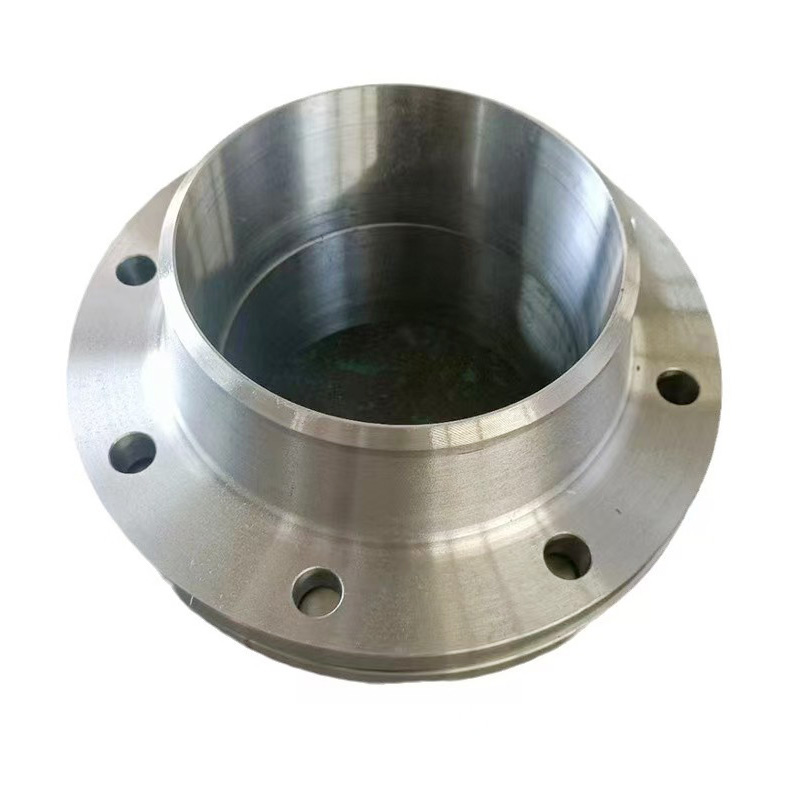
AWeld Neck Flange (WN Flange)is a type of piping flange designed to be welded to a pipe or ...
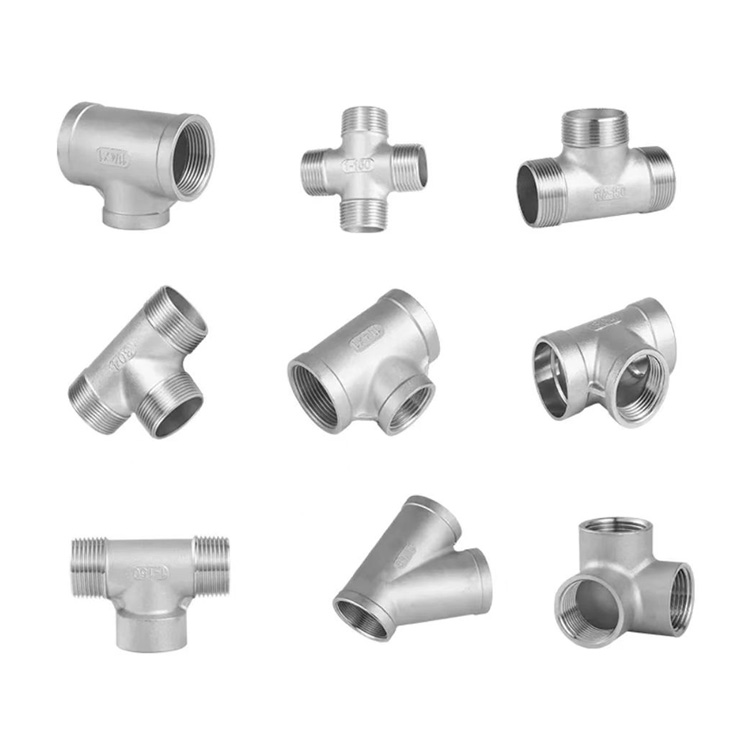
Socket fittings are essential components in piping systems, designed to connect, branch, or...
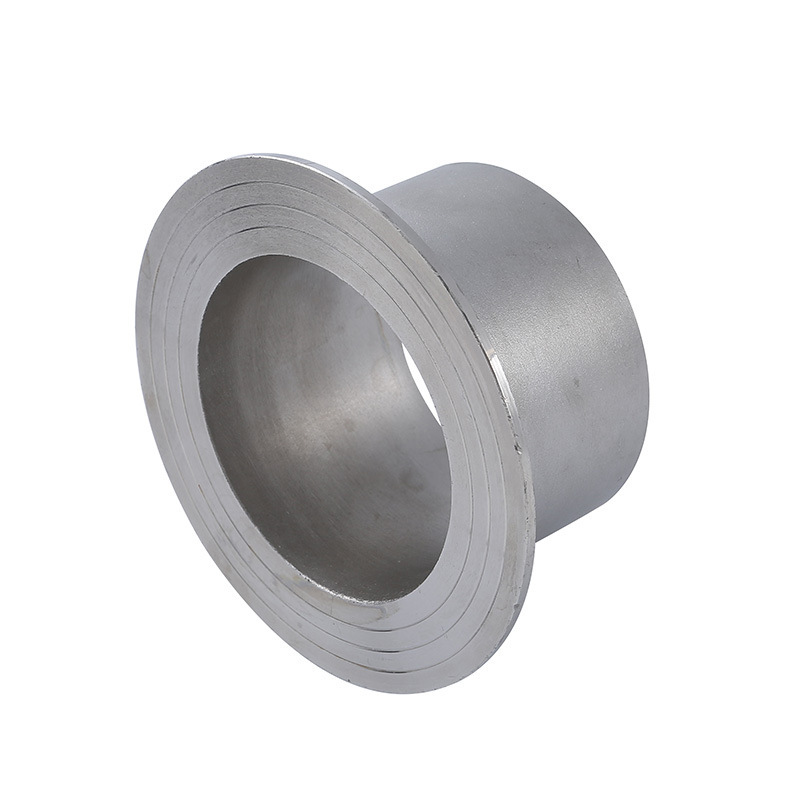
Welding ring is a commonly used metal ring component in pipeline connection or equipment do...
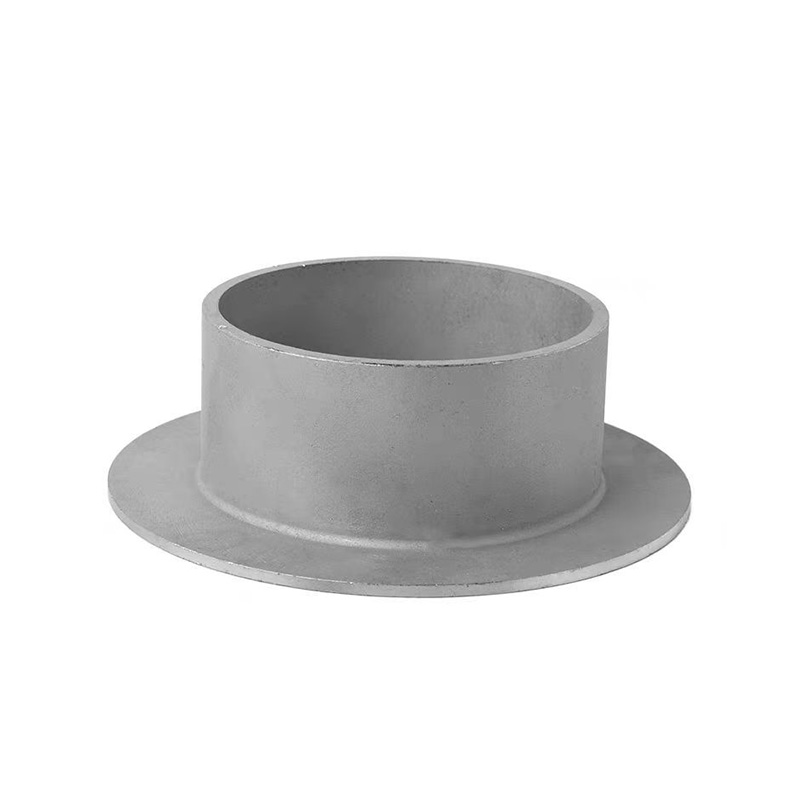
Welding ring is a pipe fitting used for pipeline connection. The following is its detailed ...