Stainless Steel Elbow Application Guide: Types, Specifications and Selection Criteria
2026-05-30 17:00:25
In the intricate world of industrial piping systems, the stainless steel elbow stands as one of the most fundamental components, enabling directional changes in fluid flow with precision and reliability. These curved fittings, manufactured to exacting standards in specialized factories across China's Hebei province and beyond, serve critical roles in petrochemical plants, food processing facilities, pharmaceutical manufacturing, and marine engineering projects. Understanding the nuanced differences between various elbow configurations can mean the difference between a piping system that operates flawlessly for decades and one that requires frequent maintenance interventions.
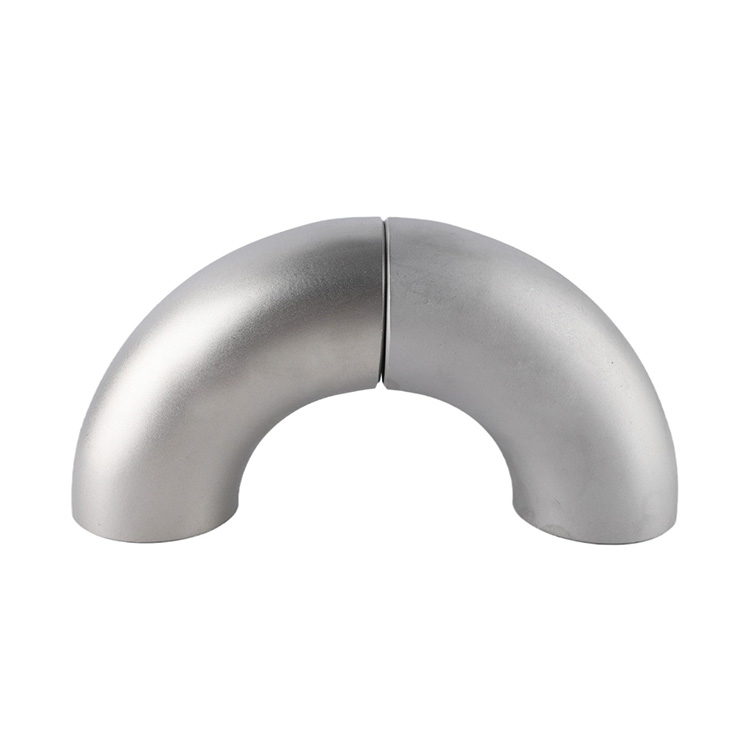
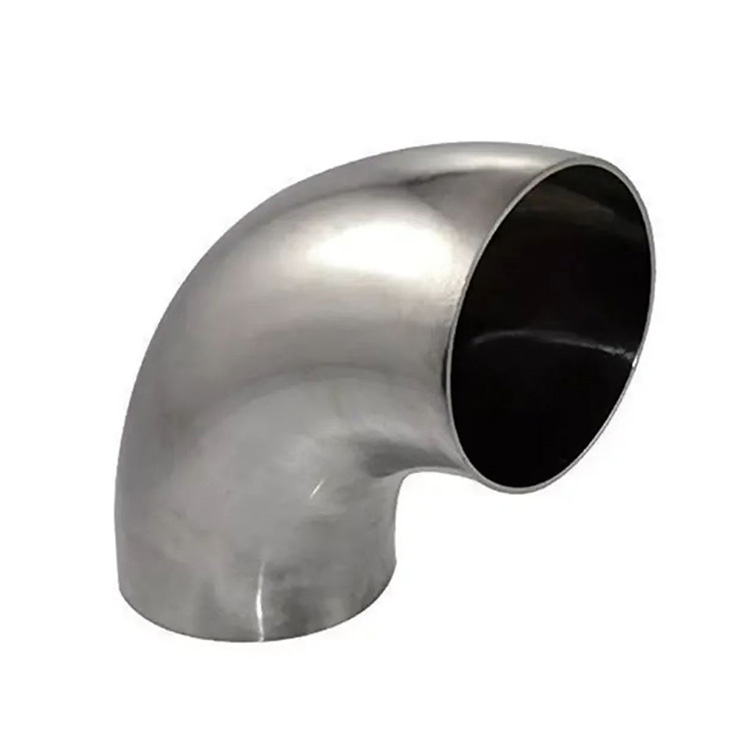
Understanding Elbow Geometry and Angle Configurations
The geometric design of a pipe elbow directly influences flow characteristics, pressure drop, and turbulence within the system. While 90-degree elbows represent the most commonly specified configuration in supply catalogs worldwide, 45-degree and 180-degree variations serve specialized applications where space constraints or flow dynamics dictate alternative approaches. Thecenter-to-face dimension, a critical measurement in elbow specification, varies significantly between standard weight and extra strong fittings, requiring careful verification against project specifications before placement in the supply chain.
Long radius (LR) elbows, characterized by a centerline radius equal to 1.5 times the nominal pipe diameter, provide gentler flow redirection compared to their short radius (SR) counterparts. This geometric advantage translates to reduced turbulence and lower pressure loss, making LR elbows the preferred choice for pump discharge lines and main process headers where energy efficiency matters. Conversely, short radius elbows, with their centerline radius equal to the pipe diameter, find application in tight spaces where compact routing takes precedence over hydraulic optimization.
Material Grade Selection for Corrosive Environments
Stainless steel elbows must withstand not only the mechanical stresses of pressurized flow but also the chemical challenges posed by process fluids. ASTM A403 WP304 and WP316 represent the workhorse grades in chemical processing, offering excellent general corrosion resistance at reasonable cost. However, in environments containing chlorides or other aggressive halides, upgrading to 317L or duplex stainless steels like 2205 becomes necessary to prevent pitting and stress corrosion cracking. The supplier's material test report should always accompany critical service elbows, documenting chemical composition, mechanical properties, and heat treatment history.
For elevated temperature applications exceeding 500°C, stabilized grades such as 321 or 347 prove essential, as their titanium or columbium additions prevent sensitization during welding and service. These considerations become particularly relevant in power generation and refinery applications, where thermal cycling subjects piping components to repeated stress distributions that can exploit material vulnerabilities. Manufacturers with extensive forging capabilities, like those operating in the Cangzhou industrial cluster, can provide custom material certifications and specialized heat treatments to meet project-specific requirements.
Manufacturing Processes: From Raw Material to Finished Product
The transformation of stainless steel plate or pipe into precision elbows involves several distinct manufacturing routes, each imparting different metallurgical characteristics to the final product. Hot induction bending, employing induction coils to locally heat the pipe before controlled forming around a mandrel, produces seamless elbows with excellent grain structure refinement in the bend region. This process, widely utilized in Chinese pipe fitting factories supplying international markets, allows for the production of large diameter elbows (up to 60 inches and beyond) that would be impractical to forge as monolithic pieces.
Alternative manufacturing methods include press bending, where hydraulic rams force the pipe against form dies, and mandrel bending, which maintains internal support during deformation to prevent wall thinning or collapse. The choice of manufacturing process influences not only the elbow's dimensional accuracy but also its resistance to various forms of degradation during service. Reputable suppliers maintain rigorous quality control throughout production, employing dimensional inspection, surface defect detection, and pressure testing to ensure compliance with applicable standards.
Welding Considerations and Post-Weld Treatment
Field installation of stainless steel elbows demands careful attention to welding procedures and post-weld treatments. The heat-affected zone adjacent to welds can experience sensitization if cooled too slowly through the 425-815°C temperature range, leading to chromium carbide precipitation at grain boundaries. This metallurgical phenomenon reduces corrosion resistance precisely where it matters most—at the joint between the elbow and adjacent piping. Solution annealing after welding, while not always practical for field-installed components, can restore corrosion resistance by redissolving precipitated carbides.
Alternatively, specifying low-carbon variants (L-grades such as 304L or 316L) mitigates sensitization concerns, as the reduced carbon content limits carbide formation even under suboptimal cooling conditions. Welding procedures should employ appropriate filler materials, typically overalloyed relative to the base metal to compensate for dilution effects and ensure adequate corrosion resistance in the as-welded condition. Experienced manufacturers can provide welding procedure specifications (WPS) and procedure qualification records (PQR) to guide field installation teams.
Inspection and Testing Protocols
Quality assurance for stainless steel elbows extends far beyond visual examination of surface finish. Radiographic testing (RT) or ultrasonic testing (UT) of weld seams, particularly for elbows incorporated into critical service lines, provides confidence that internal defects will not compromise system integrity. Liquid penetrant testing (PT) offers a cost-effective method for detecting surface-breaking discontinuities, while hydrostatic or pneumatic pressure testing validates the elbow's ability to contain design pressure.
Dimensionally, elbows must conform to the tolerances specified in ASME B16.9 or equivalent standards, with particular attention to out-of-roundness and wall thickness variation. Laser scanning and coordinate measuring machines have largely replaced manual gauging in modern pipe fitting factories, enabling rapid and accurate verification of complex geometries. When sourcing elbows for international projects, verifying that the supplier's quality management system holds ISO 9001 certification provides additional assurance of consistent product quality.
References
ASME B16.9 - Factory-Made Wrought Buttwelding Fittings
ASTM A403/A403M - Standard Specification for Wrought Austenitic Stainless Steel Piping Fittings
Manufacturing Process Documentation - Hebei Tianlong Pipeline Equipment Technical Archives
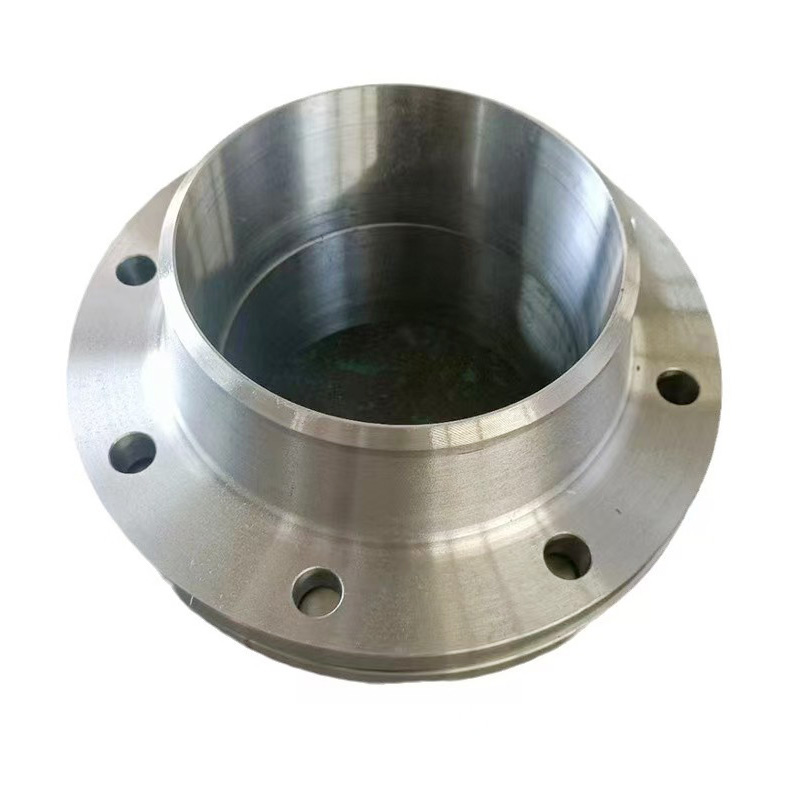
AWeld Neck Flange (WN Flange)is a type of piping flange designed to be welded to a pipe or ...
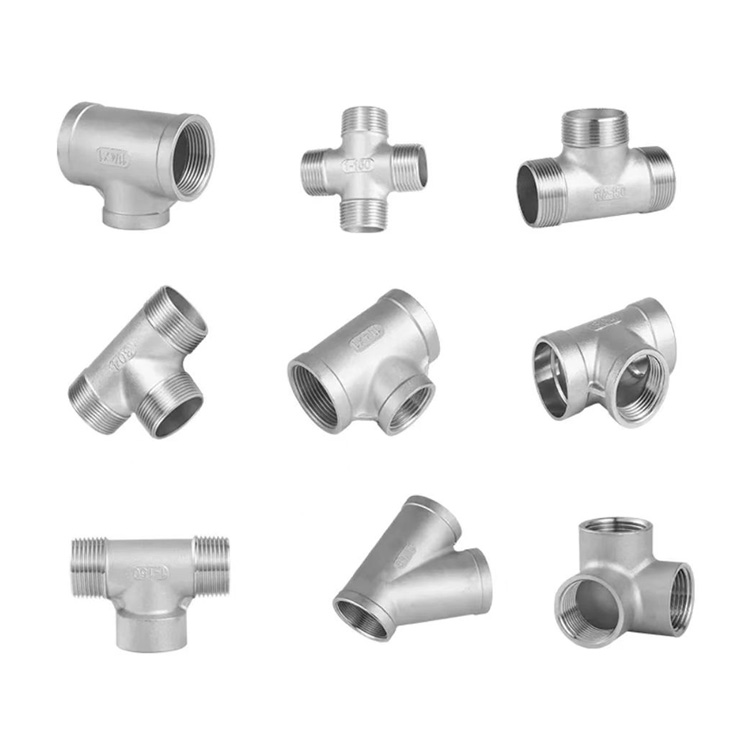
Socket fittings are essential components in piping systems, designed to connect, branch, or...
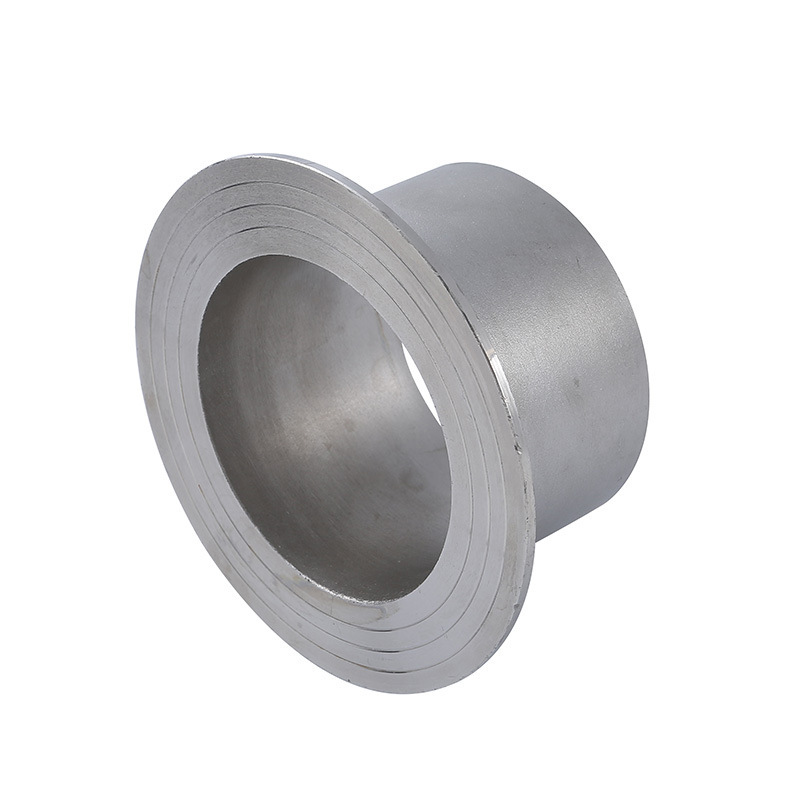
Welding ring is a commonly used metal ring component in pipeline connection or equipment do...
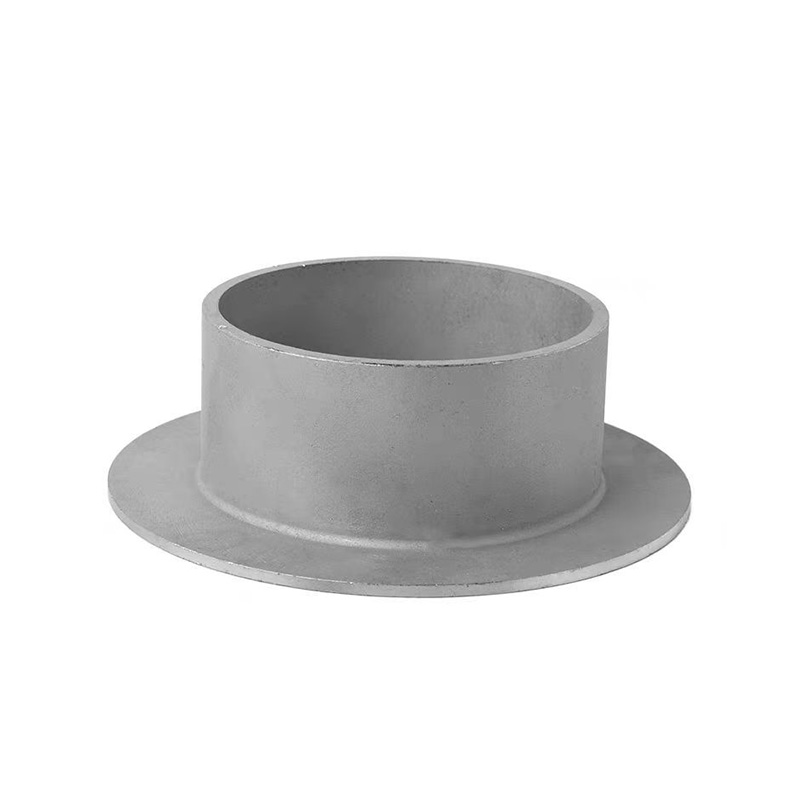
Welding ring is a pipe fitting used for pipeline connection. The following is its detailed ...