Steel Tee Design and Application: Equal, Reducing and Branch Connection Specifications
2026-06-02 17:45:26
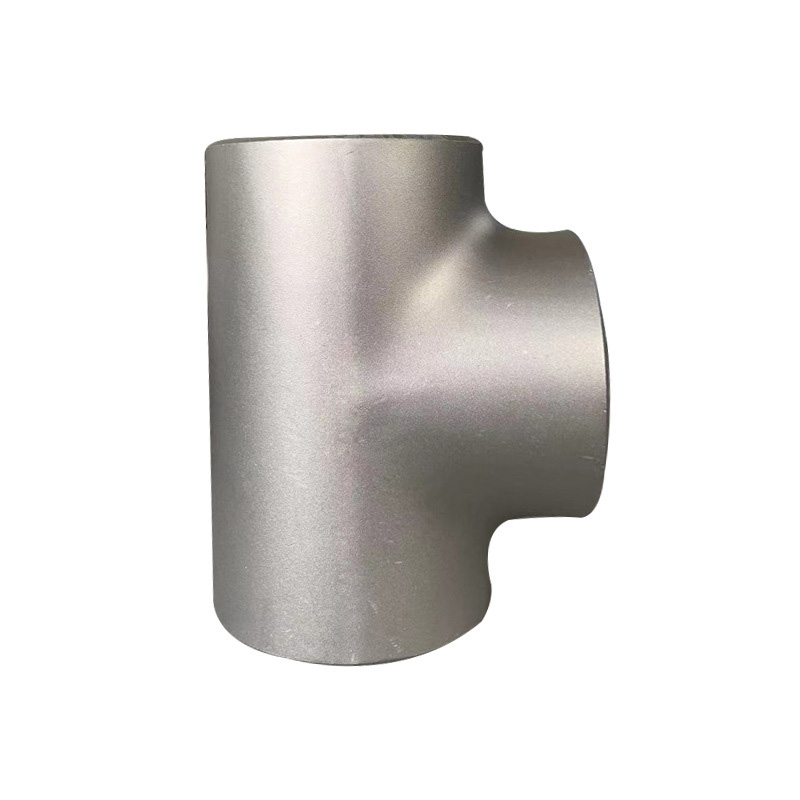
The steel tee fitting, configured in the shape of its alphabetical namesake, serves as the primary means of creating branch connections in piping systems. These T-shaped components, manufactured through seamless pipe extrusion, welding fabrication, or forged billet machining, enable fluid diversion or combination at pipeline intersections. Industrial facilities worldwide depend on tees for process distribution networks, utility stations, firewater systems, and chemical injection lines. Understanding the performance differences between equal tees, reducing tees, and specialized branch configurations enables engineers to optimize both capital expenditure and long-term operational reliability.
Equal Tee vs. Reducing Tee: Flow Dynamics and Selection Criteria
An equal tee features identical nominal diameters for the run (straight-through) and branch (outlet) connections, creating a symmetrical flow division when installed with proper orientation. This configuration suits applications where flow distribution occurs at comparable rates, such as dividing a main process line into two parallel branches of similar capacity. The head loss across an equal tee, while higher than that through straight pipe, remains predictable using standard K-factor methodologies documented in the Crane Technical Paper No. 410 and similar hydraulic references.
Reducing tees, conversely, incorporate a branch connection of smaller nominal diameter than the run pipes, necessitating careful consideration of flow velocities and pressure drops. The ASME B16.9 standard accommodates reducing tees with branch diameters as small as half the run diameter, though custom configurations can extend beyond these limits for specialized applications. When specifying reducing tees, engineers must evaluate not only the pressure drop but also potential erosion concerns if high-velocity branch flow exits into a larger run line where flow recirculation can occur. Reputable tee suppliers provide computational fluid dynamics (CFD) analysis upon request for critical applications where flow optimization justifies the additional engineering investment.
Manufacturing Routes: Seamless, Welded, and Forged Tees
The manufacturing method selected for tee production fundamentally influences both cost and performance characteristics. Seamless tees, extruded from single pieces of pipe or tube, offer superior structural integrity and are mandated for high-pressure services, sour service (NACE MR0175/ISO 15156 compliant), and cyclic loading applications. The extrusion process, employing hydraulic presses exceeding 2000 tons capacity in major Chinese pipe fitting factories, shapes the heated pipe blank while maintaining continuous grain flow across the branch junction—a critical metallurgical advantage over welded alternatives.
Welded tees, fabricated by cutting and welding pipe sections or plates, provide cost-effective solutions for lower-pressure applications and non-critical services. While modern welding techniques and post-weld heat treatment can produce welded tees of acceptable quality for many services, the weld seams represent potential initiation sites for corrosion or cracking. Forged tees, machined from solid billets, deliver the ultimate in mechanical properties and dimensional accuracy but at significantly higher cost, typically reserved for small-diameter, high-alloy, or safety-critical applications where fitting failure carries unacceptable consequences.
Reinforcement Requirements for Branch Connections
When a branch connection removes material from the run pipe, the remaining section must be evaluated for adequate pressure-retaining capability per ASME B31.3, ASME VIII Division 1, or other applicable codes. The area replacement method, universally employed for branch reinforcement calculations, requires that the reinforcement material area meets or exceeds the required area based on the branch opening size, run pipe thickness, and applicable stress intensification factors. Tees manufactured per ASME B16.9 incorporate inherent reinforcement through their thicker branch walls and optimized geometry, typically satisfying code requirements without additional reinforcement in standard services.
However, when tee configurations exceed standard dimensions or operate at elevated pressures, supplementary reinforcement may be necessary. This can take the form of explicitly added reinforcement pads, integrally reinforced forged tees, or full-encirclement saddles depending on the specific application. The engineering design must consider not only static pressure containment but also occasional loads such as seismic events, wind loading, and thermal expansion forces that create additional stresses at the branch junction. Experienced tee manufacturers maintain engineering departments capable of reviewing reinforcement calculations and recommending appropriate product configurations.
Material Compatibility and Corrosion Considerations
The tee fitting, positioned at a flow bifurcation point, often experiences complex flow patterns that influence corrosion mechanisms. Turbulence at the branch junction can accelerate erosion-corrosion in systems handling abrasive slurries or high-velocity fluids, necessitating material upgrades or enhanced wall thickness (typically 25-50% above standard schedule) at these locations. Stainless steel tees in chloride-containing environments require particular attention to pitting resistance equivalent (PREN) values, with PREN = %Cr + 3.3×%Mo + 16×%N serving as a guideline for material selection.
For carbon steel tees in atmospheric or buried service, external corrosion protection through coatings, wrappings, or cathodic protection systems becomes essential for achieving design service life. Internally, linings such as epoxy, cement mortar, or glass flake can extend tee service life in corrosive or abrasive services. When specifying lined tees, ensuring compatibility between the lining material and both the process fluid and any cleaning or pigging operations prevents premature lining failure. Reliable tee suppliers maintain inventories of common material grades and can source exotic alloys with reasonable lead times for projects with aggressive delivery schedules.
References
ASME B16.9 - Factory-Made Wrought Buttwelding Fittings
ASME B31.3 - Process Piping Code
Crane Technical Paper No. 410 - Flow of Fluids Through Valves, Fittings, and Pipe
MSS SP-75 - High-Strength Wrought Butt-Welding Fittings
NACE MR0175/ISO 15156 - Petroleum and natural gas industries materials for use in H2S-containing environments
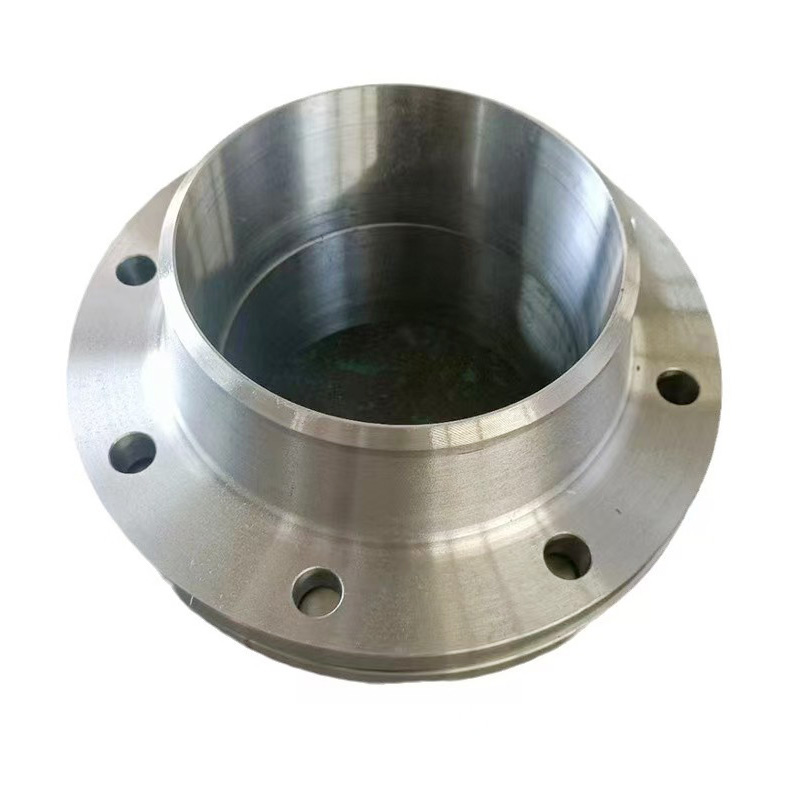
AWeld Neck Flange (WN Flange)is a type of piping flange designed to be welded to a pipe or ...
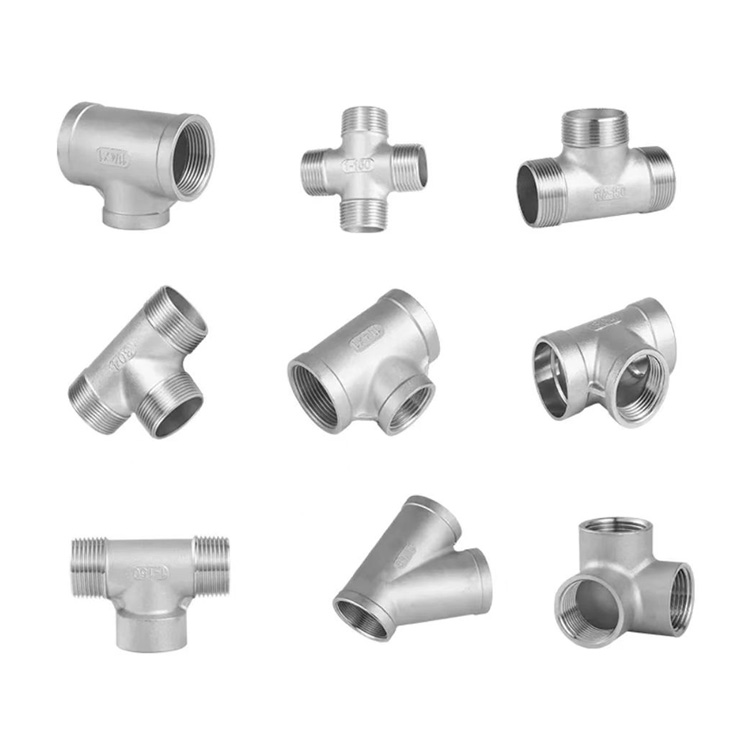
Socket fittings are essential components in piping systems, designed to connect, branch, or...
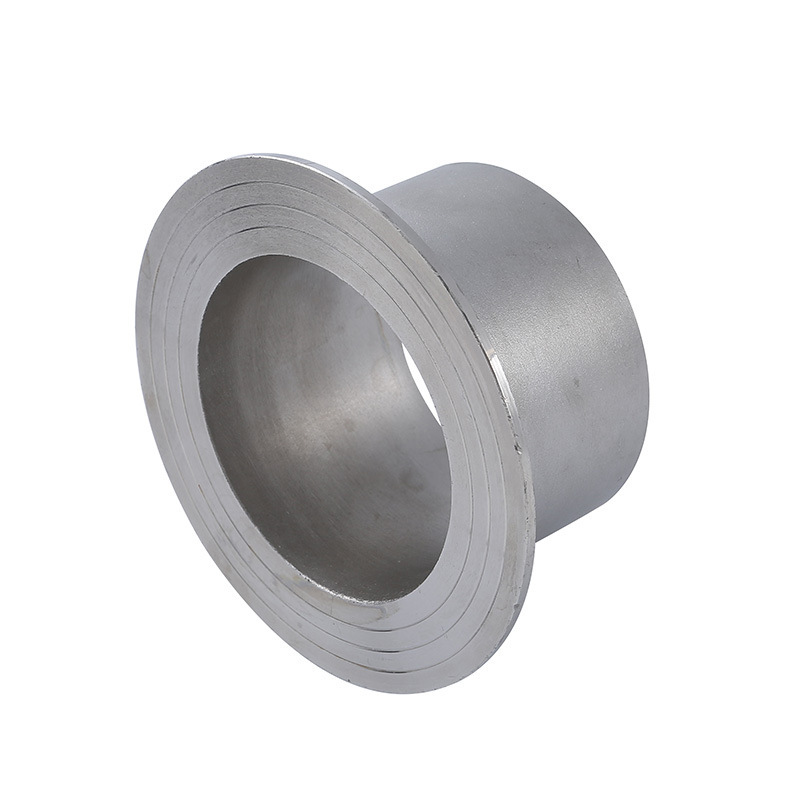
Welding ring is a commonly used metal ring component in pipeline connection or equipment do...
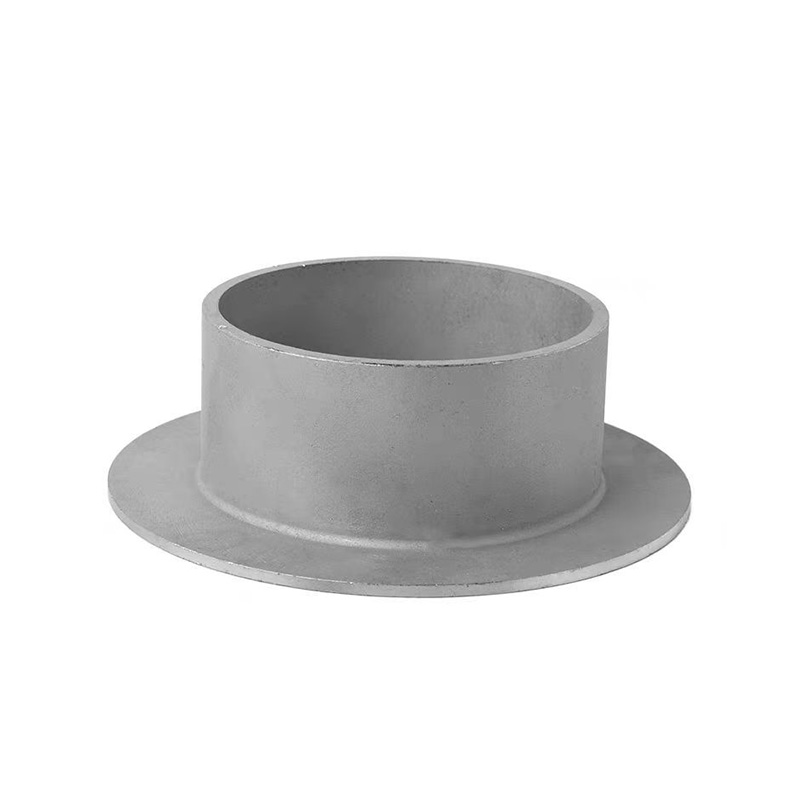
Welding ring is a pipe fitting used for pipeline connection. The following is its detailed ...