Industrial Pipe Fittings: Selection Guide for Engineers and Buyers
2026-08-21 15:45:54
Pipe fittings are among the most frequently ordered industrial components in the world. Every pipeline — whether it carries oil across a continent, steam to a turbine, or water to a city block — depends on fittings to change direction, vary diameter, and connect to equipment. Despite their ubiquity, selecting the right fitting for a specific application requires balancing multiple technical and commercial factors.
This guide brings together the key decision points into one practical reference, helping engineers and procurement professionals make confident fitting selections for any project.
The Five Key Questions Before Selecting Any Fitting
Before looking at specific fitting types, five foundational questions define the selection criteria for any fitting in any project:
1. What is the service fluid?
The chemical composition of the transported medium determines material
selection. A fitting that handles crude oil in a desert pipeline may
fail within weeks in a seawater desalination plant. Always consider not
just the primary fluid, but trace contaminants, entrained gases, and
potential chemical changes during shutdown and restart.
2. What are the pressure and temperature conditions?
Every fitting has a rated maximum pressure and temperature. These
ratings are not independent — elevated temperature reduces the pressure
rating of most materials. Always select fittings based on the maximum
expected pressure at the maximum expected temperature, not at ambient
conditions.
3. What standard applies to this project?
The governing design code (ASME B31.3, ASME B31.1, EN 13480, etc.)
specifies which fitting standards are acceptable. The project's material
specification further defines the required material grade, heat
treatment, and testing requirements. Never assume — always verify the
applicable standard.
4. What size and schedule are the connecting pipes?
The fitting must match the nominal pipe size and schedule of the piping
system it connects. A Schedule 40 elbow will not mate properly with a
Schedule 80 pipe if the bevel preparation and wall thickness are not
coordinated.
5. How critical is this fitting to system reliability?
Fittings in critical service — those whose failure would cause a plant
shutdown, safety incident, or environmental release — demand more
rigorous qualification than fittings in utility systems. Match your
supplier qualification intensity to the criticality of the service.
Elbows: Changing Direction
Elbows are the most common fitting in any piping system. They redirect flow at angles of 45, 90, or 180 degrees and are specified by the angle of turn and the radius of the bend.
Long-radius elbows (centerline radius = 1.5 times the NPS) are the standard for process piping because they cause less turbulence and pressure loss. Short-radius elbows (radius = 1.0 times the NPS) are used where layout space is extremely limited, accepting the higher pressure drop as the trade-off.
For very large radius bends — 3D, 5D, and 10D — the fitting is often fabricated by bending straight pipe rather than using a pre-made elbow fitting. Fabricated bends cost less for large sizes and allow any intermediate radius.
For carbon steel elbows, ASTM A234 WPB is the standard grade. For stainless steel, ASTM A403 WP316 or WP304 covers the most common austenitic grades. Both come in seamless and welded construction.
Tees: Branching the Flow
Tees create a branch connection in the pipeline. They come in three main configurations:
Equal tee — All three openings are the same diameter. Used when a full-size branch is needed from the main line.
Reducing tee — The run maintains the main line diameter while the branch is smaller. Used when the branch needs less capacity than the main line.
Wye tee — The branch connects at 45 degrees rather than 90 degrees. Used when minimizing pressure drop is critical, such as in slurry pipelines or systems with high flow rates.
For critical branch connections, reinforcement may be required. ASME B31.3 provides detailed rules for reinforcement area calculations on branch connections. The tee fitting itself may incorporate integral reinforcement, or reinforcement pads may be added around the branch opening.
Reducers: Changing Diameter
Reducers connect pipes of different diameters. The choice between concentric and eccentric reducers is driven by the installation orientation and the fluid characteristics:
Concentric reducers — Centerlines of both ends are aligned. Best for vertical pipelines and horizontal pipelines with clean fluids. Creates a smooth, symmetrical flow transition.
Eccentric reducers — Offset centerlines create a flat side on one face. Install flat-side-down for slurry lines to prevent solids accumulation. Install flat-side-up for pump suction lines to prevent air accumulation. Always confirm orientation with your piping engineer.
Reducer selection also affects system head calculation in pumping applications. The pressure loss through a reducer depends on the size ratio and the geometry. Include this loss in your pump sizing calculations to avoid undersizing the pump.
Flanges: Making and Breaking Joints
Flanges provide the bolted connection points that allow pipelines to be assembled and disassembled. They are not a single component but a system: the flange itself, a gasket, and the bolting.
Weld neck flanges are the standard for high-pressure and high-temperature applications because the tapered hub distributes stress effectively and the butt-weld connection approaches the strength of the pipe itself.
Slip-on flanges cost less and are easier to align during installation, but the fillet-welded connection is not as strong as a butt-weld. Use them in low-pressure systems or where frequent disassembly is anticipated.
Blind flanges close the end of a pipe run or provide a blank for pressure testing. They are the most heavily loaded flange in the system because they bear the full axial thrust of the pipeline against the flange face.
Lap joint flanges rotate freely around a stub end, allowing quick assembly. They are common in food processing, pharmaceutical, and other applications requiring frequent cleaning.
Flange face selection matters for sealing performance. Raised face (RF) is the most common face type for industrial flanges. Ring-type joint (RTJ) faces are used for high-pressure, high-temperature service where a metal-to-metal seal is required.
Caps and Couplings: Closing the System
Pipe caps seal the end of a pipe run. They are available in butt-weld (for high-pressure systems) and socket-weld or threaded configurations (for lower-pressure service). Concentric caps match the pipe shape; eccentric caps are available for specific configurations.
Stub ends are short lengths of pipe with a collar on one end, used with lap joint flanges. The stub end is welded to the pipe, and the lap joint flange slides over it, allowing the flange to rotate freely.
Union fittings provide a demountable joint for small-bore piping (typically NPS 2 and smaller). A union consists of a male end, a female end, and a nut that draws them together. Socket-weld or threaded unions are common in process and utility piping.
Material Selection: Matching Fittings to Service
Material selection is one of the most consequential decisions in fitting procurement. The cost difference between carbon steel and stainless steel fittings is significant — but so is the performance difference in corrosive environments.
Carbon steel (ASTM A234 WPB) — The workhorse material for moderate-temperature service. Costs less than stainless. Requires external coating or painting for corrosive environments. Not suitable for services above approximately 425C or below approximately -30C without special grades.
Stainless steel Type 304 — Excellent general corrosion resistance. The 18% chromium content provides oxidation resistance; the 8% nickel ensures toughness. Susceptible to chloride pitting and stress corrosion cracking in marine or coastal environments.
Stainless steel Type 316 — Adds 2-3% molybdenum for significantly improved chloride resistance. The default choice for seawater, pharmaceutical, food processing, and marine applications. Costs approximately 20-30% more than 304 but eliminates chloride-related failure risks.
Low-temperature carbon steel (ASTM A420 WPL6) — Required for services below approximately -29C. Tested for notch toughness at the minimum design temperature. Essential for LNG, cryogenic gas processing, and cold climate applications.
Alloy steels (ASTM A234 WP11, WP22, WP91) — Chromium-molybdenum alloys maintain strength and creep resistance at elevated temperatures. Used in power plant superheater piping, refinery processing units, and high-temperature petrochemical applications.
Connection Types: Butt Weld, Socket Weld, and Threaded
Butt weld is the standard connection for high-pressure industrial piping. Both the fitting and pipe ends are beveled and butt-welded together, producing a joint that is as strong as the pipe itself. Butt-weld fittings require skilled welders and weld inspection but provide the most reliable connection in demanding service.
Socket weld connections insert the pipe into a socket in the fitting and fillet-weld the outside. Common for small-bore, high-pressure systems. Socket weld is typically limited to NPS 3 and smaller due to concerns about crevice corrosion in larger sizes.
Threaded connections use internal threads on the fitting to connect to external threads on the pipe. No welding is required, making installation faster. Pressure and temperature ratings are limited compared to butt-weld connections. Threaded fittings are common in water, air, and utility systems below approximately Class 3000 pressure ratings.
Making the Final Selection
The fitting selection process comes down to matching technical requirements to available products and reasonable cost. Here is a practical workflow:
Identify the service conditions (pressure, temperature, fluid, environment)
Determine the applicable design code and material specification
Select the material grade that provides adequate corrosion allowance and mechanical properties
Choose the fitting type and configuration based on the system layout
Verify the manufacturing standard (ASME B16.9, EN 10253-2, etc.) matches the project specification
Specify the connection type based on pressure rating and installation constraints
Confirm dimensions and schedule match the connecting pipe
Define the documentation and testing requirements for the purchase order
Conclusion
Industrial pipe fitting selection is a discipline that rewards attention to detail. The right fitting — correct material, appropriate standard, adequate pressure rating — performs reliably for decades. The wrong fitting creates problems that surface only when the system is under pressure, in temperature extremes, or exposed to the corrosive fluid it was never designed to handle.
Spend the time upfront to specify correctly, qualify suppliers thoroughly, and verify documentation carefully. The investment in a disciplined selection process is always less than the cost of a fitting failure in service.
References
References:
ASME B16.9-2018, Factory-Made Wrought Buttwelding Fittings, The American Society of Mechanical Engineers
ASME B16.11-2016, Forged Steel Fittings, Socket-Welding and Threaded, The American Society of Mechanical Engineers
ASME B16.5-2017, Pipe Flanges and Flanged Fittings NPS 1/2 Through NPS 24, The American Society of Mechanical Engineers
ASME B31.3-2022, Process Piping, The American Society of Mechanical Engineers
API 5L-2018, Specification for Line Pipe, American Petroleum Institute
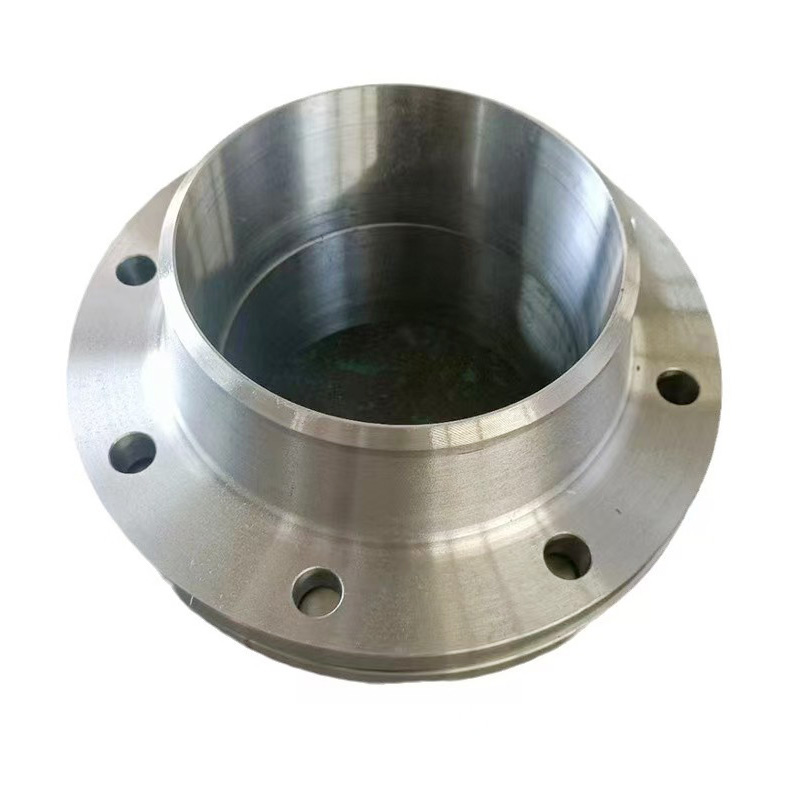
AWeld Neck Flange (WN Flange)is a type of piping flange designed to be welded to a pipe or ...
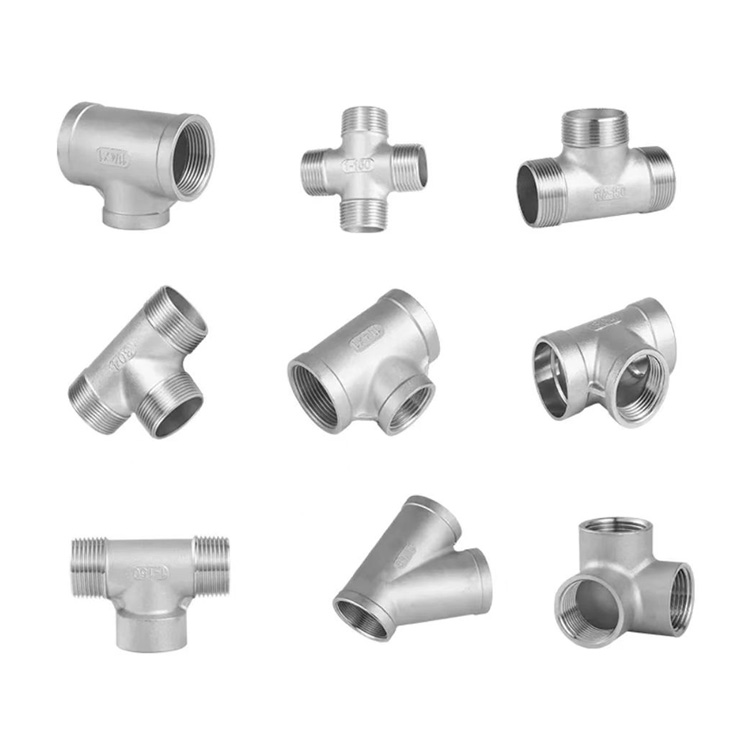
Socket fittings are essential components in piping systems, designed to connect, branch, or...
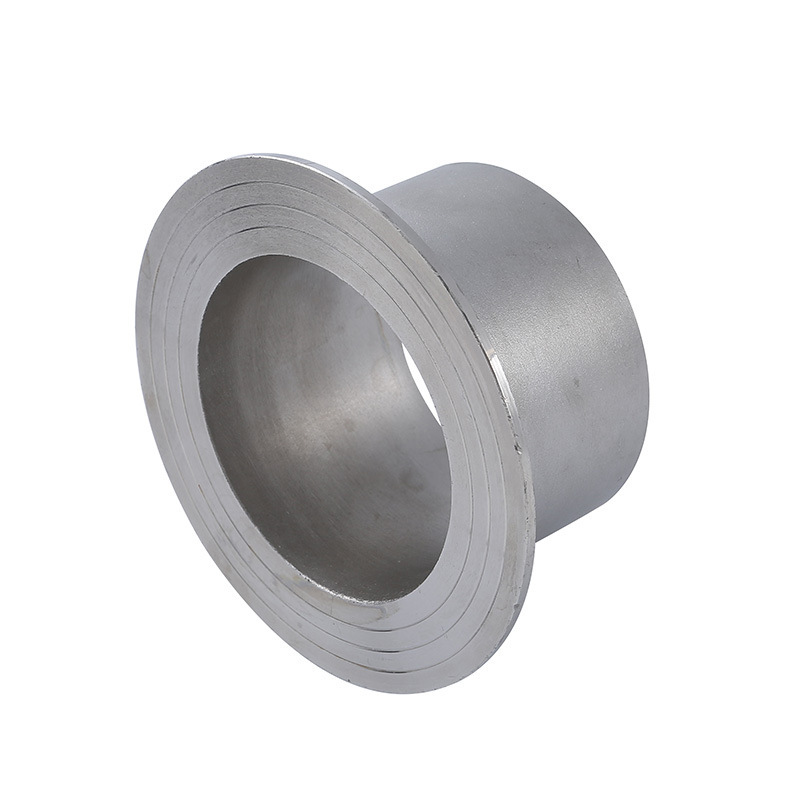
Welding ring is a commonly used metal ring component in pipeline connection or equipment do...
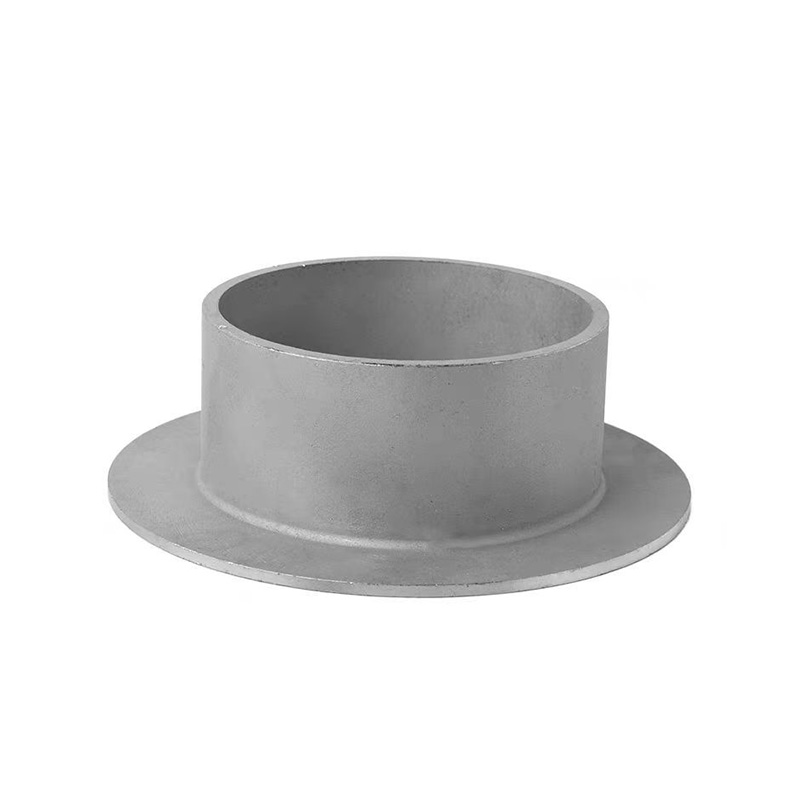
Welding ring is a pipe fitting used for pipeline connection. The following is its detailed ...