Common Flange Issues and Preventive Maintenance Tips
2026-03-12 08:21:15
Why Plate Welding Flange Performance Matters
Plate Welding Flange components are widely used in piping systems across oil & gas, chemical processing, power plants, and water treatment industries. As a critical connection element, the flange ensures sealing integrity, structural stability, and safe media transmission under varying pressure and temperature conditions.
Despite their robust design, flanges can encounter operational problems over time. Understanding common flange issues and implementing preventive maintenance strategies not only reduces downtime but also extends equipment lifespan. For enterprises sourcing directly from a reliable Manufacturer with large-scale Production and bulk supply capability, proper maintenance further protects investment and ensures long-term performance.
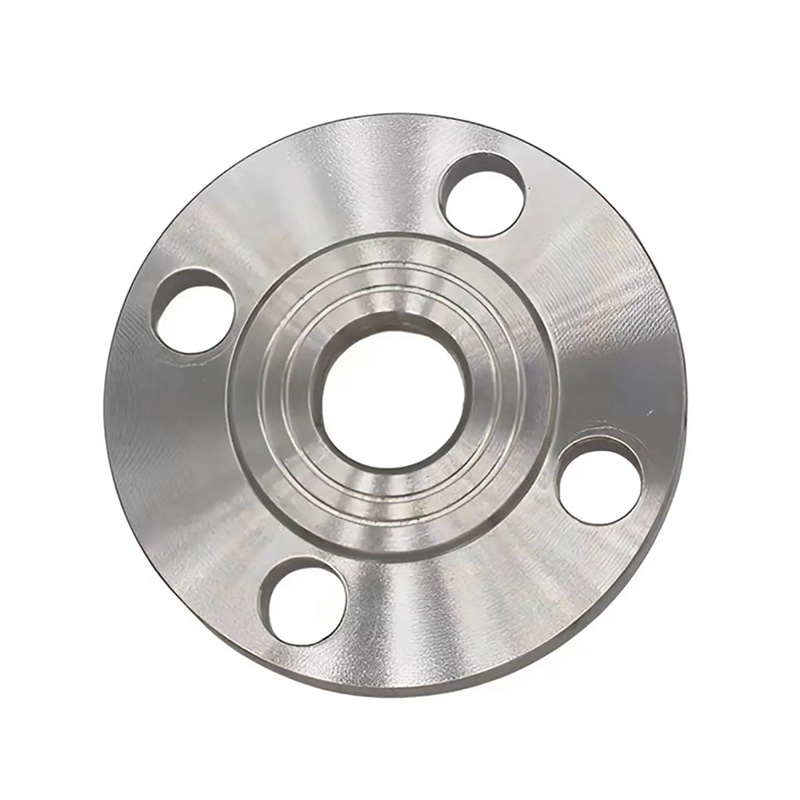
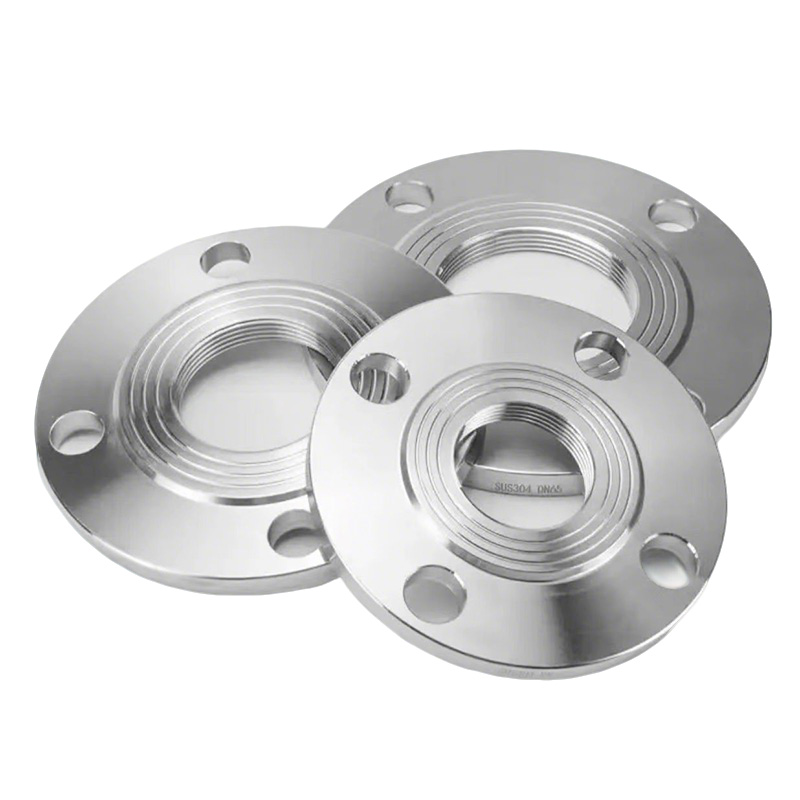
Common Flange Issues in Industrial Applications
1. Leakage at the Flange Joint
Leakage is one of the most frequently reported flange problems. It typically occurs at the gasket interface and can result from:
·Improper bolt tightening sequence
·Uneven bolt torque
·Gasket material mismatch
·Surface damage on flange faces
·Thermal expansion and contraction
In high-pressure systems, even minor sealing failure can escalate into safety hazards and operational losses.
2. Bolt Loosening and Fatigue
Flange bolts endure constant mechanical stress and vibration. Over time, they may loosen due to:
·Cyclic loading
·Temperature fluctuations
·System vibration
·Inadequate initial torque
Bolt fatigue can lead to uneven pressure distribution, directly impacting the sealing capability of a Plate Welding Flange connection.
3. Corrosion and Material Degradation
Corrosion is another major concern, especially in aggressive environments such as offshore platforms or chemical plants. Contributing factors include:
·Exposure to corrosive media
·High humidity
·Galvanic reactions between dissimilar metals
·Inadequate protective coatings
Surface corrosion can weaken flange integrity and compromise gasket seating surfaces.
4. Flange Face Damage
Scratches, dents, or warping on the flange face often occur during installation or maintenance. Even minor surface irregularities can prevent proper gasket compression, leading to chronic leakage problems.
5. Misalignment Issues
Pipe misalignment places additional stress on flange joints. Forced alignment during installation can cause:
·Uneven gasket compression
·Bolt stress concentration
·Premature flange deformation
Over time, this mechanical strain reduces the service life of the entire piping assembly.
Preventive Maintenance Tips for Long-Term Flange Reliability
Effective preventive maintenance is essential to avoid costly repairs and unexpected shutdowns. Below are practical strategies to maintain optimal performance.
1. Proper Installation Procedures
Correct installation is the foundation of flange reliability.
·Ensure flange faces are clean and free from debris.
·Use appropriate gaskets based on pressure, temperature, and media type.
·Apply a calibrated torque wrench.
·Follow a cross-pattern bolt tightening sequence to achieve uniform load distribution.
For Plate Welding Flange systems, proper welding quality also plays a key role. Inspect weld seams to confirm full penetration and structural stability.
2. Regular Torque Inspection
Periodic bolt torque verification helps detect loosening before leakage occurs. In high-vibration environments, scheduled torque checks should be part of routine maintenance programs.
Using anti-seize lubricants on bolts can also minimize friction inconsistencies and improve torque accuracy.
3. Corrosion Protection Measures
To reduce corrosion risks:
·Apply anti-corrosion coatings or protective painting.
·Use corrosion-resistant materials when required.
·Install insulation systems carefully to avoid moisture trapping.
·Conduct routine visual inspections for rust or pitting.
Selecting high-quality flanges from a professional Manufacturer with controlled Production processes ensures better material consistency and improved corrosion resistance.
4. Alignment Verification
Before final bolt tightening, verify pipe alignment. Pipes should naturally align with flange faces without excessive force. If misalignment is present, correct it through proper pipe support adjustments rather than forcing the connection.
5. Gasket Selection and Replacement
Gasket material compatibility is essential. Always confirm that the gasket:
·Matches the operating temperature range
·Withstands the internal pressure
·Is chemically compatible with the process media
Replace gaskets during major maintenance shutdowns rather than reusing old ones, even if they appear intact.
6. Surface Protection During Storage
Improper storage can damage flange sealing surfaces. To maintain quality:
·Use protective covers on flange faces.
·Store in dry, ventilated environments.
·Avoid stacking without protective separation.
This is particularly important for bulk supply orders of Plate Welding Flange products, where proper handling ensures consistent quality from warehouse to installation site.
The Importance of Quality Manufacturing
Preventive maintenance begins with selecting high-quality components. Flanges manufactured under strict quality control standards demonstrate:
·Accurate dimensional tolerances
·Smooth sealing surfaces
·Stable mechanical properties
·Reliable welding performance
A dependable Manufacturer with advanced Production capabilities and batch supply experience can provide consistent product quality. Precision machining and rigorous inspection procedures reduce the likelihood of early-stage failures.
When sourcing Plate Welding Flange products, buyers should prioritize material traceability, pressure testing records, and compliance with international standards. Quality assurance at the production stage significantly lowers maintenance demands in later operation.
Establishing a Flange Maintenance Plan
To systematically reduce flange-related risks, companies should implement a structured maintenance plan that includes:
1.Scheduled visual inspections
2.Periodic torque verification
3.Corrosion assessment
4.Gasket replacement intervals
5.Documentation of maintenance history
Digital maintenance tracking systems can further improve efficiency and help identify recurring problem areas.
Proactive monitoring not only enhances safety but also reduces long-term operational costs.
Conclusion: Ensuring Long-Term Reliability of Plate Welding Flange Systems
In industrial piping systems, flange integrity directly impacts safety, efficiency, and cost control. By understanding common issues such as leakage, corrosion, bolt fatigue, and misalignment, operators can implement effective preventive maintenance strategies.
From proper installation techniques to routine inspections and corrosion protection, every step contributes to extended service life. Most importantly, starting with high-quality Plate Welding Flange products from an experienced Manufacturer with stable Production capacity and bulk supply capability provides a strong foundation for reliable performance.
With the right combination of quality components and disciplined maintenance practices, flange systems can operate safely and efficiently for years to come.
References
GB/T 7714:Link R E. An introduction to the design and behavior of bolted joints[J]. Journal of Testing and Evaluation, 1991, 19(5): 417-418.
MLA:Link, R. E. "An introduction to the design and behavior of bolted joints." Journal of Testing and Evaluation 19.5 (1991): 417-418.
APA:Link, R. E. (1991). An introduction to the design and behavior of bolted joints. Journal of Testing and Evaluation, 19(5), 417-418.
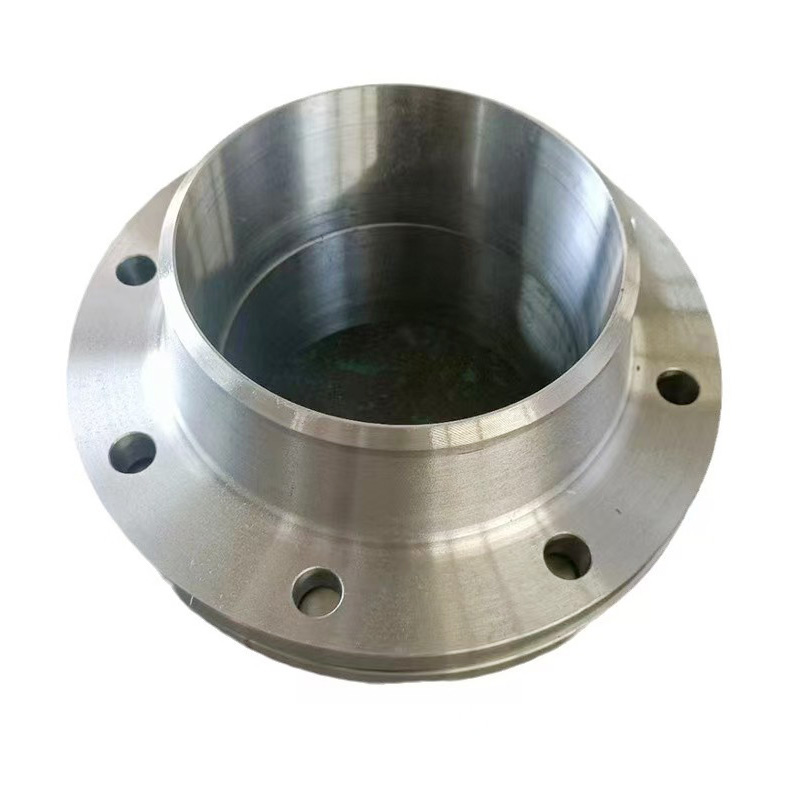
AWeld Neck Flange (WN Flange)is a type of piping flange designed to be welded to a pipe or ...
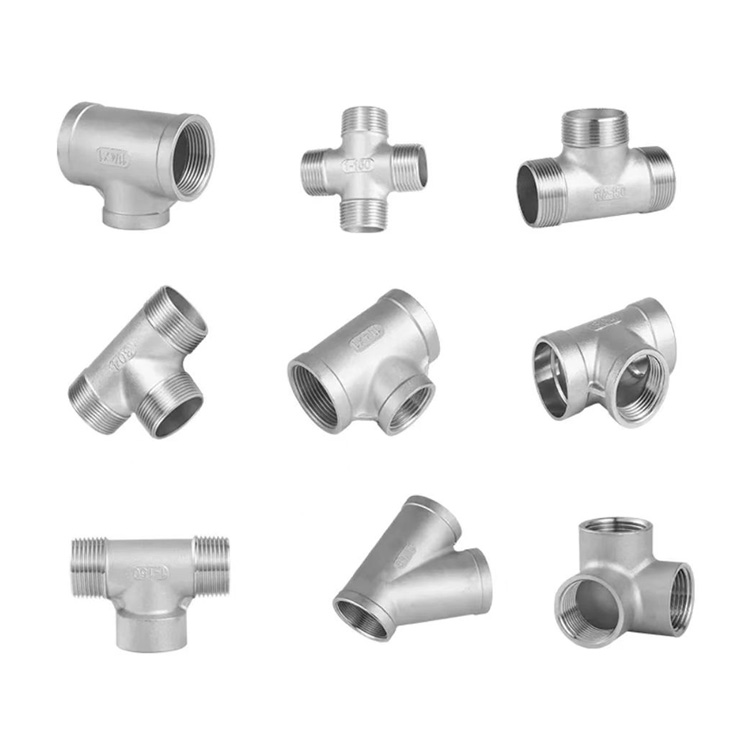
Socket fittings are essential components in piping systems, designed to connect, branch, or...
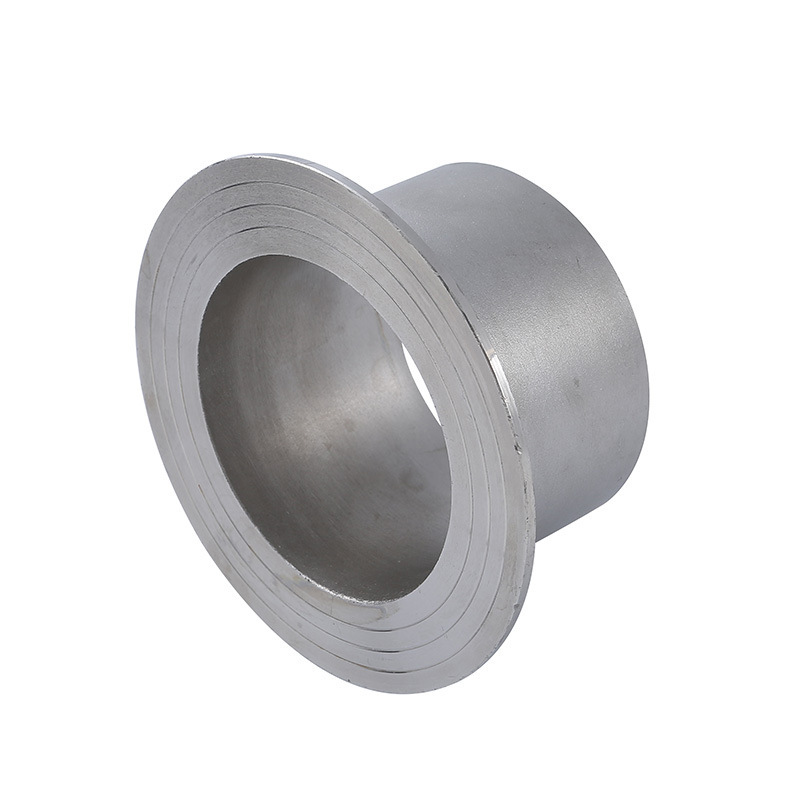
Welding ring is a commonly used metal ring component in pipeline connection or equipment do...
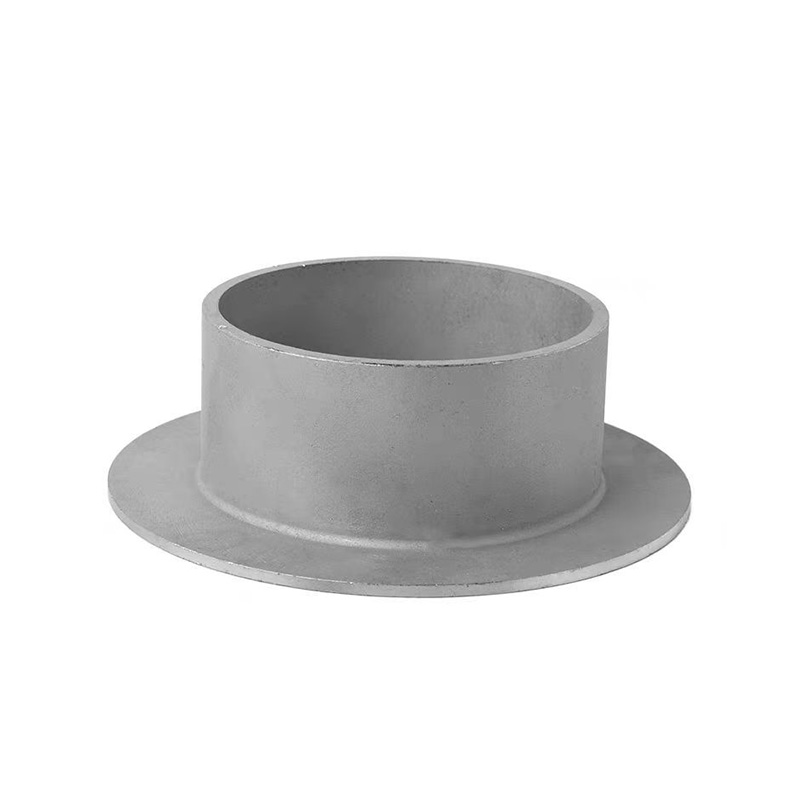
Welding ring is a pipe fitting used for pipeline connection. The following is its detailed ...