Flange Face Types and Gasket Selection for Leak-Free Joints
2026-07-17 18:03:55
The Connection Between Flange Face Type and Joint Integrity
Selecting the right components for industrial piping systems requires a thorough understanding of product specifications, manufacturing standards, and application requirements. In demanding sectors such as petrochemicals, power generation, and oil and gas, the difference between a reliable system and a costly failure often comes down to the quality of the fittings and flanges used. Engineers and procurement specialists must evaluate multiple factors, including material composition, pressure ratings, dimensional tolerances, and compliance with international standards such as ANSI, ASME, DIN, and ISO. Working closely with an experienced manufacturer or supplier helps ensure that every component delivered meets the exact requirements of the project specification.
Modern pipe fitting factories employ a range of manufacturing processes including forging, hot forming, cold forming, and machining to produce components that satisfy the most demanding engineering specifications. Quality control systems, often certified to ISO 9001 standards, integrate chemical analysis, mechanical testing, and non-destructive examination to verify that each fitting or flange performs as designed under real-world operating conditions. For buyers seeking dependable supply, establishing a relationship with a manufacturer that combines technical expertise, production capacity, and rigorous quality assurance represents a strategic advantage in competitive industrial markets.
Raised Face (RF) Flanges: The Most Common Industrial Choice
Material selection forms the foundation of any piping component decision. Carbon steel offers excellent strength and cost-effectiveness for general-purpose applications, while stainless steel delivers superior corrosion resistance for chemical processing and marine environments. Alloy steels, particularly chrome-molybdenum grades, provide the high-temperature and high-pressure performance required in power generation and refinery applications. Understanding the service conditions — including media composition, operating temperature, pressure, and environmental factors — allows engineers to specify materials that maximize component lifespan while managing costs effectively.
When evaluating a potential supplier, it is important to verify not only the product range and pricing but also the manufacturer's technical capabilities, quality certifications, and track record in serving similar industries. A factory with in-house testing facilities, experienced engineering staff, and documented quality management systems offers significantly more value than a simple distributor with no manufacturing capability. Building a partnership with such a supplier provides ongoing technical consultation, faster response to custom requirements, and greater consistency across project deliveries.
Flat Face (FF) Flanges: Applications and Considerations
International standards define the dimensional, performance, and testing requirements that ensure pipe fittings and flanges from different manufacturers can be specified and used interchangeably. ANSI/ASME B16.5 covers flanges up to 24 inches in diameter, while larger diameters fall under ASME B16.47. For fittings, the ANSI/ASME B16.9 standard defines butt weld fittings, and B16.11 covers socket weld and threaded fittings. European projects typically reference DIN standards, while international projects may require compliance with ISO specifications. Understanding these standards and their interchangeability is essential for engineers working on projects with multinational supply chains.
The manufacturing capacity of a pipe fitting supplier directly impacts project timelines and cost competitiveness. Facilities with multiple production lines, advanced forging equipment, and modern heat treatment furnaces can handle both standard catalog items and custom components in a wide range of materials and sizes. For large-scale projects requiring thousands of tons of fittings and flanges, a manufacturer's annual output capacity becomes a critical factor in supplier selection. Additionally, a supplier's ability to provide complete documentation — including material test reports, hydrostatic test certificates, and dimensional inspection data — simplifies the project acceptance process and reduces the risk of on-site delays.
Ring Type Joint (RTJ) Flanges for High-Pressure Systems
The installation and maintenance of pipe fittings and flanges require careful attention to welding procedures, bolt assembly, and inspection protocols. Butt weld fittings must be welded using qualified procedures and certified welders to ensure joint integrity. Flanged connections require proper gasket selection, bolt tightening sequences, and torque control to achieve leak-free performance. Understanding these installation requirements helps project engineers develop comprehensive construction specifications and quality assurance plans that prevent costly rework and operational failures.
Preventive maintenance programs for industrial piping systems benefit from regular inspection schedules and the use of high-quality replacement components from the original manufacturer or a qualified supplier. Keeping detailed records of installation dates, operating conditions, and inspection findings enables predictive maintenance strategies that minimize unplanned shutdowns. For plant operators, having a reliable supplier for maintenance spare parts — fittings, flanges, gaskets, and bolts — is as important as the initial project procurement relationship. A manufacturer that offers both project supply and aftermarket service provides continuity that improves long-term plant reliability and performance.
Gasket Material Types and Chemical Compatibility
Selecting the right components for industrial piping systems requires a thorough understanding of product specifications, manufacturing standards, and application requirements. In demanding sectors such as petrochemicals, power generation, and oil and gas, the difference between a reliable system and a costly failure often comes down to the quality of the fittings and flanges used. Engineers and procurement specialists must evaluate multiple factors, including material composition, pressure ratings, dimensional tolerances, and compliance with international standards such as ANSI, ASME, DIN, and ISO. Working closely with an experienced manufacturer or supplier helps ensure that every component delivered meets the exact requirements of the project specification.
Modern pipe fitting factories employ a range of manufacturing processes including forging, hot forming, cold forming, and machining to produce components that satisfy the most demanding engineering specifications. Quality control systems, often certified to ISO 9001 standards, integrate chemical analysis, mechanical testing, and non-destructive examination to verify that each fitting or flange performs as designed under real-world operating conditions. For buyers seeking dependable supply, establishing a relationship with a manufacturer that combines technical expertise, production capacity, and rigorous quality assurance represents a strategic advantage in competitive industrial markets.
Gasket Thickness and Compressibility Factors
Material selection forms the foundation of any piping component decision. Carbon steel offers excellent strength and cost-effectiveness for general-purpose applications, while stainless steel delivers superior corrosion resistance for chemical processing and marine environments. Alloy steels, particularly chrome-molybdenum grades, provide the high-temperature and high-pressure performance required in power generation and refinery applications. Understanding the service conditions — including media composition, operating temperature, pressure, and environmental factors — allows engineers to specify materials that maximize component lifespan while managing costs effectively.
When evaluating a potential supplier, it is important to verify not only the product range and pricing but also the manufacturer's technical capabilities, quality certifications, and track record in serving similar industries. A factory with in-house testing facilities, experienced engineering staff, and documented quality management systems offers significantly more value than a simple distributor with no manufacturing capability. Building a partnership with such a supplier provides ongoing technical consultation, faster response to custom requirements, and greater consistency across project deliveries.
Bolt Torque and Assembly Sequence for Sealed Joints
International standards define the dimensional, performance, and testing requirements that ensure pipe fittings and flanges from different manufacturers can be specified and used interchangeably. ANSI/ASME B16.5 covers flanges up to 24 inches in diameter, while larger diameters fall under ASME B16.47. For fittings, the ANSI/ASME B16.9 standard defines butt weld fittings, and B16.11 covers socket weld and threaded fittings. European projects typically reference DIN standards, while international projects may require compliance with ISO specifications. Understanding these standards and their interchangeability is essential for engineers working on projects with multinational supply chains.
The manufacturing capacity of a pipe fitting supplier directly impacts project timelines and cost competitiveness. Facilities with multiple production lines, advanced forging equipment, and modern heat treatment furnaces can handle both standard catalog items and custom components in a wide range of materials and sizes. For large-scale projects requiring thousands of tons of fittings and flanges, a manufacturer's annual output capacity becomes a critical factor in supplier selection. Additionally, a supplier's ability to provide complete documentation — including material test reports, hydrostatic test certificates, and dimensional inspection data — simplifies the project acceptance process and reduces the risk of on-site delays.
Common Causes of Gasket Failure and How to Prevent Them
The installation and maintenance of pipe fittings and flanges require careful attention to welding procedures, bolt assembly, and inspection protocols. Butt weld fittings must be welded using qualified procedures and certified welders to ensure joint integrity. Flanged connections require proper gasket selection, bolt tightening sequences, and torque control to achieve leak-free performance. Understanding these installation requirements helps project engineers develop comprehensive construction specifications and quality assurance plans that prevent costly rework and operational failures.
Preventive maintenance programs for industrial piping systems benefit from regular inspection schedules and the use of high-quality replacement components from the original manufacturer or a qualified supplier. Keeping detailed records of installation dates, operating conditions, and inspection findings enables predictive maintenance strategies that minimize unplanned shutdowns. For plant operators, having a reliable supplier for maintenance spare parts — fittings, flanges, gaskets, and bolts — is as important as the initial project procurement relationship. A manufacturer that offers both project supply and aftermarket service provides continuity that improves long-term plant reliability and performance.
Sourcing Quality Flanges and Gaskets from Experienced Suppliers
Selecting the right components for industrial piping systems requires a thorough understanding of product specifications, manufacturing standards, and application requirements. In demanding sectors such as petrochemicals, power generation, and oil and gas, the difference between a reliable system and a costly failure often comes down to the quality of the fittings and flanges used. Engineers and procurement specialists must evaluate multiple factors, including material composition, pressure ratings, dimensional tolerances, and compliance with international standards such as ANSI, ASME, DIN, and ISO. Working closely with an experienced manufacturer or supplier helps ensure that every component delivered meets the exact requirements of the project specification.
Modern pipe fitting factories employ a range of manufacturing processes including forging, hot forming, cold forming, and machining to produce components that satisfy the most demanding engineering specifications. Quality control systems, often certified to ISO 9001 standards, integrate chemical analysis, mechanical testing, and non-destructive examination to verify that each fitting or flange performs as designed under real-world operating conditions. For buyers seeking dependable supply, establishing a relationship with a manufacturer that combines technical expertise, production capacity, and rigorous quality assurance represents a strategic advantage in competitive industrial markets.
References
ASME B16.5, Pipe Flanges and Flanged Fittings: NPS 1/2 through NPS 24, The American Society of Mechanical Engineers, 2020 Edition.
ASME B16.9, Factory-Made Wrought Buttwelding Fittings, The American Society of Mechanical Engineers, 2018 Edition.
ASTM A182/A182M, Standard Specification for Forged or Rolled Alloy and Stainless Steel Pipe Flanges, Forged Fittings, and Valves and Parts for High-Temperature Service, ASTM International.
API 5L, Specification for Line Pipe, American Petroleum Institute, 46th Edition.
ISO 15590-1, Petroleum and Natural Gas Industries — Induction-Bent, Fabricated, and Cast Pipe Fittings for Pressure Purposes — Part 1: Fittings, International Organization for Standardization.
MSS SP-75, Standard Specification for High-Test, Wrought, Butt-Welding Fittings, Manufacturers Standardization Society of the Valve and Fittings Industry.
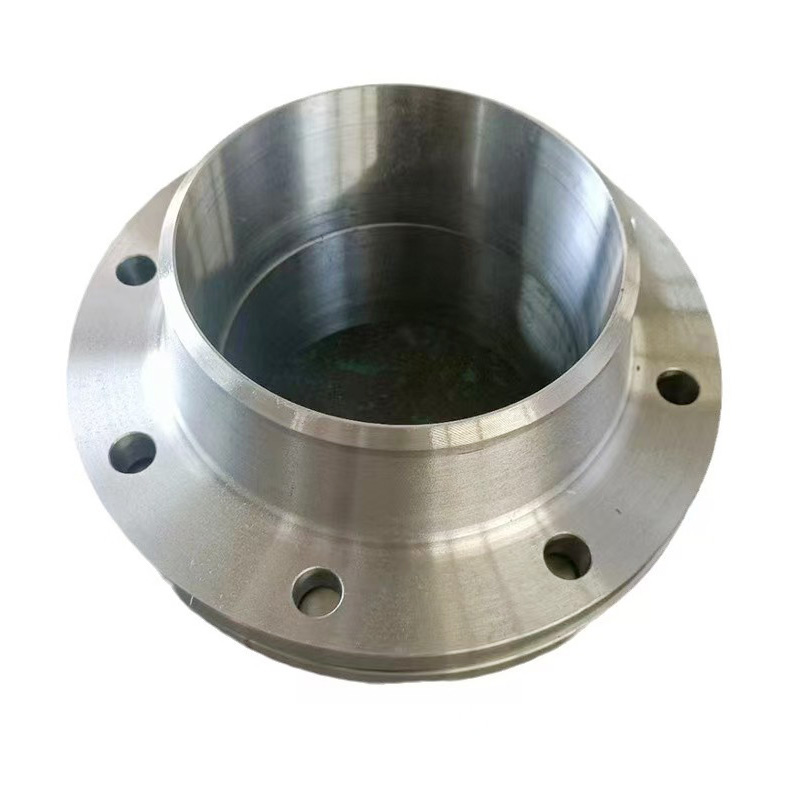
AWeld Neck Flange (WN Flange)is a type of piping flange designed to be welded to a pipe or ...
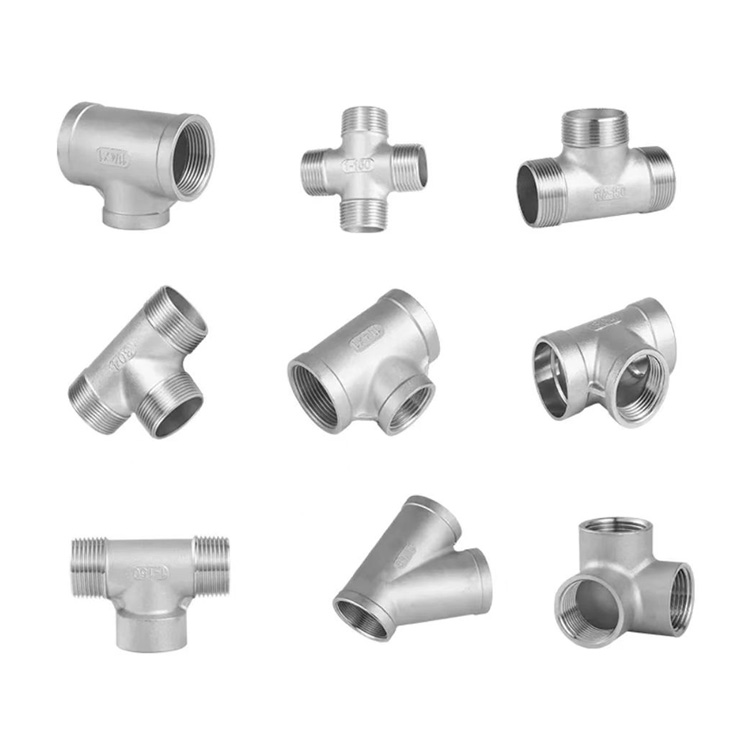
Socket fittings are essential components in piping systems, designed to connect, branch, or...
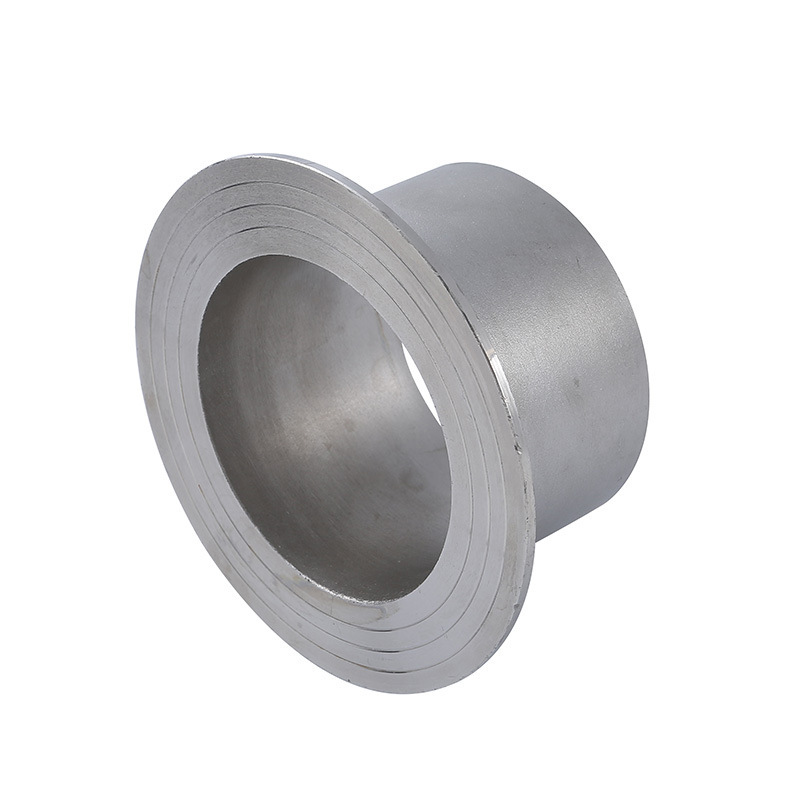
Welding ring is a commonly used metal ring component in pipeline connection or equipment do...
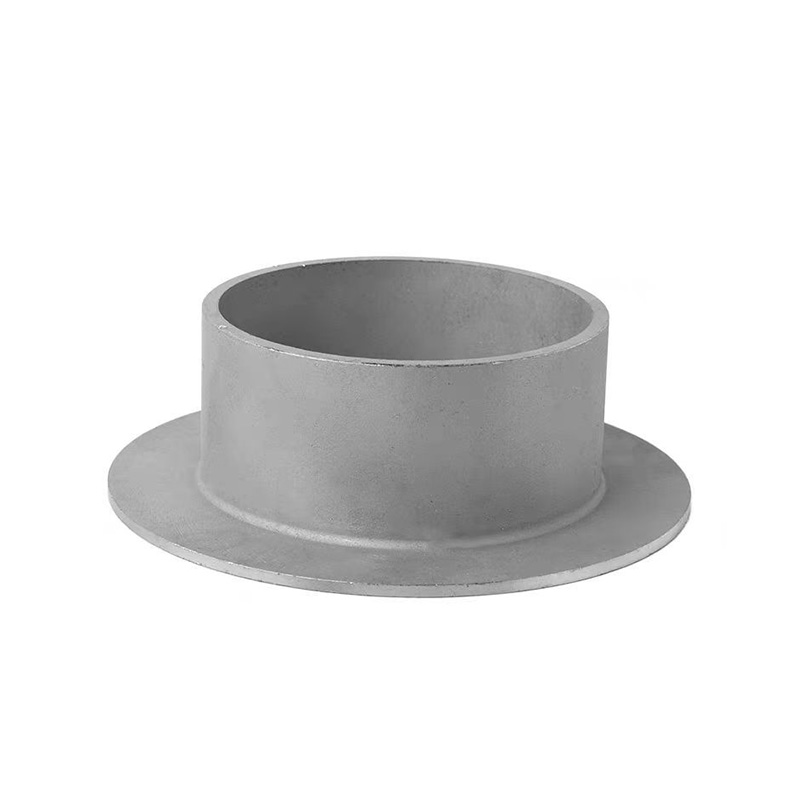
Welding ring is a pipe fitting used for pipeline connection. The following is its detailed ...