Pipe Fitting Elbow: Types, Standards, and Applications Explained
2026-04-02 09:14:58
In modern piping systems, the pipe fitting elbow plays a critical role in redirecting flow, optimizing system layout, and ensuring operational efficiency. Whether used in oil and gas, chemical processing, or construction, selecting the right pipe fitting elbow directly impacts performance, safety, and longevity. This guide explores key types, standards, and applications while helping buyers and engineers make informed decisions.
Understanding the Function of Pipe Fitting Elbows
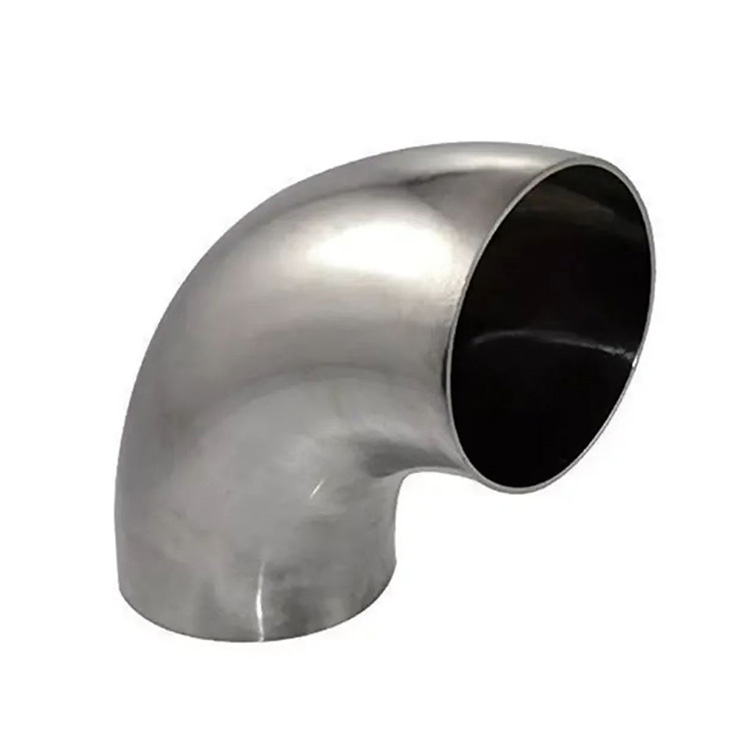
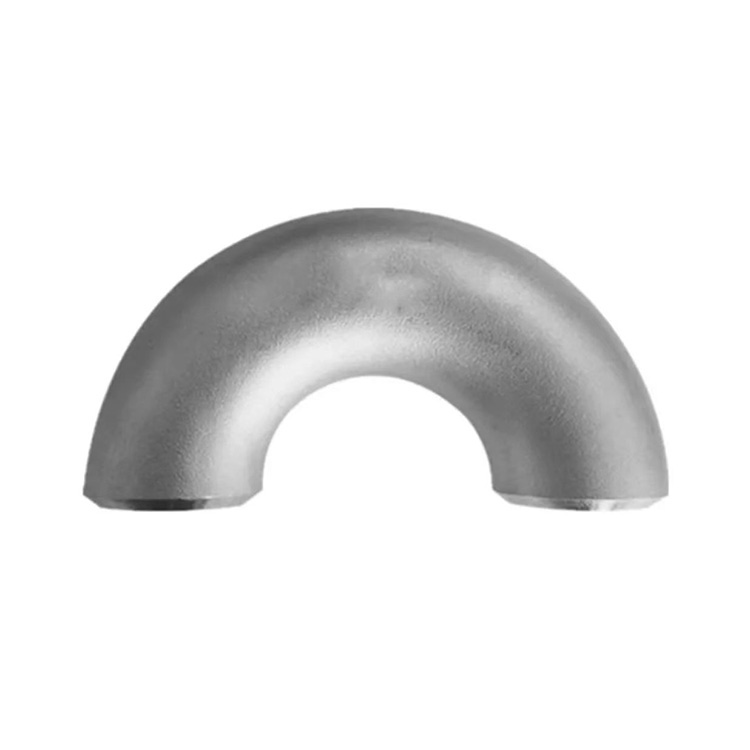
A pipe fitting elbow is designed to change the direction of flow within a piping system. Typically available in angles such as 45°, 90°, and 180°, elbows help engineers design compact and efficient layouts without compromising flow integrity. In industrial piping systems, proper elbow selection minimizes pressure loss and turbulence, ensuring smooth fluid transmission.
From a design perspective, the geometry of a pipe fitting elbow significantly influences system efficiency. Long radius elbows are often preferred in high-flow applications because they reduce friction, while short radius elbows are suitable for tight installation spaces.
Types of Pipe Fitting Elbows
Pipe fitting elbows are classified based on angle, radius, and connection type. The most common types include:
·45-degree elbow: Used when a slight directional change is required
·90-degree elbow: The most widely used elbow in industrial systems
·180-degree elbow: Ideal for reversing flow direction
Additionally, elbows are categorized as long radius (LR) and short radius (SR). Long radius pipe fitting elbows provide smoother flow and lower pressure drop, making them ideal for high-pressure systems. Short radius elbows, on the other hand, are used where space constraints are a concern.
Connection types such as butt weld, socket weld, and threaded elbows further expand their application range in various piping systems.
Materials Used in Pipe Fitting Elbows
Material selection is crucial for ensuring the durability and reliability of a pipe fitting elbow. Common materials include:
·Carbon steel: Cost-effective and widely used in general industrial applications
·Stainless steel: Offers excellent corrosion resistance for chemical and marine environments
·Alloy steel: Suitable for high-temperature and high-pressure conditions
In corrosive environments, stainless steel pipe fitting elbows are preferred due to their resistance to oxidation and chemical reactions. For high-strength requirements, alloy steel elbows provide superior mechanical performance.
Pipe Fitting Elbow Standards and Specifications
To ensure compatibility and safety, pipe fitting elbows must comply with international standards. The most widely recognized standards include:
ASME B16.9: Covers factory-made wrought steel butt-welding fittings
ASME B16.11: Applies to forged fittings such as socket weld and threaded elbows
ASTM standards: Define material specifications and mechanical properties
Adhering to these standards ensures that pipe fitting elbows meet strict quality, dimensional accuracy, and pressure rating requirements. For buyers, sourcing products that comply with certified standards is essential for maintaining system integrity.
Applications Across Industrial Sectors
Pipe fitting elbows are widely used across multiple industries due to their versatility. Key applications include:
·Oil and gas pipelines: For directional flow control in complex routing systems
·Chemical processing plants: Where corrosion-resistant elbows are essential
·Water treatment systems: For efficient fluid distribution
·Construction and HVAC systems: For structural piping layouts
Each application demands specific material grades and elbow types. For example, high-pressure systems require precision-engineered pipe fitting elbows that can withstand extreme conditions without failure.
Performance Considerations in Elbow Selection
Selecting the right pipe fitting elbow involves evaluating several performance factors. Pressure rating, temperature resistance, and flow characteristics all influence the final choice. Engineers must also consider factors such as wall thickness, corrosion allowance, and installation conditions.
Improper selection can lead to issues such as leakage, pressure drop, or premature wear. Therefore, working with a reliable supplier that provides certified pipe fitting elbows is critical for long-term system performance.
Quality Assurance and Manufacturing Reliability
High-quality pipe fitting elbows are manufactured using advanced processes such as hot forming, cold bending, and precision machining. Strict quality control measures—including dimensional inspection, non-destructive testing (NDT), and pressure testing—ensure product reliability.
Manufacturers with strong technical expertise and international certifications provide added assurance. This aligns with E-E-A-T principles, emphasizing experience, expertise, authority, and trustworthiness in industrial product sourcing.
Choosing a Trusted Pipe Fitting Elbow Supplier
Partnering with a reputable supplier ensures consistent quality and reliable delivery. Key factors to consider include:
·Certification compliance (ISO, ASME, ASTM)
·Production capabilities and customization options
·Proven track record in global markets
·Technical support and after-sales service
A trusted supplier not only delivers high-quality pipe fitting elbows but also provides engineering support to optimize system design.
Conclusion
The pipe fitting elbow is an essential component in modern piping systems, influencing efficiency, durability, and safety. By understanding different types, materials, standards, and applications, buyers and engineers can make informed decisions. Choosing high-quality, standards-compliant pipe fitting elbows from a reliable manufacturer ensures long-term performance and operational stability.
References
GB/T 7714:American Society of Mechanical Engineers. ASME B16.9: Factory-Made Wrought Buttwelding Fittings. New York: ASME
MLA:ASTM A234/A234M: Standard Specification for Piping Fittings of Wrought Carbon Steel and Alloy Steel for Moderate and High Temperature Service. West Conshohocken
APA:Donald C. Rennels and Hobart M. Hudson. Pipe Flow: A Practical and Comprehensive Guide. Wiley
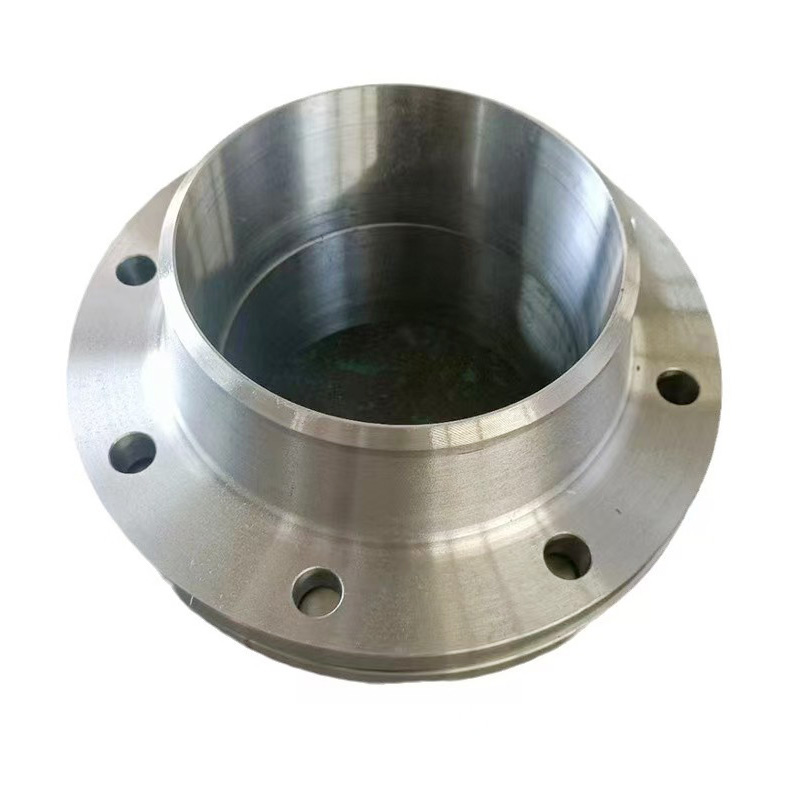
AWeld Neck Flange (WN Flange)is a type of piping flange designed to be welded to a pipe or ...
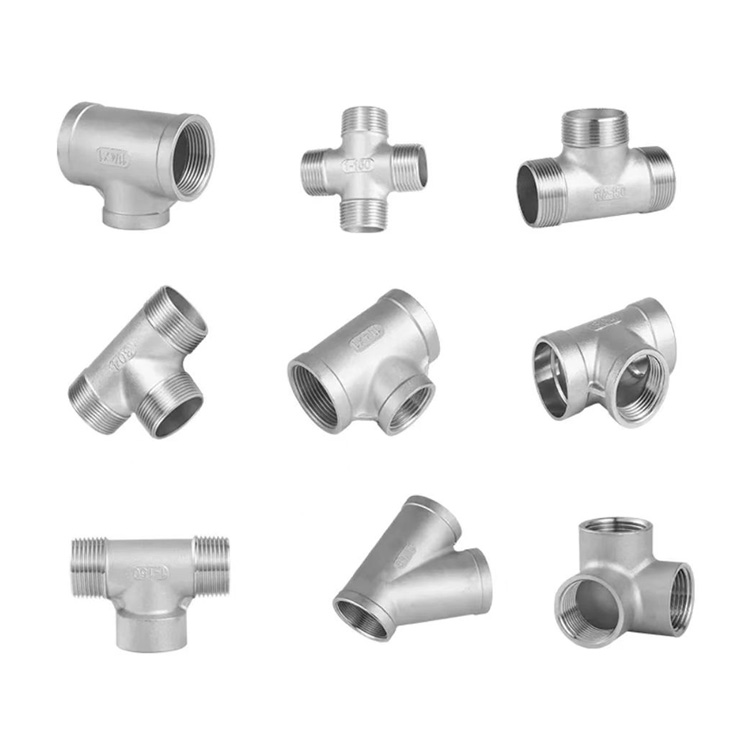
Socket fittings are essential components in piping systems, designed to connect, branch, or...
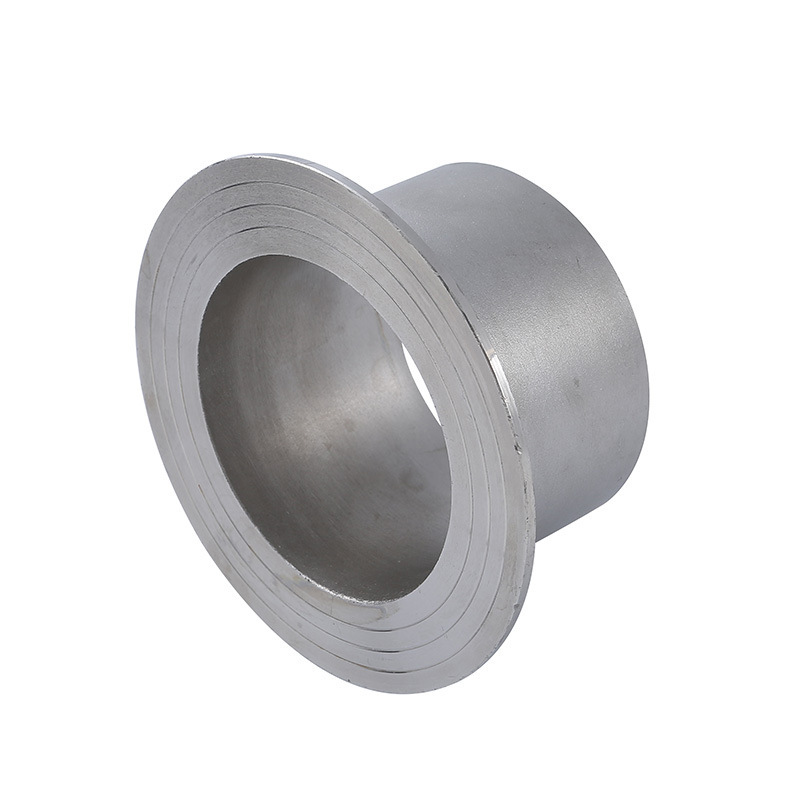
Welding ring is a commonly used metal ring component in pipeline connection or equipment do...
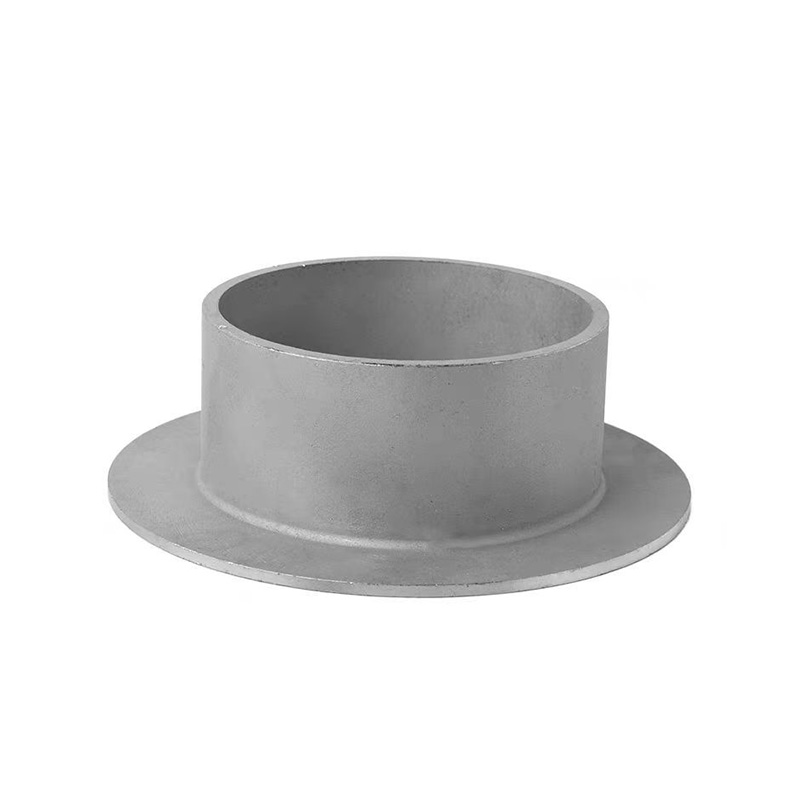
Welding ring is a pipe fitting used for pipeline connection. The following is its detailed ...