Safety Standards and Compliance for 304 20592PL Flange DN25 * PN6
2025-10-22 11:29:53
In modern pipeline systems, the plate welding flange serves as a fundamental connector that guarantees sealing reliability and operational safety. Among the many flange types, the 304 20592PL Flange DN25 * PN6 is frequently chosen for small-diameter pipelines requiring moderate pressure resistance and corrosion protection.
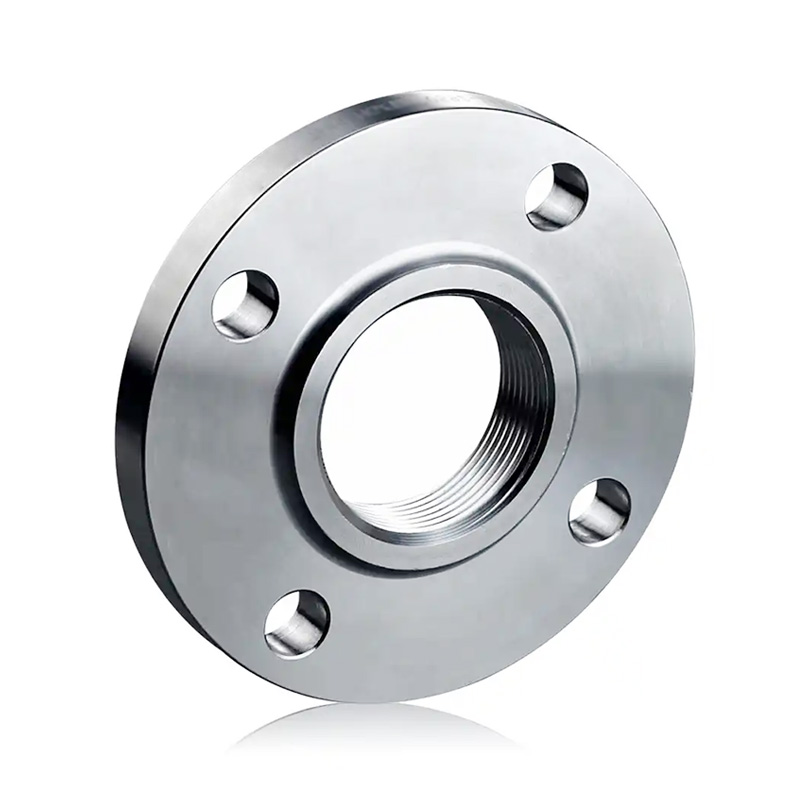
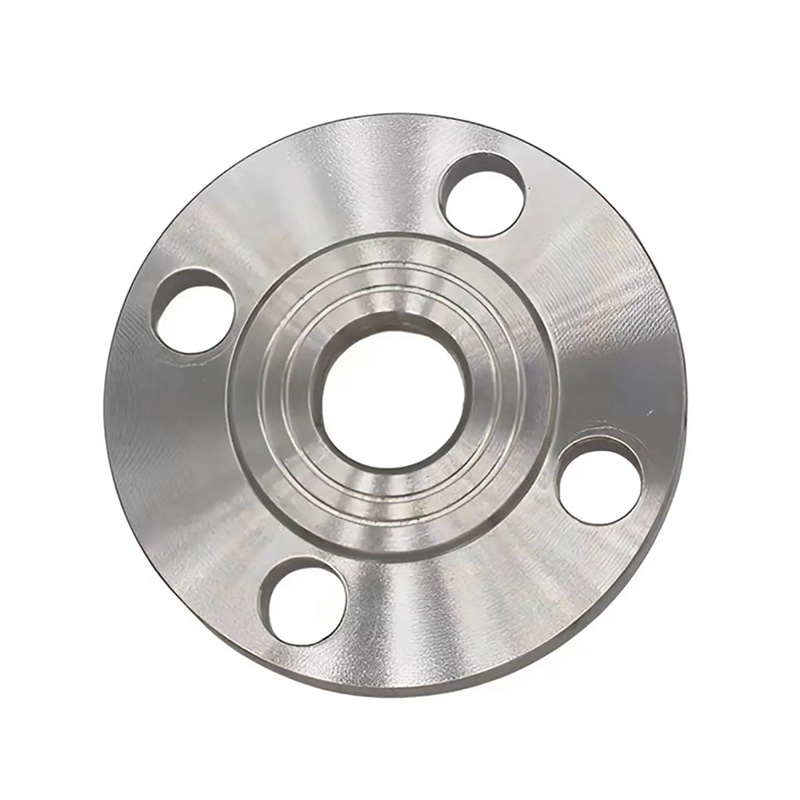
This article explores the main safety standards, material requirements, and compliance measures relevant to this flange type — and how China manufacturers and suppliers, through advanced production and bulk supply, maintain high quality at globally competitive costs.
1. Understanding the 304 20592PL Flange DN25 * PN6
The code 20592PL originates from the Chinese national standard GB/T 20592, which specifies the design and dimensions of steel plate welding flanges.
·Material 304 Stainless Steel: a corrosion-resistant austenitic alloy suited for water, air, and mild chemical media.
·DN25: nominal diameter 25 mm, typically used for process control or auxiliary lines.
·PN6: pressure class 6 bar, appropriate for low-pressure industrial and HVAC applications.
These flanges are simple to weld, easy to align, and provide stable sealing performance when assembled with suitable gaskets and bolts.
2. The Importance of Safety and Compliance
Every plate welding flange must adhere to strict engineering and safety codes to avoid leaks, pressure loss, or potential system failure. Compliance ensures that each flange performs safely under design conditions, protecting both personnel and equipment.
Trusted China flange suppliers typically comply with the following major standards:
·ISO 9001 – Quality management systems
·ASME B16.5 / B16.47 – Flange dimensions, materials, and tolerances
·PED 2014/68/EU – Pressure equipment conformity for EU markets
·GB/T 9119 and GB/T 20592 – Chinese standards aligning with EN 1092-1
Such compliance not only guarantees mechanical safety but also enhances traceability and global market acceptance.
3. Material and Structural Integrity
The 304 stainless steel used for this flange contains approximately 18 % chromium and 8 % nickel, providing high oxidation resistance and long-term durability. It maintains strength across a broad temperature range and resists scaling in most industrial atmospheres.
China-based plate welding flange manufacturers typically source certified raw materials meeting ASTM A240 or EN 10088 standards. Proper selection of 304 steel ensures good weldability and prevents intergranular corrosion after fabrication.
4. Quality Control and Manufacturing Procedures
Reputable China manufacturers implement multi-stage inspections to ensure each 304 20592PL Flange DN25 * PN6 complies with safety and performance expectations:
1.Dimensional accuracy checks for bolt-hole alignment, flatness, and thickness.
2.Nondestructive testing such as ultrasonic or dye-penetrant examination to detect internal or surface defects.
3.Pressure and hydrostatic tests to verify leak-proof capability under rated pressure.
4.Material chemical analysis confirming correct alloy composition.
5.Heat-treatment records and batch traceability, ensuring consistent production history.
These procedures collectively assure customers that the flanges are reliable, certified, and safe for installation.
5. Global Compliance and Certification Readiness
Leading China plate welding flange suppliers now operate with export-oriented quality systems. Many hold CE Marking, ISO, and API 6A certifications, allowing seamless export to Europe, the Middle East, and North America.
They also provide supporting documents such as Material Test Reports (MTRs), Inspection Certificates (EN 10204 3.1), and detailed quality assurance plans for each bulk order. Such documentation proves compliance during audits and ensures traceability throughout the supply chain.
6. Advantages of Choosing China Manufacturers
Partnering directly with a China plate welding flange manufacturer offers tangible benefits for distributors, EPC contractors, and maintenance providers:
·Economical pricing: cost reduction through localized steel sourcing and mass production.
·Bulk supply capability: stable delivery schedules for large-scale projects.
·Advanced equipment: CNC machining, digital measurement, and automated welding ensure precision.
·Customization: flexible options for surface finish, bore dimension, and marking requirements.
·Global logistics support: professional export packaging and shipment handling.
These strengths allow buyers to maintain high compliance standards while optimizing total cost and supply efficiency.
7. Key Safety Practices for Installation
Ensuring compliance doesn’t end with manufacturing; correct installation is equally critical:
·Verify compatibility between flange, gasket, and bolts before assembly.
·Use torque-controlled tightening methods following ASME B31.3 or EN 1591 guidelines.
·Apply corrosion-resistant coatings or sealing compounds if exposed to harsh conditions.
·Inspect weld seams and pressure joints after installation.
·Maintain proper documentation of all test reports and certifications for future reference.
Following these best practices secures the system’s integrity and prolongs the flange’s service life.
8. Conclusion
The 304 20592PL Flange DN25 * PN6 exemplifies the balance between engineering safety, performance reliability, and material efficiency demanded in today’s industrial environments.
Sourcing from a professional China plate welding flange manufacturer capable of bulk supply ensures consistent quality, certified compliance, and cost-effective procurement. With advanced production lines and international certification systems, these suppliers help global customers achieve safer, more efficient, and fully compliant pipeline operations.
When quality, compliance, and affordability must work together, a reliable plate welding flange from an experienced China supplier stands as the practical choice for modern industry.
References
GB/T 7714:Keil B, Card R, Payne J, et al. Flange Joints: Avoiding Installation Pitfalls[M]//Pipelines 2014: From Underground to the Forefront of Innovation and Sustainability. 2014: 1638-1648.
MLA:Keil, Brent, et al. "Flange Joints: Avoiding Installation Pitfalls." Pipelines 2014: From Underground to the Forefront of Innovation and Sustainability. 2014. 1638-1648.
APA:Keil, B., Card, R., Payne, J., & Lay, D. (2014). Flange Joints: Avoiding Installation Pitfalls. In Pipelines 2014: From Underground to the Forefront of Innovation and Sustainability (pp. 1638-1648).
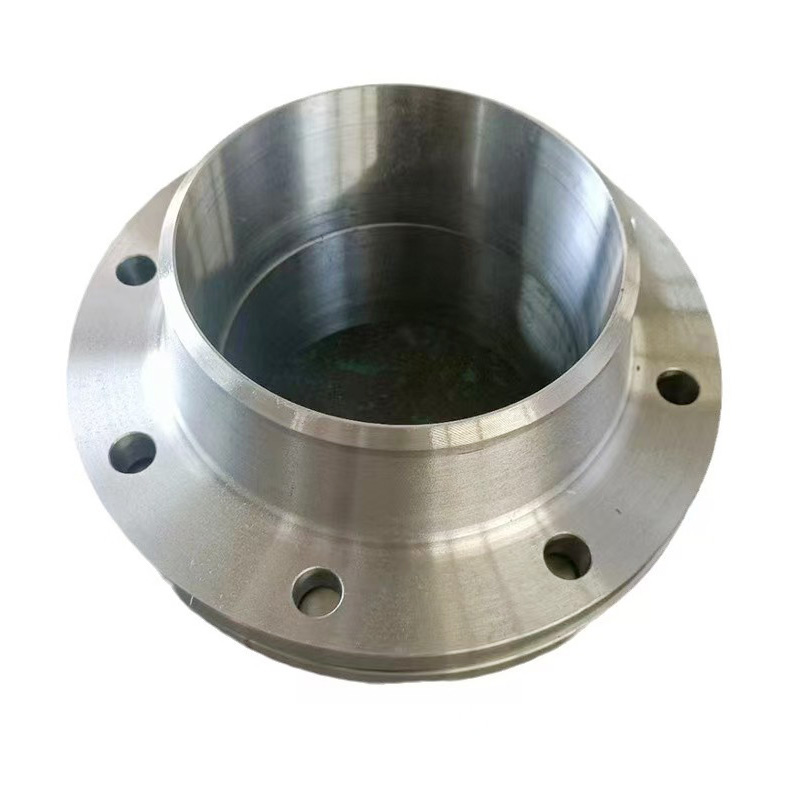
AWeld Neck Flange (WN Flange)is a type of piping flange designed to be welded to a pipe or ...
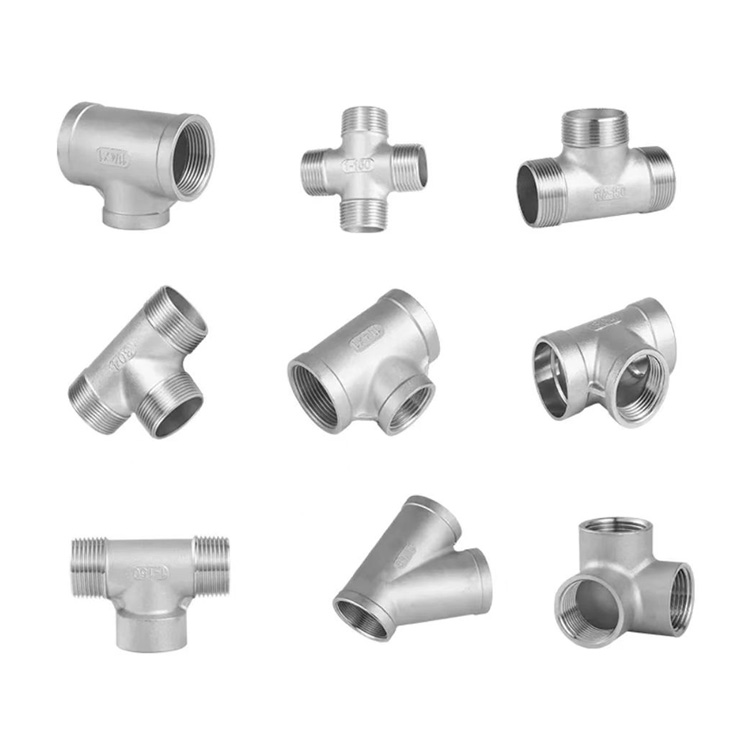
Socket fittings are essential components in piping systems, designed to connect, branch, or...
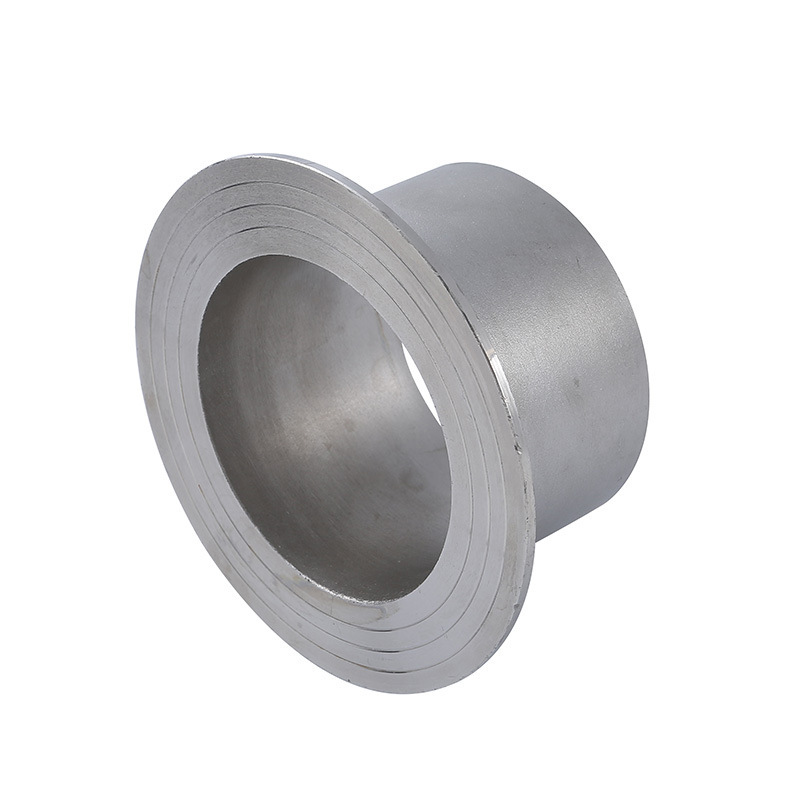
Welding ring is a commonly used metal ring component in pipeline connection or equipment do...
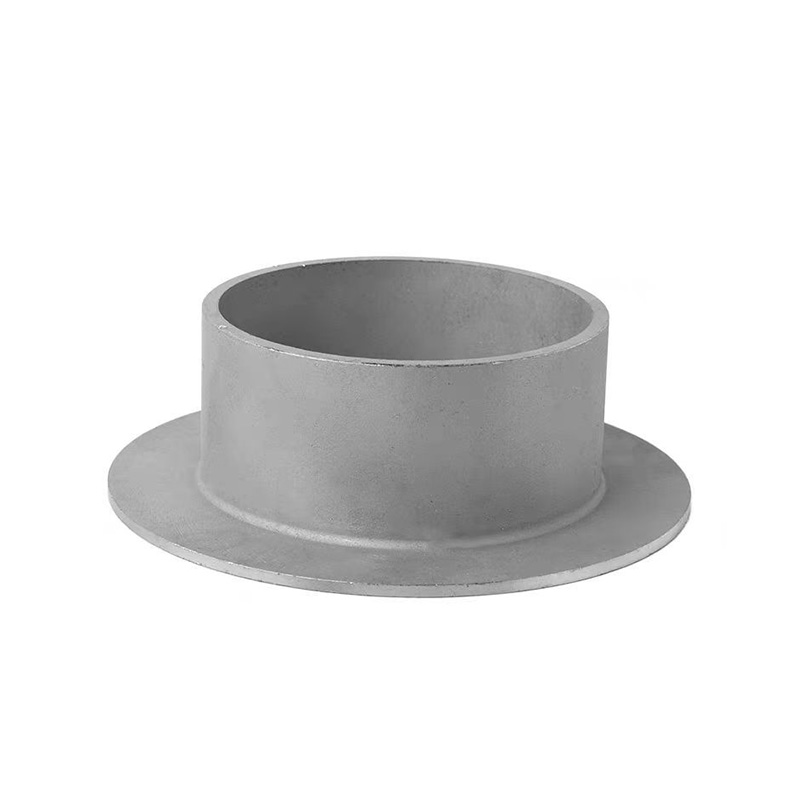
Welding ring is a pipe fitting used for pipeline connection. The following is its detailed ...