Weld Neck Flange Solutions for Offshore and Marine Piping Systems
2026-07-02 16:03:01
The Demands of Offshore and Marine Piping Environments
The pipe fittings industry has evolved significantly over the past decades, with advancements in forging techniques, heat treatment processes, and non-destructive testing methods raising the bar for product quality. Modern manufacturers operate state-of-the-art production lines capable of producing carbon steel, stainless steel, and alloy steel components in sizes and pressure ratings that were previously difficult to achieve. For projects requiring flanges, tees, elbows, reducers, or custom components, working with a manufacturer that combines engineering expertise with rigorous quality control is the single most important decision a project engineer or procurement specialist can make.
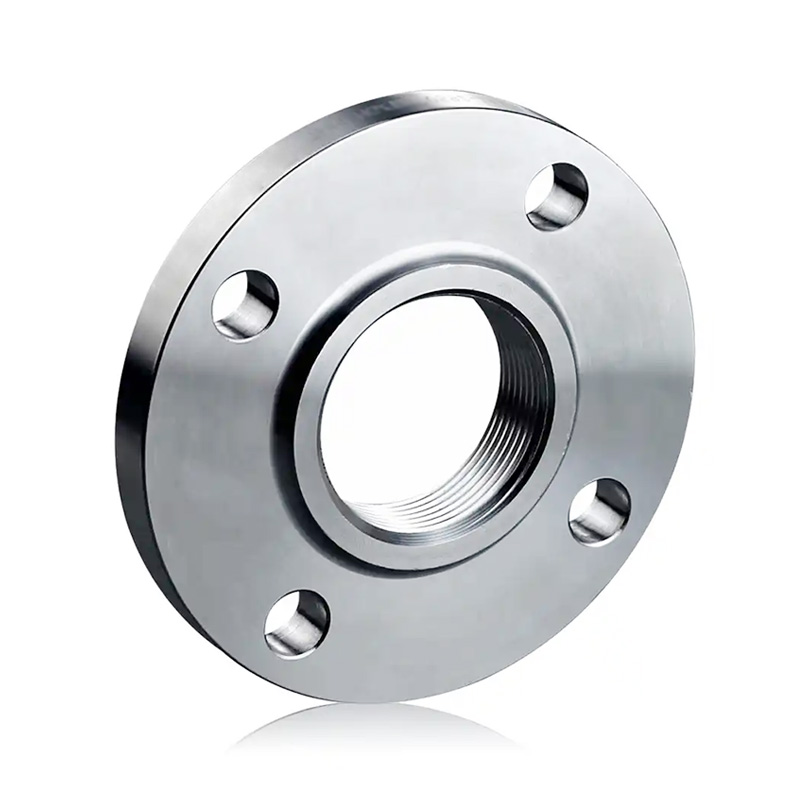
When evaluating pipe fittings and flanges for an industrial application, several key factors must be considered: material composition, manufacturing method, pressure and temperature ratings, compliance with international standards, and the manufacturer's quality certifications. Each of these factors directly impacts the safety, longevity, and maintenance requirements of the piping system. A comprehensive understanding of these factors helps engineers and buyers make informed decisions that align with both technical requirements and budget constraints.
Why Weld Neck Flanges are Preferred for Marine Applications
When evaluating pipe fittings and flanges for an industrial application, several key factors must be considered: material composition, manufacturing method, pressure and temperature ratings, compliance with international standards, and the manufacturer's quality certifications. Each of these factors directly impacts the safety, longevity, and maintenance requirements of the piping system. A comprehensive understanding of these factors helps engineers and buyers make informed decisions that align with both technical requirements and budget constraints.
Supply chain reliability is another critical consideration. A manufacturer with substantial production capacity — such as facilities capable of producing more than 30,000 tons annually — can meet the demands of large-scale projects without compromising delivery schedules. Combined with a network of logistics partners, an experienced supplier can deliver fittings and flanges to project sites around the world, supporting everything from initial construction phases to long-term maintenance and replacement needs.
Material Selection for Saltwater and Corrosive Conditions
Supply chain reliability is another critical consideration. A manufacturer with substantial production capacity — such as facilities capable of producing more than 30,000 tons annually — can meet the demands of large-scale projects without compromising delivery schedules. Combined with a network of logistics partners, an experienced supplier can deliver fittings and flanges to project sites around the world, supporting everything from initial construction phases to long-term maintenance and replacement needs.
For engineers and procurement professionals seeking a dependable pipe fittings supplier, the best approach is to verify the manufacturer's certifications, inspect their production capabilities, and request samples or quality documentation for review. Building a long-term relationship with a qualified manufacturer not only ensures consistent product quality but also provides access to technical consultation, custom design support, and competitive pricing for recurring orders.
Marine Standards and Classification Society Requirements
For engineers and procurement professionals seeking a dependable pipe fittings supplier, the best approach is to verify the manufacturer's certifications, inspect their production capabilities, and request samples or quality documentation for review. Building a long-term relationship with a qualified manufacturer not only ensures consistent product quality but also provides access to technical consultation, custom design support, and competitive pricing for recurring orders.
Industrial piping systems form the backbone of modern infrastructure, and selecting the right fittings and flanges is essential for achieving reliable, long-lasting performance. Whether for petrochemical plants, power generation facilities, or offshore platforms, high-quality components make the difference between a system that runs smoothly and one that incurs costly failures. A trusted pipe fittings manufacturer can provide components that meet the most demanding international standards, including GB, ANSI, JIS, DIN, and BS specifications, ensuring compatibility across global supply chains and project requirements.
Manufacturing Quality for Offshore Critical Applications
Industrial piping systems form the backbone of modern infrastructure, and selecting the right fittings and flanges is essential for achieving reliable, long-lasting performance. Whether for petrochemical plants, power generation facilities, or offshore platforms, high-quality components make the difference between a system that runs smoothly and one that incurs costly failures. A trusted pipe fittings manufacturer can provide components that meet the most demanding international standards, including GB, ANSI, JIS, DIN, and BS specifications, ensuring compatibility across global supply chains and project requirements.
The pipe fittings industry has evolved significantly over the past decades, with advancements in forging techniques, heat treatment processes, and non-destructive testing methods raising the bar for product quality. Modern manufacturers operate state-of-the-art production lines capable of producing carbon steel, stainless steel, and alloy steel components in sizes and pressure ratings that were previously difficult to achieve. For projects requiring flanges, tees, elbows, reducers, or custom components, working with a manufacturer that combines engineering expertise with rigorous quality control is the single most important decision a project engineer or procurement specialist can make.
Installation Considerations for Offshore Platforms
The pipe fittings industry has evolved significantly over the past decades, with advancements in forging techniques, heat treatment processes, and non-destructive testing methods raising the bar for product quality. Modern manufacturers operate state-of-the-art production lines capable of producing carbon steel, stainless steel, and alloy steel components in sizes and pressure ratings that were previously difficult to achieve. For projects requiring flanges, tees, elbows, reducers, or custom components, working with a manufacturer that combines engineering expertise with rigorous quality control is the single most important decision a project engineer or procurement specialist can make.
When evaluating pipe fittings and flanges for an industrial application, several key factors must be considered: material composition, manufacturing method, pressure and temperature ratings, compliance with international standards, and the manufacturer's quality certifications. Each of these factors directly impacts the safety, longevity, and maintenance requirements of the piping system. A comprehensive understanding of these factors helps engineers and buyers make informed decisions that align with both technical requirements and budget constraints.
Corrosion Management and Inspection Protocols
When evaluating pipe fittings and flanges for an industrial application, several key factors must be considered: material composition, manufacturing method, pressure and temperature ratings, compliance with international standards, and the manufacturer's quality certifications. Each of these factors directly impacts the safety, longevity, and maintenance requirements of the piping system. A comprehensive understanding of these factors helps engineers and buyers make informed decisions that align with both technical requirements and budget constraints.
Supply chain reliability is another critical consideration. A manufacturer with substantial production capacity — such as facilities capable of producing more than 30,000 tons annually — can meet the demands of large-scale projects without compromising delivery schedules. Combined with a network of logistics partners, an experienced supplier can deliver fittings and flanges to project sites around the world, supporting everything from initial construction phases to long-term maintenance and replacement needs.
Certifications: ISO 9001 and Classification Society Approvals
Supply chain reliability is another critical consideration. A manufacturer with substantial production capacity — such as facilities capable of producing more than 30,000 tons annually — can meet the demands of large-scale projects without compromising delivery schedules. Combined with a network of logistics partners, an experienced supplier can deliver fittings and flanges to project sites around the world, supporting everything from initial construction phases to long-term maintenance and replacement needs.
For engineers and procurement professionals seeking a dependable pipe fittings supplier, the best approach is to verify the manufacturer's certifications, inspect their production capabilities, and request samples or quality documentation for review. Building a long-term relationship with a qualified manufacturer not only ensures consistent product quality but also provides access to technical consultation, custom design support, and competitive pricing for recurring orders.
Sourcing Offshore-Grade Weld Neck Flanges from an Expert Manufacturer
For engineers and procurement professionals seeking a dependable pipe fittings supplier, the best approach is to verify the manufacturer's certifications, inspect their production capabilities, and request samples or quality documentation for review. Building a long-term relationship with a qualified manufacturer not only ensures consistent product quality but also provides access to technical consultation, custom design support, and competitive pricing for recurring orders.
Industrial piping systems form the backbone of modern infrastructure, and selecting the right fittings and flanges is essential for achieving reliable, long-lasting performance. Whether for petrochemical plants, power generation facilities, or offshore platforms, high-quality components make the difference between a system that runs smoothly and one that incurs costly failures. A trusted pipe fittings manufacturer can provide components that meet the most demanding international standards, including GB, ANSI, JIS, DIN, and BS specifications, ensuring compatibility across global supply chains and project requirements.
References
ASME B16.5, Pipe Flanges and Flanged Fittings, The American Society of Mechanical Engineers, 2020 Edition.
ASTM A234/A234M, Standard Specification for Piping Fittings of Wrought Carbon Steel and Alloy Steel for Moderate and High Temperature Service, ASTM International.
MSS SP-44, Steel Pipeline Flanges, Manufacturers Standardization Society of the Valve and Fittings Industry.
API 600, Bolted Bonnet Gate Valves for Petroleum and Natural Gas Industries, American Petroleum Institute.
ISO 15590-1, Petroleum and Natural Gas Industries — Induction-Bent, Fabricated, and Cast Pipe Fittings for Pressure Purposes, International Organization for Standardization.
ASME B31.3, Process Piping, The American Society of Mechanical Engineers, 2022 Edition.
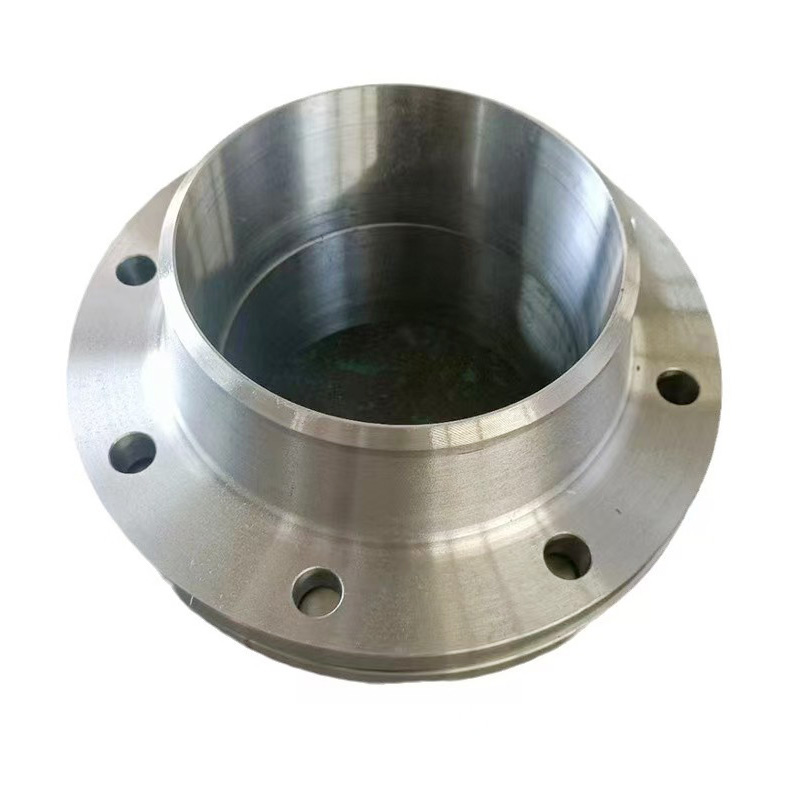
AWeld Neck Flange (WN Flange)is a type of piping flange designed to be welded to a pipe or ...
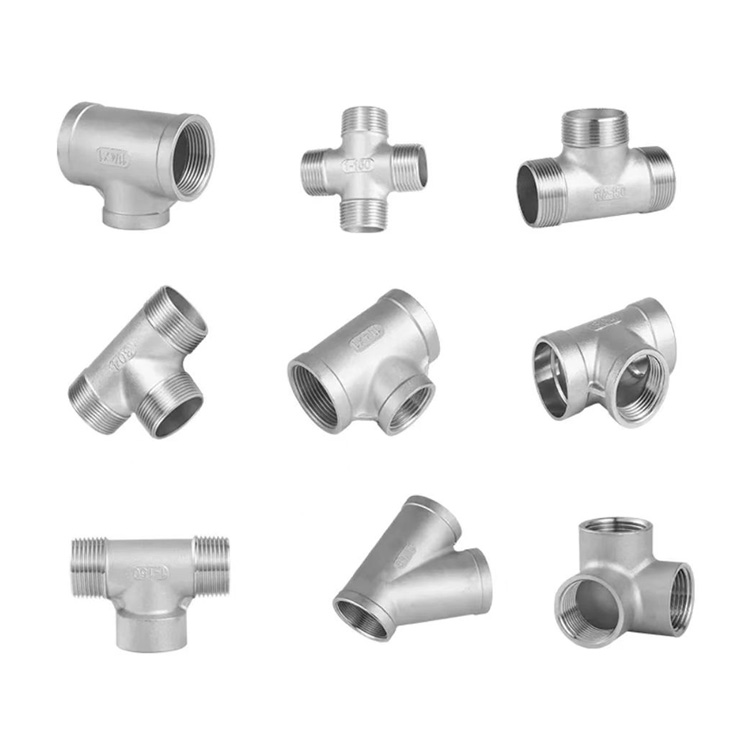
Socket fittings are essential components in piping systems, designed to connect, branch, or...
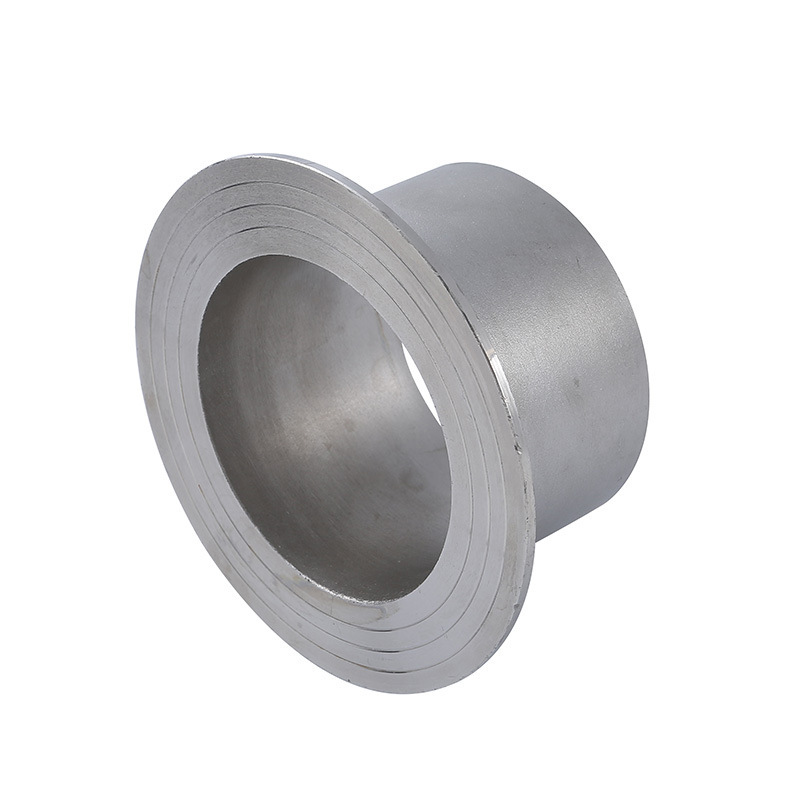
Welding ring is a commonly used metal ring component in pipeline connection or equipment do...
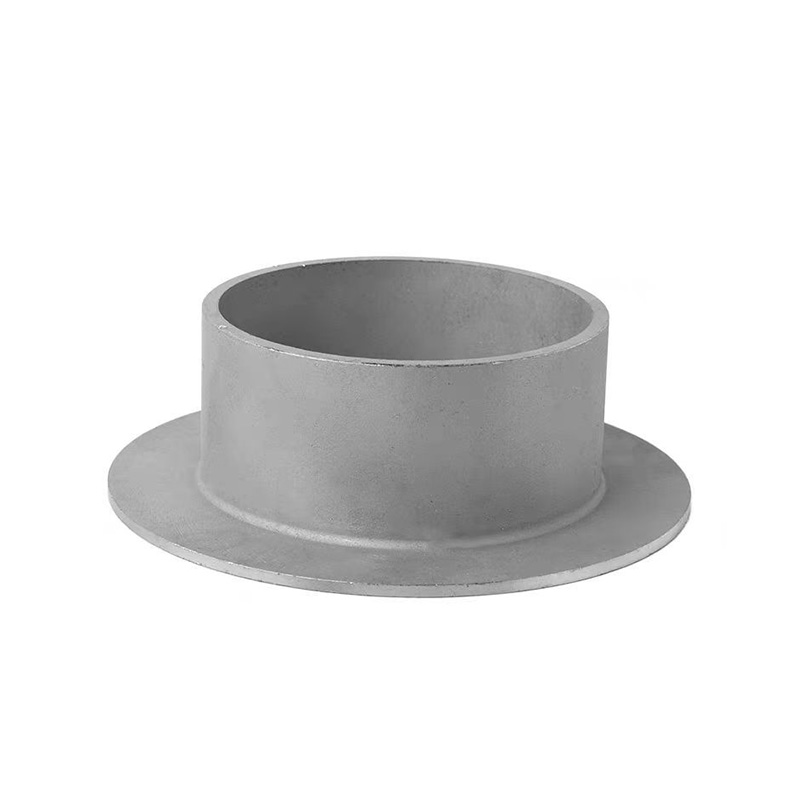
Welding ring is a pipe fitting used for pipeline connection. The following is its detailed ...