Welding Plate Flange Explained: A Complete Guide for Industrial Use
2026-04-14 09:45:50
In modern industrial piping systems, connection reliability is not just a design preference—it is a safety requirement. Among various flange types used across oil, gas, construction, and manufacturing industries, the welding plate flange stands out for its structural simplicity and strong welded connection. This article provides a professional overview of the welding plate flange, including its structure, working principle, applications, and selection considerations, with a focus on engineering reliability and long-term performance.
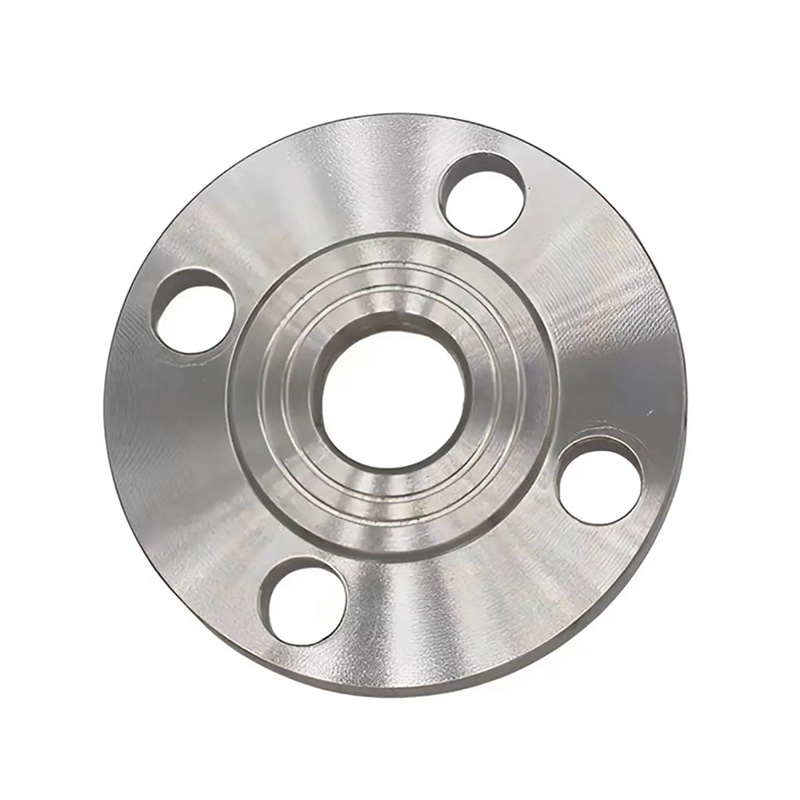
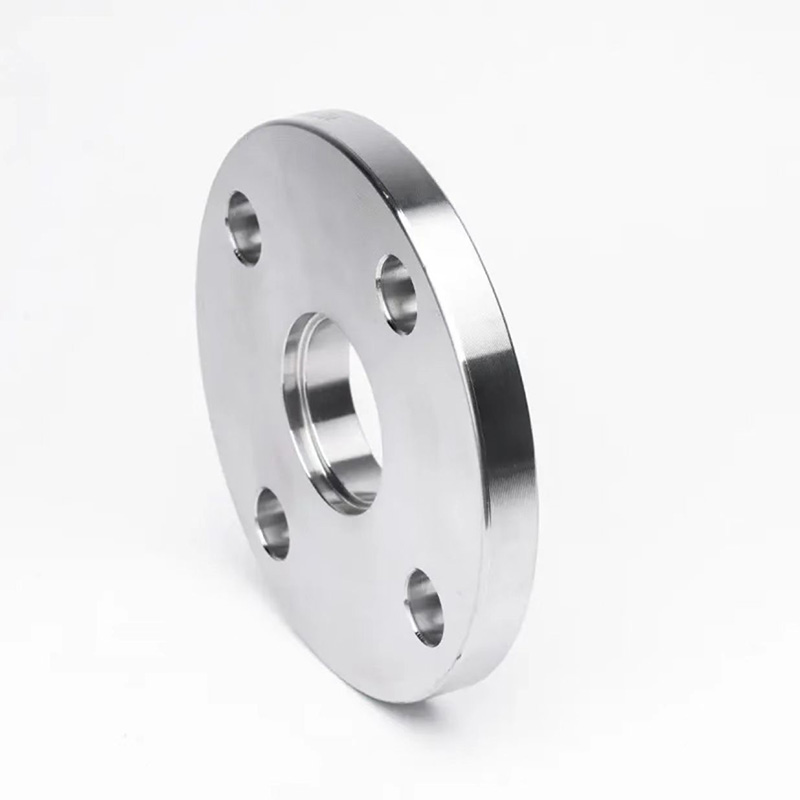
1. What Is a Welding Plate Flange?
A welding plate flange is a flat circular steel component used to connect pipes, valves, pumps, and other equipment in a piping system through welding. Unlike raised-face or threaded flanges, the plate flange is designed with a flat profile, making it easier to align and weld onto pipe ends or mating components.
From an engineering perspective, this type of flange is valued for its straightforward geometry and cost efficiency. It is widely used in low to medium pressure systems where ease of installation and structural stability are more important than extreme pressure resistance. Naturally, terms like welding plate flange, plate flange, industrial flange are often used interchangeably in engineering documentation, although they may differ slightly in design standards.
2. Structural Characteristics and Design Principles
The design of a welding plate flange is relatively simple but highly functional. It typically consists of a flat circular plate with evenly spaced bolt holes along the outer ring. This allows it to be securely bolted to a matching flange or equipment interface.
The core engineering principle behind its structure is load distribution. When bolts are tightened, the pressure is evenly distributed across the flange face, reducing localized stress concentrations. This improves sealing stability when used with appropriate gaskets.
Key structural advantages include:
·Uniform stress distribution
·Simple geometry for manufacturing
·Compatibility with multiple piping systems
·Easy alignment during installation
These features make the welding plate flange a preferred option in many general industrial applications where reliability and simplicity are required.
3. Material Selection and Manufacturing Standards
Material selection plays a critical role in determining the performance of a welding plate flange. Common materials include carbon steel (such as ASTM A105), stainless steel (such as 304 and 316), and alloy steel for specialized environments.
Manufacturing typically involves cutting, forging or stamping, followed by precision machining to ensure dimensional accuracy. In high-quality production environments, strict adherence to international standards such as ANSI, DIN, or EN is essential to guarantee interchangeability and safety.
From an E-E-A-T perspective, reputable manufacturers apply rigorous quality control procedures, including:
·Dimensional inspection
·Ultrasonic testing for internal defects
·Surface treatment checks
·Pressure testing when required
These processes ensure that every industrial flange meets performance expectations in demanding operating conditions.
4. Key Applications in Industrial Systems
The welding plate flange is widely used across multiple industries due to its versatility and cost-effectiveness. In pipeline engineering, it is commonly applied in water supply systems, compressed air networks, and low-pressure chemical transport systems.
In the oil and gas industry, it is often used in auxiliary systems rather than high-pressure critical lines. In construction and manufacturing, it plays an important role in HVAC systems, structural piping, and utility distribution networks.
Typical application scenarios include:
·Pipeline connection points
·Pump and valve interfaces
·Tank inlet/outlet systems
·Industrial fluid distribution networks
Because of its stable mechanical performance, the plate flange remains a foundational component in pipeline flange systems worldwide.
5. Installation Process and Welding Considerations
Proper installation is essential to ensure long-term sealing performance and structural integrity. The welding plate flange is typically installed using butt welding or fillet welding methods depending on system design.
Before welding, surface preparation is critical. Any oil, rust, or debris must be removed to ensure strong metallurgical bonding. During welding, controlled heat input is required to avoid deformation or residual stress buildup.
After installation, alignment checks and bolt tightening procedures must be performed in a cross-pattern sequence to ensure even gasket compression. Poor installation practices can significantly reduce the lifespan of the system, even when using high-quality materials.
6. Advantages and Limitations in Engineering Use
One of the main advantages of the welding plate flange is its balance between performance and cost. It is easy to manufacture, simple to install, and widely compatible with standard piping systems.
Advantages include:
·Cost-effective solution for industrial piping
·Easy welding and installation process
·Wide material availability
Suitable for various non-high-pressure systems
However, it also has limitations. It is not recommended for extremely high-pressure or highly corrosive environments unless special materials and coatings are applied. Engineers must evaluate system requirements carefully before selecting this flange type.
In this context, keywords such as industrial flange, welding plate flange, pipeline flange reflect its positioning as a general-purpose but essential engineering component.
7. How to Choose the Right Welding Plate Flange
Selecting the correct flange requires consideration of several engineering factors. Pressure rating, temperature range, fluid type, and environmental conditions all play a role in determining suitability.
For example, stainless steel flanges are preferred in corrosive environments, while carbon steel is commonly used in standard industrial systems. Bolt size, gasket type, and flange thickness must also align with system specifications.
From a procurement and engineering standpoint, working with a qualified supplier ensures compliance with international standards and reduces long-term maintenance risks. High-quality manufacturing and traceability are key indicators of reliability.
Conclusion
The welding plate flange remains a fundamental component in industrial piping systems due to its simplicity, reliability, and adaptability. While it may not be suitable for extreme conditions, its performance in general applications makes it an indispensable part of modern engineering infrastructure.
By understanding its structure, material options, installation methods, and application scenarios, engineers and procurement professionals can make informed decisions that enhance system safety and efficiency. Whether used in construction, manufacturing, or utility networks, the welding plate flange continues to play a vital role in ensuring stable and secure pipeline connections.
References
GB/T 7714:Flanges and Their Joints – Circular Flanges for Pipes, Valves, Fittings and Accessories.European Committee for Standardization (CEN
MLA:Comparative Analysis of ASME B16.5 and EN 1092-1 Welding Neck Flanges.Journal of Pressure Vessel Technology.
APA:International Journal of Mechanical Computational and Manufacturing Research
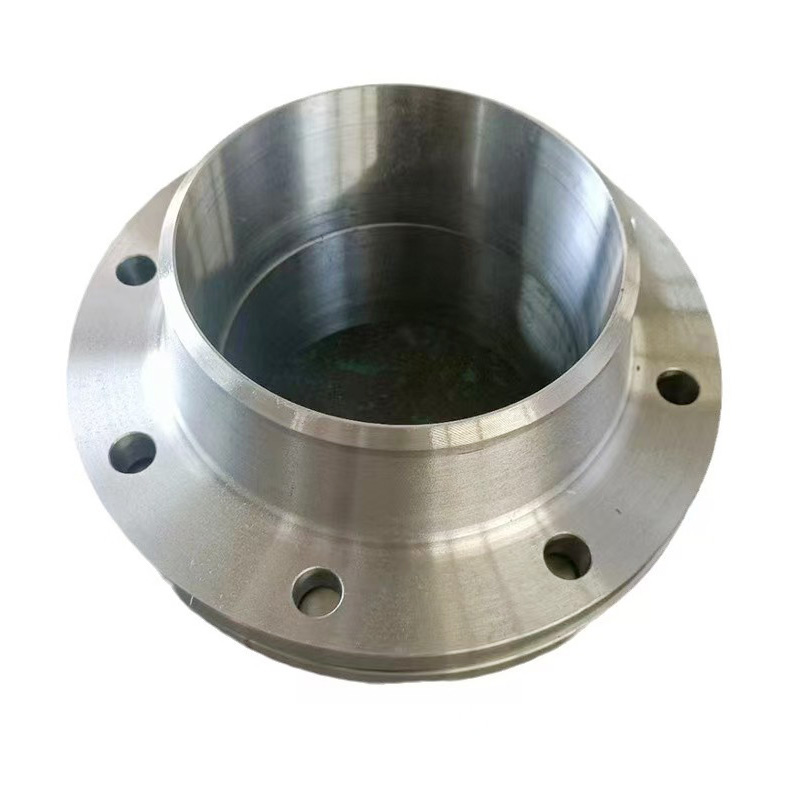
AWeld Neck Flange (WN Flange)is a type of piping flange designed to be welded to a pipe or ...
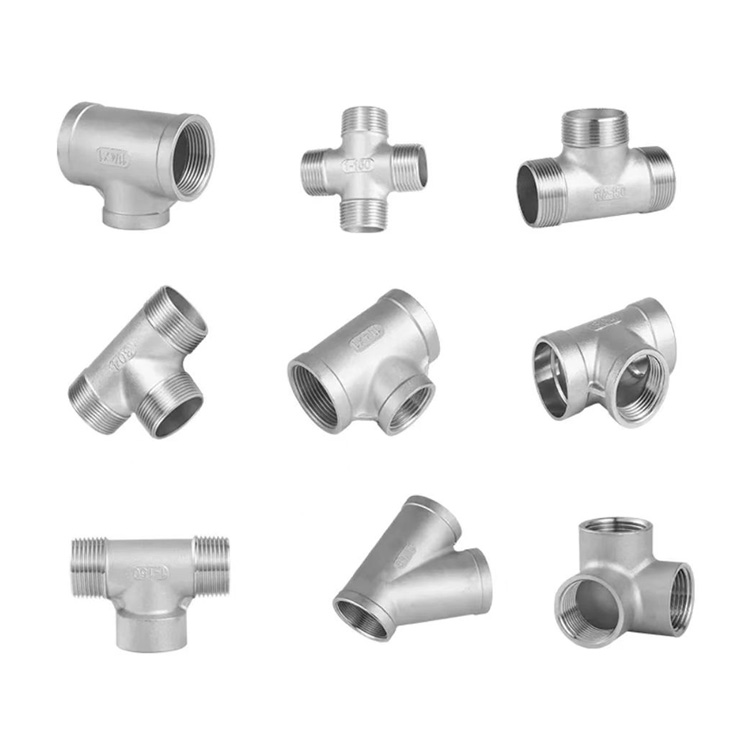
Socket fittings are essential components in piping systems, designed to connect, branch, or...
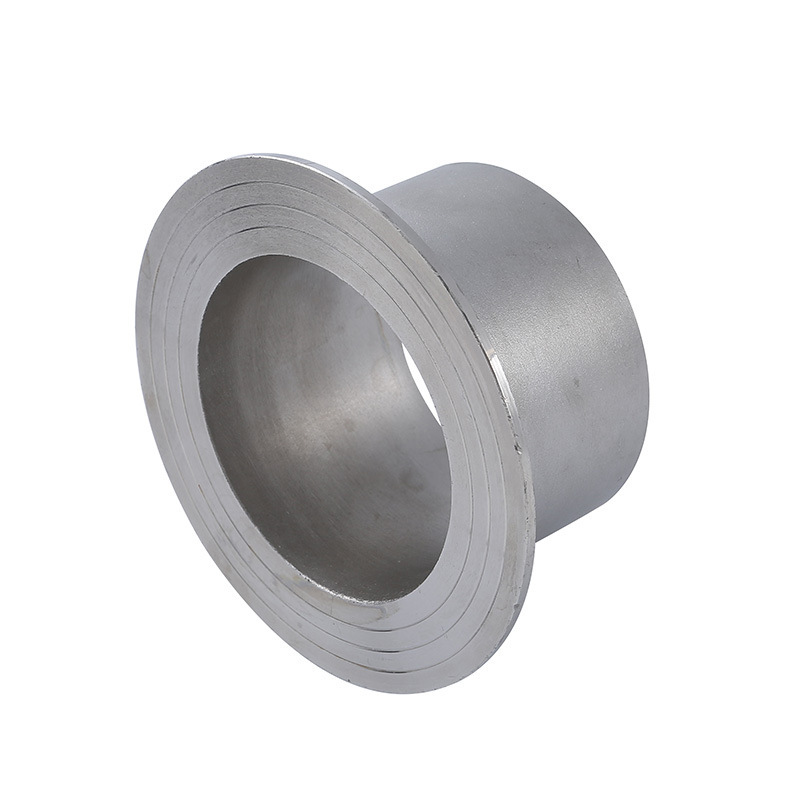
Welding ring is a commonly used metal ring component in pipeline connection or equipment do...
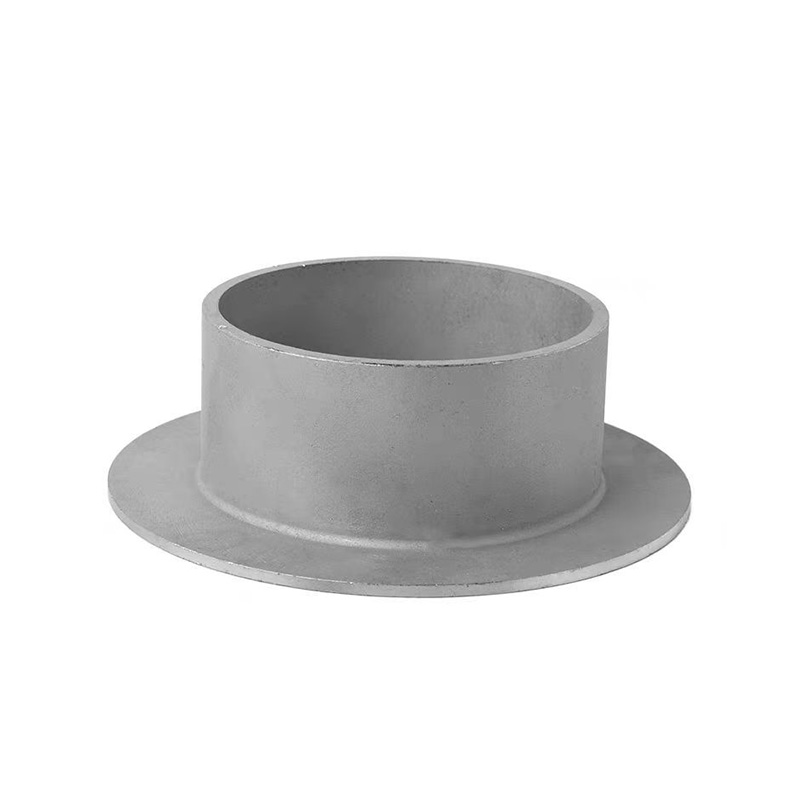
Welding ring is a pipe fitting used for pipeline connection. The following is its detailed ...