High-Performance Stainless Steel Elbow for Demanding Industrial Piping Systems
2026-09-23 12:43:58
In the demanding environment of modern process piping, changing the direction of flow is one of the most consequential decisions an engineer makes. A stainless steel elbow does far more than turn a pipe: it determines pressure drop, erosion behaviour, weld integrity and ultimately how long a line runs before its next shutdown. Whether a project calls for a 45 degree elbow for a gentle directional change or a 90 degree elbow for a tight turn inside a pipe rack, the fitting must match the line's pressure class, schedule and corrosion environment.
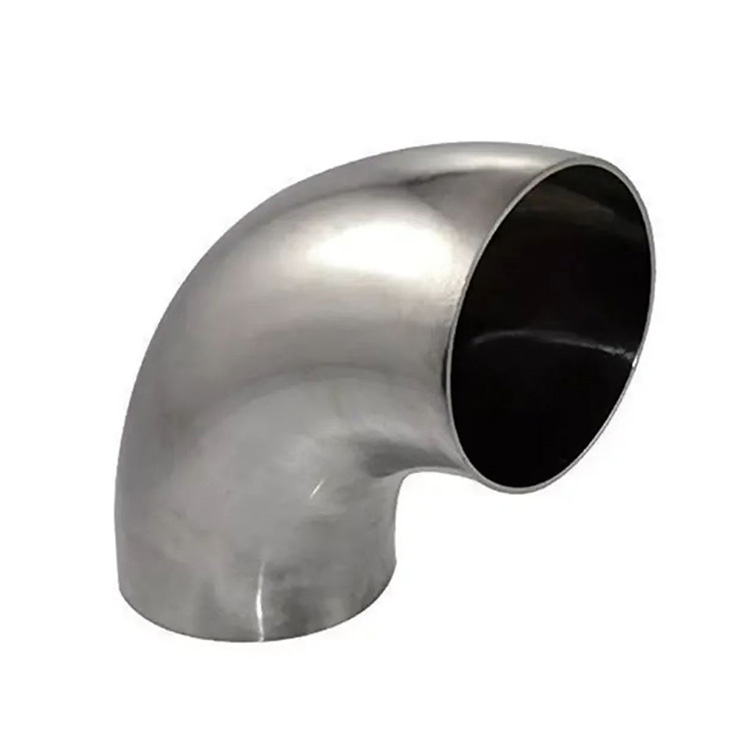
Why Flow Direction Control Starts with the Right Elbow
Every directional change introduces turbulence, localized pressure loss and mechanical stress at the intrados and extrados of the fitting. A poorly specified elbow accelerates erosion-corrosion, increases pumping cost and creates a fatigue-prone point that fails first under thermal cycling. Selecting the correct radius, wall thickness and material is therefore a life-cycle decision rather than a procurement detail.
The butt weld elbow is the industry default for permanent, high-integrity lines because it is welded directly to the pipe, creating a continuous bore with no crevice, no thread and no gasket to leak.
45 Degree Elbow vs 90 Degree Elbow: Choosing the Angle
| Angle | Typical use | Engineering benefit |
|---|---|---|
| 45° | Gradual offsets, sloped lines, pump suction routing | Lower pressure drop, smoother flow, easy pigging |
| 90° long radius (R = 1.5D) | Standard process and utility lines | Balanced pressure loss and space efficiency |
| 90° short radius (R = 1D) | Confined spaces, skids, compact manifolds | Saves space at the cost of higher turbulence |
| 180° return | Heat exchangers, coil assemblies | Reverses flow in a compact footprint |
When a line only needs a small offset, two 45° fittings often outperform a single 90° fitting: the total pressure loss is lower and the flow stays attached to the wall, which matters in slurry, condensate and high-velocity vapour service.
Material Grades and Applicable Standards
Stainless grades dominate corrosive and hygienic service. Common selections include ASTM A403 WP304/304L for general corrosion resistance, WP316/316L for chloride and marine exposure, WP321 and WP347 for stabilized high-temperature duty, and duplex 2205 where both strength and pitting resistance are required. For non-corrosive utility service, carbon steel to ASTM A234 WPB remains the economical choice.
Dimensional compliance is equally critical. Production is routinely referenced to ASME B16.9 for butt-welding fittings, MSS SP-43 for light-wall stainless fittings, and the equivalent GB/T 12459, DIN 2605, JIS B2313 and BS specifications for projects outside the North American market.
From Seamless Pipe to Finished Elbow
Seamless elbows begin as a cut length of seamless pipe. The manufacturing route typically combines hot or cold forming with a mandrel, medium-frequency induction pushing, sizing, heat treatment and finishing:
Hot forming / induction pushing – delivers uniform wall thickness and a clean intrados without folds.
Solution annealing and pickling/passivation – restores the corrosion-resistant chromium oxide layer after forming.
Bevel machining – ASME B16.25 end preparation for repeatable, full-penetration welds.
Dimensional and NDT verification – ovality, wall thickness, angle tolerance, plus PT/MT/UT as specified.
Dimensions and Pressure Ratings
Standard production covers 1/2" to 48" (DN15–DN1200) in wall thicknesses from SCH 10S through SCH 160 and XXS. Because a butt-welding fitting inherits the rating of the pipe to which it is welded, engineers should verify that the elbow bore matches the pipe inside diameter — a mismatch creates a step that generates turbulence and a preferential erosion site.
Typical Applications
Petrochemical and refinery process lines where chloride stress corrosion must be avoided
Power generation steam, condensate and cooling water systems
Chemical and pharmaceutical plants requiring cleanable, corrosion-free bore surfaces
Shipbuilding and offshore piping exposed to salt spray
Pulp, paper and water treatment lines handling abrasive or wet media
Specification tip: always state standard (ASME B16.9 / MSS SP-43), grade (A403 WP316L etc.), nominal size, schedule, radius (LR or SR) and end preparation on the enquiry — this single line removes most quotation ambiguity.
Hebei Tianlong Pipeline Equipment Co., Ltd. manufactures and stocks these fittings in carbon steel, stainless steel and alloy steel to GB, ANSI, JIS, DIN and BS standards, with in-house forging, heat treatment, machining and non-destructive testing.
Frequently Asked Questions
What is the difference between a long radius and a short radius elbow?
A long radius elbow has a centre-to-face dimension of 1.5 times the nominal pipe size (R = 1.5D), while a short radius elbow is 1.0 times (R = 1D). Long radius fittings are the default because they generate less pressure drop and erosion; short radius fittings are used where space is limited.
Can stainless steel elbows be used in high-temperature steam service?
Yes. Stabilized grades such as A403 WP321 or WP347, or duplex grades for higher strength, are commonly specified where thermal cycling and sensitization are concerns. Confirm the design temperature against the allowable stress table of the applicable code.
Which standards should I reference when importing elbows for a European project?
European projects typically reference EN 10253 / DIN 2605 dimensions, while North American and many Middle East projects reference ASME B16.9. A manufacturer able to produce to GB, ANSI, JIS, DIN and BS can match the required specification without redesign.
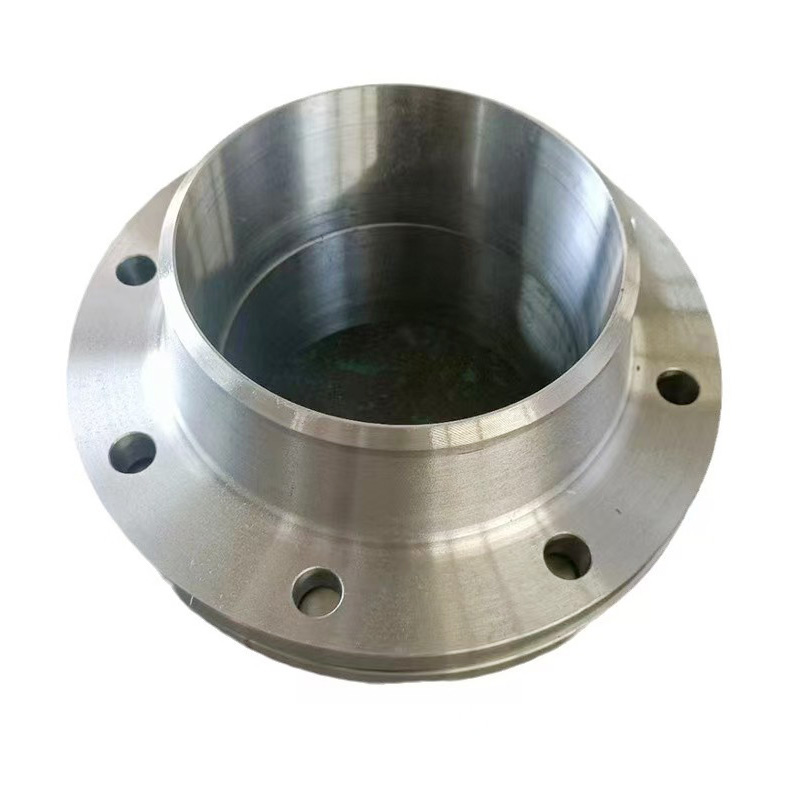
AWeld Neck Flange (WN Flange)is a type of piping flange designed to be welded to a pipe or ...
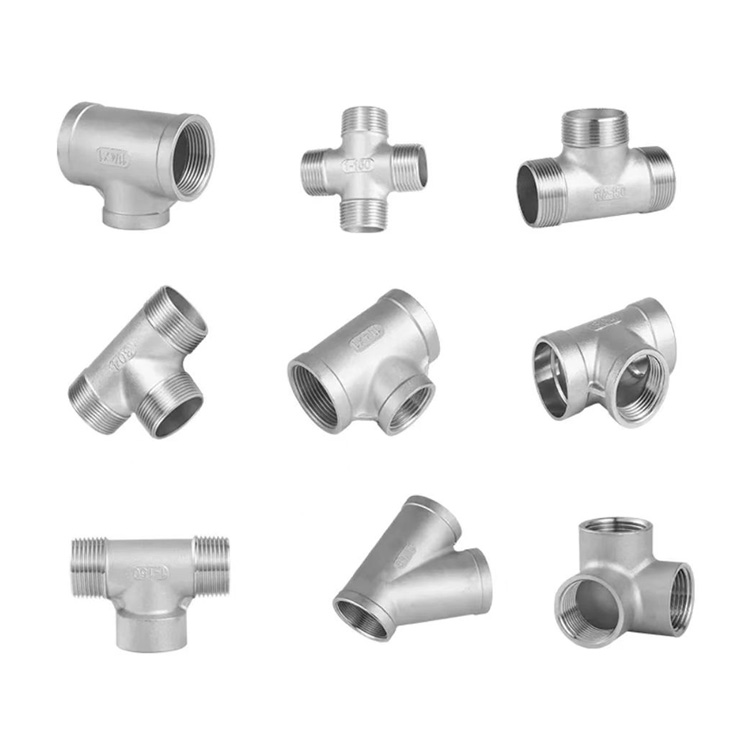
Socket fittings are essential components in piping systems, designed to connect, branch, or...
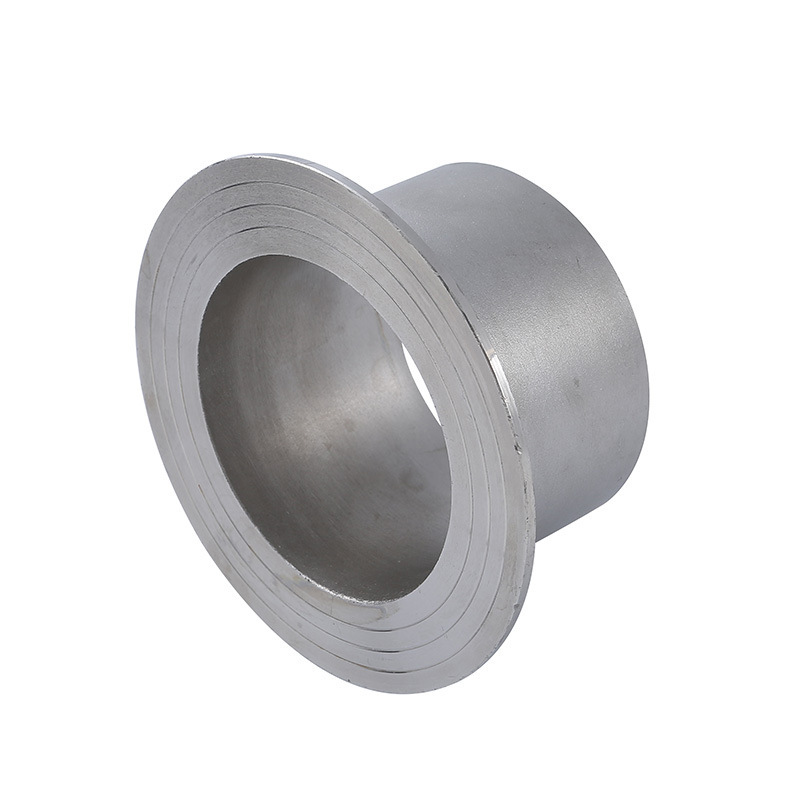
Welding ring is a commonly used metal ring component in pipeline connection or equipment do...
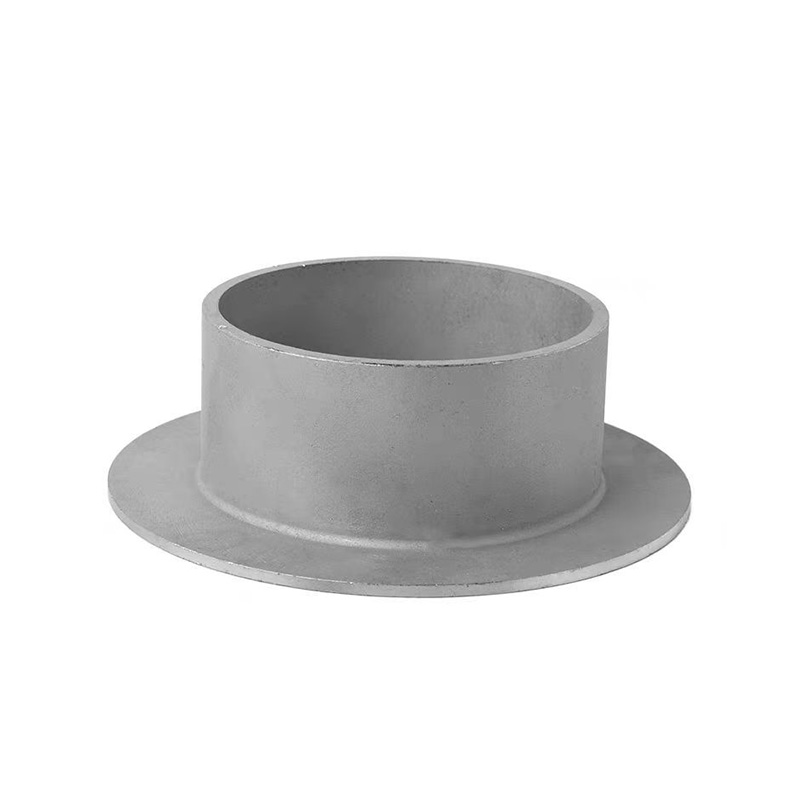
Welding ring is a pipe fitting used for pipeline connection. The following is its detailed ...