Eccentric Reducer vs Concentric Reducer: How to Choose the Right Pipe Reducer
2026-10-02 13:28:56
A reducer, often called a big-and-small head in the field, is the fitting that joins two pipe sizes while keeping flow stable. Choosing between a eccentric reducer and a concentric reducer looks trivial on a drawing, yet the wrong choice is a classic cause of cavitation, gas pockets and blocked drains. Understanding where each geometry belongs is one of the fastest ways to improve pump reliability and line drainage.
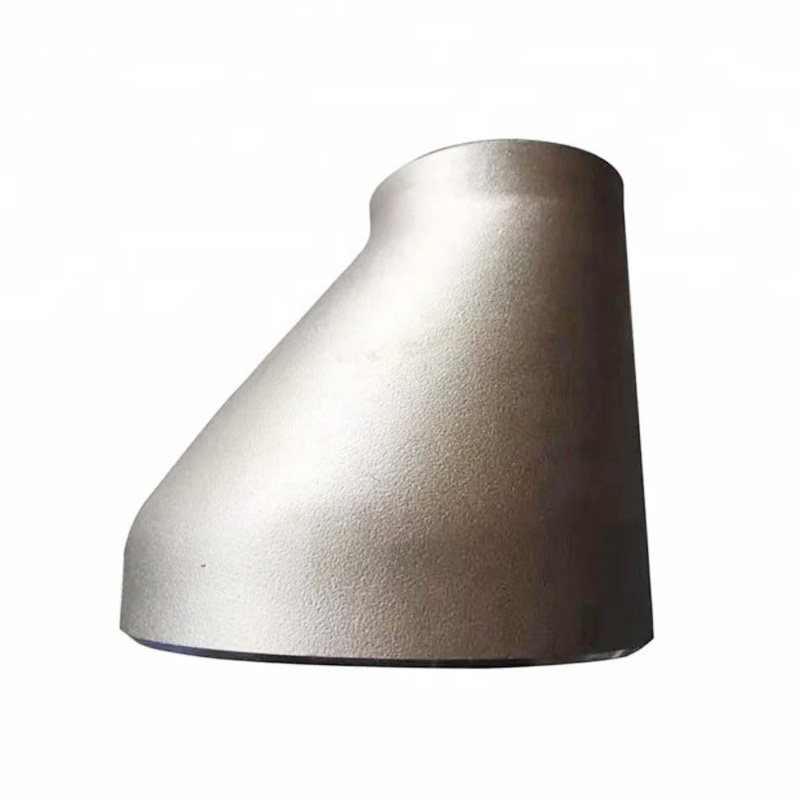
Concentric Reducer: The Symmetric Choice
A concentric reducer is a cone with both ends on the same centreline. Flow stays symmetrical, so it is the standard choice for:
vertical lines where orientation cannot be controlled;
discharge piping, where the fluid is already pressurized and no vapour pocket forms;
slurry and solids-bearing lines, where an eccentric flat side would let material settle;
gas and vapour lines that must drain freely in both directions.
Eccentric Reducer: The Drainage and Pump-Suction Choice
An eccentric reducer offsets one side so that one surface stays flat and level. That flat side is the entire reason the fitting exists:
Pump suction, flat side up (flat on top) – prevents an air or vapour pocket from accumulating and entering the impeller, which is the leading cause of cavitation damage.
Horizontal drainage lines, flat side down – lets liquid drain completely to a low point so the line can be flushed or winterised.
Two-phase or condensing service – keeps the liquid phase travelling along the bottom of the pipe without slug formation.
Field rule: on pump suction the flat side of an eccentric reducer goes on TOP; on drains and gravity-flow lines the flat side goes on the BOTTOM. Always mark the orientation on the isometric.
Standards, Sizes and Materials
| Parameter | Typical offering |
|---|---|
| Dimensional standard | ASME B16.9, MSS SP-43 (light wall), GB/T 12459, DIN 2616, JIS B2312/2313 |
| Size range | 1/2" × 1/4" up to 48" × 40" (DN15–DN1200) |
| Wall thickness | SCH 10S / 10 / 20 / 40S / 40 / 80S / 80 / 120 / 160 / XXS |
| Carbon steel | ASTM A234 WPB, A420 WPL6 (low temperature) |
| Stainless steel | ASTM A403 WP304/304L, WP316/316L, WP321, duplex 2205 |
| Alloy steel | ASTM A234 WP5, WP9, WP11, WP22, WP91 |
How Reducers Are Manufactured
Seamless reducers start from a pipe blank that is reduced by hot spinning, pressing or one-piece forming, then heat treated and machined. Welded reducers are pressed from plate and longitudinally welded, which is economical for large diameters and thin walls but introduces a seam requiring radiography. In both cases the end bevels are machined to ASME B16.25 so the weld procedure qualified for the pipe also covers the fitting.
Pressure Drop and Installation Considerations
A sudden change in size generates turbulence; keep the included cone angle modest and align the reducer so flow contracts smoothly.
Provide support near the reducer — the offset centreline of an eccentric reducer creates an unbalanced load on adjacent supports.
Confirm the end schedule on both sides: a reducer has two different sizes and each end must match its pipe.
For pigged lines, specify a long-radius or barred design so the scraper can pass without damage.
Typical Applications
Refinery transfer lines, pump suction and discharge headers, compressor stations, water and wastewater treatment, HVAC and district heating networks, and shipboard cargo and ballast systems all depend on correctly specified pipe reducer fittings.
Hebei Tianlong Pipeline Equipment Co., Ltd. manufactures and stocks these fittings in carbon steel, stainless steel and alloy steel to GB, ANSI, JIS, DIN and BS standards, with in-house forging, heat treatment, machining and non-destructive testing.
Frequently Asked Questions
Why is an eccentric reducer required on pump suction?
Because the flat-on-top installation prevents vapour from collecting at the high point of the reducer. Entrained vapour reaching the impeller causes cavitation, loss of head and rapid mechanical seal and impeller damage.
Can an eccentric reducer be installed vertically?
Yes. In vertical lines the orientation of the flat side has no drainage function, so concentric reducers are usually preferred for simplicity, unless the process requires controlled phase separation.
What is the difference between a reducer and a swage nipple?
A reducer is a butt-weld fitting used to join two pipe sizes; a swage nipple is a short concentric or eccentric reducing piece with plain, threaded or bevelled ends used for small size changes, often on instrument and utility connections.
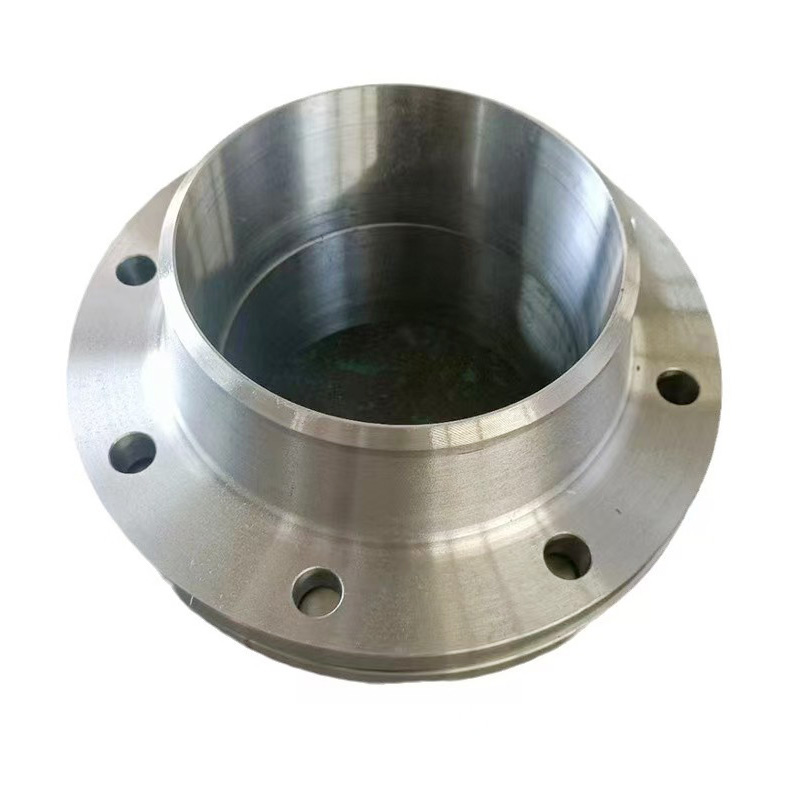
AWeld Neck Flange (WN Flange)is a type of piping flange designed to be welded to a pipe or ...
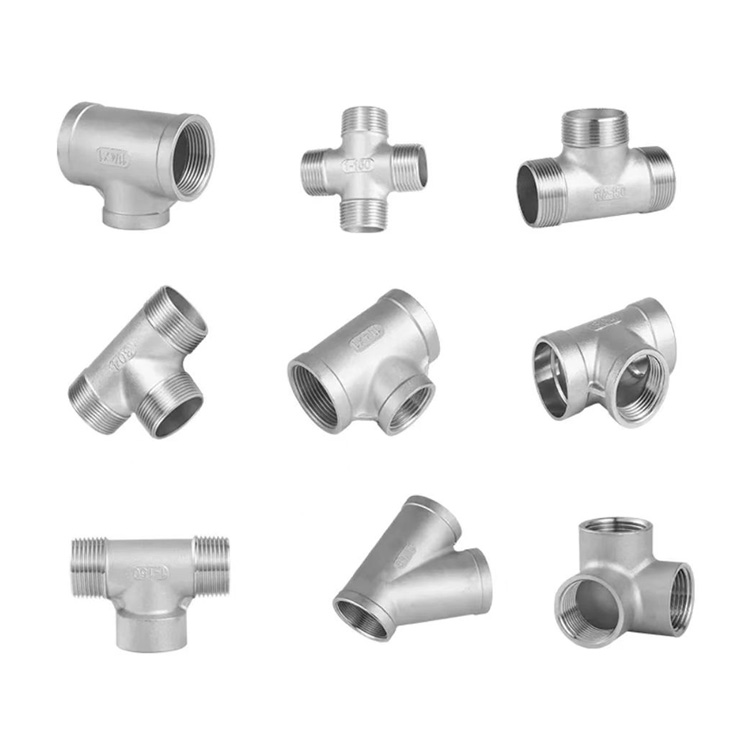
Socket fittings are essential components in piping systems, designed to connect, branch, or...
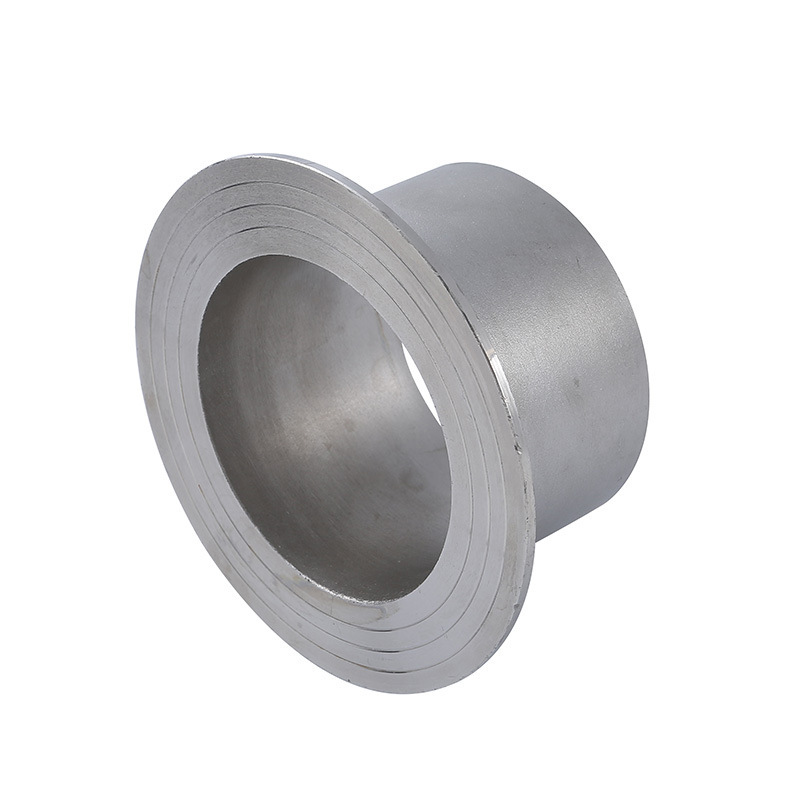
Welding ring is a commonly used metal ring component in pipeline connection or equipment do...
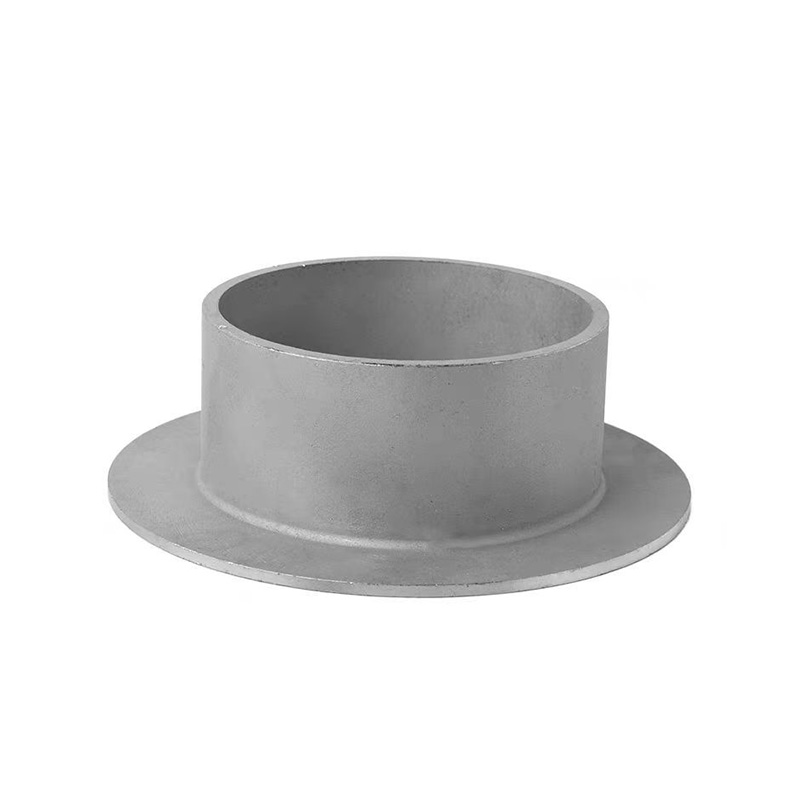
Welding ring is a pipe fitting used for pipeline connection. The following is its detailed ...