Custom Pipe Bend Solutions: 3D, 5D and Long-Radius Bends for Pipelines
2026-10-05 13:31:10
On long-distance transmission lines, every weld is a cost, an inspection obligation and a potential failure point. That is why pipeline engineers increasingly replace combinations of standard elbows with a single pipe bend of larger radius. A carbon steel pipe bend produced by medium-frequency induction bending delivers a smooth, continuous curvature with fewer welds, lower pressure loss and far better pigging behaviour than a mitered or elbow-based solution.
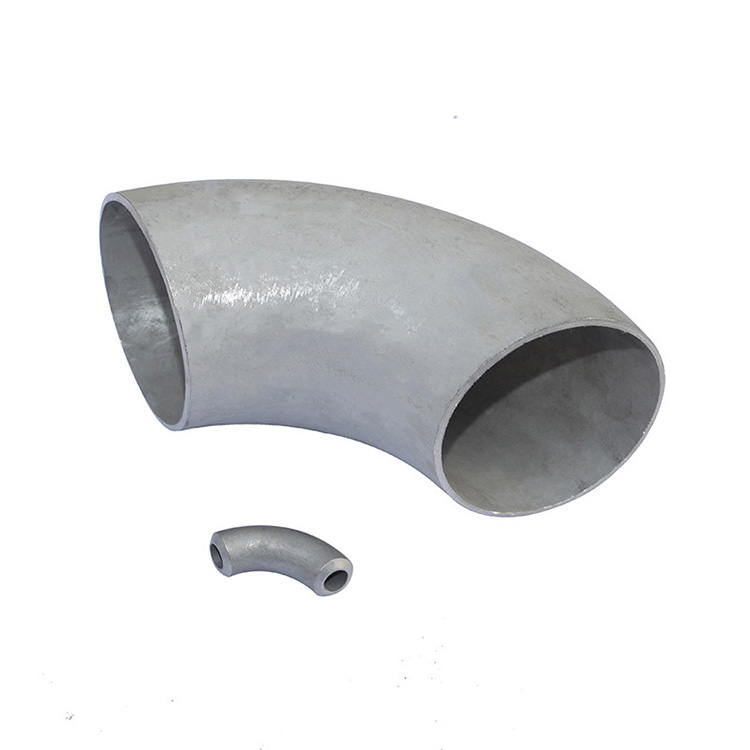
Pipe Bend vs Elbow: Understanding the Difference
Both fittings change direction, but they belong to different specification families. An elbow is a compact butt-welding fitting to ASME B16.9 with a radius of 1D or 1.5D. A bend is made from the line pipe itself, with a radius of 3D, 5D, 8D or more, and is generally referenced to ASME B16.49 or ISO 15590 for induction bends.
| Characteristic | Elbow (ASME B16.9) | Induction pipe bend |
|---|---|---|
| Bend radius | 1D / 1.5D | 3D, 5D, 6D, 8D, custom |
| Welds per direction change | Two | Two, but replaces several elbows |
| Pressure drop | Higher | Lower, flow stays attached |
| Pigging / TFL | Acceptable | Excellent |
| Typical service | Plant piping, skids | Cross-country, subsea, trunk lines |
A single 5D bend can replace three short-radius elbows plus two intermediate welds — removing two radiographs, two welder qualifications and two leak paths from the line.
How Induction Bending Works
In medium-frequency induction bending, a narrow band of the pipe is heated by an induction coil to the plastic range, the pipe is advanced through the coil at a controlled speed, and a fixed-radius arm rotates the heated zone into a curve. The bend is then cooled in air, water or by forced quench depending on the material. Because only a narrow band is heated, the base metal outside the band retains its original properties, and wall thinning on the extrados is predictable and limited.
3D bend – compact radius for station piping, risers and congested corridors.
5D bend – the pipeline default, balancing smoothness and space.
180 degree bend – return bends for heater coils, heat exchangers and subsea end terminations.
Custom angles – 45°, 60°, 90° and any intermediate angle cut to the project's alignment sheets.
Materials and Post-Bend Heat Treatment
Common base materials are ASTM A106 Gr.B, API 5L Gr.B through X70, ASTM A333 Gr.6 for low temperature, and stainless grades 304/316 or duplex for corrosive service. Carbon steel bends usually require stress relieving or normalizing after bending, followed by hydrostatic testing, dimensional verification of radius, angle and ovality, and NDT of the bend zone — typically MPI or PT on the surface plus UT wall-thickness mapping on the intrados and extrados.
Where Long-Radius Bends Add the Most Value
Oil and gas trunk lines and gathering systems that must pass intelligent pigs
Subsea and offshore pipelines where weld count drives installation cost
District heating and steam networks with high thermal expansion
Slurry and mine tailings lines where erosion at welds is the dominant failure mode
Water transmission mains, pump stations and penstocks
Enquiry checklist: pipe OD and wall thickness, material grade, bend radius (3D/5D/custom), angle, tangent lengths at each end, required ovality and thinning limits, post-bend heat treatment and NDT extent.
Hebei Tianlong Pipeline Equipment Co., Ltd. manufactures and stocks these fittings in carbon steel, stainless steel and alloy steel to GB, ANSI, JIS, DIN and BS standards, with in-house forging, heat treatment, machining and non-destructive testing.
Frequently Asked Questions
What wall thinning should I expect on an induction bend?
Typical induction bends thin the extrados by a few percent and thicken the intrados slightly. Reputable manufacturers control thinning within the limits of ASME B16.49 or ISO 15590 and document it with ultrasonic thickness readings.
Can bends be supplied with straight tangent ends?
Yes. Tangents of 300–500 mm or per project requirement are normally provided at both ends so the bend can be welded to the line without the weld sitting in the curved zone.
Are stainless and duplex pipe bends available?
Yes, though the process window is tighter. Austenitic and duplex bends are formed with controlled heat input and require solution annealing and pickling after bending to restore corrosion resistance.
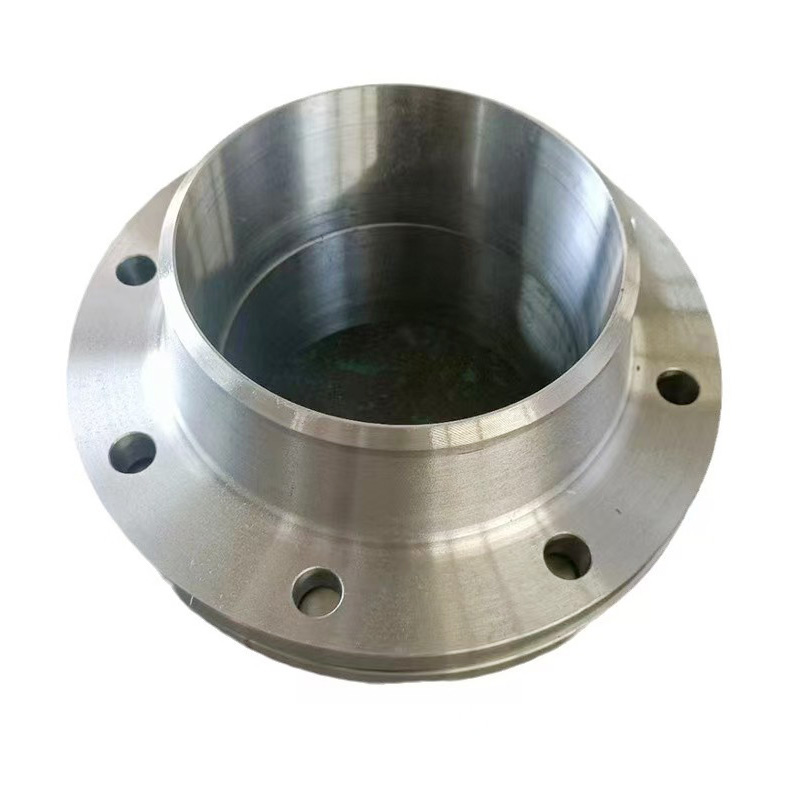
AWeld Neck Flange (WN Flange)is a type of piping flange designed to be welded to a pipe or ...
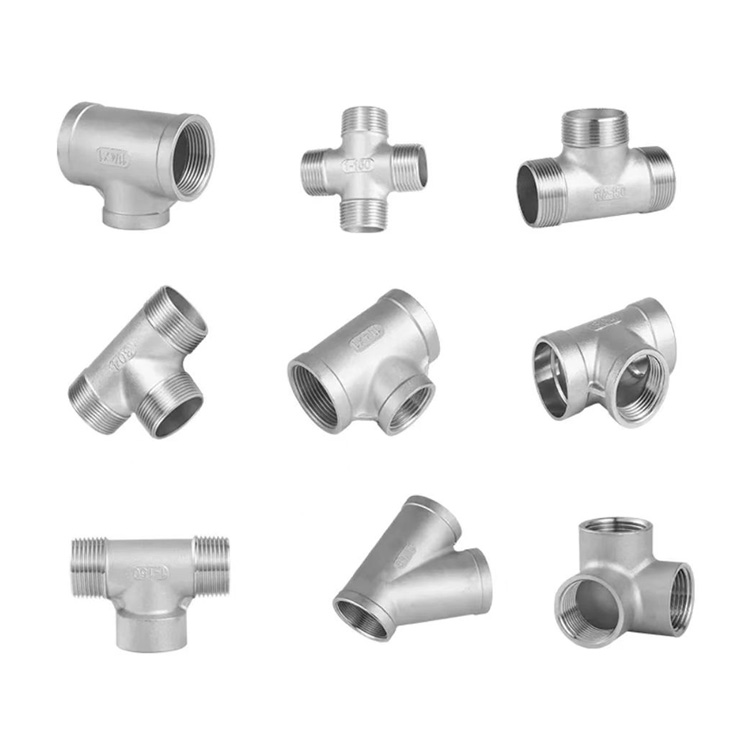
Socket fittings are essential components in piping systems, designed to connect, branch, or...
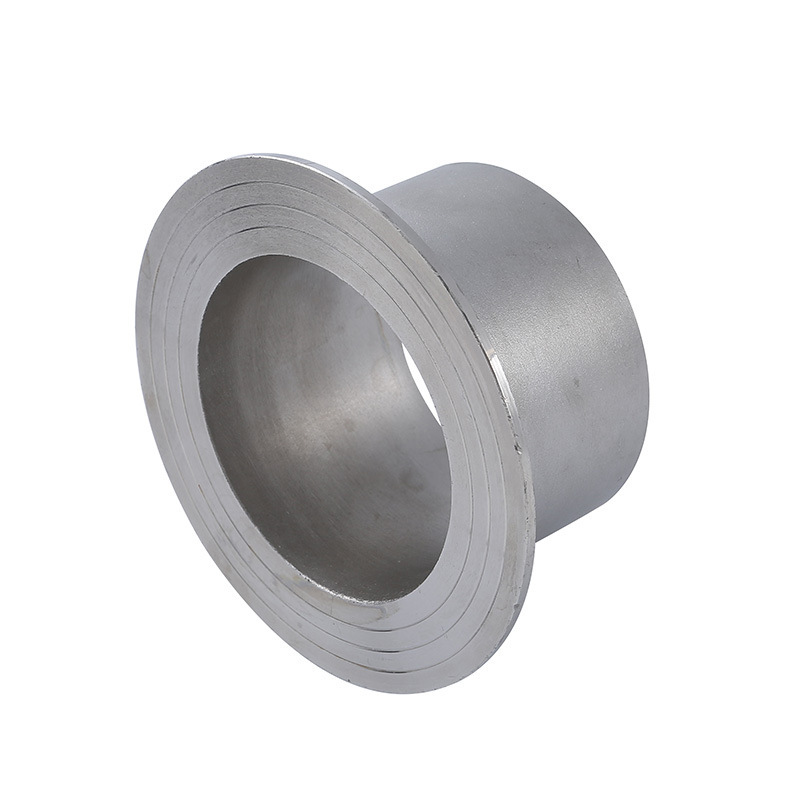
Welding ring is a commonly used metal ring component in pipeline connection or equipment do...
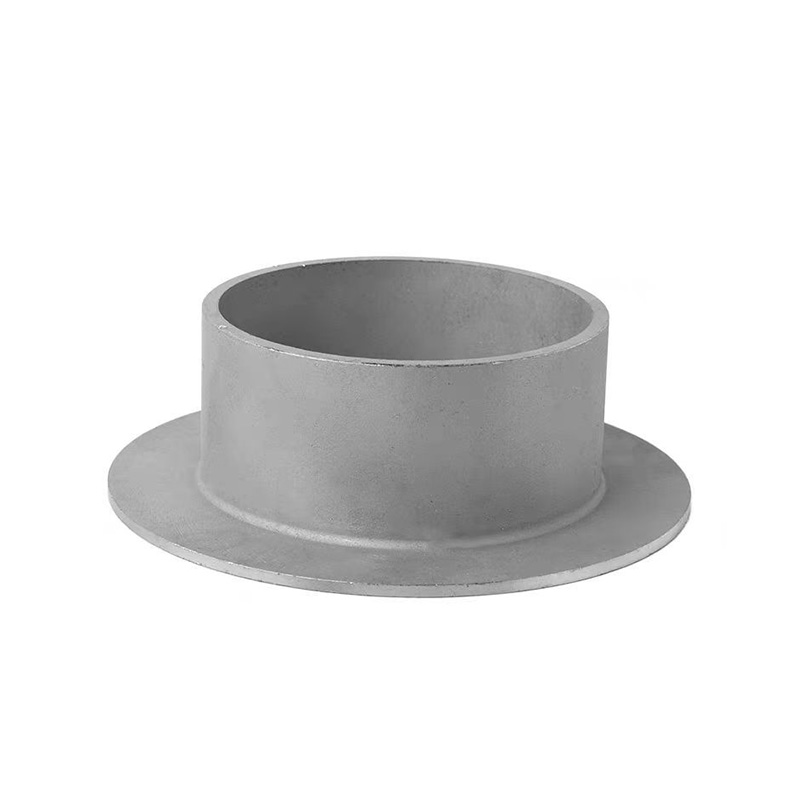
Welding ring is a pipe fitting used for pipeline connection. The following is its detailed ...