Threaded Flange and Plate Welding Flange: Cost-Effective Solutions for Low-Pressure Systems
2026-10-08 13:36:49
Not every joint needs to be welded to Class 900 standard. Across water treatment, fire protection, compressed air, HVAC and light chemical utility service, the threaded flange and the plate welding flange deliver adequate integrity at a fraction of the installed cost of a weld neck flange. Knowing where each type is acceptable — and where it is not — is what keeps budgets realistic without compromising safety.
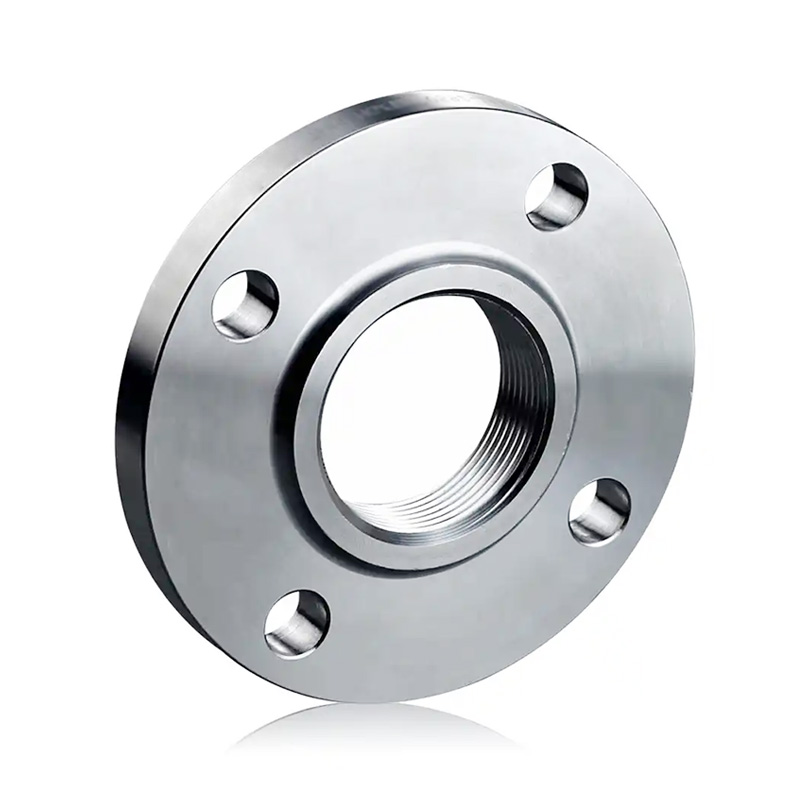
Threaded Flange: Assembly Without Welding
A threaded flange (also called a screwed flange) carries an internal taper or parallel thread matching the pipe. Its defining advantage is that no welding is required:
Ideal where a hot work permit is impractical, such as inside operating plants or fuel-handling areas.
Fast installation and dismantling for maintenance, temporary lines and skids.
Available in small sizes, typically up to 4", and generally limited to lower pressure classes.
The limitation is equally clear: a threaded joint is a mechanical seal, not a continuous pressure boundary. It is not used where thermal cycling is severe, where the fluid is toxic or lethal, or where fatigue loading is significant.
Plate Welding Flange (Slip-On Plate Flange)
The plate welding flange slides over the pipe and is secured with two fillet welds, one at the hub face and one at the back. Its overall structure is simple, the bore is larger than the pipe OD, and alignment is forgiving — which makes it the workhorse for low-pressure utility networks:
| Feature | Threaded flange | Plate welding flange | Weld neck flange |
|---|---|---|---|
| Joining method | Screwed | Two fillet welds | One butt weld |
| Typical class | 150–300 | 150–300 (PN6–PN16) | 150–2500 |
| Fatigue resistance | Low | Moderate | High |
| Installation skill | Fitter | Welder | Certified welder + NDT |
| Cost | Low | Low–moderate | Higher |
A stainless steel flat welding flange is the same concept in stainless material, used where the fluid is mildly corrosive, hygienic or where the surrounding environment is wet or coastal.
Standards and Pressure Ratings
Dimensions follow ASME B16.5 for the imperial class series, EN 1092-1 / DIN for the PN series, JIS B2220 for 5K–20K, and GB/HG standards for domestic Chinese projects. Matching the facing and bolt pattern to the mating equipment is essential — a Class 150 flange and a PN10 flange of the same nominal size do not necessarily bolt together.
Installation Practices That Prevent Leaks
Leave a small expansion gap (roughly 1.5–3 mm) between pipe end and flange face for slip-on flanges so the pipe does not bottom out during welding.
Use a compatible gasket: non-asbestos fibre or EPDM for water, nitrile for oil, PTFE for aggressive chemicals, spiral wound for higher temperature.
Tighten bolts in a cross pattern in at least three incremental steps to the specified torque, and re-torque after the first thermal cycle.
Protect the facing finish during storage and handling — a scored raised face is the most common cause of a joint that will not seal.
For threaded joints, use PTFE tape or thread sealant appropriate to the fluid and avoid over-tightening, which cracks the flange hub.
Typical Applications
Fire protection sprinkler and deluge mains, potable and wastewater treatment piping, compressed air and nitrogen distribution, chilled and heating water loops, irrigation, and low-pressure chemical utility lines are all well served by these flange types.
Hebei Tianlong Pipeline Equipment Co., Ltd. manufactures and stocks these fittings in carbon steel, stainless steel and alloy steel to GB, ANSI, JIS, DIN and BS standards, with in-house forging, heat treatment, machining and non-destructive testing.
Frequently Asked Questions
Can a threaded flange be seal-welded?
Yes. A seal weld is sometimes applied over a threaded joint to prevent leakage, but the joint still retains the mechanical limitations of the thread and should not be counted as a full-strength butt weld in design.
Which flange type is best for a 10 bar water line?
A PN16 or Class 150 plate welding (slip-on) flange with a suitable non-asbestos gasket is normally sufficient and cost-effective, provided temperature remains moderate and vibration is limited.
Do slip-on flanges require radiography?
The fillet welds of a slip-on flange are normally examined visually and by MT or PT rather than radiography, which is one reason the installed cost is lower than for a weld neck flange.
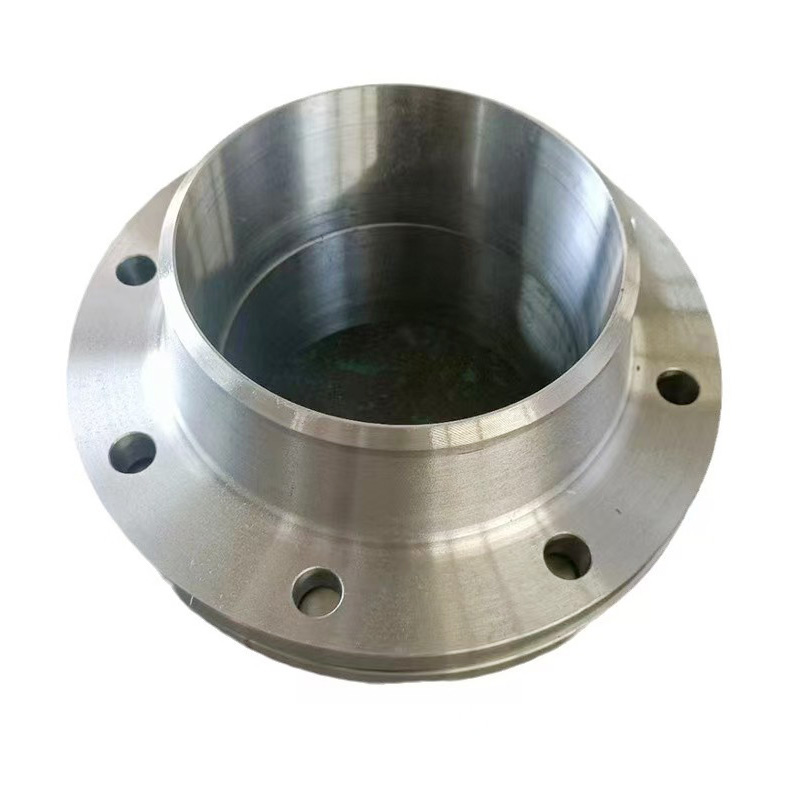
AWeld Neck Flange (WN Flange)is a type of piping flange designed to be welded to a pipe or ...
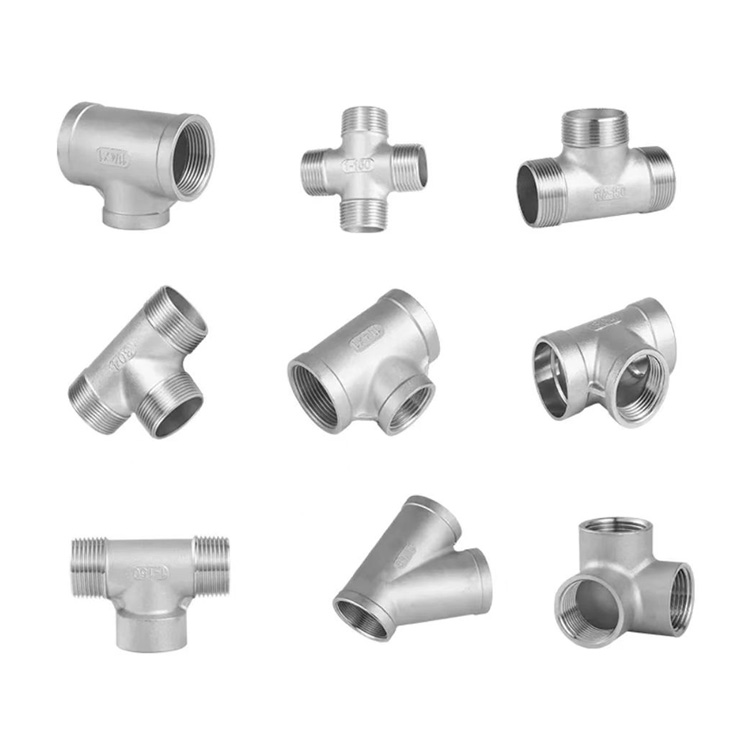
Socket fittings are essential components in piping systems, designed to connect, branch, or...
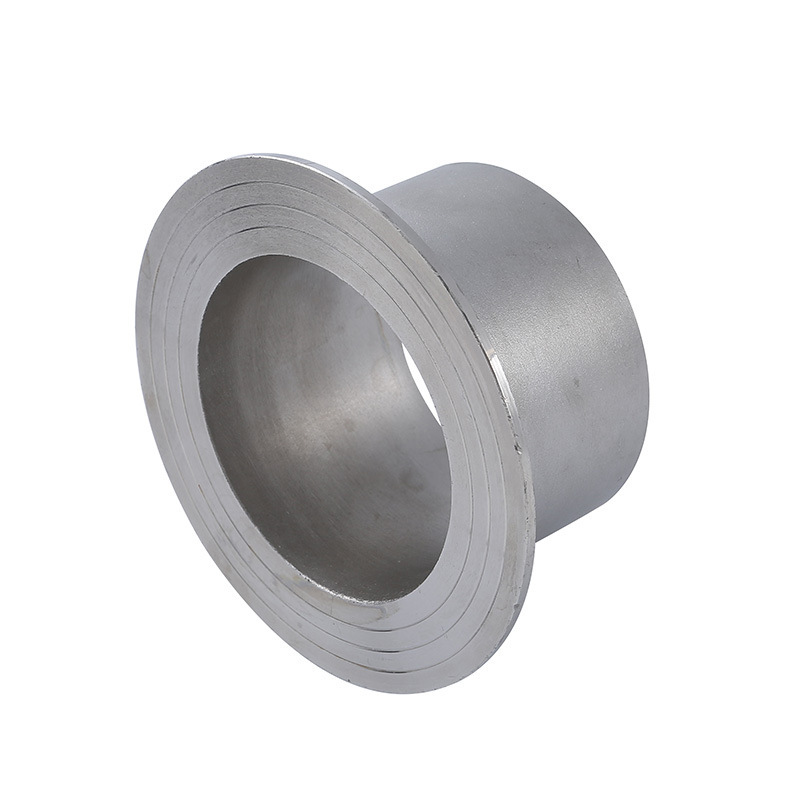
Welding ring is a commonly used metal ring component in pipeline connection or equipment do...
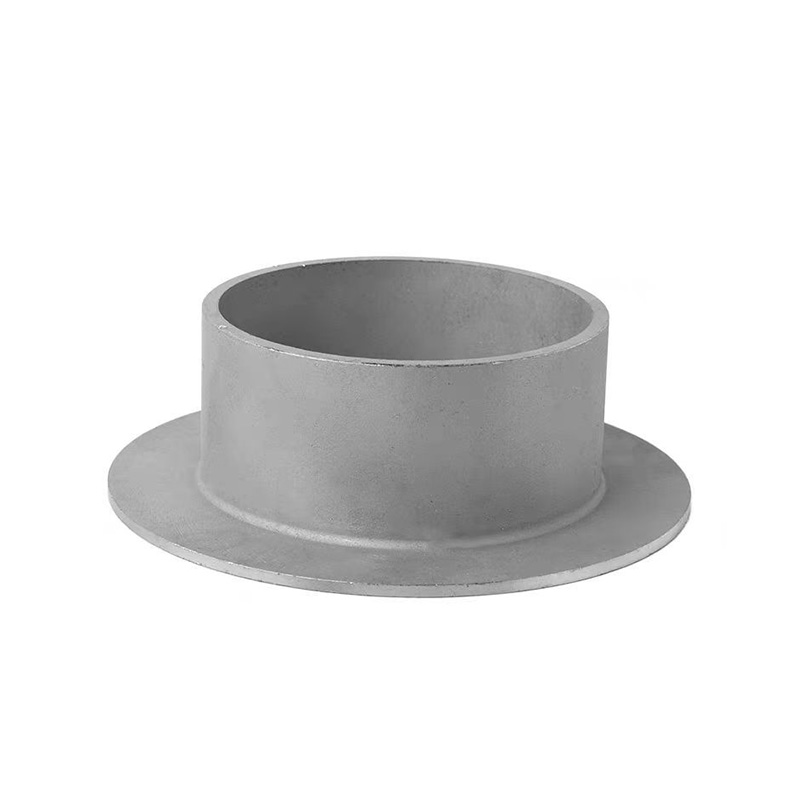
Welding ring is a pipe fitting used for pipeline connection. The following is its detailed ...