Pipe Bracket, U Bolt and Welded Pipe Support Seat: Securing Piping Against Load and Vibration
2026-10-11 13:57:45
Pipe supports rarely appear on the front page of a project, yet they determine whether a piping system survives its design life. A correctly specified pipe bracket, U bolt and welding support pipe seat carry dead weight, absorb vibration, guide thermal movement and keep loads away from nozzles and flanges. When supports are undersized, incorrectly spaced or rigid where flexibility is needed, the result is flange leakage, fatigue cracking and damaged insulation.
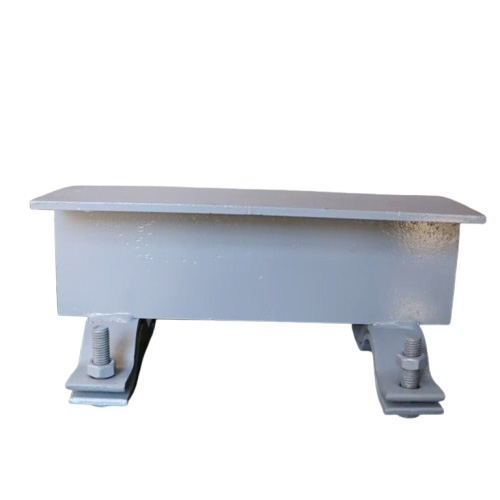
What a Pipe Support Actually Does
Load transfer – carries the weight of pipe, fluid, insulation and valves into the supporting structure.
Restraint – anchors, guides and stops control the direction and magnitude of thermal movement.
Vibration control – clamps and dampers prevent resonance from pumps, compressors and water hammer.
Protection – keeps pipe off the steelwork, prevents wear at contact points and shields insulation from crushing.
U Bolt: The Simplest, Most Versatile Clamp
The U bolt is named for its shape. It wraps under the pipe and is secured with nuts over a cross bar or directly to a structure, holding the line while permitting limited axial movement. Selection points:
Rod diameter and thread length must suit the pipe OD plus insulation thickness.
Material should match the environment: carbon steel with hot-dip galvanizing outdoors, A193 B8 / B8M stainless in coastal or chemical plants.
Use a neoprene or PTFE liner where vibration, galvanic corrosion or insulation protection is a concern.
Welding Support Pipe Seat and Reinforcement Saddles
A welding support pipe seat — also called a welded pipe support saddle or reinforcement pad — is welded directly to the pipe or vessel to provide a robust load-bearing platform for a trunnion, bracket or shoe. Unlike a clamp, it becomes part of the pressure-retaining envelope, so it must be welded with a qualified procedure, examined by MT or PT, and in some cases stress relieved. Reinforcing saddles are also used around branch connections to restore the area removed by the opening.
Support Types and Selection
| Support type | Function | Typical location |
|---|---|---|
| Rigid bracket / pipe shoe | Carries weight, no vertical flexibility | Pipe racks, general process lines |
| Guide | Allows axial movement, restrains lateral | Long straight runs, near expansion loops |
| Anchor / fixed point | Fully restrains movement | Expansion joint systems, battery limits |
| Spring hanger | Supports load with vertical travel | Hot lines with significant thermal rise |
| Constant-force support | Constant load over large travel | Steam and high-temperature headers |
| U bolt clamp | Holds pipe, allows sliding | Small bore, utility, vertical runs |
Design and Installation Guidance
Support spacing depends on pipe size, wall thickness, fluid density, insulation weight and allowable stress; as a working rule, small-bore lines need supports every 1.5–3 m while large lines may span 6–12 m with engineered shoes. Keep supports away from butt welds and flange faces, never weld a temporary attachment to a high-pressure line without engineering approval, and check that spring hangers are set to the cold load position before hydrotest.
Maintenance insight: most support-related failures begin with a loose U bolt or a seized sliding plate. Include supports in routine inspection — a rusted clamp or a frozen slide plate transfers load into pipe and equipment nozzles.
Hebei Tianlong Pipeline Equipment Co., Ltd. manufactures and stocks these fittings in carbon steel, stainless steel and alloy steel to GB, ANSI, JIS, DIN and BS standards, with in-house forging, heat treatment, machining and non-destructive testing.
Frequently Asked Questions
How far apart should pipe supports be placed?
Spacing is calculated from span stress and deflection limits, not from a fixed table. In practice, small-bore lines are supported every 1.5–3 m and large-diameter lines every 6–12 m, always with additional supports near valves, flanges and changes of direction.
When is a spring hanger required?
When a line expands vertically by more than a few millimetres at the support point, a rigid support would either lift off or overload the pipe. Spring hangers and constant-force supports maintain load while allowing that travel.
Can supports be welded directly to a pressure pipe?
Yes, but only with an approved welding procedure and qualified welder, followed by surface examination and, where required by code, post-weld heat treatment. Reinforcement pads are preferred for thin-wall or high-pressure pipe.
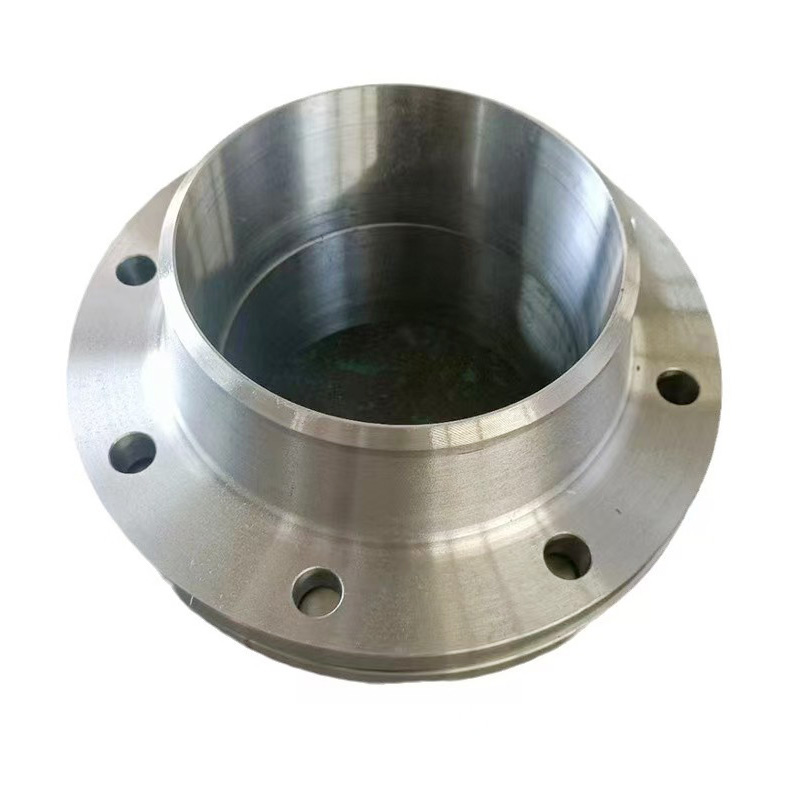
AWeld Neck Flange (WN Flange)is a type of piping flange designed to be welded to a pipe or ...
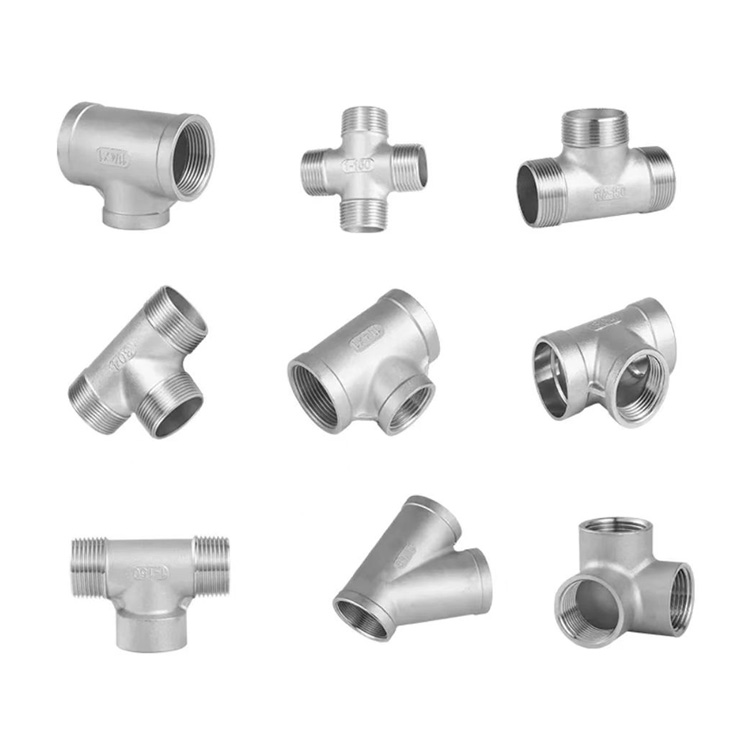
Socket fittings are essential components in piping systems, designed to connect, branch, or...
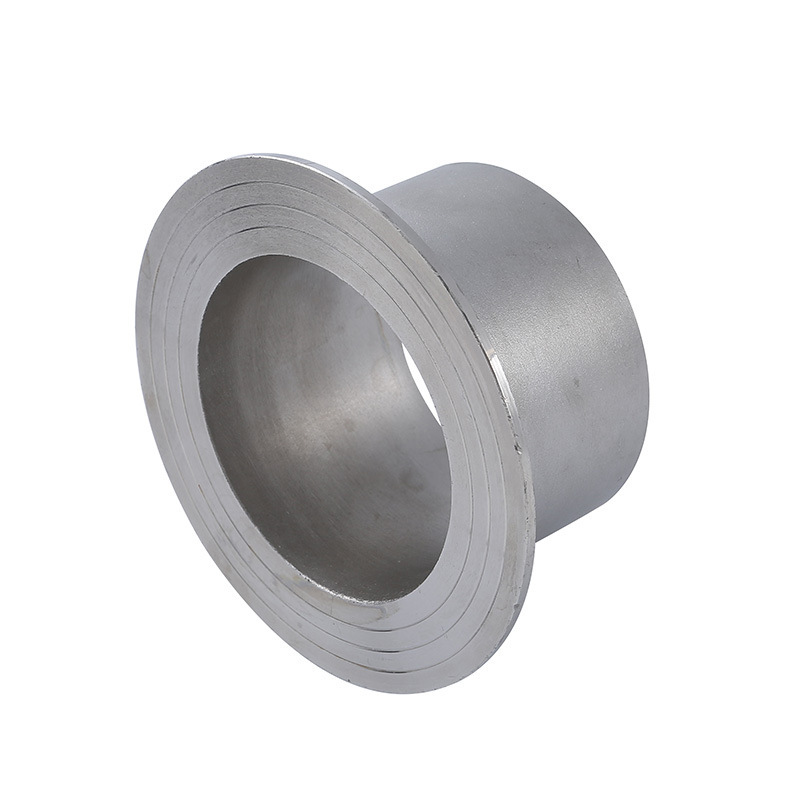
Welding ring is a commonly used metal ring component in pipeline connection or equipment do...
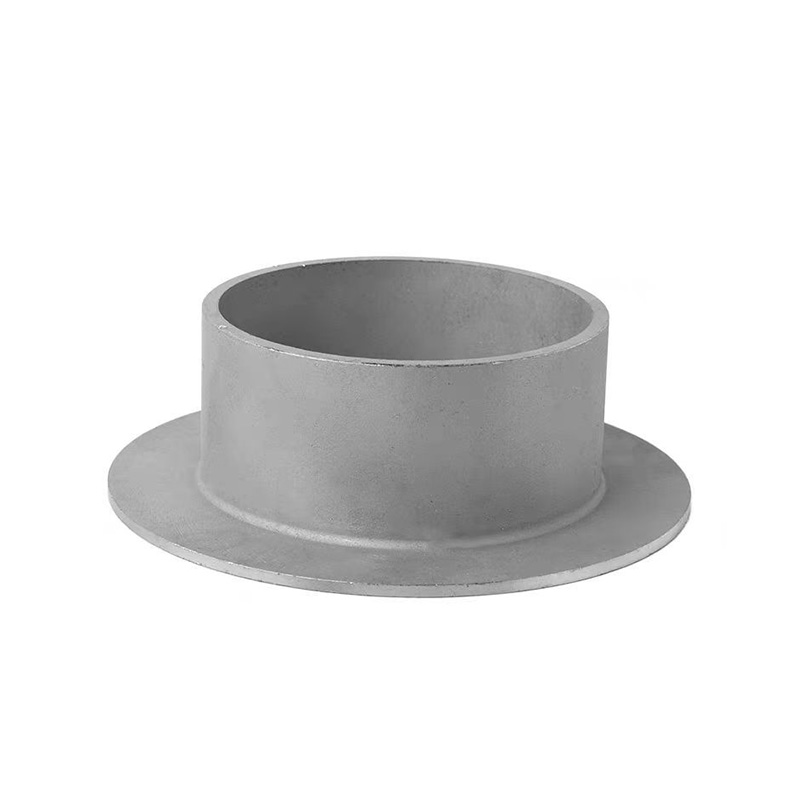
Welding ring is a pipe fitting used for pipeline connection. The following is its detailed ...