Corrugated Compensator (Bellows Expansion Joint): Absorbing Thermal Movement in Piping
2026-10-14 14:26:30
Steel expands roughly 1.2 mm per metre for every 100°C of temperature rise. On a 60 m steam header running at 300°C, that is more than 200 mm of movement that has to go somewhere. The corrugated compensator — a metallic bellows expansion joint — absorbs that movement within a short, flexible element, protecting equipment nozzles, anchors and pipe supports from forces they were never designed to carry.

What a Corrugated Compensator Does
The core of the unit is a thin-wall, multi-ply stainless bellows formed into convolutions. Axial compression and extension, lateral deflection and angular rotation are taken up by flexing of the convolutions rather than by the pipe run itself. Depending on the installation, the unit absorbs:
Thermal expansion and contraction of long straight runs;
Vibration from pumps, compressors and reciprocating equipment;
Misalignment and settlement between connected equipment;
Pressure thrust, when designed with tie rods, hinges or a balanced configuration.
Main Configurations
| Type | Movement absorbed | Typical application |
|---|---|---|
| Single axial (unrestrained) | Axial only | Short hot runs between two anchors |
| Tied / restrained axial | Axial, with pressure thrust contained by tie rods | Long runs where anchors cannot take thrust |
| Universal (two bellows) | Large lateral movement | Offsets and misaligned pipe racks |
| Hinged / gimbal | Angular rotation in one or any plane | Expansion loops, turbine and heater connections |
| Externally pressurized | Large axial travel, stable under pressure | Long district heating and steam mains |
Materials and Construction
Bellows are normally manufactured from austenitic stainless steel — 304, 316L, 321 — in single or multi-ply construction, with Inconel 625 or 825 specified for high-temperature, chloride-rich or sour environments. Key accessories include an internal liner (flow sleeve) to prevent erosion and flow-induced vibration, an external protective cover or shroud to guard against mechanical damage, and tie rods, hinges or limit stops to control movement. Design and rating are commonly referenced to the EJMA standards, GB/T 12777, and ASME Section VIII or B31 requirements where applicable.
Selection Data You Must Supply
Design pressure and design temperature, plus any vacuum or external pressure condition
Medium, including chloride content, pH and whether the flow is wet or dry
Required movements in each direction: axial compression/extension, lateral, angular
Cycle life expectation and any transient or upset conditions
End connections: weld ends, flanges to ANSI/DIN/JIS, or fixed/vanstone flanges
Installation Points That Decide Service Life
Most bellows failures are installation failures, not product failures.
Never twist the bellows to correct bolt-hole misalignment — torsional loading destroys convolutions.
Remove shipping bars only after installation and anchoring; leave them in place during hydrotest unless the manufacturer states otherwise.
Install internal liners in the direction of flow and keep flow velocities within the manufacturer's limit to avoid resonant vibration.
Protect the bellows from weld spatter and arc strikes, and insulate externally without trapping moisture against the convolutions.
Anchor and guide the line properly; the compensator absorbs movement, it does not replace the anchoring system.
Typical Applications
District heating and hot water networks, power plant steam and flue-gas ducts, refinery and petrochemical process lines, ship engine room piping, HVAC risers, and any installation where thermal movement, noise or vibration would otherwise be transmitted to equipment nozzles.
Hebei Tianlong Pipeline Equipment Co., Ltd. manufactures and stocks these fittings in carbon steel, stainless steel and alloy steel to GB, ANSI, JIS, DIN and BS standards, with in-house forging, heat treatment, machining and non-destructive testing.
Frequently Asked Questions
How long does a corrugated compensator last?
Service life is governed by movement cycles, pressure cycles, temperature and corrosion. A correctly specified and installed unit designed to EJMA practice typically achieves several thousand thermal cycles; chloride pitting and flow-induced vibration are the most common causes of premature failure.
Do I need tie rods on an expansion joint?
If the anchoring system cannot resist the pressure thrust generated by internal pressure acting on the bellows area, specify tied, hinged or pressure-balanced designs that contain the thrust internally.
Can an expansion joint correct pipe misalignment?
It can absorb a limited amount of installation misalignment, but it must never be used to force pipes into alignment. Correct the fabrication error instead.
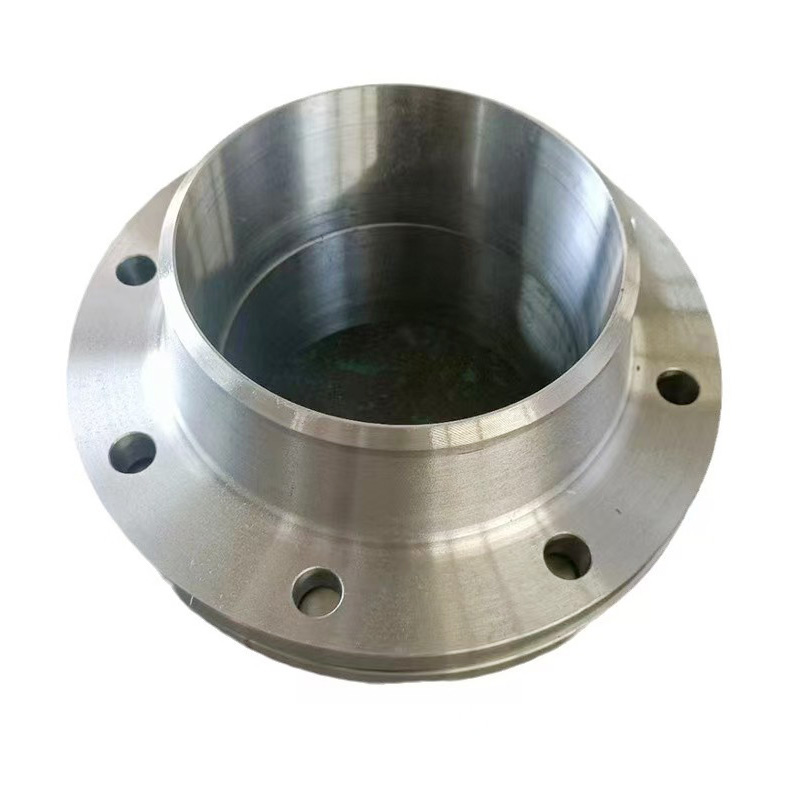
AWeld Neck Flange (WN Flange)is a type of piping flange designed to be welded to a pipe or ...
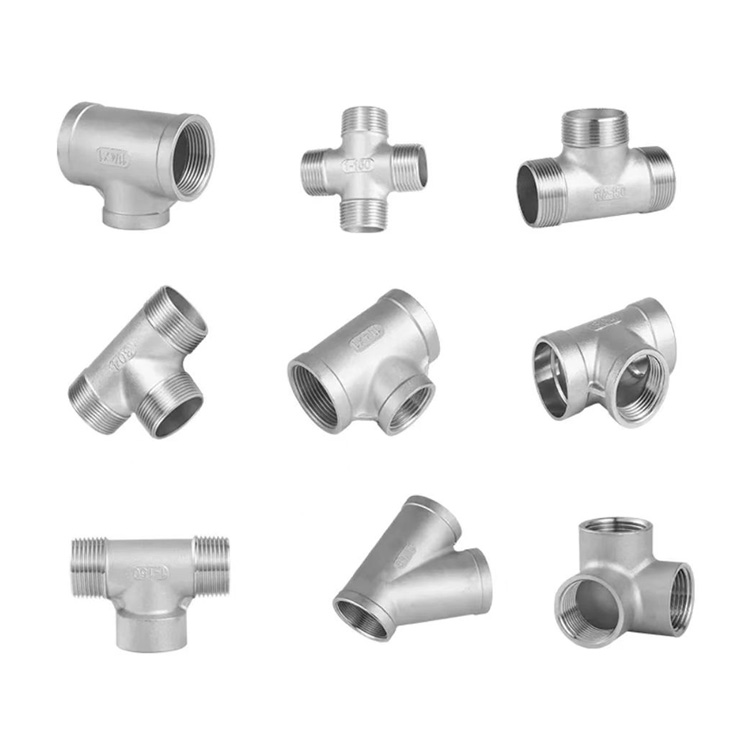
Socket fittings are essential components in piping systems, designed to connect, branch, or...
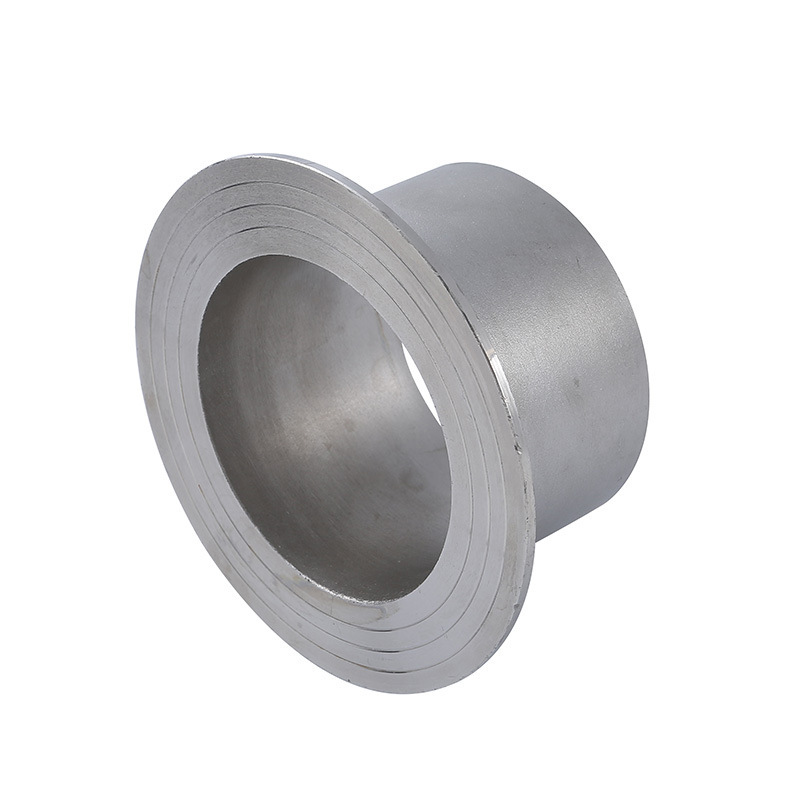
Welding ring is a commonly used metal ring component in pipeline connection or equipment do...
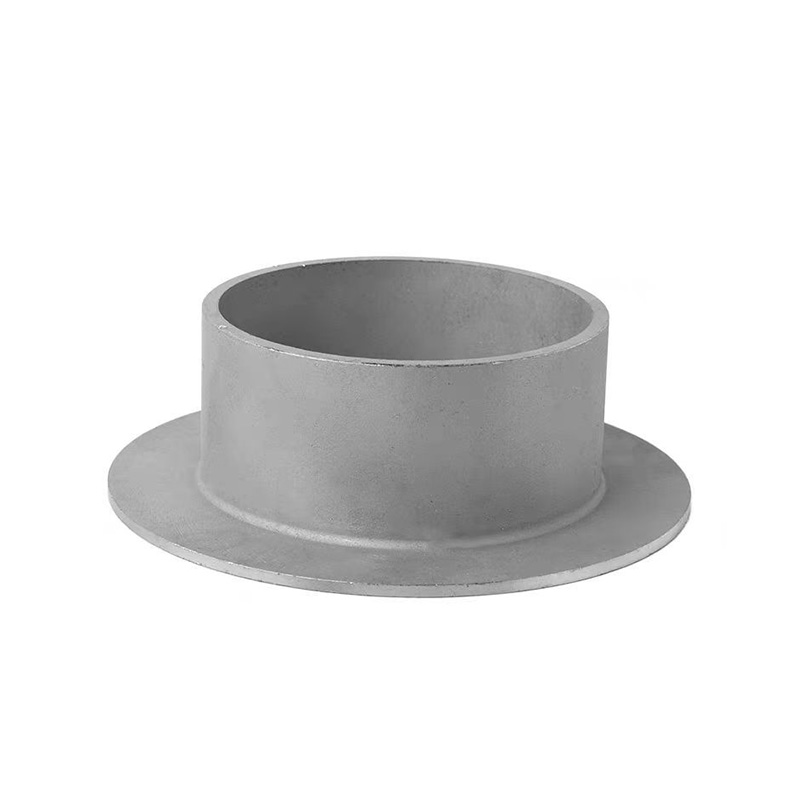
Welding ring is a pipe fitting used for pipeline connection. The following is its detailed ...