Carbon Steel Pipe Fittings: Complete Guide for Industrial Buyers
2026-08-21 15:42:58
Carbon steel pipe fittings form the backbone of countless industrial pipeline systems worldwide. From refineries to water treatment plants, these components redirect flow, change diameters, and branch pipelines wherever fluid or gas needs to travel. Getting the right fittings from a reliable manufacturer can mean the difference between a system that runs smoothly for decades and one that demands constant maintenance.
This guide walks through what buyers need to know before placing an order — from material grades and manufacturing standards to pressure ratings and supplier qualification.
What Are Carbon Steel Pipe Fittings?
Carbon steel pipe fittings are components made from carbon steel alloys that connect sections of pipe in a piping system. They allow changes in direction, diameter, or flow configuration. Common types include elbows, tees, reducers, caps, and flanges.
Carbon steel typically contains between 0.05% and 2.1% carbon by weight, which gives it superior strength compared to stainless steel while keeping costs manageable. This makes it the preferred choice for high-pressure, high-temperature applications where corrosion resistance is not the primary concern.
Common Types of Carbon Steel Fittings
Carbon steel fittings come in a wide variety of configurations to match any piping layout:
Elbows — Change pipeline direction at angles of 45°, 90°, or 180°. Long-radius and short-radius versions available for different space constraints.
Tees — Branch a pipeline into two directions. Equal tees have the same branch and run diameters, while reducing tees accommodate size changes.
Reducers — Connect pipes of different diameters. Concentric reducers maintain centerline alignment, while eccentric reducers are used where bottom-level clearance matters.
Caps and plugs — Seal the end of a pipe run. Caps are welded onto the end; plugs screw into fittings.
Stub ends — Used with lap joint flanges for easy disassembly of piping systems.
Manufacturing Standards That Matter
When sourcing carbon steel fittings, the manufacturing standard is critical. Different regions and industries require different specifications:
ASME/ANSI Standards (United States)
ASME B16.9 covers factory-made wrought steel butt-welding fittings. ASME
B16.11 covers forged steel fittings. These standards define dimensions,
tolerances, pressure ratings, and test requirements.
DIN Standards (Europe/Germany)
DIN 2605, DIN 2615, and DIN 2616 cover elbows, tees, and reducers
respectively. European buyers typically require DIN-compliant products.
JIS Standards (Japan)
JIS B2311 through JIS B2316 cover general purpose steel pipe fittings.
Common in Southeast Asian and Japanese-influenced projects.
GB Standards (China)
GB/T 12459 and GB/T 13401 cover steel butt-welding fittings. Chinese-manufactured fittings frequently reference these standards.
Material Grades: What Numbers Mean
Carbon steel fittings are classified by their material composition and mechanical properties. The most common grades include:
ASTM A234 WPB — The workhorse grade for moderate and high-temperature service. WPB stands for "Wrought Pipe B" and is widely accepted across international projects.
ASTM A420 WPL6 — Designed for low-temperature service, making it suitable for LNG facilities and cryogenic applications down to -46°C.
ASTM A860 WPHY — High-strength grade used in pipeline service. WPHY-60 and WPHY-70 are common specifications for offshore and subsea projects.
A reputable supplier will provide material test certificates (MTC) with each batch, confirming chemical composition and mechanical properties.
Pressure and Temperature Ratings
Carbon steel fittings are rated by schedule number, which relates to wall thickness. The most common schedules for industrial use are:
Schedule 40 (Std) — Standard weight, used for general purpose piping. Suitable for many water, air, and low-pressure steam applications.
Schedule 80 (XS) — Extra strong. Used where higher pressure ratings are needed in the same pipe size.
Schedule 160 — Heavy wall, typically found in high-pressure chemical and petrochemical systems.
Double Extra Strong (XXS) — Maximum wall thickness for the given pipe size, used in the most demanding applications.
Pressure ratings decrease as temperature increases. Always consult pressure-temperature charts for your specific application conditions before selecting fittings.
Surface Finish and Inspection
Surface finish affects both corrosion resistance and coating adhesion. Common finishes for carbon steel fittings include:
Mill finish — As-forged or as-pushed surface. Requires paint or coating before exposure to corrosive environments.
Pickled and passivated — Acid-treated to remove scale and oxide, then chemically treated to enhance corrosion resistance. Preferred for stainless overlays.
Sand blasting — Creates a uniform surface profile ideal for subsequent coating or painting. Common preparation for industrial plant installations.
How to Choose a Carbon Steel Fittings Supplier
Selecting the right manufacturer or supplier requires evaluating several factors beyond just price:
Certifications — ISO 9001 is the minimum quality management certification to expect. For pressure equipment, look for PED 2014/68/EU (Europe) or ASME U-stamp (United States) where applicable.
Testing capabilities — In-house NDT (non-destructive testing) including ultrasonic testing, radiographic examination, and hydrostatic testing demonstrates a commitment to quality control.
Production capacity — Ask about annual tonnage capacity and lead times. A supplier with 15 production lines and 30,000+ tons annual capacity can handle large orders without compromising delivery schedules.
Documentation package — Full documentation should include material test certificates, dimensional inspection reports, NDT reports, and heat treatment records.
Applications Across Industries
Carbon steel pipe fittings serve a remarkably wide range of industries:
Oil and gas — Transmission pipelines, refinery processing units, offshore platforms
Power generation — Steam lines, condensate return, cooling water systems
Chemical processing — Acid and caustic handling, process piping
Shipbuilding — Ballast systems, fuel lines, firefighting networks
Water treatment — Potable water distribution, wastewater conveyance
Construction — HVAC systems, fire sprinkler networks
Conclusion
Carbon steel pipe fittings are a foundational component in industrial piping. Understanding the types, standards, material grades, and pressure ratings helps buyers make informed decisions and avoid costly mistakes. Working with an experienced manufacturer who can provide proper documentation, consistent quality, and technical support makes the procurement process significantly smoother.
Whether you are sourcing for a new plant construction project or replacing worn components in an existing facility, taking time to specify the right fittings pays dividends in long-term reliability and reduced maintenance costs.
References
References:
ASME B16.9-2018, Factory-Made Wrought Buttwelding Fittings, The American Society of Mechanical Engineers
ASTM A234/A234M-19, Standard Specification for Piping Fittings of
Wrought Carbon Steel and Alloy Steel for Moderate and High Temperature
Service, ASTM International
ASME B16.11-2016, Forged Steel Fittings, Socket-Welding and Threaded, The American Society of Mechanical Engineers
ISO 15590-1:2019, Petroleum and natural gas industries — Induction
bends, fittings and flanges for pipeline transportation systems — Part
1: Fittings, International Organization for Standardization
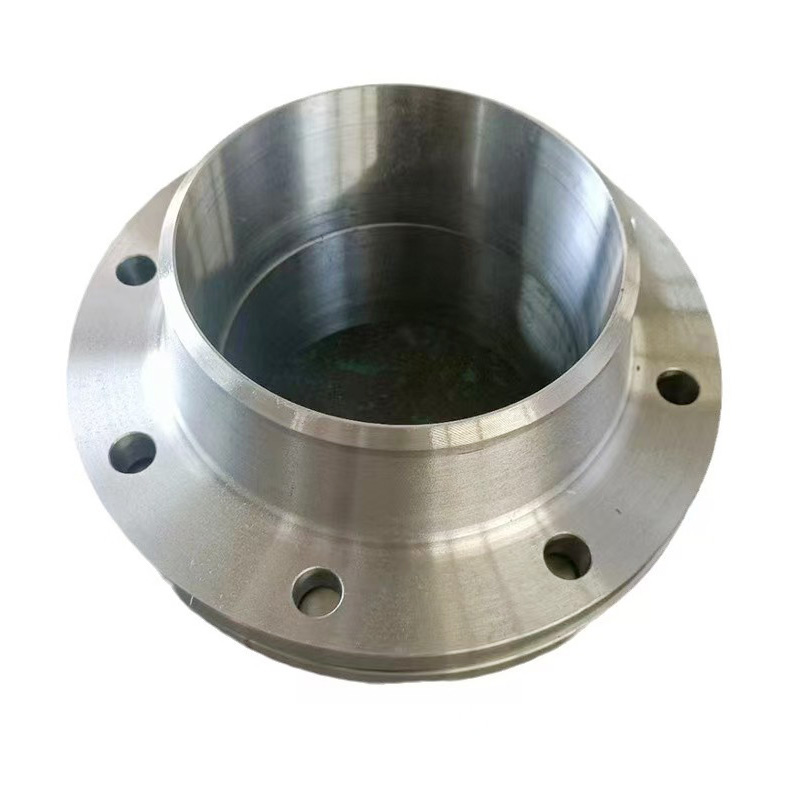
AWeld Neck Flange (WN Flange)is a type of piping flange designed to be welded to a pipe or ...
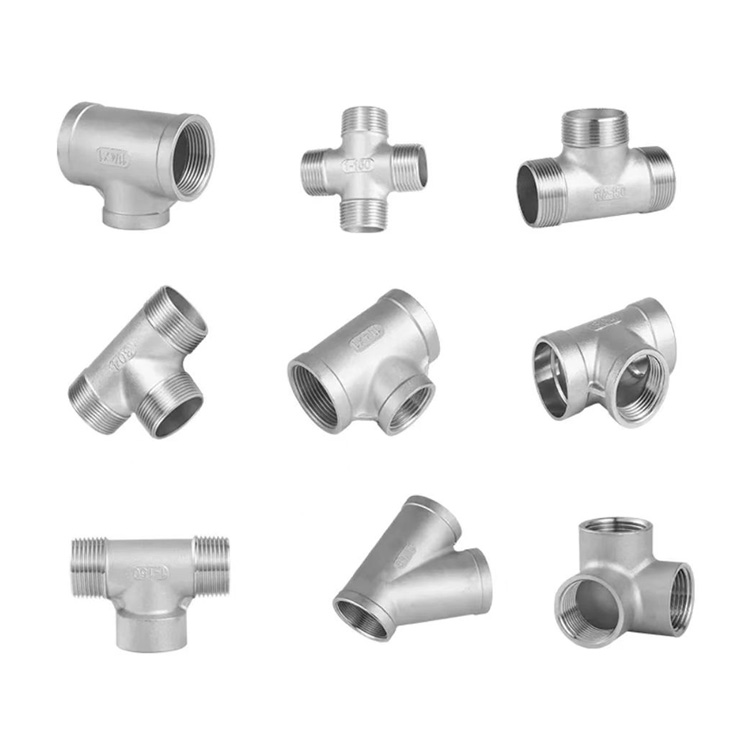
Socket fittings are essential components in piping systems, designed to connect, branch, or...
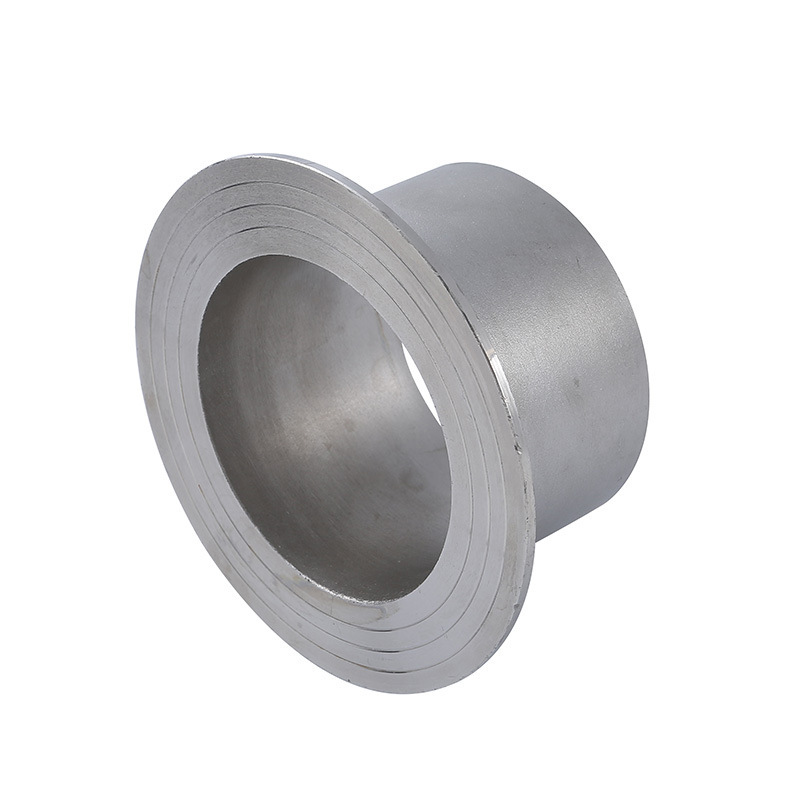
Welding ring is a commonly used metal ring component in pipeline connection or equipment do...
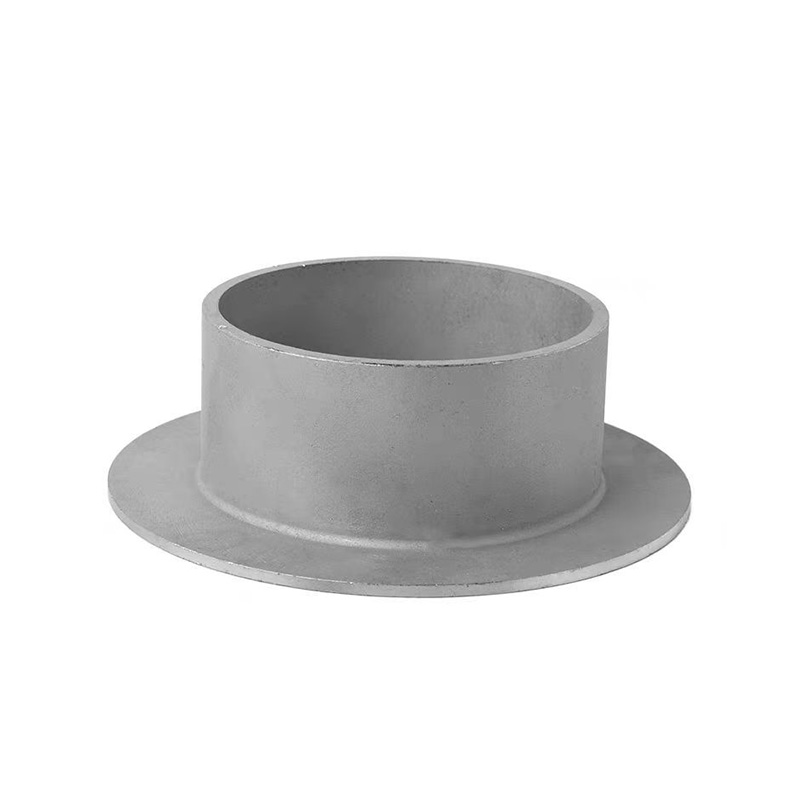
Welding ring is a pipe fitting used for pipeline connection. The following is its detailed ...