Forged vs Cast Pipe Fittings: Manufacturing Methods Compared
2026-08-21 15:45:36
When you hold a pipe fitting in your hand, you probably do not think about how it was made. But the manufacturing process — whether the component was forged, cast, or formed from solid steel — has a direct impact on its strength, reliability, and cost. Understanding these differences helps buyers make better purchasing decisions and avoid choosing the wrong type of fitting for their application.
This article compares forged and cast pipe fittings across the dimensions that matter most: manufacturing process, mechanical properties, application fit, and cost.
What Is Forging?
Forging shapes heated metal using compressive force — hammers, presses, or dies — to deform it into the desired shape. The metal is heated to a temperature below its melting point, where it remains solid but becomes malleable. The force applied during forging compresses and aligns the grain structure of the steel, producing a component with directional strength properties that follow the contours of the part.
Forgings typically start from a billet or ingot that is shaped using open-die or closed-die methods. Open-die forging allows the workpiece to spread laterally during each strike; closed-die forging confines the metal within a shaped cavity, producing more precise dimensions with less material waste.
What Is Casting?
Casting melts steel and pours it into a mold, where it solidifies into the desired shape. The raw material — scrap steel, pig iron, and alloying elements — is melted in an electric arc furnace or induction furnace, refined, and then poured into molds made of sand, ceramic, or metal.
Different casting processes produce fittings with different surface qualities and dimensional tolerances:
Sand casting — The most common and economical method for large fittings. Surface finish is rough; dimensional tolerances are broad. Requires machining of critical surfaces.
Investment casting (lost-wax casting) — Produces smooth surfaces and excellent dimensional accuracy. More expensive per unit but reduces machining costs. Common for small, complex-shaped fittings.
Centrifugal casting — Molten steel is poured into a rotating mold. Centrifugal force pushes the metal outward against the mold wall, producing dense, low-porosity fittings. Used for large-diameter fittings and ring-shaped components.
Mechanical Properties: Where Forgings Have the Advantage
The mechanical properties of a fitting are not just about the steel grade — they are about how the microstructure of the steel is shaped and distributed within the component.
Grain Flow
Forging aligns the steel grain along the contour of the part. When a
forged fitting is stressed in service, the grain flows around the
geometry rather than being interrupted by internal defects. This
continuous grain structure gives forgings superior impact resistance and
fatigue strength compared to castings of the same material grade.
Density and Porosity
Cast fittings may contain internal porosity — small voids or gas pockets
trapped during solidification. While modern casting quality control
minimizes this, castings are inherently more susceptible to internal
defects than forgings. Forged steel is compressed during forming, which
closes any internal voids and produces a denser, more uniform
microstructure.
Mechanical Test Results
Forgings typically achieve higher tensile strength, yield strength, and
elongation values in mechanical testing compared to equivalent cast
fittings of the same material grade. The difference is measurable and
relevant in high-stress applications.
Where Each Method Is Used
Forged fittings are preferred for:
Small to medium size fittings (typically NPS 1/2 to NPS 4)
High-pressure, high-temperature applications
Socket weld and threaded fittings where the forging process produces clean, machined-quality surfaces on bores and threads
Oil and gas, chemical processing, and power generation applications
Any application where fatigue strength or impact resistance is critical
Cast fittings are preferred for:
Large-diameter fittings (NPS 6 and above) where the cost of large forgings would be prohibitive
Complex geometries that would be difficult or impossible to produce by forging
Valve bodies, pump casings, and other complex assemblies where the casting process naturally produces the finished shape
High-volume, lower-pressure applications where cost is the primary driver
Stainless steel and specialty alloy fittings where the corrosion resistance of the cast microstructure is acceptable
The Butt-Weld Fitting Exception
It is worth noting that most standard butt-weld fittings — elbows, tees, reducers — are not forged in the traditional sense. They are typically manufactured from seamless pipe or plate using:
Hot pushing — A heated shell of steel is pushed over a mandrel to form the geometry. Common for elbows and reducers.
Cold forming — The fitting is formed at or near room temperature, which work-hardens the steel and increases strength. Common for stainless fittings.
Fabrication — Pieces of plate are cut, shaped, and welded together. Used for large fittings and custom configurations.
These methods produce fittings that are neither traditionally forged nor cast, but share properties of both. They are referred to as "wrought" fittings — the term means they are shaped by mechanical working rather than casting. ASME B16.9 covers wrought butt-weld fittings, which are the industry standard for industrial piping.
Cost Considerations
Cost is often the deciding factor when choosing between fitting types, but the total cost of ownership matters more than the unit price:
Forged fittings cost more per unit to manufacture because the forging press or hammer, the skilled labor, and the machining required for threaded and socket-weld fittings add to production costs. However, the superior mechanical properties mean a forged fitting may be the only choice for a demanding application.
Cast fittings have lower production costs per unit, especially for large or complex shapes, because the mold does most of the shaping work. The per-unit savings can be significant in large projects where hundreds or thousands of fittings are installed.
The risk with choosing castings in applications that actually require forgings is hidden: premature failure, unplanned maintenance, and potential safety incidents. The cheapest fitting is never the one that fails in service.
Quality Indicators for Both Types
Regardless of manufacturing method, look for these quality indicators:
For forgings:
Proper grain flow visible on machined surfaces — grain should follow the part contour, not show signs of interrupted forging
No visible seams, laps, or cracks on exterior surfaces
Hardness values within specified range
Material test certificates confirming chemistry and mechanical properties
For castings:
Surface quality appropriate for the service — investment castings should have smooth surfaces; sand castings may require machining
No visible surface defects: hot tears, cold shuts, sand inclusions
Post-casting heat treatment confirmed on material certificates
Radiographic or ultrasonic examination for critical-service castings
Conclusion
Both forged and cast pipe fittings have their place in industrial piping. Forged fittings deliver superior mechanical properties and are the standard for high-pressure and critical-service small-bore fittings. Cast fittings provide economical solutions for larger sizes and complex geometries where the lower per-unit cost outweighs the slight reduction in mechanical properties.
The key is to specify the right type for the application — and to work with a supplier who understands why that distinction matters. A manufacturer who produces both forged and cast fittings can advise on the most appropriate choice for your project, balancing performance requirements against budget constraints without cutting corners on the properties that matter.
References
References:
ASME SA-182/SA-182M-21, Standard Specification for Forged or Rolled
Alloy and Stainless Steel Pipe Flanges, Forged Fittings, and Valves and
Parts for High-Temperature Service, ASTM International
ASME SA-351/SA-351M-18, Standard Specification for Castings, Austenitic, for Pressure-Containing Parts, ASTM International
ASME B16.11-2016, Forged Steel Fittings, Socket-Welding and Threaded, The American Society of Mechanical Engineers
ASM Handbook, Volume 14A: Metalworking — Bulk Forming, ASM International, 2005
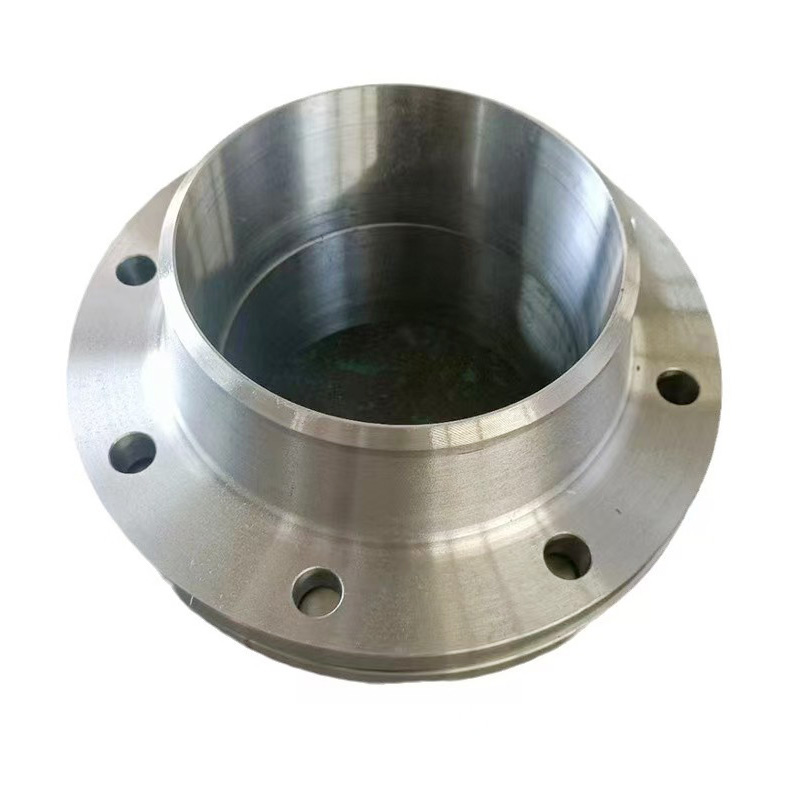
AWeld Neck Flange (WN Flange)is a type of piping flange designed to be welded to a pipe or ...
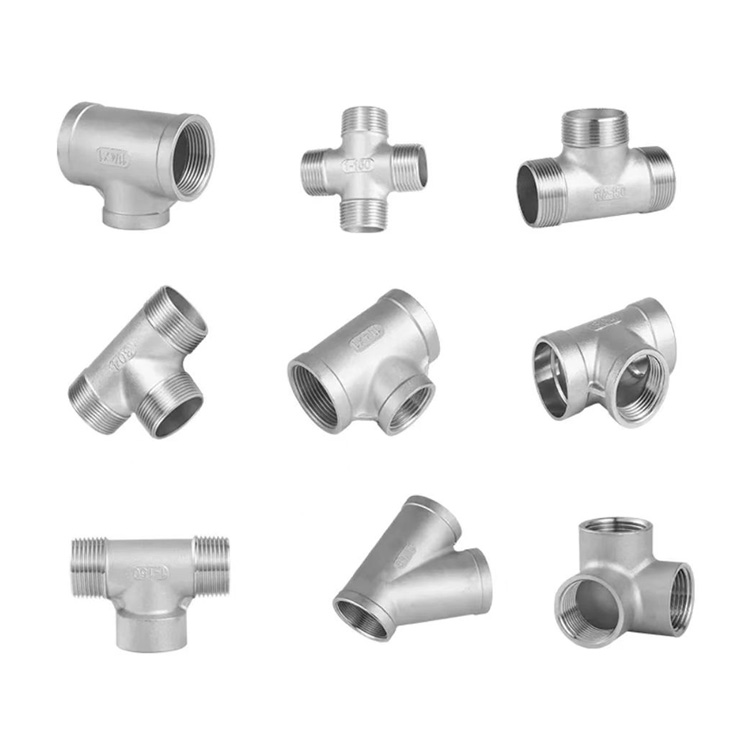
Socket fittings are essential components in piping systems, designed to connect, branch, or...
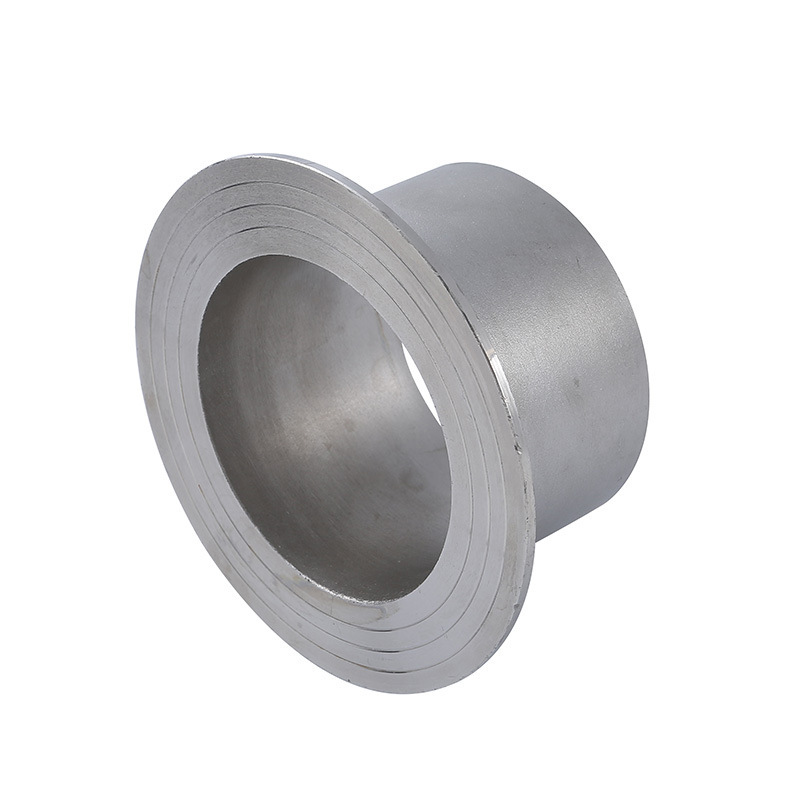
Welding ring is a commonly used metal ring component in pipeline connection or equipment do...
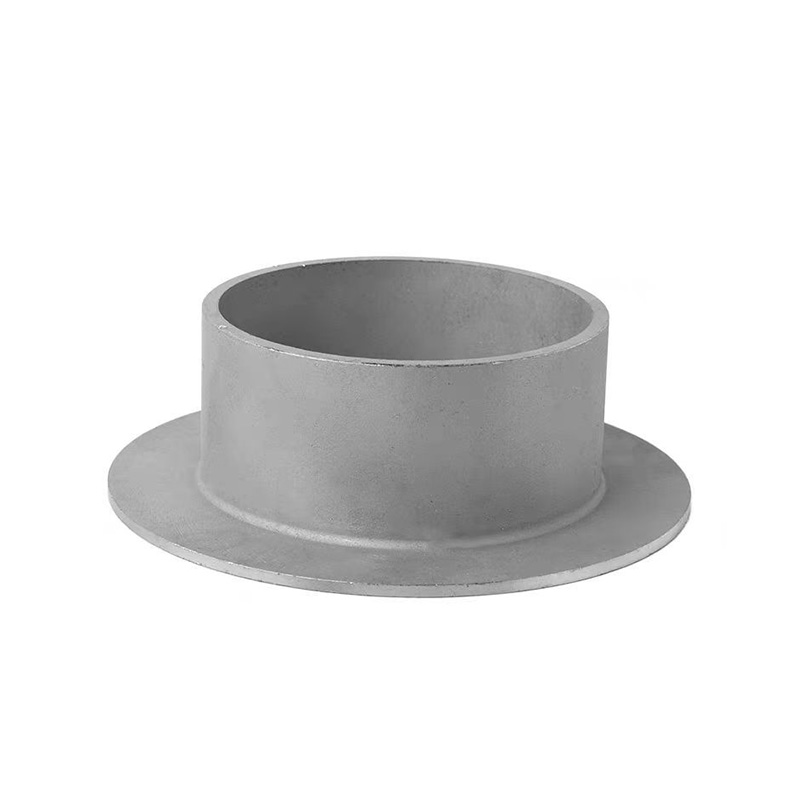
Welding ring is a pipe fitting used for pipeline connection. The following is its detailed ...