Common Installation Mistakes with Stainless Steel Elbows
2026-01-02 14:41:29
The Stainless Steel Elbow is one of the most widely used fittings in industrial piping systems, enabling directional changes while maintaining flow efficiency and structural integrity. Despite its simple appearance, improper installation of a stainless steel elbow can lead to leakage, stress concentration, corrosion issues, and premature system failure.
This article examines the most common installation mistakes associated with stainless steel elbows, explains why they occur, and outlines best practices to help engineers and installers achieve long-term reliability.
Understanding the Role of a Stainless Steel Elbow
A Stainless Steel Elbow is designed to change the direction of flow in piping systems, commonly at angles such as 45° or 90°. These fittings are used across chemical processing, energy systems, water treatment, and industrial manufacturing facilities.
Due to their position in the pipeline, elbows are exposed to higher stress levels and flow turbulence. Proper installation is therefore essential to maintain system safety and performance. Many projects rely on elbows supplied through standardized manufacturing and production processes, ensuring dimensional accuracy and material consistency.
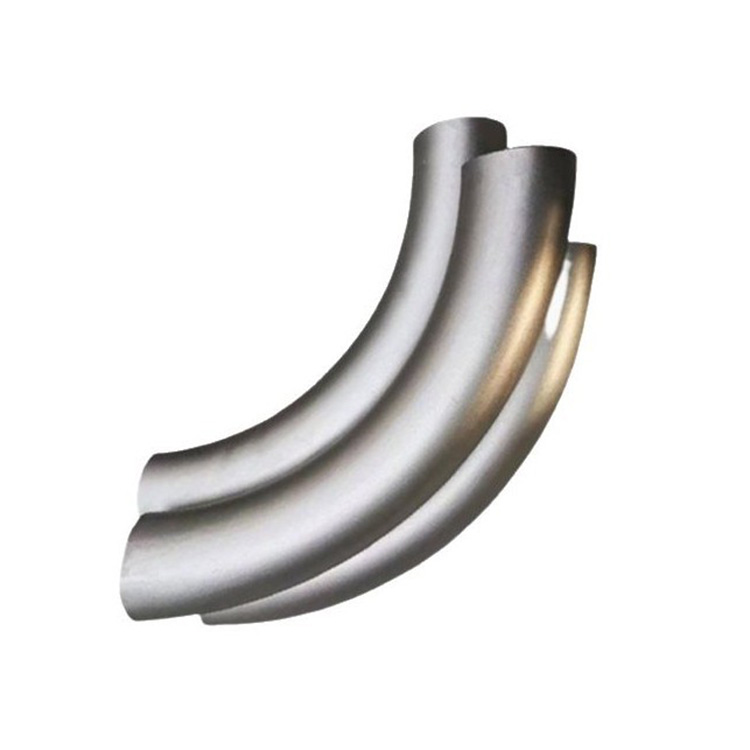
Mistake 1: Incorrect Alignment During Installation
One of the most frequent errors is improper alignment of the stainless steel elbow with connected pipes. Misalignment can introduce additional stress at the joint, leading to cracking or leakage over time.
Why it happens:
·Inaccurate pipe cutting
·Poor positioning during assembly
·Lack of alignment checks
Correct alignment ensures even load distribution and helps maintain sealing integrity.
Mistake 2: Improper Welding Techniques
Welding errors are a major cause of stainless steel elbow failure. Excessive heat input, poor weld penetration, or incompatible filler materials can compromise joint strength.
Common welding issues include:
·Overheating the elbow
·Incomplete weld fusion
·Inadequate post-weld cleaning
Following proper welding procedures is critical, especially in systems operating under pressure or corrosive conditions.
Mistake 3: Ignoring Surface Protection and Cleanliness
Stainless steel relies on a passive oxide layer for corrosion resistance. Improper handling or contamination during installation can damage this protective layer.
Examples include:
·Contact with carbon steel tools
·Exposure to chlorides or debris
·Skipping post-installation cleaning
These issues may result in localized corrosion, reducing the service life of the stainless steel elbow.
Mistake 4: Using Incorrect Gaskets or Sealing Methods
When stainless steel elbows are installed in flanged systems, gasket selection becomes critical. Using incompatible or low-quality gaskets can cause leaks or uneven pressure distribution.
Proper gasket material selection and correct bolt tightening sequences help ensure reliable sealing without overstressing the elbow.
Mistake 5: Over-Tightening or Uneven Bolt Torque
Excessive or uneven bolt tightening can deform the elbow or flange connection. This mistake often occurs when torque specifications are ignored.
Consequences include:
·Flange distortion
·Seal failure
·Reduced fatigue resistance
Using calibrated tools and following recommended torque values minimizes these risks.
Mistake 6: Failing to Consider Thermal Expansion
Temperature changes cause pipelines to expand and contract. If thermal movement is not properly accounted for, excessive stress may develop at the stainless steel elbow.
Design considerations such as expansion joints, proper supports, and flexible layouts help reduce thermal stress during operation.
Mistake 7: Inadequate Support Near Elbows
Elbows experience higher loads due to directional changes and fluid dynamics. Insufficient support can lead to sagging or vibration-related damage.
Proper pipe support placement near stainless steel elbows improves stability and reduces long-term wear.
Mistake 8: Installing the Wrong Elbow Type
Not all stainless steel elbows are suitable for every application. Differences in wall thickness, bend radius, and pressure rating must match system requirements.
Selecting elbows produced through controlled production and batch supply systems helps ensure consistent quality and compatibility across large installations.
Best Practices for Installing Stainless Steel Elbows
To avoid common mistakes, installers should follow these best practices:
·Verify material grade and dimensions before installation
·Ensure precise alignment and proper fit-up
·Use qualified welding procedures
·Protect surfaces from contamination
·Apply correct torque and sealing methods
·Provide adequate pipe support
These steps significantly improve system reliability and reduce maintenance costs.
Why Installation Quality Matters
Even high-quality stainless steel elbows can fail if installed incorrectly. Installation quality directly affects system safety, efficiency, and lifecycle performance.
Understanding common mistakes allows project teams to improve installation practices and reduce the risk of costly downtime or repairs.
Final Thoughts on Stainless Steel Elbow Installation
The Stainless Steel Elbow is a critical component in industrial piping systems, and its performance depends heavily on correct installation practices. By avoiding common mistakes related to alignment, welding, sealing, and support, engineers and installers can ensure long-term reliability.
Supported by professional manufacturer-level production standards and dependable bulk supply capability, stainless steel elbows continue to deliver durable performance across demanding industrial applications.
References
GB/T 7714:Peng L C, Peng T L. Pipe stress engineering[M]. New York: ASME press, 2009.
MLA:Peng, Liang-Chuan, and Tsen-Loong Peng. Pipe stress engineering. Vol. 2. New York: ASME press, 2009.
APA:Peng, L. C., & Peng, T. L. (2009). Pipe stress engineering (Vol. 2). New York: ASME press.
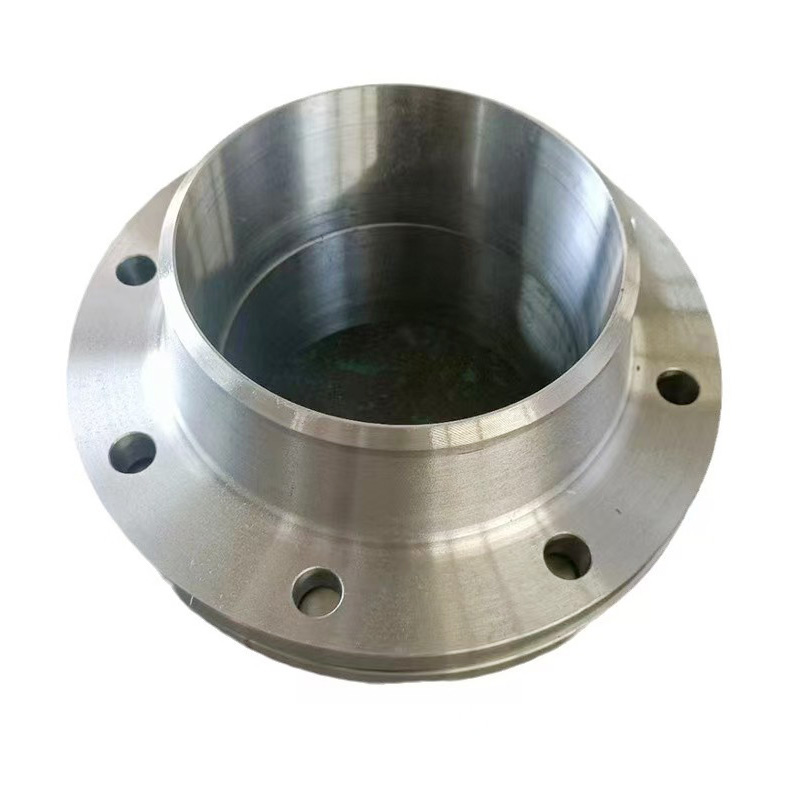
AWeld Neck Flange (WN Flange)is a type of piping flange designed to be welded to a pipe or ...
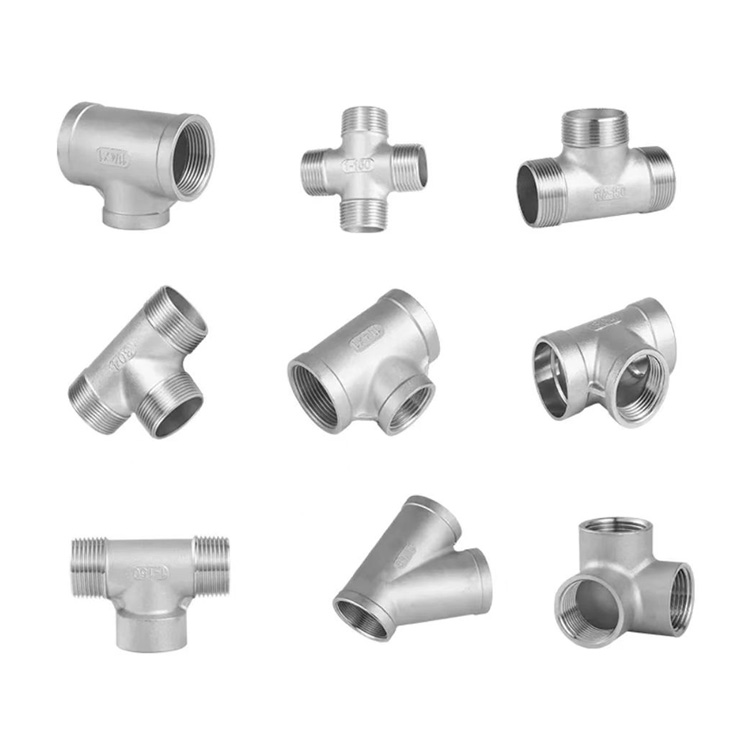
Socket fittings are essential components in piping systems, designed to connect, branch, or...
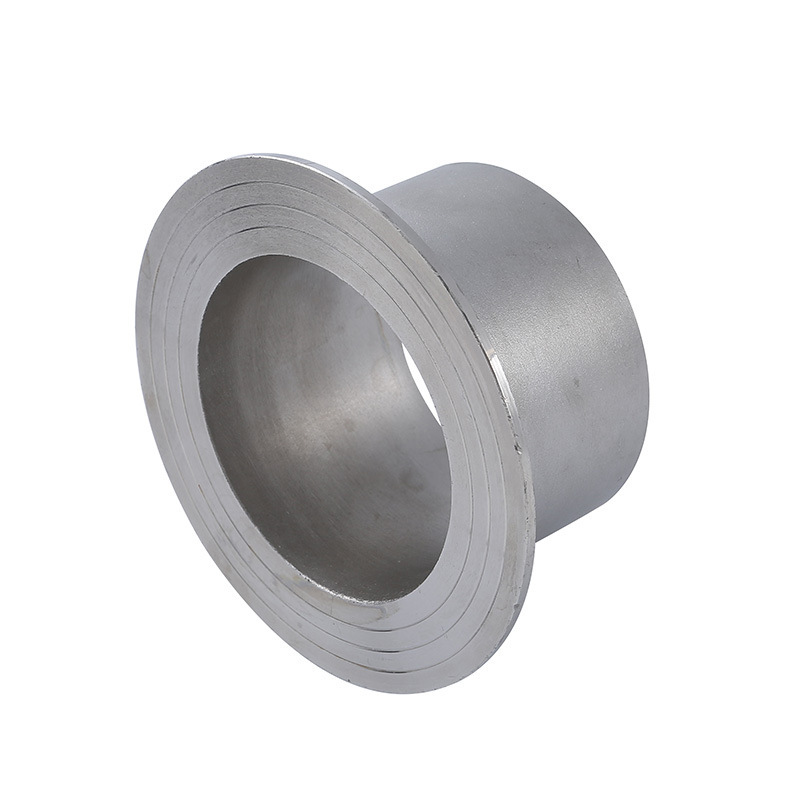
Welding ring is a commonly used metal ring component in pipeline connection or equipment do...
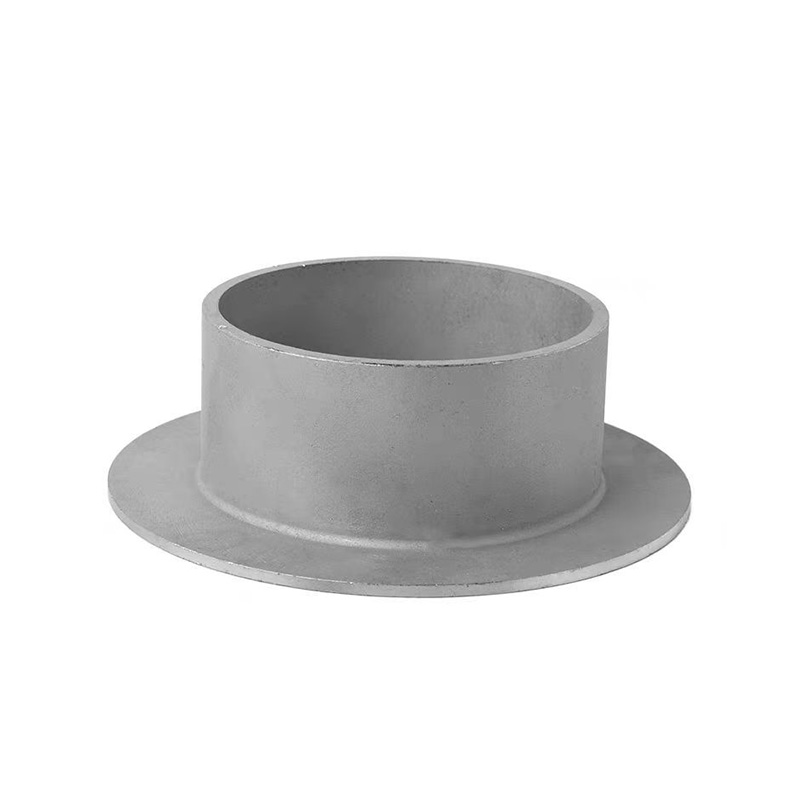
Welding ring is a pipe fitting used for pipeline connection. The following is its detailed ...