From Forging to Finishing: How 304 20592PL Flanges Are Produced
2026-01-01 13:49:15
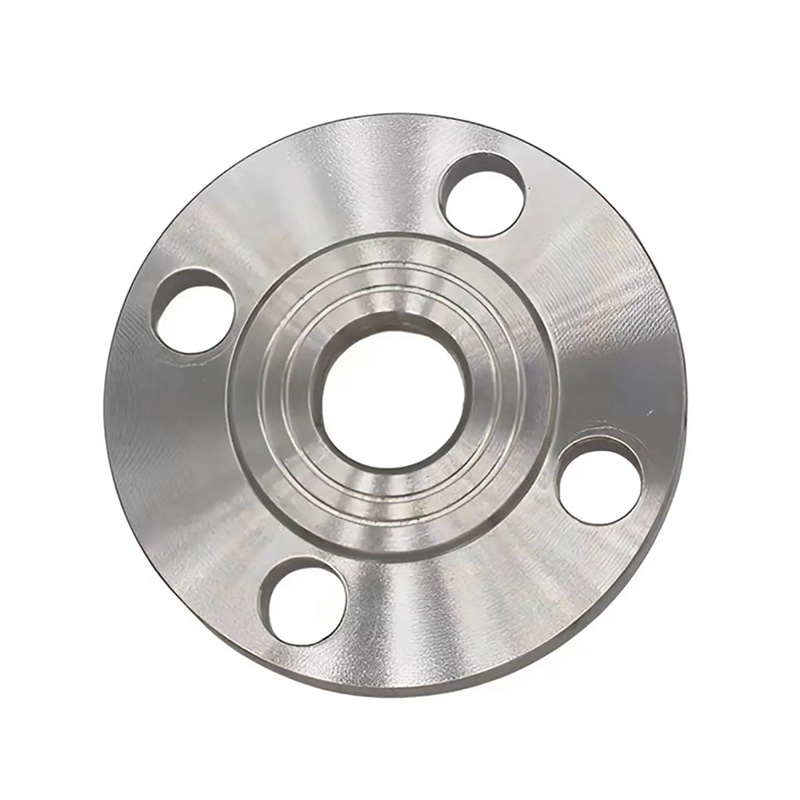
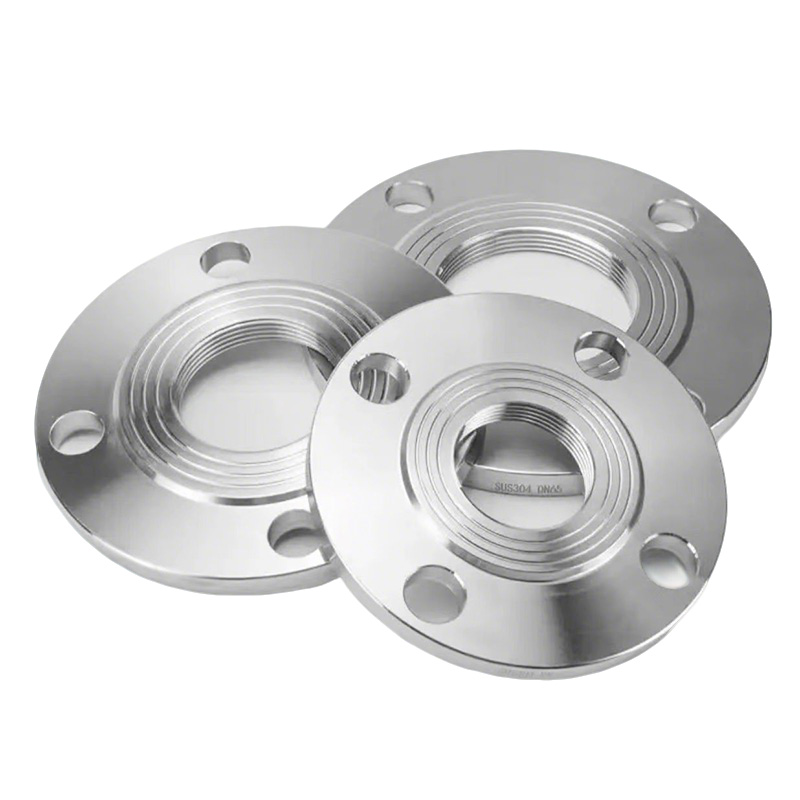
The Plate Welding Flange is a critical component in industrial piping systems, particularly when strength, corrosion resistance, and dimensional accuracy are required. Among various material grades, 304 stainless steel flanges manufactured under 20592PL specifications are widely used across chemical, energy, and processing industries.
Understanding how these flanges are produced—from raw material preparation to final inspection—helps engineers and buyers evaluate quality, reliability, and long-term performance. This article provides a complete overview of the manufacturing process behind 304 20592PL flanges, with a focus on industrial production standards.
Overview of Plate Welding Flange Applications
A Plate Welding Flange is typically used to connect pipes, valves, and equipment in medium to high-pressure systems. Its flat structure and welded connection provide stable performance under demanding operating conditions.
304 stainless steel is chosen for its excellent corrosion resistance, mechanical strength, and weldability. These properties make 304 20592PL flanges suitable for environments involving moisture, chemicals, and temperature fluctuations.
Raw Material Selection and Preparation
The production of a Plate Welding Flange begins with careful material selection. Stainless steel plates meeting chemical composition and mechanical property requirements are chosen to ensure consistent performance.
Before forming, steel plates undergo surface inspection and cutting preparation. Accurate material control at this stage is essential, as it directly affects welding quality and dimensional stability in later processes.
Forging and Forming Process
Plate Cutting and Shaping
Steel plates are cut into circular blanks according to flange dimensions. Precision cutting minimizes material waste and ensures uniform thickness.
Forging or Hot Forming
Depending on design requirements, blanks may be hot-formed to improve grain structure and mechanical properties. Controlled forging enhances strength and reduces internal stress.
This step lays the structural foundation of the Plate Welding Flange, contributing to its load-bearing capacity and durability.
Welding Process for 20592PL Flanges
Welding is a defining step in the production of a Plate Welding Flange. For 304 20592PL flanges, welding procedures are carefully controlled to maintain material integrity.
Key welding considerations include:
·Proper edge preparation
·Controlled heat input
·Compatible filler materials
·Post-weld inspection
Experienced manufacturers rely on standardized production procedures to ensure weld consistency across multiple batches, especially when flanges are produced for large-scale projects.
Heat Treatment and Stress Relief
After welding, heat treatment may be applied to relieve residual stresses caused by forming and welding. Controlled heating and cooling help stabilize the microstructure and improve overall performance.
This process enhances resistance to cracking and deformation, particularly under cyclic pressure or temperature changes.
Machining and Dimensional Finishing
Precision machining ensures that flange faces, bolt holes, and outer diameters meet design tolerances. Flatness and surface finish are especially important for achieving leak-free connections.
Advanced machining techniques allow Plate Welding Flanges to maintain tight dimensional accuracy, ensuring compatibility with mating components in piping systems.
Surface Treatment and Protection
Surface finishing improves both appearance and functional performance. Common treatments include pickling and passivation to enhance corrosion resistance.
These treatments remove surface contaminants and restore the protective oxide layer of stainless steel, extending the service life of the Plate Welding Flange.
Quality Control and Inspection
Quality inspection is integrated throughout the production process. Typical inspection steps include:
·Visual inspection
·Dimensional measurement
·Weld testing
·Material verification
Final inspections confirm that each Plate Welding Flange meets applicable technical requirements before delivery. Structured inspection systems are especially important for projects requiring consistent quality across bulk production and batch supply.
Packaging and Logistics Preparation
After inspection, finished flanges are cleaned, labeled, and packaged to prevent damage during transportation. Proper packaging ensures that flanges arrive on-site ready for installation without additional handling issues.
Efficient logistics coordination supports timely delivery for construction and maintenance schedules.
Why Production Process Matters
The reliability of a Plate Welding Flange depends heavily on how it is produced. Each step—from material selection to finishing—affects performance, safety, and service life.
Understanding the production process helps buyers assess supplier capability beyond surface specifications, focusing on manufacturing discipline and quality control.
Final Thoughts on Plate Welding Flange Manufacturing
The production of Plate Welding Flange components such as 304 20592PL flanges is a carefully controlled process that combines material science, forming technology, welding expertise, and precision machining.
Supported by professional manufacturing systems, standardized production control, and dependable batch supply capability, Plate Welding Flanges continue to play a vital role in modern industrial piping applications.
References
GB/T 7714:Kalpakjian S. Manufacturing processes for engineering materials[M]. Pearson Education India, 1985.
MLA:Kalpakjian, Serope. Manufacturing processes for engineering materials. Pearson Education India, 1985.
APA:Kalpakjian, S. (1985). Manufacturing processes for engineering materials. Pearson Education India.
AWeld Neck Flange (WN Flange)is a type of piping flange designed to be welded to a pipe or ...
Socket fittings are essential components in piping systems, designed to connect, branch, or...
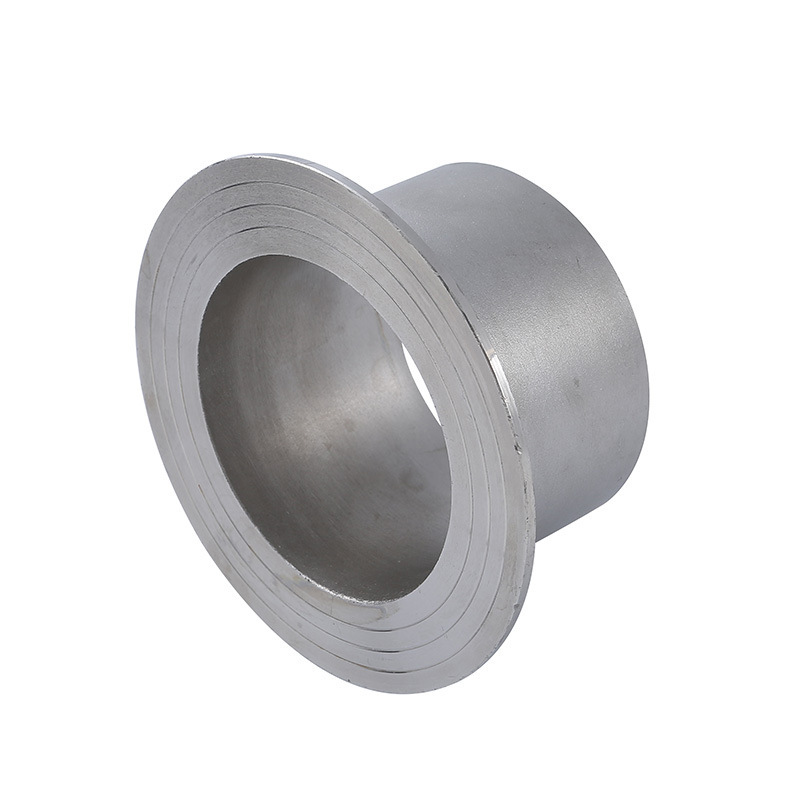
Welding ring is a commonly used metal ring component in pipeline connection or equipment do...
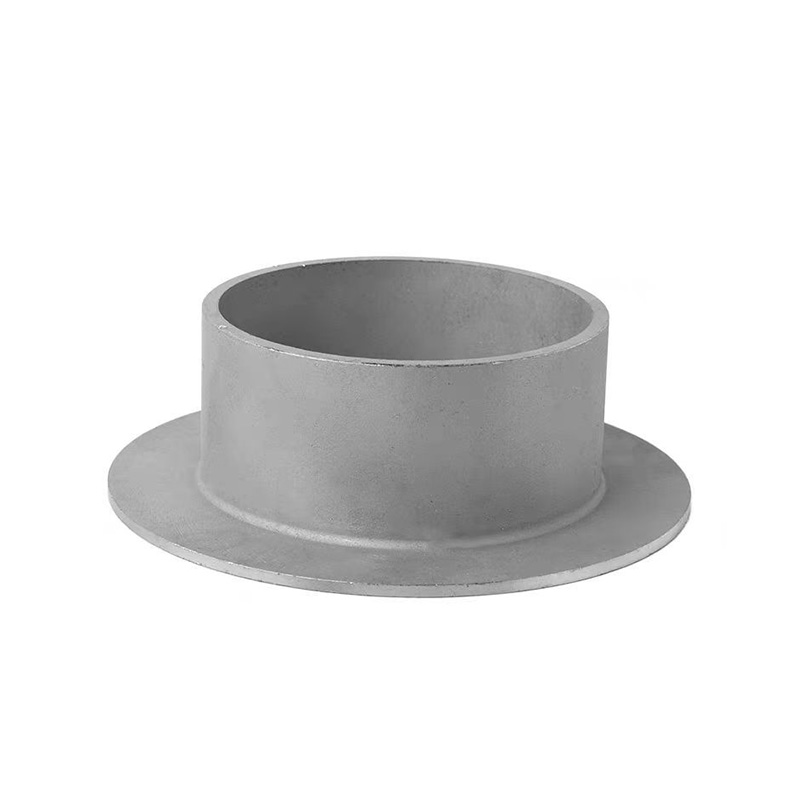
Welding ring is a pipe fitting used for pipeline connection. The following is its detailed ...