Enhancing Pipeline Sealing with 304 20592PL Weld Flanges
2025-12-13 13:54:56
The Role of Plate Welding Flange in Pipeline Sealing
A Plate Welding Flange is a fundamental connection component in industrial pipeline systems, playing a critical role in sealing integrity, pressure resistance, and long-term operational safety. Among various material and design options, 304 20592PL weld flanges are widely applied in systems where corrosion resistance, structural stability, and reliable sealing are required.
For pipeline projects involving fluid transport, chemical processing, or water systems, sealing performance directly affects maintenance frequency and overall system efficiency. Understanding how 304 20592PL weld flanges enhance sealing helps engineers, procurement teams, and production planners make informed decisions, especially when sourcing components for large-scale or repeat-use applications.
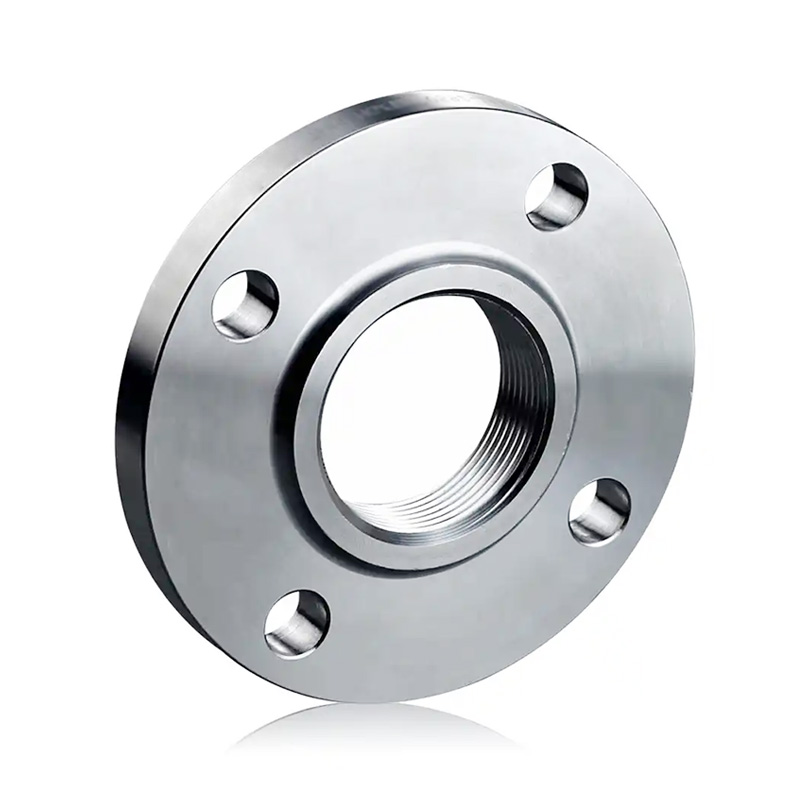
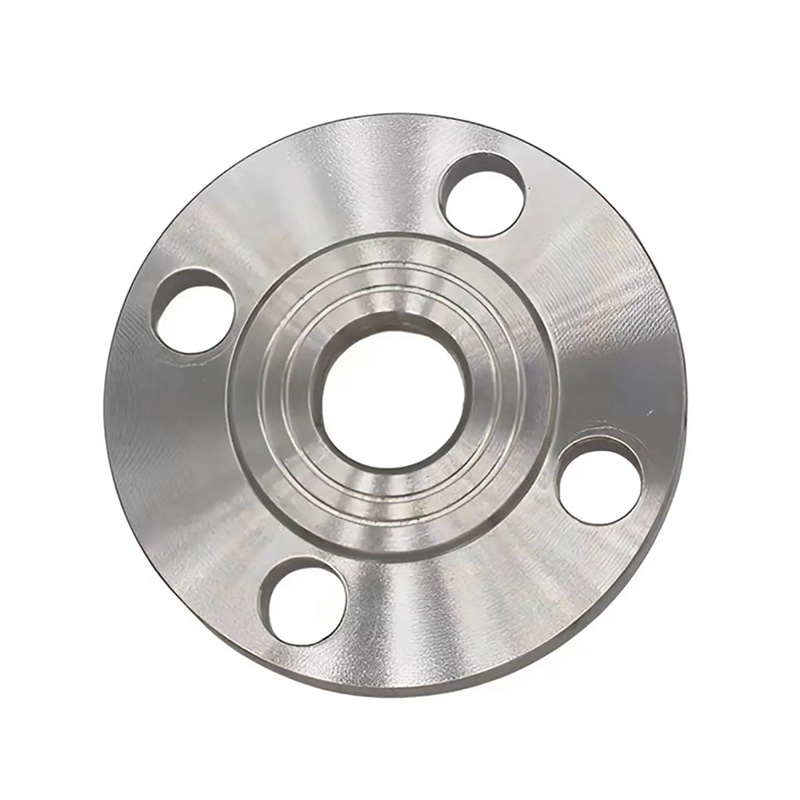
1. Understanding 304 20592PL Weld Flanges
The designation 304 20592PL generally refers to a plate-type welding flange manufactured from 304-grade stainless steel and produced according to standardized dimensional and performance requirements.
Key Characteristics
·Austenitic stainless steel composition
·Good corrosion and oxidation resistance
·Stable mechanical properties across temperature ranges
·Compatibility with welded pipeline joints
These properties make the flange suitable for applications where consistent sealing and material durability are essential.
2. Why Material Selection Impacts Sealing Performance
Sealing reliability is closely tied to flange material behavior under pressure and temperature variations.
Material Advantages of 304 Stainless Steel
·Resistance to pitting and general corrosion
·Smooth surface finish supporting gasket contact
·Reduced risk of deformation during tightening
A Plate Welding Flange made from 304 material maintains dimensional stability, which helps preserve gasket compression and prevent leakage over time.
3. Welding Design and Its Effect on Leak Prevention
Welded flange connections offer structural advantages compared to threaded or loose-fit designs.
Benefits of Welded Connections
·Permanent joint between flange and pipe
·Reduced vibration-related loosening
·Improved alignment accuracy
In plate welding flange configurations, full penetration welding ensures that internal pressure is evenly distributed, minimizing stress concentrations that can compromise sealing.
4. Gasket Compatibility and Surface Finish
Effective sealing requires proper interaction between the flange face and gasket material.
Key Sealing Factors
·Flatness of the flange face
·Surface roughness within recommended ranges
·Uniform bolt load distribution
304 20592PL weld flanges are typically machined to controlled tolerances, allowing gaskets to seat evenly and maintain compression during operation.
5. Performance Under Pressure and Temperature
Pipeline systems often experience fluctuating operating conditions.
Operational Advantages
·Maintains sealing integrity under moderate to high pressure
·Performs reliably across a wide temperature range
·Reduces risk of thermal expansion-related leakage
These characteristics make the Plate Welding Flange suitable for both continuous and intermittent process conditions.
6. Production Consistency and Dimensional Accuracy
Sealing performance depends on consistent manufacturing quality.
Production Considerations
·Precise cutting and machining of flange plates
·Controlled welding procedures
·Dimensional inspection throughout production
In manufacturer-controlled production environments, standardized processes help ensure that each Plate Welding Flange meets design requirements, supporting reliable sealing in bulk supply applications.
7. Applications Benefiting from Enhanced Sealing
304 20592PL weld flanges are commonly used in systems where leakage prevention is critical.
Typical Applications
·Industrial water pipelines
·Chemical transfer systems
·Food and beverage processing lines
·HVAC and utility piping
In these environments, improved sealing reduces downtime, maintenance costs, and safety risks.
8. Installation Practices That Support Sealing Performance
Even high-quality flanges require correct installation to perform as intended.
Best Practices
·Proper alignment before welding
·Use of compatible gasket materials
·Controlled bolt tightening sequences
When installed correctly, a Plate Welding Flange provides long-term sealing stability and system reliability.
9. Benefits for Large-Scale and Repeat Projects
For projects requiring repeated procurement, sealing consistency is especially important.
Project-Level Advantages
·Uniform performance across pipeline sections
·Simplified installation procedures
·Reduced inspection and rework needs
Bulk production and supply planning allow project teams to maintain consistent specifications across all flange connections.
Conclusion: Why Plate Welding Flange Design Matters for Sealing
A Plate Welding Flange plays a vital role in ensuring pipeline sealing integrity, and 304 20592PL weld flanges offer a strong balance of material durability, weld stability, and dimensional accuracy. By supporting reliable gasket compression and resisting corrosion-related degradation, these flanges help maintain leak-free operation across a wide range of industrial applications.
For production-oriented projects and buyers working with manufacturer-supported bulk supply, selecting the right Plate Welding Flange design contributes to safer pipelines, lower maintenance requirements, and long-term operational confidence.
References
GB/T 7714:Kiefner J F, Vieth P H. A modified criterion for evaluating the remaining strength of corroded pipe[R]. Battelle Columbus Div., OH (USA), 1989.
MLA:Kiefner, John F., and Paul Herman Vieth. A modified criterion for evaluating the remaining strength of corroded pipe. No. PR-3-805. Battelle Columbus Div., OH (USA), 1989.
APA:Kiefner, J. F., & Vieth, P. H. (1989). A modified criterion for evaluating the remaining strength of corroded pipe (No. PR-3-805). Battelle Columbus Div., OH (USA).
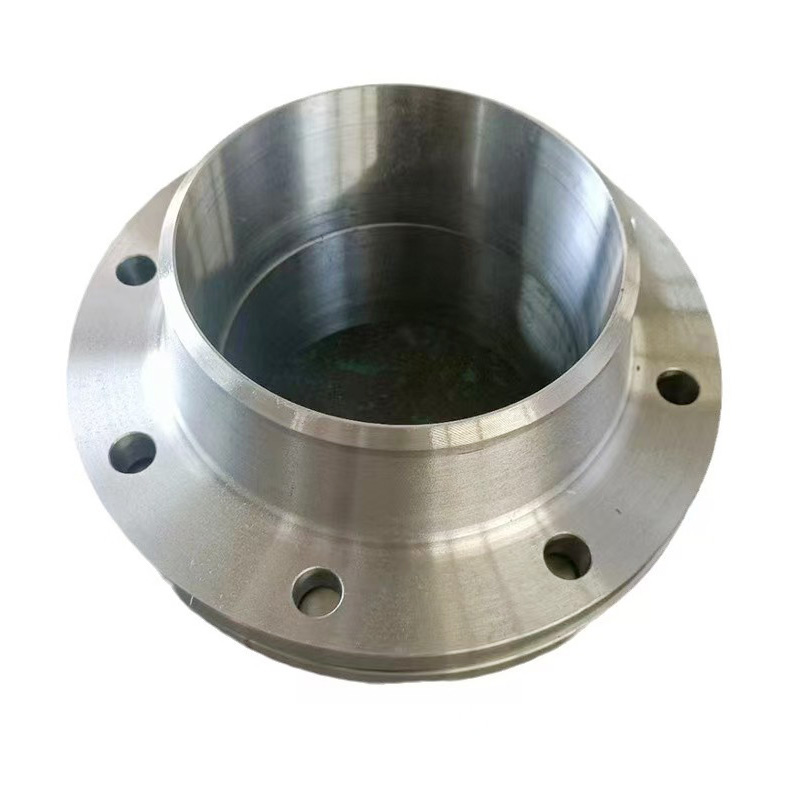
AWeld Neck Flange (WN Flange)is a type of piping flange designed to be welded to a pipe or ...
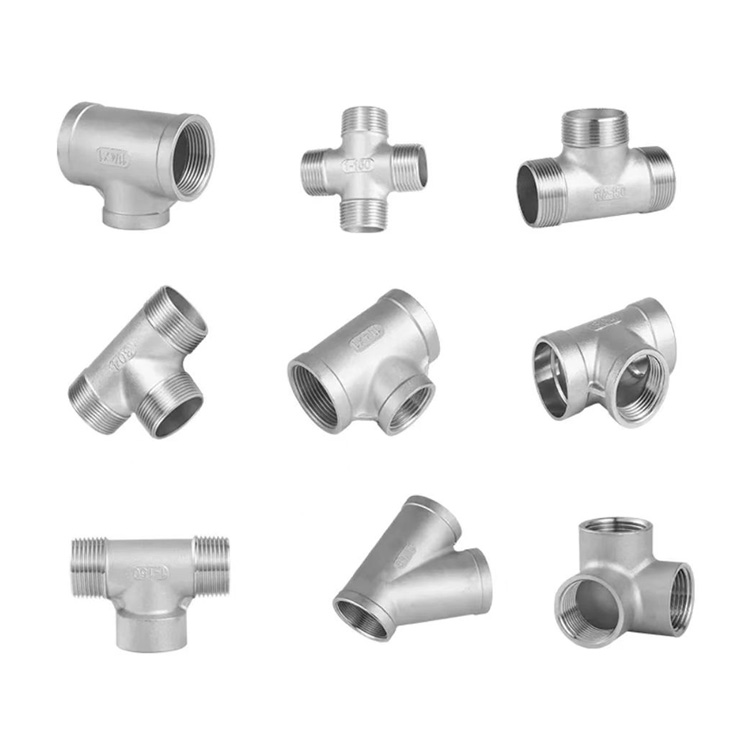
Socket fittings are essential components in piping systems, designed to connect, branch, or...
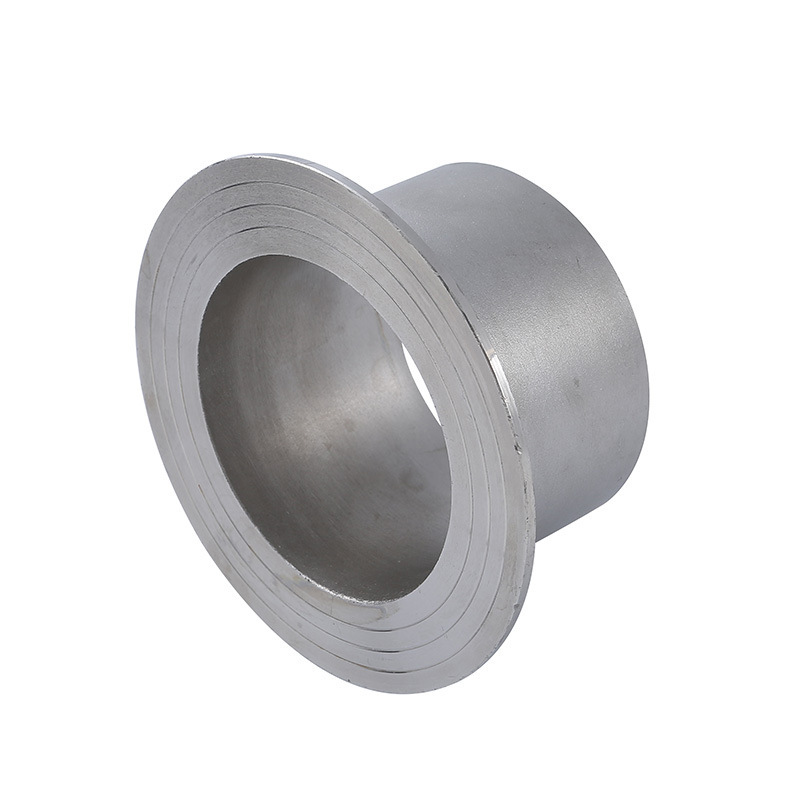
Welding ring is a commonly used metal ring component in pipeline connection or equipment do...
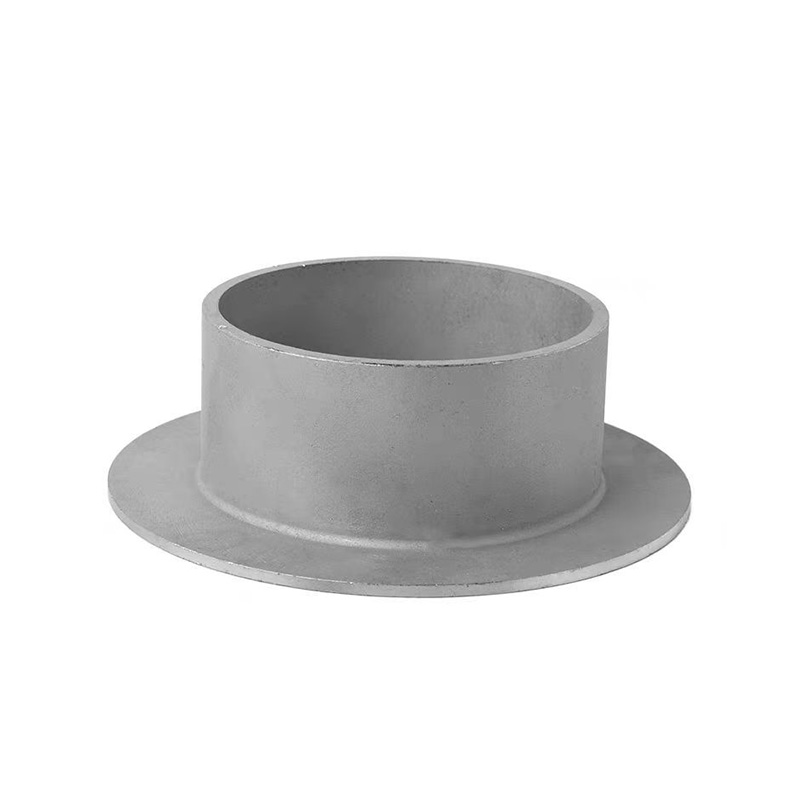
Welding ring is a pipe fitting used for pipeline connection. The following is its detailed ...