Innovations in Stainless Steel Elbow Manufacturing: CNC & Automated Welding
2025-12-14 14:01:50
The Evolving Role of Stainless Steel Elbow in Modern Piping
A Stainless Steel Elbow is a fundamental fitting used to change flow direction in piping systems across industries such as energy, chemical processing, water treatment, food production, and construction. While the basic function of an elbow remains unchanged, the way these components are manufactured has evolved significantly over the past decade.
Driven by increasing demand for dimensional accuracy, welding reliability, and scalable output, stainless steel elbow production now relies heavily on CNC machining and automated welding technologies. These innovations not only enhance product quality but also support consistent performance in bulk supply environments where repeatability is critical.
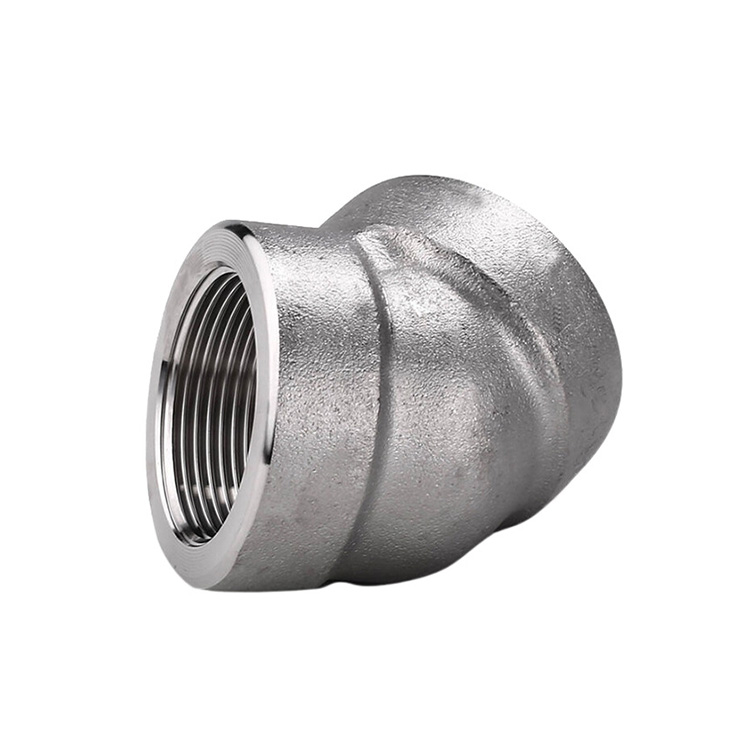
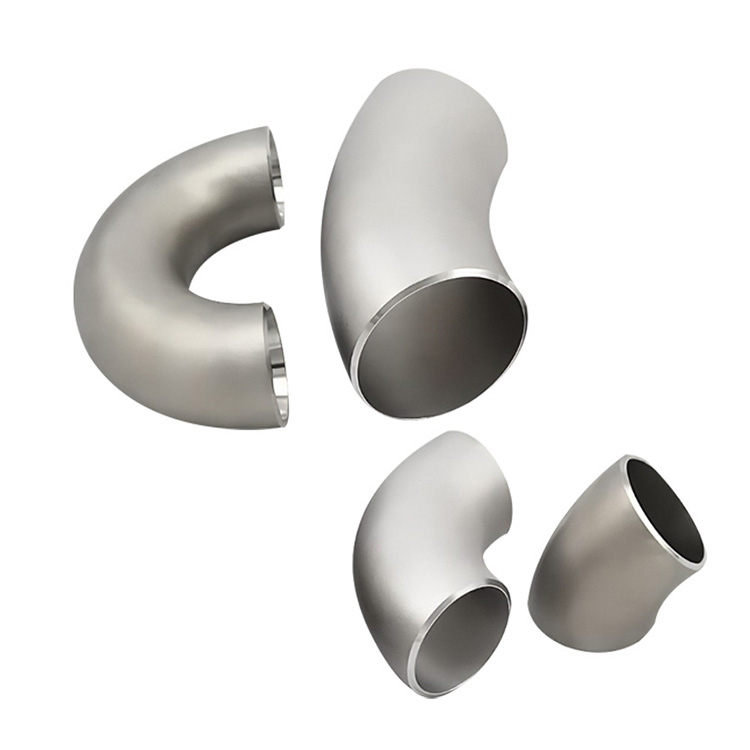
1. Traditional Manufacturing vs. Modern Techniques
Historically, stainless steel elbows were produced using manual forming, cutting, and welding methods.
Limitations of Conventional Methods
·Higher dimensional variation
·Greater dependence on operator skill
·Inconsistent weld penetration
·Slower production rates
As project specifications became stricter, traditional approaches struggled to meet modern tolerance and quality expectations.
2. CNC Machining: Precision at Every Stage
CNC (Computer Numerical Control) technology has reshaped how stainless steel elbows are formed and finished.
Key CNC Applications
·Accurate cutting of pipe sections
·Precise beveling for welding preparation
·Consistent wall thickness control
·Repeatable dimensional accuracy
For a Stainless Steel Elbow, precise geometry is essential to ensure proper fit-up during installation and smooth fluid flow after commissioning.
3. Benefits of CNC in Elbow Production
The integration of CNC equipment provides measurable advantages.
Production Improvements
·Reduced material waste
·Lower rejection rates
·Faster changeover between specifications
These benefits are particularly valuable in production environments handling multiple elbow sizes and pressure ratings within the same manufacturing cycle.
4. Automated Welding: Enhancing Joint Reliability
Welding quality directly affects the structural integrity and service life of stainless steel elbows.
Why Automation Matters
Automated welding systems offer:
·Consistent heat input
·Uniform weld bead geometry
·Reduced risk of human error
In Stainless Steel Elbow fabrication, automated welding ensures that each joint meets predefined quality standards, even across large production volumes.
5. Welding Consistency and Performance
Uniform welds improve both mechanical strength and corrosion resistance.
Performance Advantages
·Improved fatigue resistance
·Better internal surface smoothness
·Reduced post-weld correction
These factors contribute to longer service life and lower maintenance requirements in demanding operating conditions.
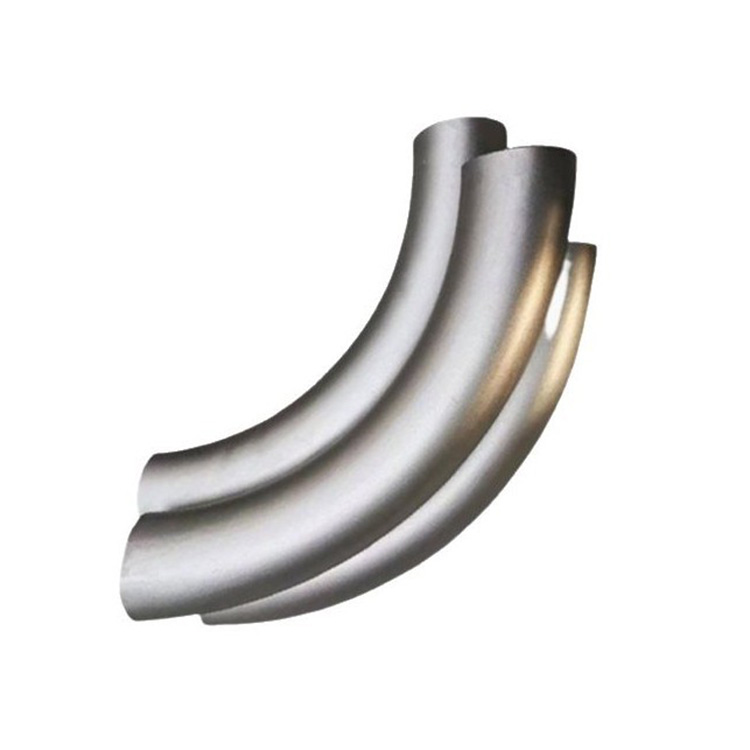
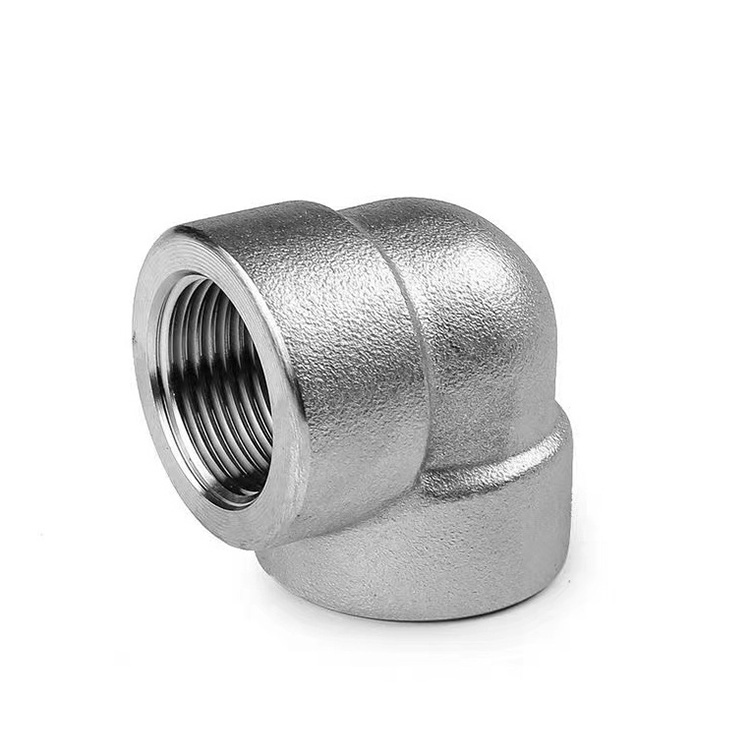
6. Integration of CNC and Automated Welding
The real innovation lies in combining CNC machining with automated welding into a unified production workflow.
Integrated Workflow Benefits
·Seamless transition from cutting to welding
·Improved alignment accuracy
·Reduced handling and setup time
For a Stainless Steel Elbow, this integration ensures that machined components align perfectly before welding, minimizing distortion and rework.
7. Supporting Consistency in Bulk Production
Large projects often require hundreds or thousands of identical fittings.
Why Consistency Matters
·Simplifies installation
·Ensures predictable system performance
·Reduces inspection complexity
Manufacturer-controlled CNC and automated welding systems support stable production output, making them ideal for bulk supply and repeat-order scenarios.
8. Quality Control in Advanced Manufacturing
Advanced production technologies are complemented by modern inspection methods.
Typical Quality Measures
·Dimensional verification using digital measuring tools
·Visual and non-destructive weld inspection
·Surface finish evaluation
These steps help confirm that each Stainless Steel Elbow meets design and performance requirements before shipment.
9. Sustainability and Efficiency Gains
Automation also contributes to more sustainable manufacturing practices.
Efficiency Improvements
·Optimized energy usage
·Lower scrap rates
·Reduced rework and material loss
Efficient production benefits both manufacturers and buyers by lowering overall lifecycle costs.
10. Applications Benefiting from Advanced Manufacturing
Industries that demand precision and reliability benefit most from CNC- and automation-based elbow production.
Common Applications
·High-pressure pipelines
·Hygienic processing systems
·Corrosion-sensitive environments
·Long-distance fluid transport
In these applications, consistent quality directly supports system safety and operational stability.
Conclusion: The Future of Stainless Steel Elbow Production
A Stainless Steel Elbow remains a vital component in modern piping systems, but its performance increasingly depends on how it is manufactured. CNC machining and automated welding have introduced higher precision, stronger welds, and greater consistency across large production volumes.
For buyers seeking reliable supply from production-oriented facilities, these innovations represent more than technological upgrades—they enable scalable manufacturing, predictable quality, and long-term project confidence. As production demands continue to grow, advanced manufacturing methods will remain central to delivering high-quality Stainless Steel Elbow solutions for global infrastructure and industrial applications.
References
GB/T 7714:Groover M P. Fundamentals of modern manufacturing: materials, processes, and systems[M]. John Wiley & Sons, 2010.
MLA:Groover, Mikell P. Fundamentals of modern manufacturing: materials, processes, and systems. John Wiley & Sons, 2010.
APA:Groover, M. P. (2010). Fundamentals of modern manufacturing: materials, processes, and systems. John Wiley & Sons.
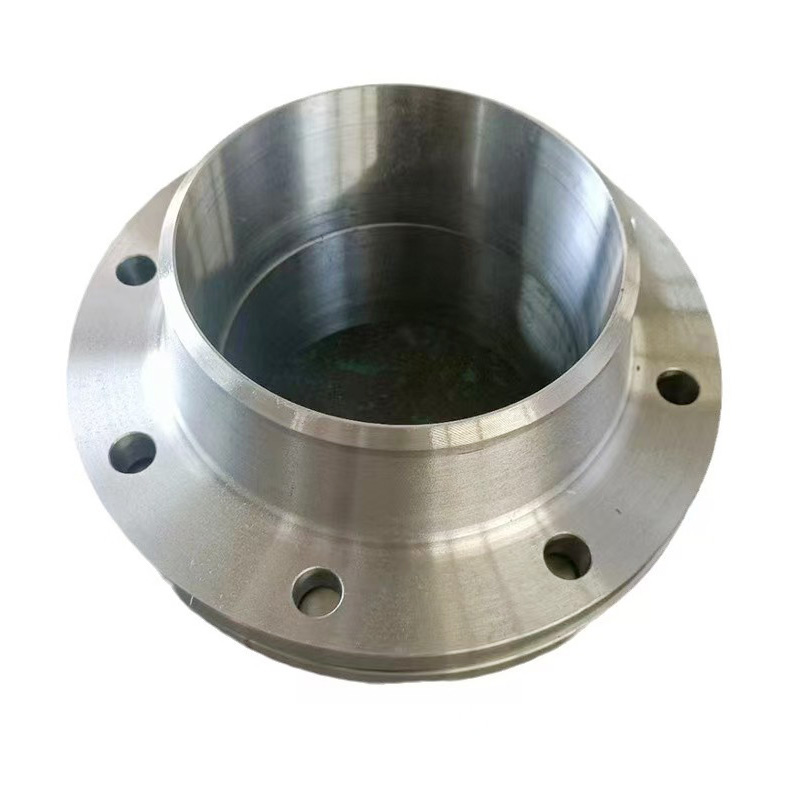
AWeld Neck Flange (WN Flange)is a type of piping flange designed to be welded to a pipe or ...
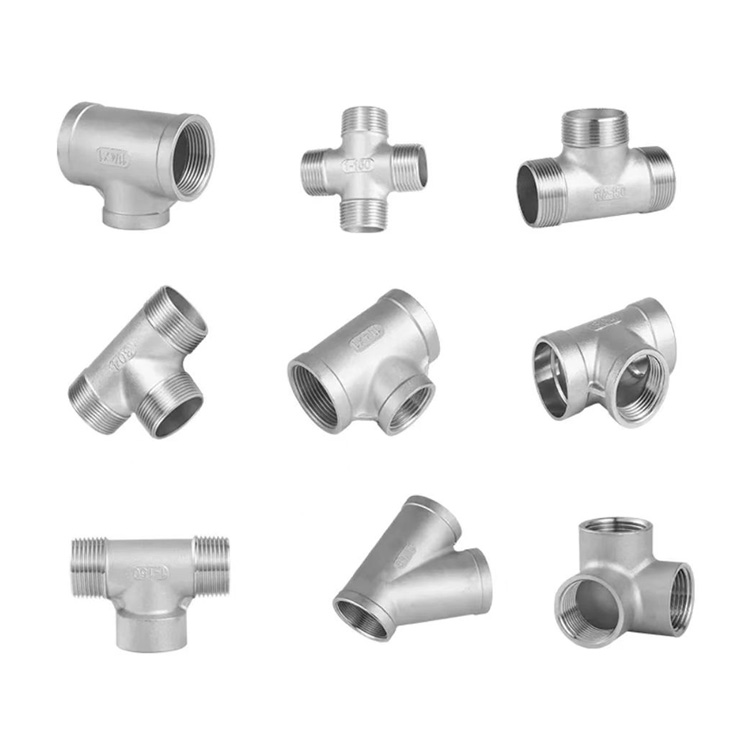
Socket fittings are essential components in piping systems, designed to connect, branch, or...
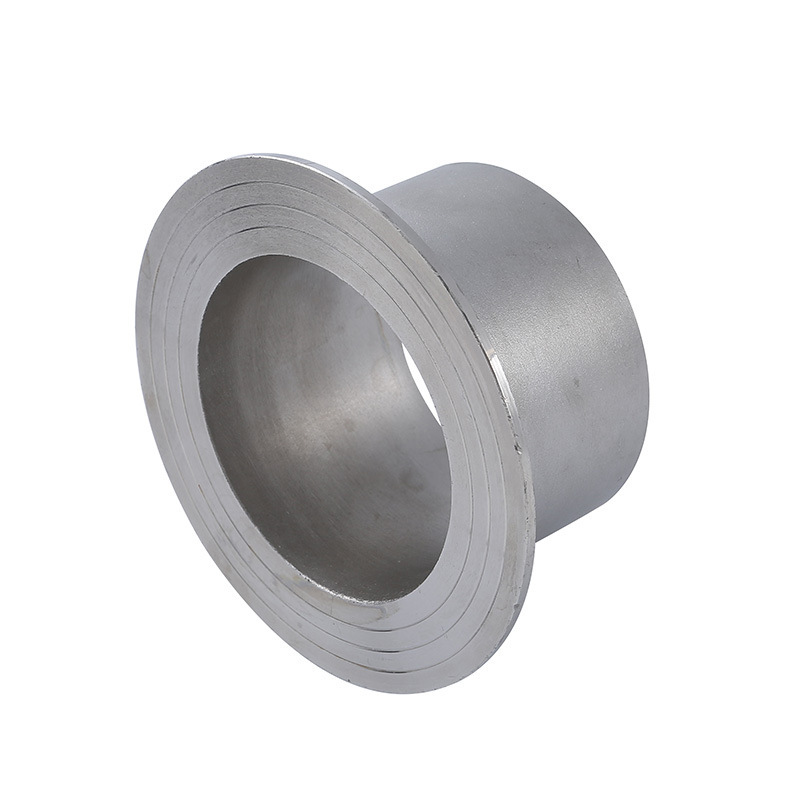
Welding ring is a commonly used metal ring component in pipeline connection or equipment do...
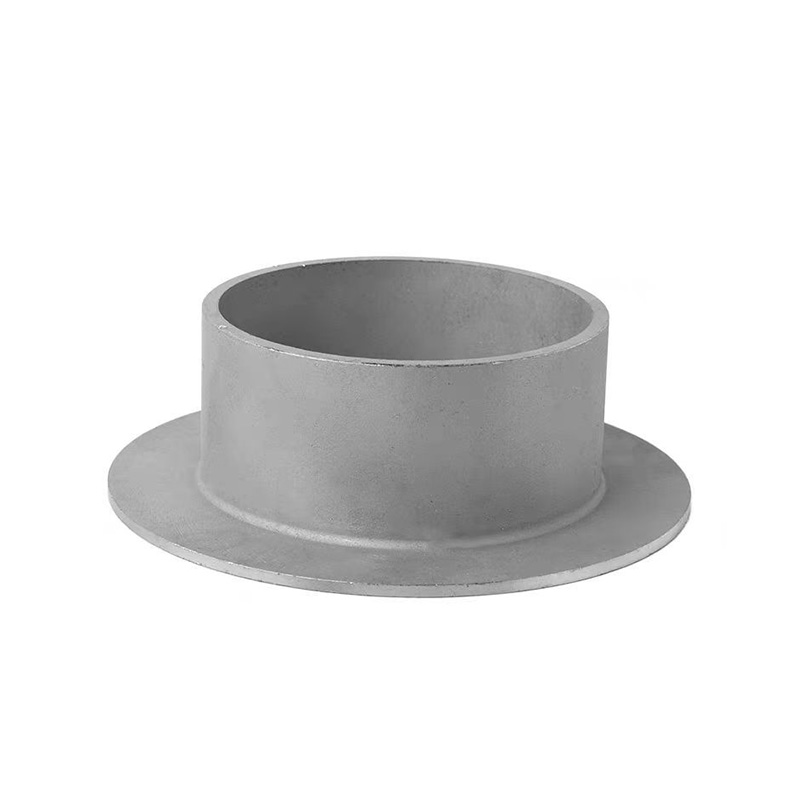
Welding ring is a pipe fitting used for pipeline connection. The following is its detailed ...