Export-Ready Packaging Solutions for 304 PN6 Flanges
2026-01-23 15:18:45
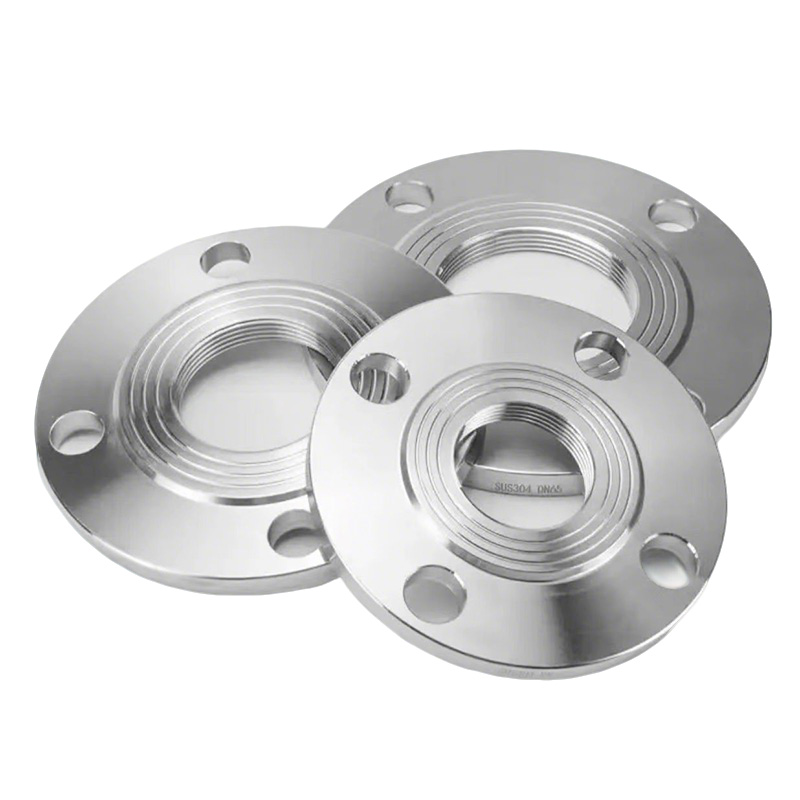
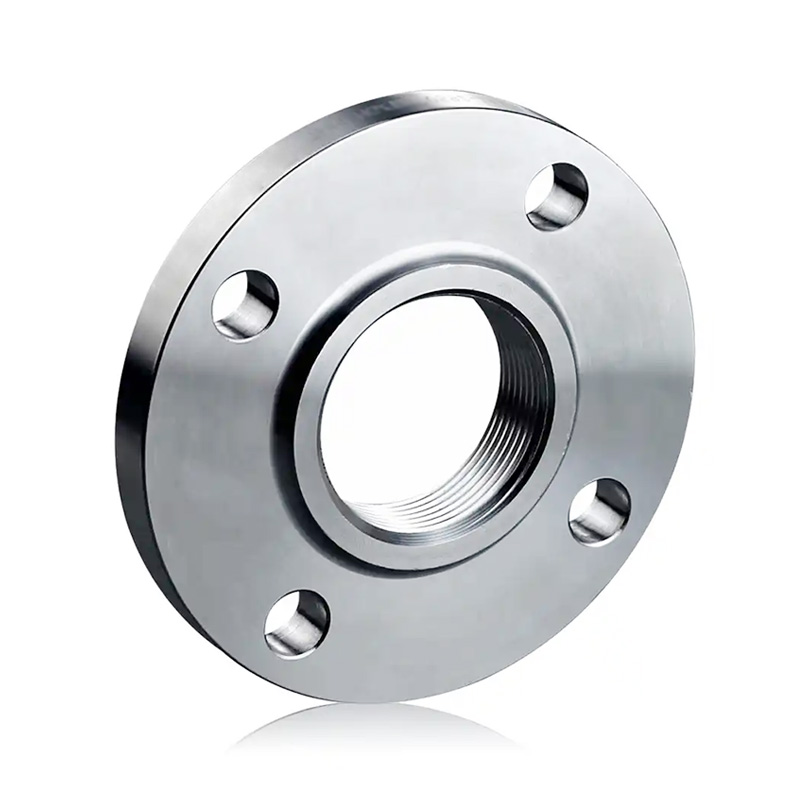
The Plate Welding Flange is a critical connection component in industrial piping systems, and when exported globally, its protection becomes just as important as its manufacturing quality. For 304 PN6 Plate Welding Flange products, export-ready packaging ensures dimensional accuracy, surface integrity, and mechanical performance remain intact from Factory to jobsite.
A professional Manufacturer integrates packaging into the Production workflow, ensuring that every Plate Welding Flange shipped in bulk arrives safely, cleanly, and installation-ready. This guide explains how export-ready packaging solutions protect 304 PN6 flanges and support reliable international supply chains.
Introduction to Plate Welding Flange Export Packaging
Global infrastructure, energy, and processing projects rely on large volumes of flanges shipped across borders. Unlike local delivery, export transport exposes components to vibration, moisture, impact, and long transit times.
For a Plate Welding Flange, poor packaging can result in corrosion, deformation, scratched sealing faces, or misalignment. That is why modern Manufacturer Production includes packaging engineering as part of total quality management, not as an afterthought.
What Is a 304 PN6 Plate Welding Flange?
A 304 PN6 Plate Welding Flange is a flat plate flange produced from stainless steel grade 304 and rated for PN6 pressure class. It is welded directly onto the pipe to create a permanent and strong joint.
Key characteristics include:
·Good corrosion resistance
·Stable mechanical strength
·Weld-friendly material composition
·Smooth sealing surface
·Compatibility with gasketed bolted joints
Because the Plate Welding Flange becomes part of the pipeline structure, maintaining surface and dimensional precision during export transport is essential.
Why Packaging Matters for Global Transport
Packaging is not only about appearance. It directly influences product performance at the installation site.
For Plate Welding Flange exports, packaging helps:
·Prevent corrosion before installation
·Protect machined sealing faces
·Avoid deformation under stacking loads
·Reduce impact damage during handling
·Maintain traceability for large orders
In Factory environments, packaging design is developed alongside Production planning to support safe bulk transportation.
Common Risks During Flange Shipping
Export shipments involve multiple handling stages: loading, container transport, sea freight, and unloading. Each stage introduces potential hazards.
·Common risks include:
·Saltwater moisture exposure
·Vibration and shifting inside containers
·Metal-to-metal abrasion
·Compression from stacking weight
·Contamination by dust or chemicals
Without proper protection, a Plate Welding Flange may arrive with damaged sealing surfaces or reduced corrosion resistance, increasing installation risk.
Material Protection and Surface Preservation
The sealing face of a Plate Welding Flange is highly sensitive. Even minor scratches can affect gasket performance.
Export-ready packaging typically includes:
·Plastic or foam face protectors
·Individual wrapping for critical surfaces
·Separation layers between stacked flanges
·Non-abrasive cushioning materials
In Manufacturer Production systems, these protective measures are standardized to ensure consistency across Factory-scale orders.
Structural Packaging Design for Heavy Components
Flanges are dense metal components. Improper structural packaging can lead to bending or impact damage.
Effective structural packaging focuses on:
·Load-bearing pallets
·Reinforced wooden or steel crates
·Anti-shift blocking systems
·Weight-balanced stacking layout
Factory packaging engineers calculate load distribution so that each Plate Welding Flange maintains shape and dimensional tolerance throughout international transit.
Moisture Control and Anti-Corrosion Measures
Long-distance shipping often involves humidity changes and marine exposure. Stainless steel resists corrosion, but surface staining and crevice corrosion can still occur without protection.
Moisture control methods include:
·Desiccant placement inside crates
·Vacuum sealing or shrink wrapping
·Anti-rust paper or films
·Sealed container liners
By integrating corrosion protection into Production logistics, Manufacturers ensure Plate Welding Flange products arrive clean and installation-ready.
Manufacturer Production and Factory Packaging Control
Export packaging is most effective when managed within the same quality system as manufacturing.
Professional Manufacturer operations control:
·Final surface inspection before packing
·Packaging material selection
·Labeling and traceability
·Load testing of packed crates
·Documentation for export compliance
Factory-level control guarantees that packaging quality matches the technical standard of the Plate Welding Flange itself.
Bulk Supply Solutions for International Orders
Large projects often require hundreds or thousands of flanges. Bulk export packaging must balance protection with logistics efficiency.
Bulk supply packaging focuses on:
·Optimized crate size for containers
·Clear identification for installation sorting
·Reduced handling damage
·Stable stacking during transport
·Cost-efficient volume management
With Manufacturer-scale Production and Factory logistics planning, Plate Welding Flange shipments support predictable delivery schedules for international projects.
Choosing the Right Export Packaging Strategy
When exporting a 304 PN6 Plate Welding Flange, buyers should evaluate:
·Transit distance and shipping mode
·Environmental exposure conditions
·Handling frequency
·Required surface finish protection
·Installation schedule
Working with a Manufacturer that integrates packaging into Production and Factory processes ensures the Plate Welding Flange arrives in the same condition as it left the plant.
Conclusion: Plate Welding Flange Protected for Global Delivery
The Plate Welding Flange is more than a connection part—it is a precision component that must retain surface integrity and dimensional accuracy throughout its journey. For 304 PN6 Plate Welding Flange exports, professional packaging solutions protect against corrosion, impact, moisture, and deformation.
Supported by Manufacturer-controlled Production and Factory-level packaging systems, Plate Welding Flange products achieve reliable performance from plant to project site.
Choosing export-ready packaging is not only about transport safety—it is about preserving quality, reducing installation risk, and ensuring global projects succeed with dependable Plate Welding Flange solutions.
References
GB/T 7714:Silman H. Corrosion and Corrosion Control: An introduction to corrosion science and engineering[J]. 1972.
MLA:Silman, H. "Corrosion and Corrosion Control: An introduction to corrosion science and engineering." (1972): 98-98.
APA:Silman, H. (1972). Corrosion and Corrosion Control: An introduction to corrosion science and engineering.
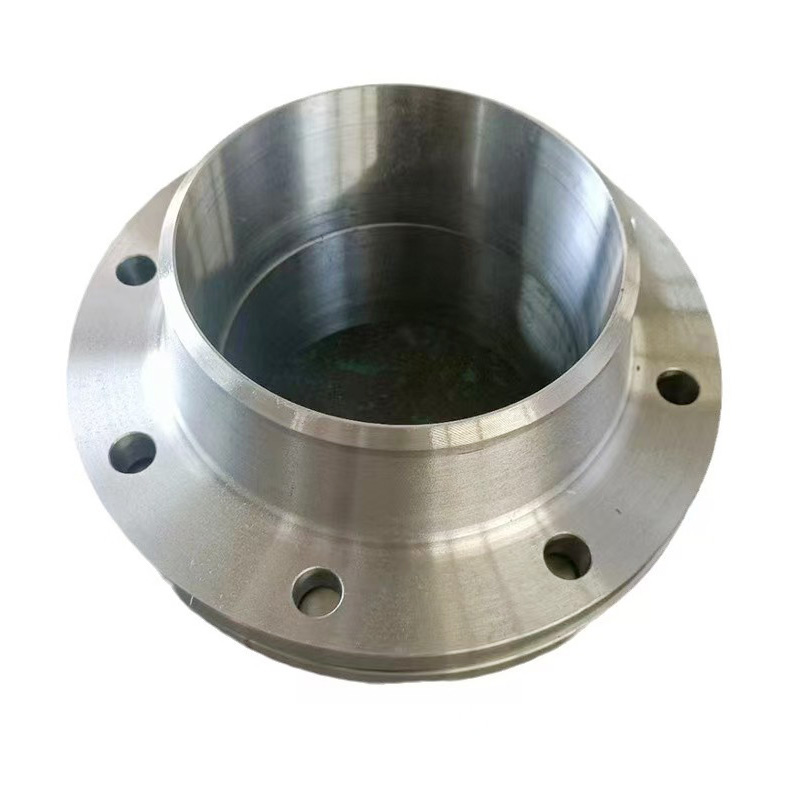
AWeld Neck Flange (WN Flange)is a type of piping flange designed to be welded to a pipe or ...
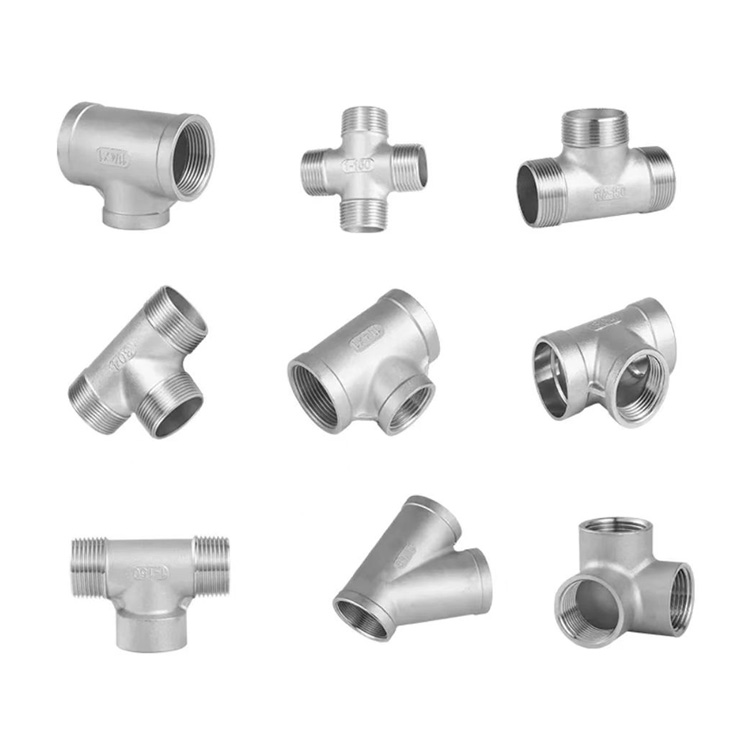
Socket fittings are essential components in piping systems, designed to connect, branch, or...
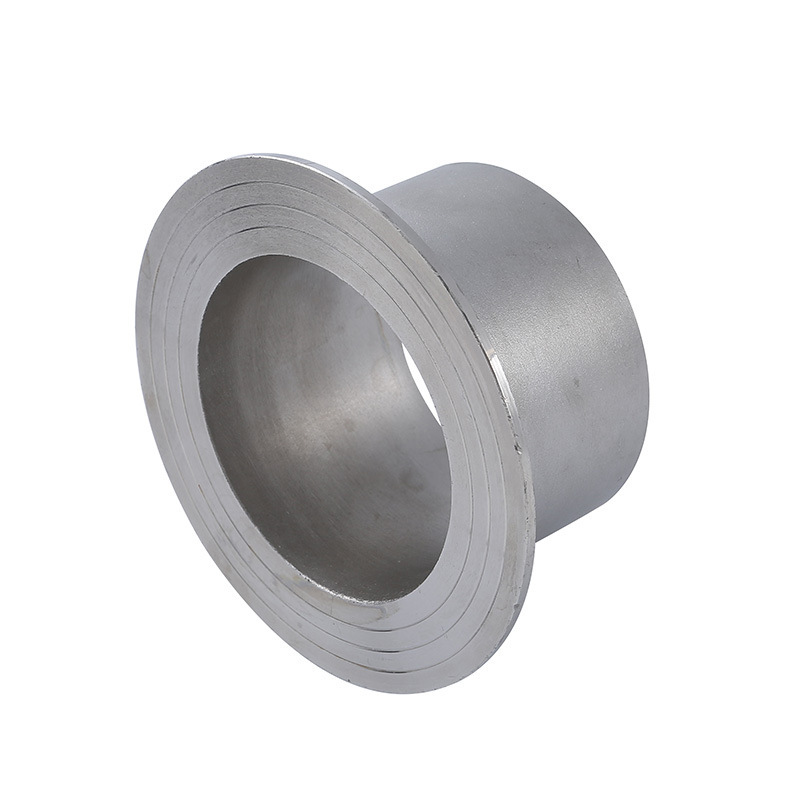
Welding ring is a commonly used metal ring component in pipeline connection or equipment do...
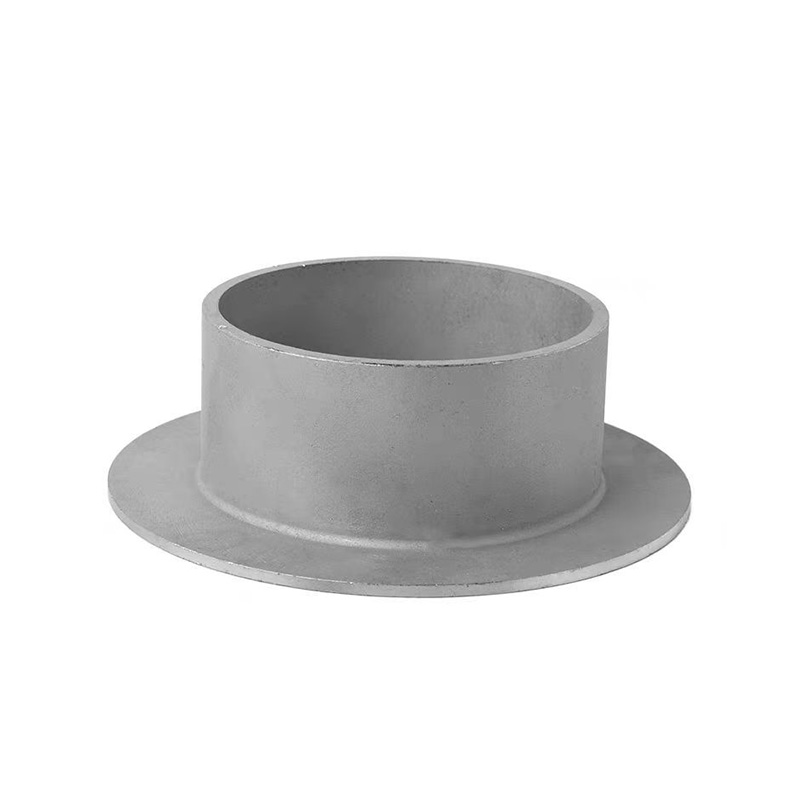
Welding ring is a pipe fitting used for pipeline connection. The following is its detailed ...