Flange Facing Types and Their Role in Leak Prevention
2026-01-24 15:27:20
The Weld Neck Flange is widely recognized for its strength, pressure resistance, and long-term sealing reliability in industrial piping systems. However, even the strongest flange cannot perform properly without the correct facing design. Flange facing determines how the gasket contacts the flange surface, directly influencing leak prevention, load distribution, and service life.
From Manufacturer-level Production to Factory-scale bulk supply, controlling flange facing quality is essential to ensure every Weld Neck Flange delivers stable sealing performance in real-world applications. This article explores major flange facing types and explains how they contribute to leak prevention.
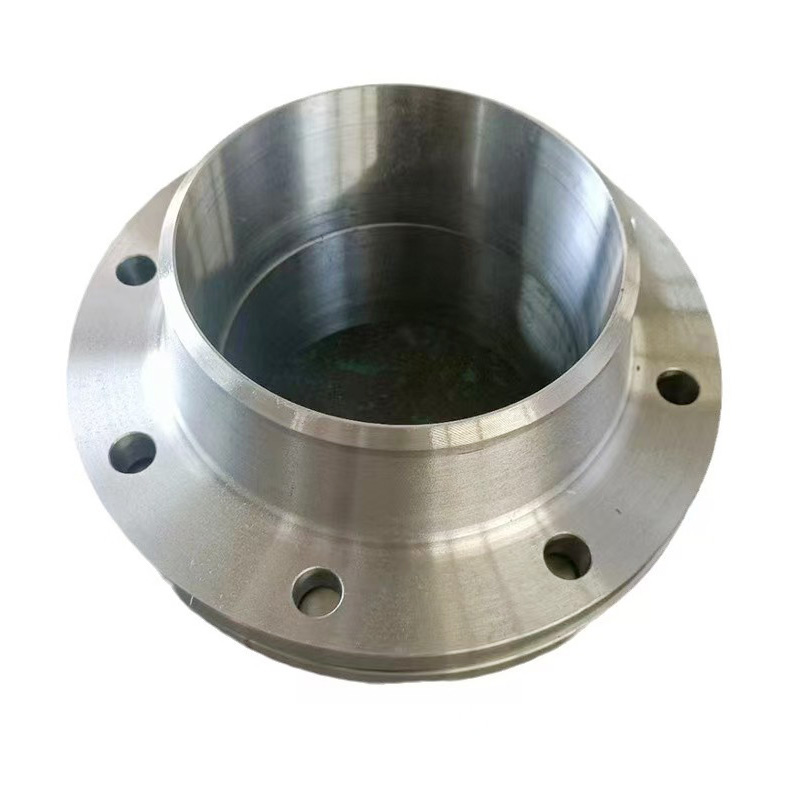
Introduction to Weld Neck Flange Sealing Performance
A Weld Neck Flange connects to piping through a tapered hub welded to the pipe, creating a smooth stress transition. This structure provides excellent resistance to pressure, vibration, and thermal cycling.
Yet, sealing does not depend only on the weld or the bolts. The facing surface between two flanges and the gasket determines whether the joint remains leak-free. In modern Production environments, Manufacturers treat facing machining as a critical quality stage for every Weld Neck Flange leaving the Factory.
What Is Flange Facing?
Flange facing refers to the contact surface on the flange where the gasket sits. This area is machined to a specific shape and finish to control gasket compression and sealing behavior.
Key functions of flange facing include:
·Providing uniform gasket contact
·Controlling sealing stress
·Preventing metal-to-metal leakage paths
·Stabilizing gasket positioning
·Supporting bolt load distribution
Without proper facing, even a high-grade Weld Neck Flange may suffer premature leakage during operation.
Why Facing Design Matters for Leak Prevention
Leakage occurs when gasket stress is insufficient, uneven, or unstable under operating conditions. Facing geometry influences how bolt load transfers into gasket compression.
Proper facing design helps:
·Increase sealing contact area
·Maintain gasket stability under pressure
·Reduce stress concentration
·Improve resistance to vibration and temperature changes
For Manufacturer Production, this means facing accuracy directly affects the real performance of a Weld Neck Flange after installation.
Common Facing Types Used in Industry
Different service conditions require different flange facing designs. The most common facing types include:
·Raised Face (RF)
·Flat Face (FF)
·Ring Type Joint (RTJ)
·Tongue and Groove
·Male and Female
Each facing type is engineered to control gasket behavior differently, allowing the Weld Neck Flange to adapt to pressure class, temperature, and media type.
Raised Face (RF) and Its Applications
Raised Face is the most widely used facing style. It has a small raised section where the gasket sits, concentrating bolt load onto a smaller area.
Advantages include:
·Improved gasket compression
·Better sealing stress
·Compatibility with many gasket materials
·Easy installation
In Factory bulk Production, RF machining is tightly controlled so each Weld Neck Flange achieves consistent height, finish, and concentricity.
Flat Face (FF) for Low-Pressure Systems
Flat Face flanges have a full-face contact surface where the gasket covers the entire flange face. This type is commonly used in lower-pressure applications.
Benefits include:
·Even load distribution
·Reduced risk of flange rotation
·Suitable for soft gasket materials
·Simple alignment
For Manufacturer operations, FF facing helps protect lighter piping systems while still supporting reliable sealing in low-stress environments.
Ring Type Joint (RTJ) for High Integrity Sealing
RTJ facing uses a precision-machined groove that accepts a metal ring gasket. When bolts are tightened, the ring deforms to create a high-integrity seal.
RTJ advantages:
·Excellent leak prevention
·Suitable for high pressure and temperature
·Strong resistance to vibration
·Long service life
High-end Production lines use CNC machining to ensure RTJ grooves in every Weld Neck Flange meet dimensional tolerances before leaving the Factory.
Surface Finish and Contact Stress
Beyond geometry, surface roughness strongly affects gasket behavior. Too smooth and the gasket may slip; too rough and it may not seal properly.
Proper surface finish helps:
·Increase friction between gasket and flange
·Control micro-sealing paths
·Maintain gasket position under load
Manufacturer Production systems use calibrated machining and inspection to ensure each Weld Neck Flange meets specified surface finish requirements for leak prevention.
Facing Accuracy in Manufacturer Production
Precision is critical in facing machining. Even small deviations can cause uneven gasket compression.
Production control includes:
·CNC turning for concentricity
·Automated surface measurement
·Dimensional tolerance inspection
·Visual and contact testing
A professional Manufacturer integrates facing control into the main Production workflow, ensuring that every Weld Neck Flange supports stable sealing performance.
Factory Control and Bulk Supply Consistency
In bulk supply projects, consistency matters as much as quality.
Factory packaging and inspection ensure:
·Uniform facing height
·Identical surface finish across batches
·Traceable quality records
·Reduced installation variation
Through standardized Production, Factory-scale bulk supply ensures that each Weld Neck Flange performs predictably when assembled in large piping systems.
Choosing the Right Facing for Your Weld Neck Flange
Selecting the correct facing depends on:
·Pressure class
·Temperature range
·Fluid media
·Gasket type
·Installation environment
By coordinating with a Manufacturer during Production planning, buyers can ensure the Weld Neck Flange facing type matches operational and sealing requirements.
Conclusion: Weld Neck Flange Facing for Leak-Free Performance
The Weld Neck Flange delivers structural strength, but facing design determines sealing success. From Raised Face to RTJ, each flange facing type plays a critical role in controlling gasket behavior and preventing leakage.
Supported by Manufacturer-managed Production and Factory-controlled bulk supply, Weld Neck Flange facing quality ensures reliability from shipment to long-term service.
Choosing the correct facing is not just a design decision—it is a leak-prevention strategy that protects system safety, efficiency, and operational stability when using a professional Weld Neck Flange solution.
References
GB/T 7714:Link R E. An introduction to the design and behavior of bolted joints[J]. Journal of Testing and Evaluation, 1991, 19(5): 417-418.
MLA:Link, R. E. "An introduction to the design and behavior of bolted joints." Journal of Testing and Evaluation 19.5 (1991): 417-418.
APA:Link, R. E. (1991). An introduction to the design and behavior of bolted joints. Journal of Testing and Evaluation, 19(5), 417-418.
AWeld Neck Flange (WN Flange)is a type of piping flange designed to be welded to a pipe or ...
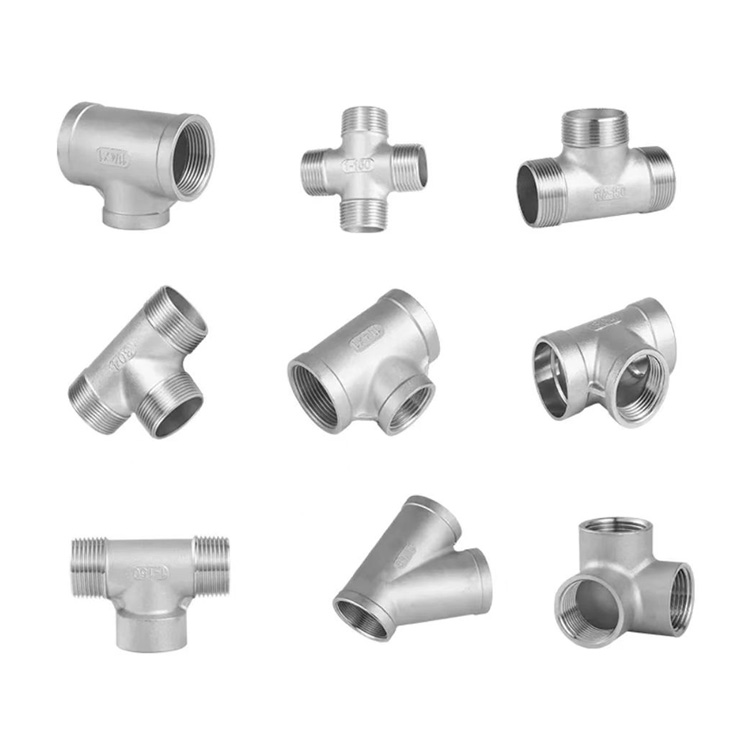
Socket fittings are essential components in piping systems, designed to connect, branch, or...
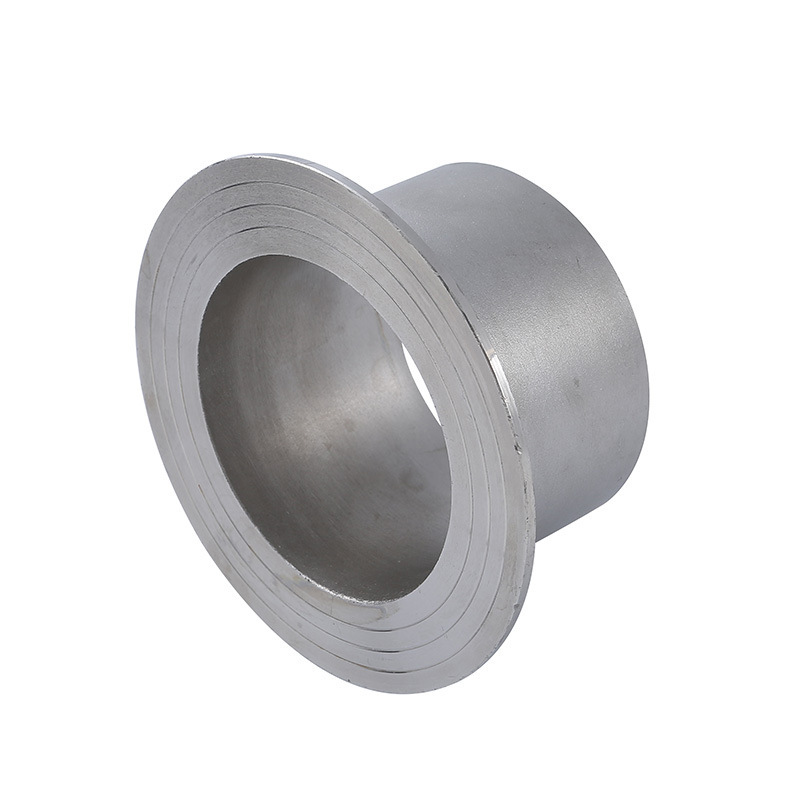
Welding ring is a commonly used metal ring component in pipeline connection or equipment do...
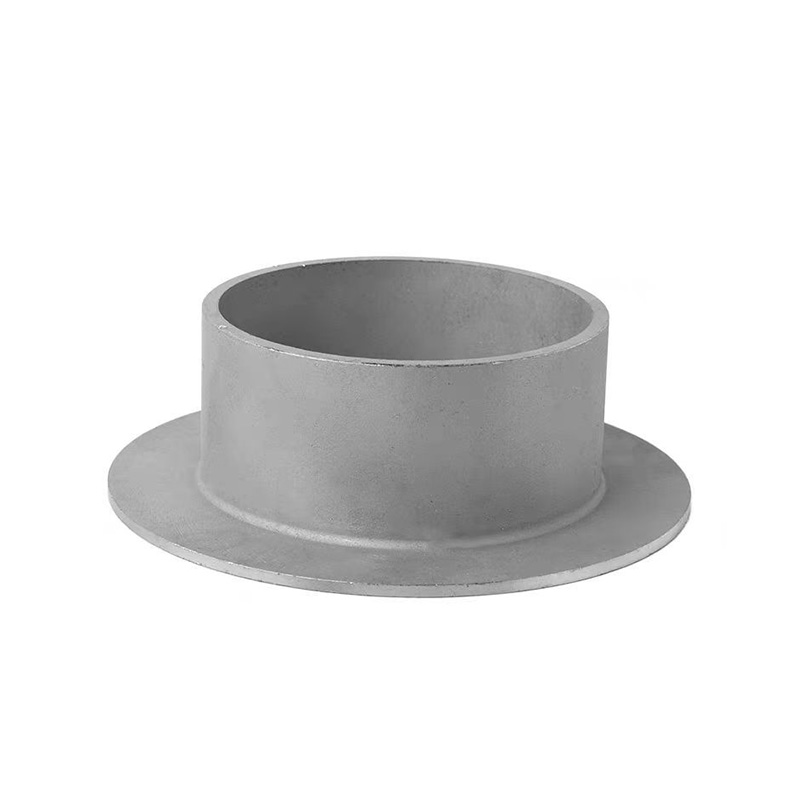
Welding ring is a pipe fitting used for pipeline connection. The following is its detailed ...