How EN 1092-1 Defines 20592 PL Flange Dimensions and Tolerances
2025-11-09 14:31:10
For engineers, designers, or project buyers, understanding how standards define the geometry of a Plate Welding Flange is critical. Both EN 1092-1 and GB/T 20592 outline the exact dimensions and tolerances required for flanges, ensuring safe, reliable, and globally compatible connections.
As a China manufacturer specializing in bulk supply of Plate Welding Flanges, we are often asked how these two standards relate to each other. This guide breaks down the key principles behind EN 1092-1 and 20592 PL Flange measurements, offering a clear and practical explanation.
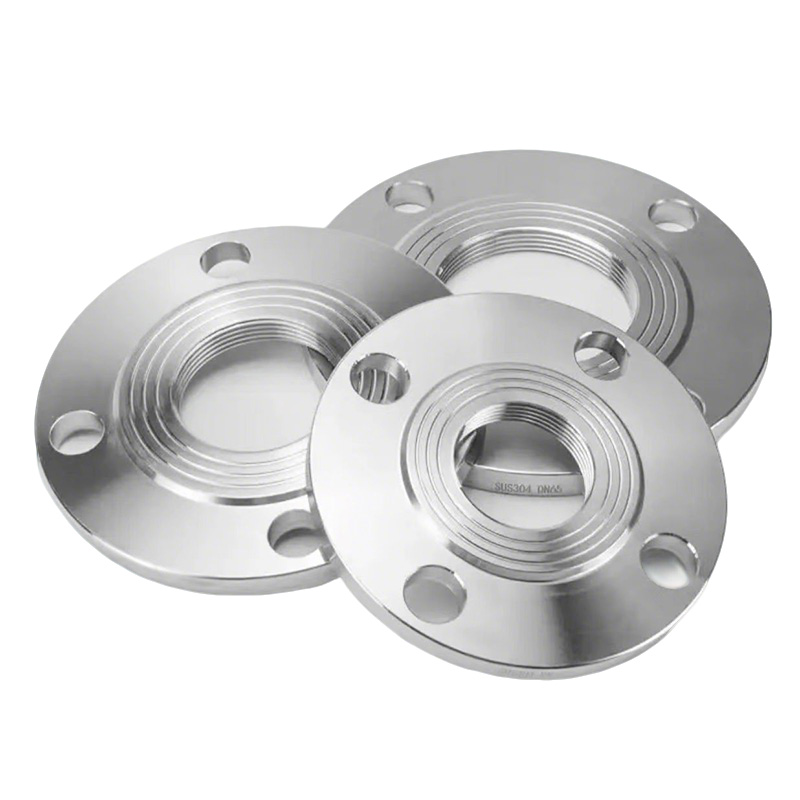
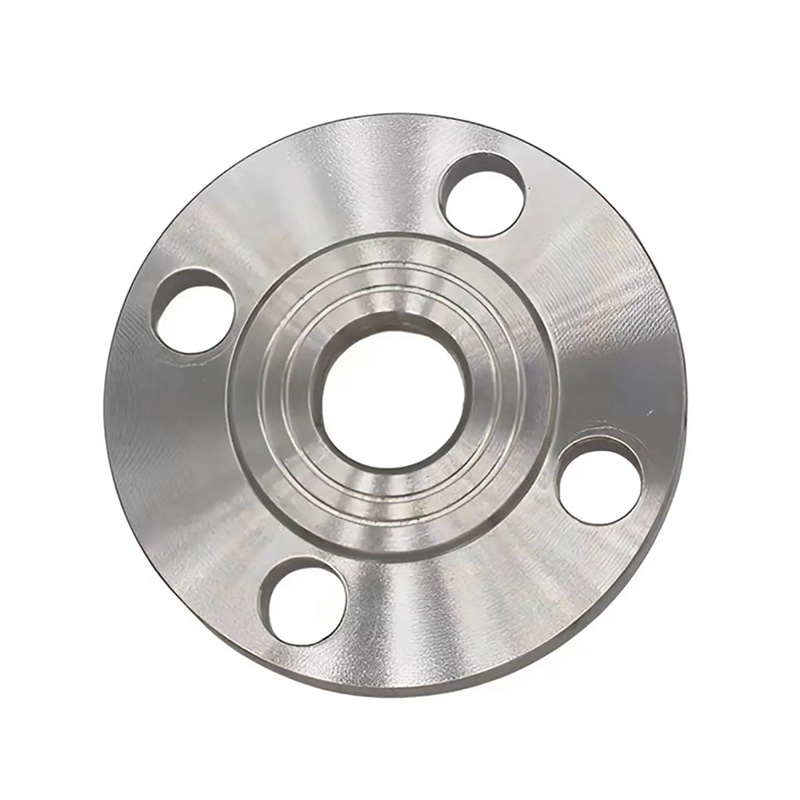
1. What Exactly Is a PL (Plate) Flange?
A Plate Welding Flange, sometimes referred to as a PL Flange, is one of the simplest and most widely used flange types in piping systems. It consists of a flat, circular plate welded directly to the end of a pipe. Once welded, it allows for easy bolted connections to valves, pumps, or other sections of a pipeline.
Its flat design and uniform thickness make it strong, cost-effective, and easy to manufacture. Because of its structure, it is often used in systems carrying water, gas, oil, or steam under moderate pressure. Many China manufacturers produce these flanges in large volumes, ensuring bulk supply for global projects.
2. The Relationship Between EN 1092-1 and GB/T 20592
Both EN 1092-1 and GB/T 20592 are dimensional standards that describe how flanges should be made and measured.
·EN 1092-1 is the European standard for circular steel flanges, used across the EU and other international projects.
·GB/T 20592 is the Chinese equivalent, created to align with EN 1092-1 so that products manufactured in China can be fully compatible with European equipment.
That means a 20592 PL Flange designed according to GB/T 20592 will have the same key dimensions, drilling pattern, and pressure class as an EN 1092-1 flange. This dimensional equivalence allows seamless interchangeability between systems built in different countries.
3. Dimensional Guidelines
EN 1092-1 defines a number of geometric elements for Plate Welding Flanges, including:
·The outer diameter, which determines the overall size and fitting clearance.
·The bolt circle diameter, defining the placement of bolt holes around the flange.
·The thickness, which affects pressure capability and structural strength.
·The bore size, which matches the internal diameter of the pipe for a smooth flow path.
·The raised face height, when applicable, which influences gasket sealing performance.
Each pressure class—such as PN 6, PN 10, PN 16, PN 25, or PN 40—has its own corresponding dimensions. The higher the pressure rating, the thicker and stronger the flange.
By following EN 1092-1, a China manufacturer ensures every flange meets strict dimensional accuracy and can connect perfectly with international pipeline components.
4. Understanding Tolerances
Tolerances are the allowed deviations from nominal dimensions during manufacturing.
Even the smallest variations can affect sealing performance or bolt alignment, which is why EN 1092-1 and GB/T 20592 specify strict limits for each dimension.
Typically, tolerances apply to parameters such as:
·Outer diameter deviation
·Bolt circle positioning
·Thickness uniformity
·Hole diameter and spacing
Maintaining these tolerances ensures that when flanges are bolted together, they align correctly and distribute stress evenly. This precision is one of the key indicators of a high-quality Plate Welding Flange.
5. Surface Finishing and Sealing Faces
Besides dimensions, the standards also describe the surface roughness and sealing face types.
Common options include Raised Face (RF), Flat Face (FF), and Tongue & Groove (T/G).
For most industrial uses, a raised face is preferred because it provides better gasket compression and prevents leaks. EN 1092-1 requires a specific surface finish—usually with a controlled roughness—to create the right amount of friction and sealing pressure between connected flanges.
6. Pressure Ratings and Material Options
Both EN 1092-1 and GB/T 20592 classify flanges by pressure rating (PN), which determines the maximum operating pressure at a reference temperature of 20°C.
Low-pressure systems (such as PN 6 or PN 10) often use carbon steel or 304 stainless steel, while higher pressure classes (PN 25, PN 40, and above) require 316 stainless steel or stronger alloy steels.
A qualified China manufacturer can produce both materials according to customer specifications, ensuring consistent performance across different pressure ratings and industries.
7. Why Standardization Matters
Flange standards like EN 1092-1 are essential for ensuring safety, compatibility, and interchangeability in global piping systems. Without standardized dimensions and tolerances, components from different factories could fail to align, leading to leaks, vibration, or even system failure.
Following EN 1092-1 and GB/T 20592 gives engineers the confidence that their Plate Welding Flanges will fit properly and perform consistently across international projects.
8. Benefits of Working with a China Manufacturer
Choosing a China manufacturer for Plate Welding Flanges offers several key benefits:
·Reliable bulk supply backed by large-scale production capacity.
·Competitive pricing thanks to efficient steel sourcing and automated machining.
·Custom fabrication available for special dimensions or coatings.
·International compliance with EN 1092-1, GB/T 20592, ASME, and DIN standards.
This combination of precision manufacturing and large-volume output makes Chinese suppliers a practical choice for industrial contractors, distributors, and EPC companies worldwide.
Conclusion
Both EN 1092-1 and GB/T 20592 define how a 20592 Plate Welding Flange should be measured, drilled, and inspected. These standards ensure that every flange performs safely and fits accurately, regardless of where it was produced.
When sourcing from a reliable China manufacturer with proven bulk supply capabilities, you gain access to cost-effective, standard-compliant flanges that meet international engineering requirements.
In short, understanding how EN 1092-1 defines dimensions and tolerances gives you the confidence to specify the right Plate Welding Flange—and to choose a trusted supplier who delivers quality and precision every time.
References
GB/T 7714:He B, Jiao B, Wan Q, et al. Strength and tightness evaluation method for pipe flange connections considering thermal effects[J]. Journal of Loss Prevention in the Process Industries, 2023, 83: 105053.
MLA:He, Baiyan, et al. "Strength and tightness evaluation method for pipe flange connections considering thermal effects." Journal of Loss Prevention in the Process Industries 83 (2023): 105053.
APA:He, B., Jiao, B., Wan, Q., Nie, R., & Yang, J. (2023). Strength and tightness evaluation method for pipe flange connections considering thermal effects. Journal of Loss Prevention in the Process Industries, 83, 105053.
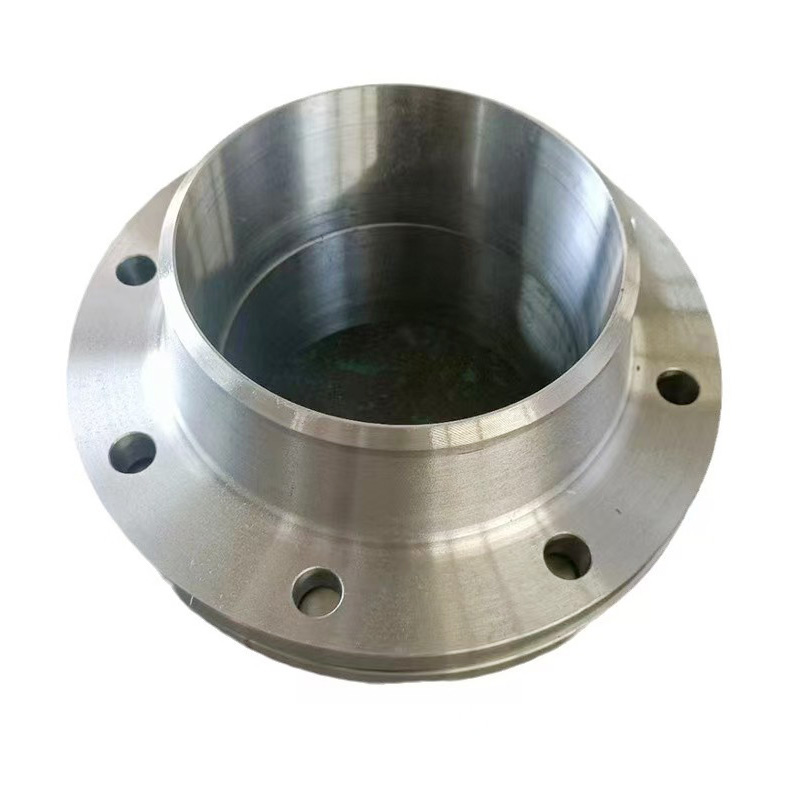
AWeld Neck Flange (WN Flange)is a type of piping flange designed to be welded to a pipe or ...
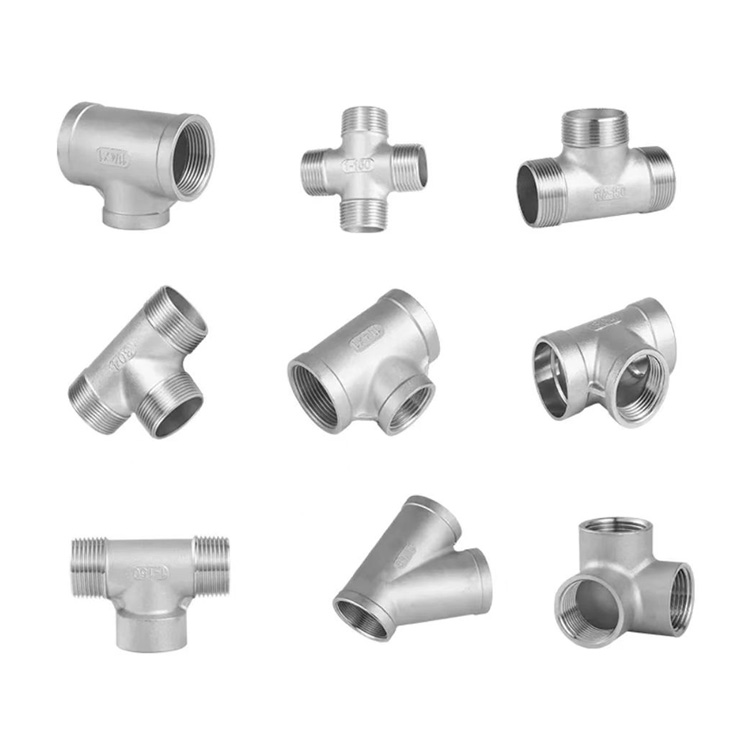
Socket fittings are essential components in piping systems, designed to connect, branch, or...
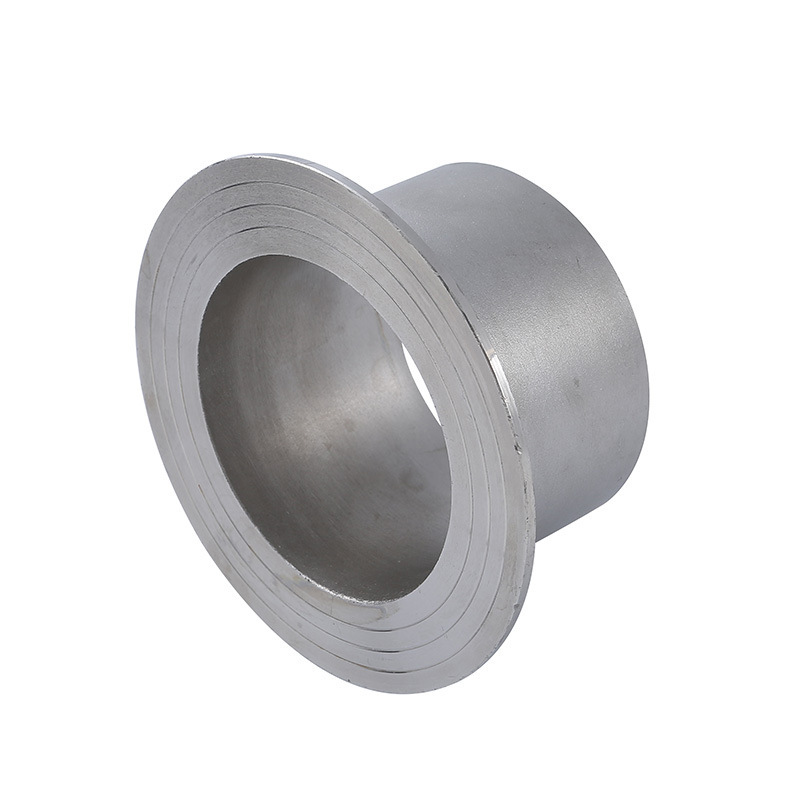
Welding ring is a commonly used metal ring component in pipeline connection or equipment do...
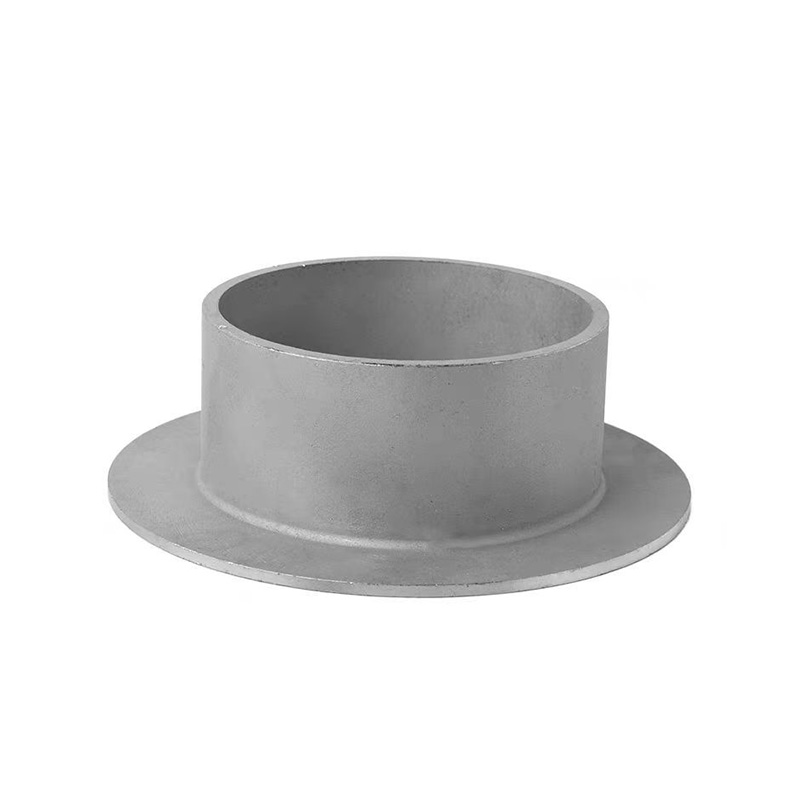
Welding ring is a pipe fitting used for pipeline connection. The following is its detailed ...