Heat Resistance of Stainless Steel Elbows in High-Temperature Environments
2025-11-14 14:45:25
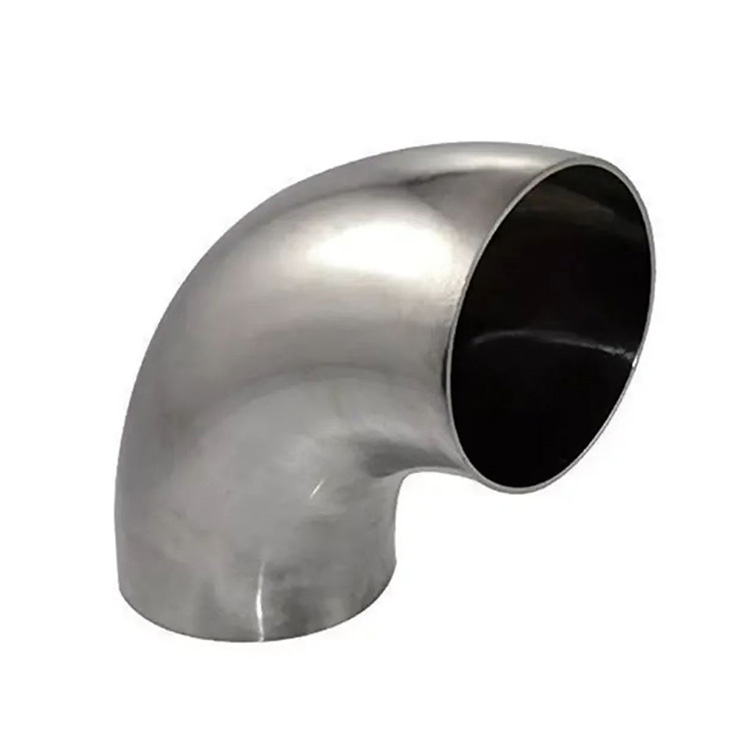
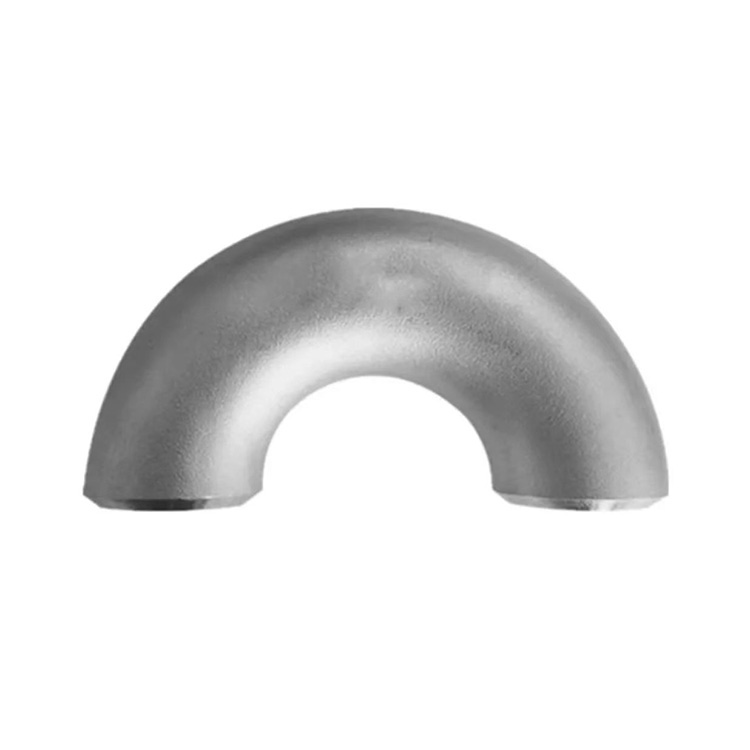
A Stainless Steel Elbow is one of the most critical fittings used in industrial piping networks exposed to elevated temperatures. Systems found in power stations, chemical plants, refineries, and thermal processing facilities rely heavily on these elbows to maintain consistent flow direction while withstanding intense thermal loads. When the elbows are sourced from a qualified Manufacturer with real Production strength and batch output capability, their reliability under extreme heat is significantly improved.
This article takes a detailed look at how Stainless Steel Elbows behave in high-temperature environments, what properties give them exceptional heat resistance, and how engineers can select the right alloy for demanding applications.
Why Heat Resistance Is Crucial for Stainless Steel Elbows
In pipelines subjected to high-temperature operation, fittings encounter far more stress than straight sections. Elbows—where the flow direction changes—experience concentrated mechanical and thermal loads. Without proper heat resistance, elbows may suffer from:
·Material thinning
·Accelerated oxidation
·High-temperature creep
·Distortion during thermal cycling
·Loss of structural strength
·Premature cracking or leaks
A well-engineered Stainless Steel Elbow is designed to resist these effects, maintaining performance even when exposed to constant heat or rapid temperature shifts.
What Gives Stainless Steel Its High-Temperature Capabilities?
The heat tolerance of stainless steel comes from its unique chemical composition and microstructure. Several key characteristics contribute to its thermal stability:
1. Chromium-Driven Oxidation Resistance
High chromium content forms a protective oxide layer that shields the elbow from scaling and surface deterioration during prolonged heat exposure.
2. Nickel for Elevated-Temperature Strength
Nickel stabilizes the austenitic structure, maintaining toughness and preventing brittleness at high temperatures.
3. Stable Austenitic Microstructure
Austenitic stainless steels, commonly used for elbows, retain their structural integrity and mechanical strength far better than carbon steels during heating.
4. Creep Resistance Under High Stress
Proper stainless steel grades resist the slow deformation (creep) that occurs when metals are subjected to heat and pressure over long periods.
Together, these properties make stainless steel an ideal material for elbows used in harsh thermal conditions.
Top Stainless Steel Grades for High-Temperature Elbows
Selecting the right alloy is essential for long-term durability in high-temperature applications. Common grades used for heat-resistant Stainless Steel Elbows include:
■ 304 (Basic Heat Resistance)
·Suitable for moderate thermal exposure
·Generally reliable up to ~870°C intermittently
·Best for systems without frequent extreme heat
■ 316 (Improved Corrosion + Heat Performance)
·Contains molybdenum for added corrosion protection
·Handles continuous service up to ~925°C
·Often used in high-temperature chemical environments
■ 321 (Titanium-Stabilized for Thermal Cycling)
·Designed to resist intergranular corrosion
·Excellent for repeated heating and cooling cycles
·Common in refinery and exhaust applications
■ 310 / 310S (Premium High-Temperature Alloy)
·Among the best stainless steels for sustained high heat
·Performs effectively up to ~1150°C
·Ideal for furnaces, boilers, and combustion gas systems
Choosing the correct elbow material helps maintain system safety and operational continuity in high-temperature settings.
How Stainless Steel Elbows Perform in Harsh Thermal Conditions
1. Excellent Resistance to Surface Scaling
High-chromium stainless steels form a strong protective oxide layer, slowing down the formation of scale in extremely hot gas or air environments.
2. Structural Stability During Thermal Cycling
Even with frequent heating and cooling, stainless steel elbows retain their shape and strength, reducing fatigue-related failures.
3. Pressure Reliability at Elevated Temperatures
A quality Stainless Steel Elbow maintains its pressure rating even when temperatures rise, preventing rupture or thinning.
4. Chemical Corrosion Resistance at High Heat
Hot acidic gases, steam, and corrosive compounds accelerate degradation—but stainless steel maintains its corrosion resistance even under heat.
Advantages of Choosing Elbows From a True Manufacturer
Because heat-resistant elbows must meet strict mechanical and metallurgical criteria, selecting products from a legitimate Manufacturer with real Production capability ensures:
·Accurate heat treatment
·Consistent material properties across batches
·Strong welding and forming quality
·Precise dimensional tolerances
·Verified pressure and temperature ratings
·Reliable stock for large-volume projects
This is essential for pipelines operating in high-temperature industrial environments, where any failure may cause downtime or safety risks.
Installation Considerations for High-Temperature Stainless Steel Elbows
1. Allow Adequate Expansion Clearance
Stainless steel expands with heat; systems must be designed with space to accommodate this.
2. Use Qualified Welding Procedures
High-temperature elbows require proper welding to maintain heat resistance and corrosion protection.
3. Inspect for Heat Tint and Surface Condition
Ensure elbows do not have discoloration or defects that could compromise performance.
4. Avoid Mixing Alloys With Different Expansion Rates
Mismatched alloys may lead to thermal stress points and long-term fatigue.
5. Choose the Correct Schedule and Thickness
Higher-temperature applications often require thicker walls for added strength.
Common Applications for Heat-Resistant Stainless Steel Elbows
Industries that frequently use high-temperature Stainless Steel Elbows include:
·Oil & gas refineries
·Steam and boiler piping
·Chemical reactors
·Incinerators and furnaces
·High-pressure turbine lines
·Metallurgical processing facilities
Their stability under heat makes these elbows indispensable to any pipeline exposed to extreme temperatures.
Conclusion
A Stainless Steel Elbow designed for high-temperature service provides exceptional durability, oxidation resistance, and mechanical strength. Selecting elbows produced by a qualified Manufacturer with stable Production capability ensures consistent quality and long-term reliability in critical industrial applications. With the right alloy grade, proper installation, and informed engineering decisions, stainless steel elbows deliver dependable performance even in the harshest thermal environments.
References
GB/T 7714:Bahrami A, Anijdan S H M, Taheri P, et al. Failure of AISI 304H stainless steel elbows in a heat exchanger[J]. Engineering Failure Analysis, 2018, 90: 397-403.
MLA:Bahrami, A., et al. "Failure of AISI 304H stainless steel elbows in a heat exchanger." Engineering Failure Analysis 90 (2018): 397-403.
APA:Bahrami, A., Anijdan, S. M., Taheri, P., & Mehr, M. Y. (2018). Failure of AISI 304H stainless steel elbows in a heat exchanger. Engineering Failure Analysis, 90, 397-403.
AWeld Neck Flange (WN Flange)is a type of piping flange designed to be welded to a pipe or ...
Socket fittings are essential components in piping systems, designed to connect, branch, or...
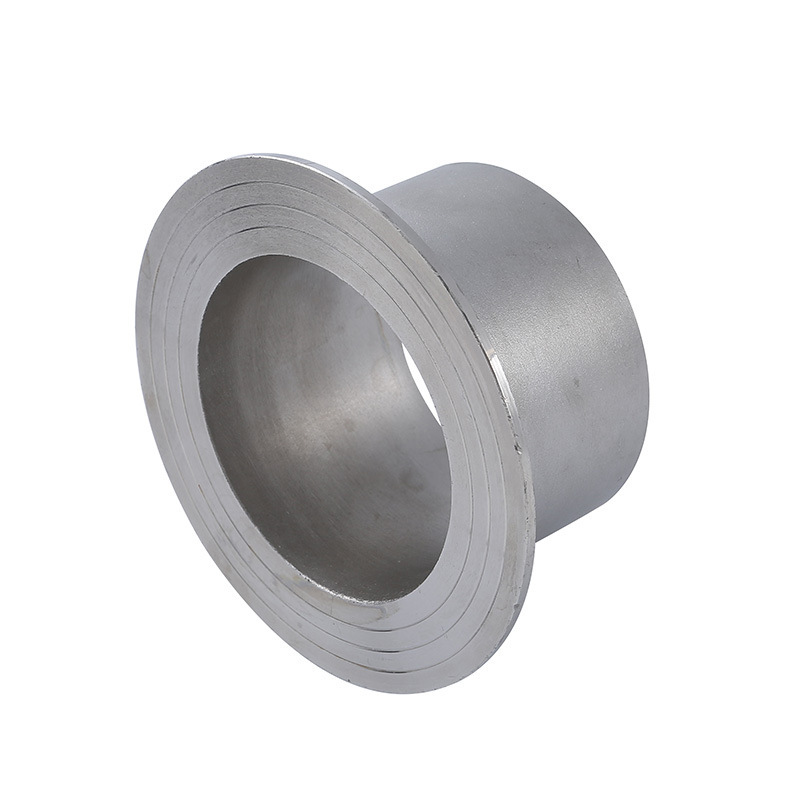
Welding ring is a commonly used metal ring component in pipeline connection or equipment do...
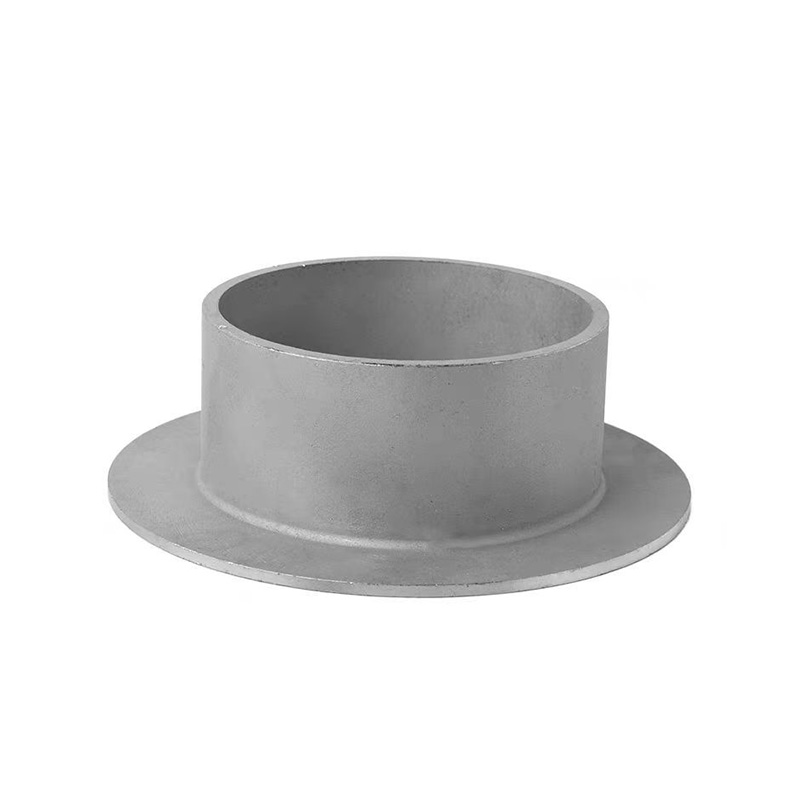
Welding ring is a pipe fitting used for pipeline connection. The following is its detailed ...