Manufacturing Process of Industrial Welding Flange Plates Explained
2026-04-20 11:21:22
Industrial welding flange plates are essential components in piping systems, structural support frameworks, and heavy-duty industrial installations. Their strength, precision, and durability depend heavily on a well-controlled manufacturing process. Understanding how these components are produced helps engineers, buyers, and project managers choose the right quality products for demanding applications.
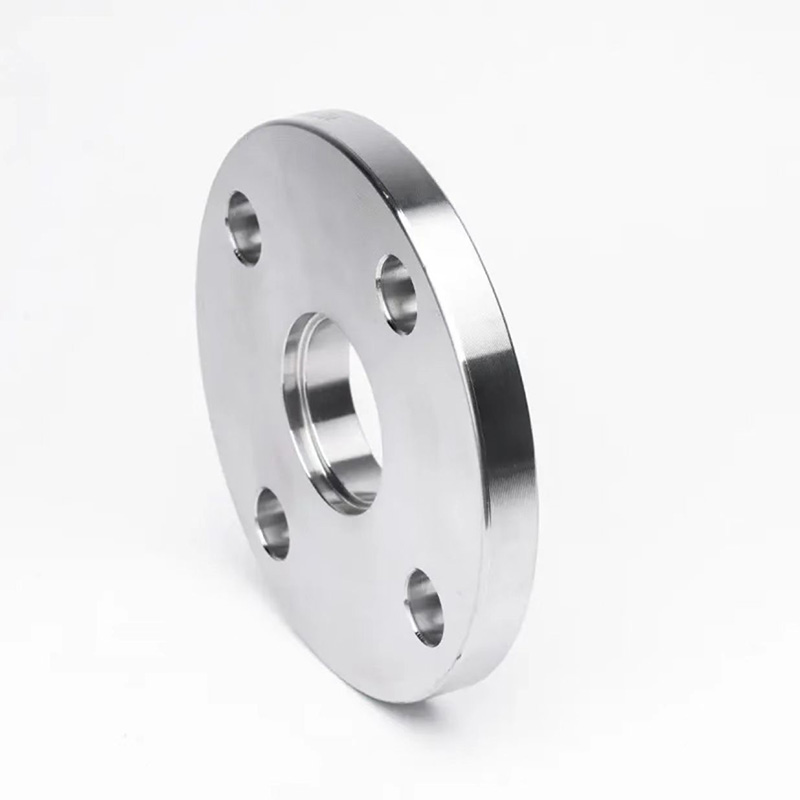
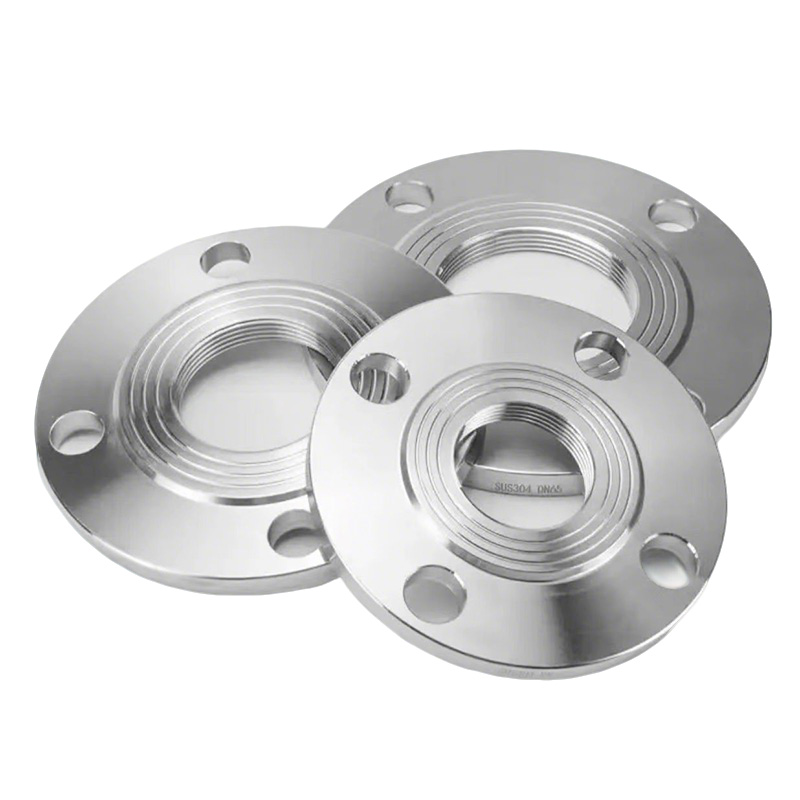
1. Material Selection: The Foundation of Quality
The manufacturing process begins with selecting the appropriate raw material. The most commonly used materials include:
·Carbon steel: widely used for general industrial applications
·Stainless steel: ideal for corrosive or high-moisture environments
·Galvanized steel: provides additional corrosion resistance for outdoor use
Material selection is based on load requirements, environmental conditions, and project specifications. High-quality raw materials ensure better weldability and longer service life.
2. Cutting and Forming the Steel Plate
Once the material is selected, steel plates are cut into required shapes using advanced processing methods such as:
CNC plasma cutting
Laser cutting
Flame cutting
These technologies ensure high precision in dimensions, which is critical for proper fitting during installation. After cutting, edges are smoothed to remove burrs and prevent welding defects.
3. Drilling and Hole Positioning
Industrial welding flange plates often require precise hole placement for bolts or alignment purposes. This step includes:
·CNC drilling for accurate hole spacing
·Maintaining strict tolerance control
·Ensuring symmetry and load balance
Accurate drilling is essential for compatibility with pipe support systems and structural connections.
4. Surface Treatment and Cleaning
Before welding or finishing, the surface must be properly treated:
·Removing rust, oil, and impurities
·Shot blasting or sandblasting for surface roughness improvement
·Cleaning to ensure strong welding adhesion
Proper surface preparation directly affects welding quality and corrosion resistance.
5. Welding and Assembly Process
Welding is one of the most critical stages in manufacturing flange plates. Depending on the design, different welding techniques may be used:
MIG (Metal Inert Gas) welding
TIG (Tungsten Inert Gas) welding
Arc welding
Key considerations include:
Maintaining uniform heat input
Ensuring full penetration welds
Avoiding deformation during welding
Skilled welders and controlled welding parameters are essential for achieving structural integrity.
6. Heat Treatment (If Required)
For high-strength applications, heat treatment may be applied to improve mechanical properties:
·Stress relieving to reduce internal stress
·Normalizing to enhance toughness
·Hardening for increased strength
This step ensures the flange plate can withstand heavy loads and harsh working conditions.
7. Surface Coating and Corrosion Protection
To extend service life, industrial welding flange plates often undergo protective finishing:
Hot-dip galvanizing
Epoxy coating
Anti-rust painting
These coatings protect the product from moisture, chemicals, and environmental corrosion, especially in outdoor or marine applications.
8. Quality Inspection and Testing
Before shipment, strict quality control is carried out, including:
Dimensional inspection
Weld seam inspection (visual or NDT testing)
Load and strength verification
Surface quality checks
Only products that meet international standards are approved for delivery.
9. Packaging and Delivery
The final step is safe packaging and logistics preparation:
Anti-rust wrapping materials
Wooden pallet or steel frame packaging
Labeling for traceability
Proper packaging ensures the product arrives in perfect condition, ready for installation.
Conclusion
The manufacturing process of industrial welding flange plates involves multiple precise and controlled stages, from material selection to final inspection. Each step plays a crucial role in ensuring the strength, durability, and performance of the final product.
High-quality manufacturing not only improves safety and reliability but also extends the lifespan of piping and structural systems in demanding industrial environments.
References
GB/T 7714:ASM Handbook, Volume 6: Welding, Brazing, and Soldering. ASM International.
MLA:Principles of Welding: Processes, Physics, Chemistry, and Metallurgy. Wiley-VCH.
APA:Heat Effects of Welding: Temperature Field, Residual Stress, and Deformation. Springer.
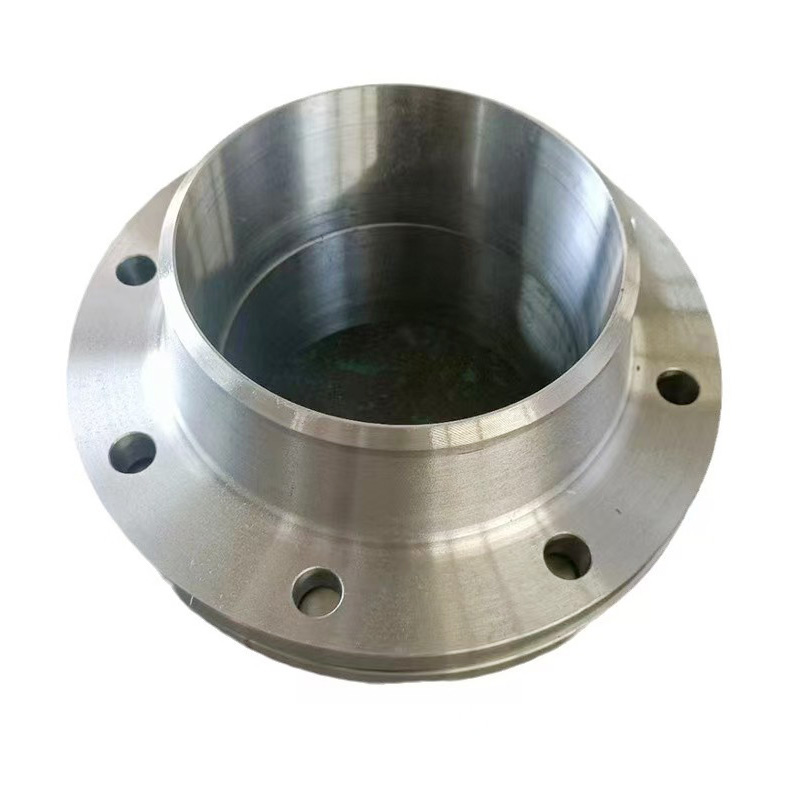
AWeld Neck Flange (WN Flange)is a type of piping flange designed to be welded to a pipe or ...
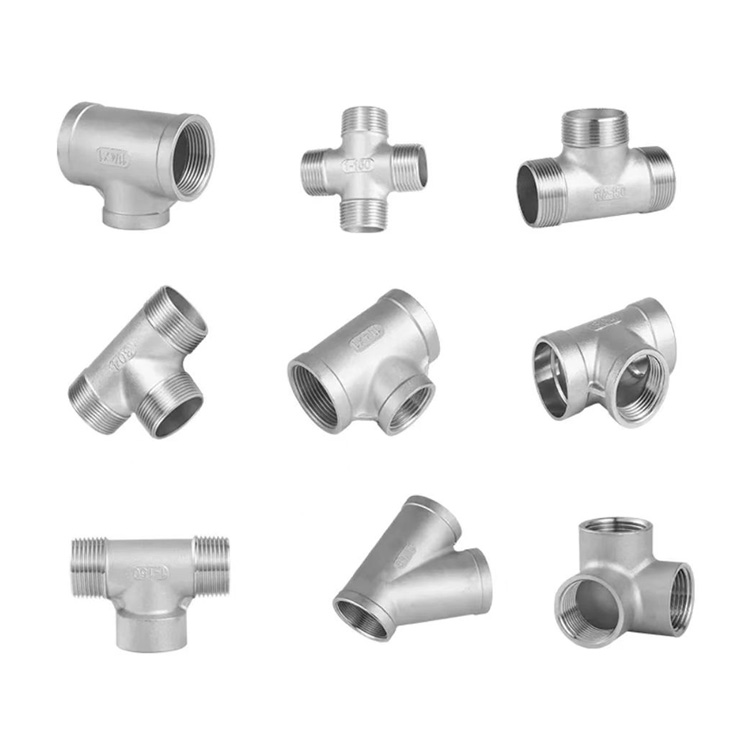
Socket fittings are essential components in piping systems, designed to connect, branch, or...
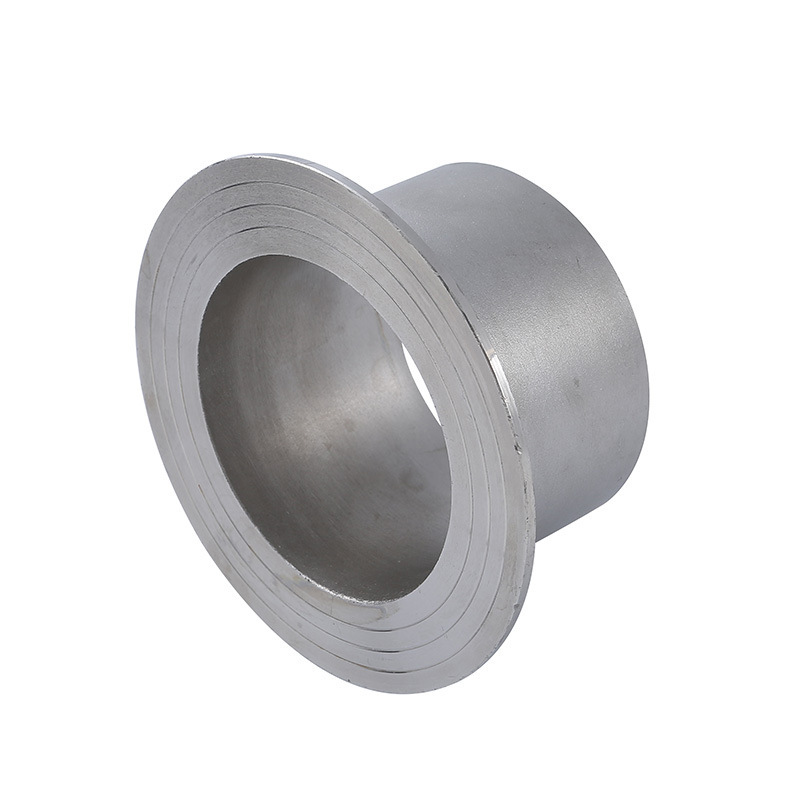
Welding ring is a commonly used metal ring component in pipeline connection or equipment do...
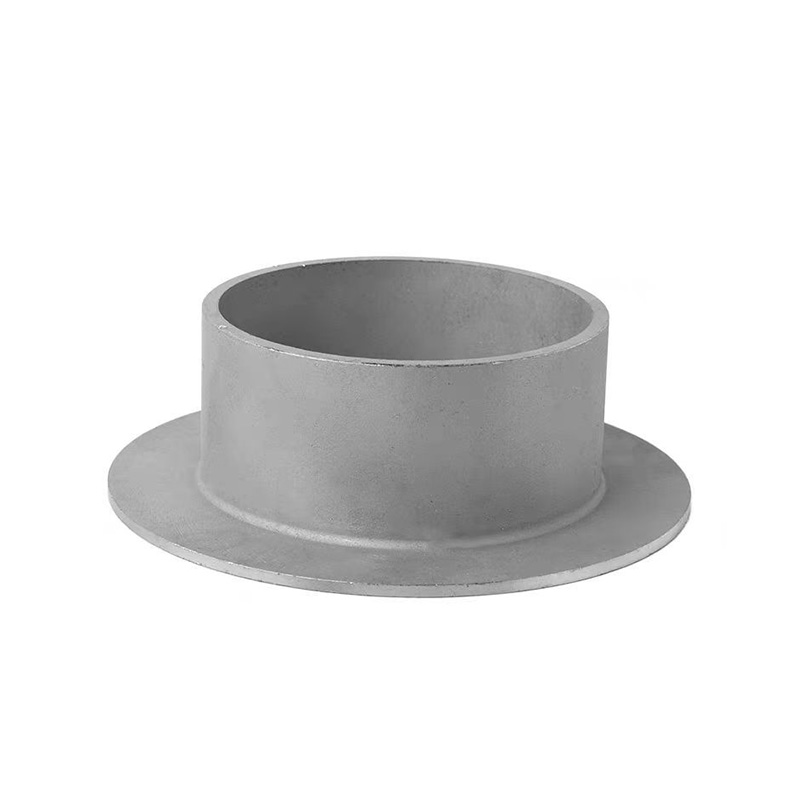
Welding ring is a pipe fitting used for pipeline connection. The following is its detailed ...