Best Practices for Installing Pipe Support Welding Flange Plates
2026-04-17 09:48:19
Pipe support welding flange plates play a critical role in modern piping systems. They provide stable load distribution, secure anchoring points, and long-term structural reliability for pipelines in industrial environments. Proper installation is essential to ensure safety, durability, and optimal performance. This article outlines the best practices for installing pipe support welding flange plates in various engineering applications.
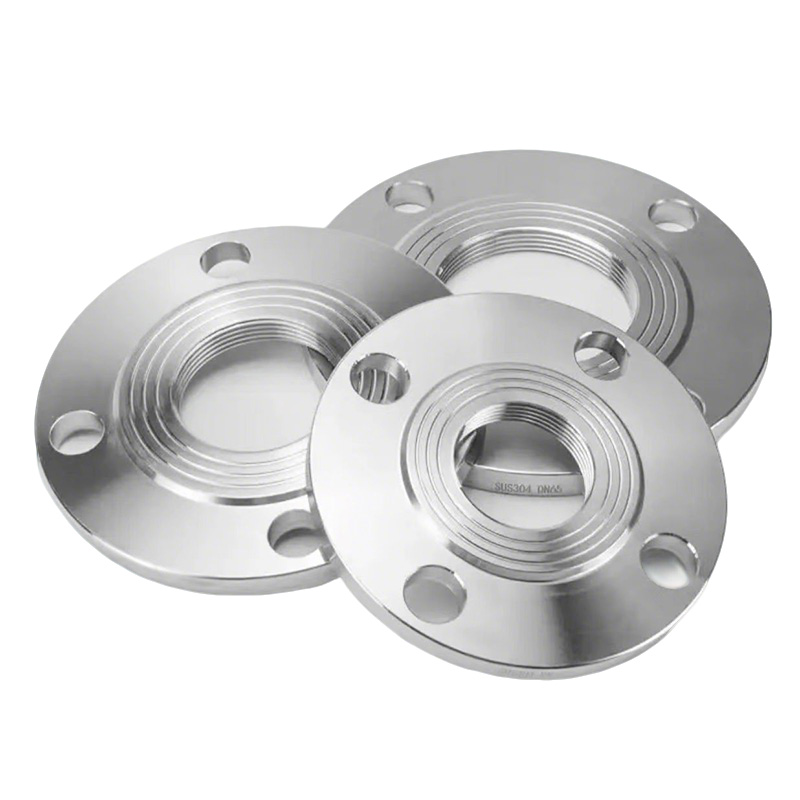
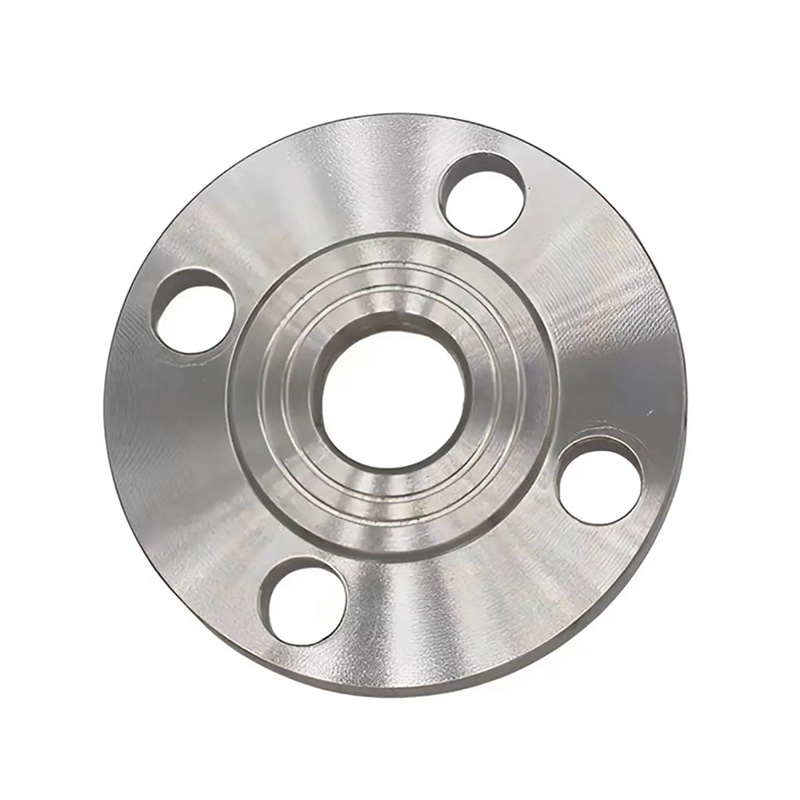
1. Understanding the Function of Welding Flange Plates
Before installation, it is important to understand the purpose of a pipe support welding flange plate. These components are welded directly to pipes or structural supports to create a fixed connection point. They help distribute mechanical loads, reduce vibration, and prevent stress concentration on piping systems.
In industries such as oil and gas, petrochemical, construction, and power generation, correct installation directly affects system stability and service life.
2. Selecting the Right Material and Specification
One of the most important installation practices begins before welding: choosing the correct material.
Carbon steel is commonly used for general industrial applications
Stainless steel is preferred in corrosive environments
Galvanized or coated plates are suitable for outdoor or humid conditions
Make sure the flange plate thickness, hole design, and load rating match the pipe support requirements. Improper selection may lead to deformation or welding failure over time.
3. Surface Preparation Before Welding
Proper surface preparation ensures strong weld integrity.
Remove rust, oil, paint, and dirt from both pipe and flange plate surfaces
Use grinding or sandblasting for better weld bonding
Ensure the welding area is dry and clean
Good surface preparation significantly reduces the risk of weak welds or structural failure.
4. Correct Positioning and Alignment
Accurate positioning is essential for load balance and system stability.
Ensure the flange plate is aligned perpendicular or parallel based on design requirements
Use measuring tools to maintain correct positioning
Temporarily clamp the plate before final welding
Misalignment can cause uneven load distribution and premature wear of the pipe system.
5. Proper Welding Techniques
The welding process is the core of installation quality.
Choose appropriate welding methods (such as MIG, TIG, or arc welding) based on material type
Use multi-pass welding for thicker plates
Maintain consistent heat input to avoid deformation
Ensure full penetration welds for maximum strength
Qualified welders and certified procedures are strongly recommended for industrial applications.
6. Post-Welding Inspection and Treatment
After welding, inspection ensures structural reliability.
Perform visual inspection for cracks, porosity, or incomplete welds
Conduct non-destructive testing (NDT) if required
Apply anti-corrosion coating or galvanization touch-up if necessary
Allow proper cooling to avoid stress concentration
Regular inspection improves long-term safety and reduces maintenance costs.
7. Safety Considerations During Installation
Safety is a key part of best practices.
Wear protective welding gear
Ensure proper ventilation in confined spaces
Follow industrial welding safety standards
Keep flammable materials away from the welding area
A safe working environment improves both efficiency and quality.
Conclusion
Installing pipe support welding flange plates requires careful attention to material selection, alignment, welding quality, and inspection. By following these best practices, engineers and contractors can ensure stronger pipe support systems, improved durability, and reduced maintenance risks.
High-quality installation not only enhances structural stability but also extends the service life of the entire piping system.
References
GB/T 7714:An Introduction to the Design and Behavior of Bolted Joints. CRC Press.
MLA:Stress Analysis of Piping Support Systems under Thermal and Mechanical Loads.” Journal of Pressure Vessel Technology
APA:Process Piping Code. American Society of Mechanical Engineers.
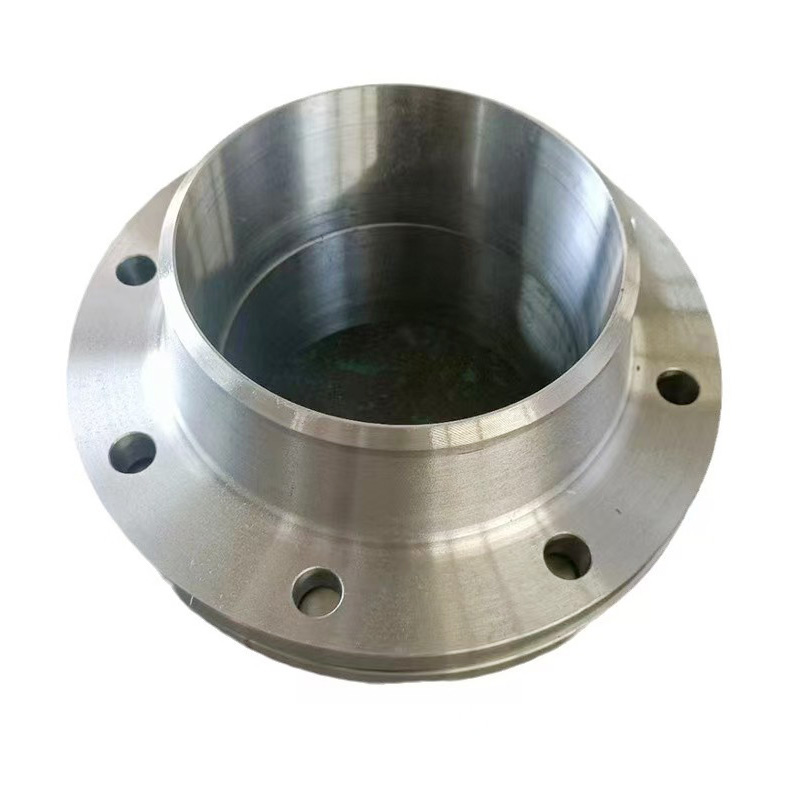
AWeld Neck Flange (WN Flange)is a type of piping flange designed to be welded to a pipe or ...
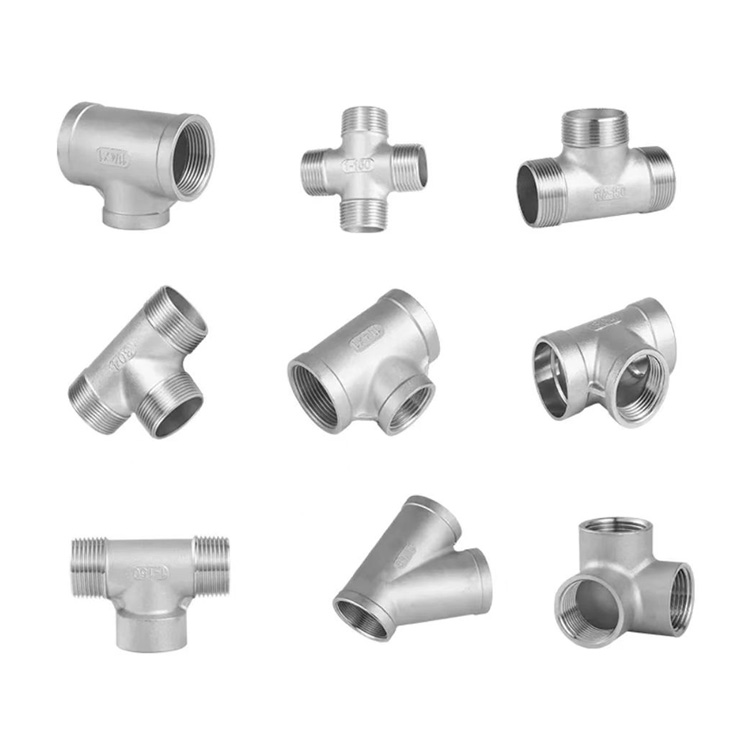
Socket fittings are essential components in piping systems, designed to connect, branch, or...
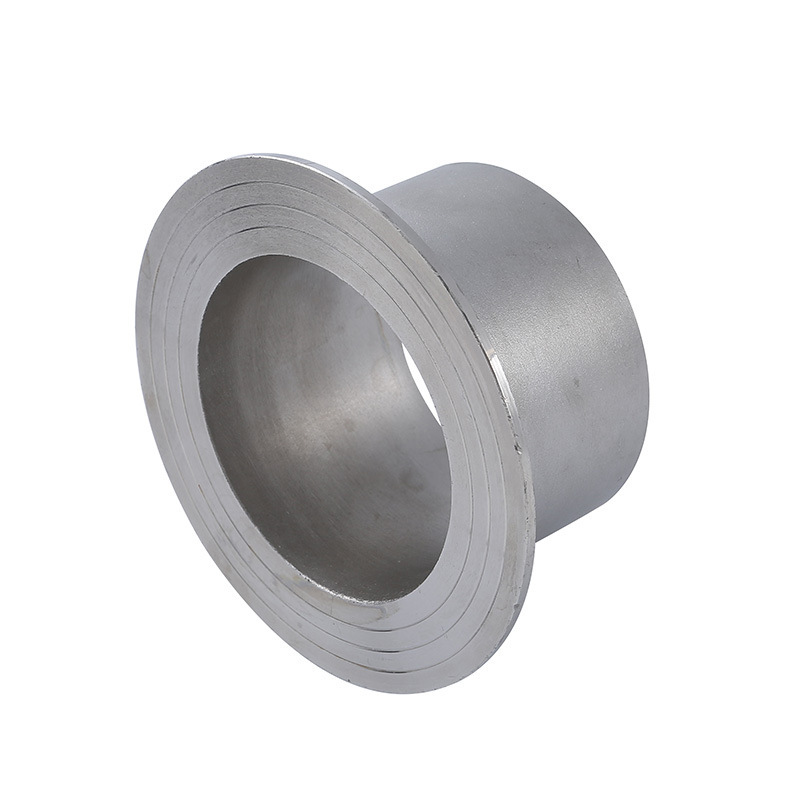
Welding ring is a commonly used metal ring component in pipeline connection or equipment do...
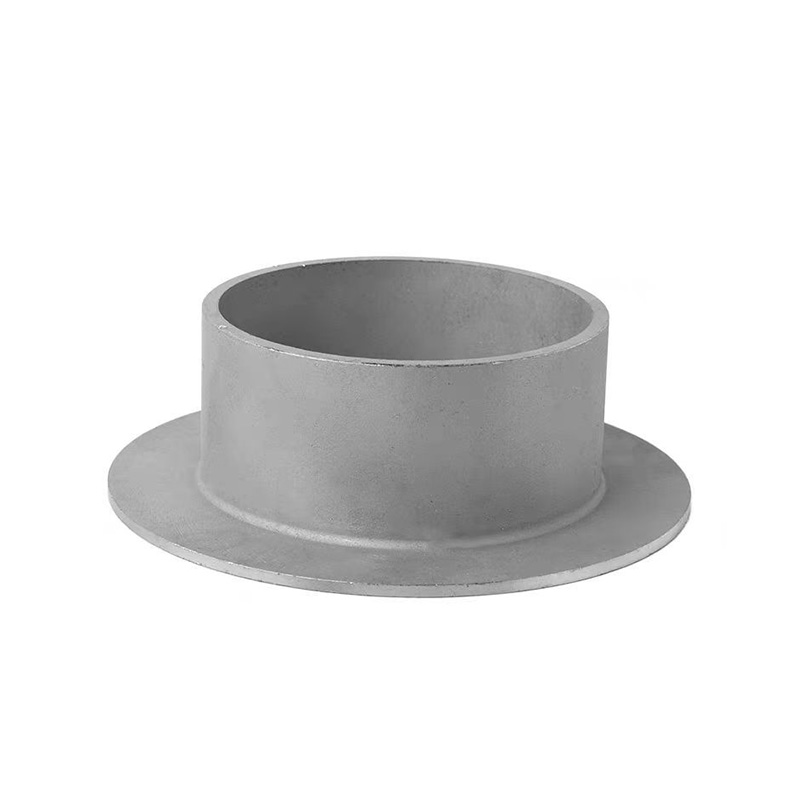
Welding ring is a pipe fitting used for pipeline connection. The following is its detailed ...