Procurement and Quality Checklist for Pipe Fitting Purchases
2026-09-08 17:41:18
Every procurement professional who has received a shipment of pipe fittings that does not match the specification knows the pain: wrong material grade, missing documentation, dimensional mismatches, or worse — a fitting that looks fine but fails under pressure. The cost of rejecting non-conforming fittings at site is always higher than catching problems before shipment.
This checklist provides a structured approach to qualifying pipe fitting suppliers and verifying that every shipment meets the requirements of your project. Use it during supplier qualification, at incoming inspection, and as a reference when negotiating purchase terms.
Pre-Order: Supplier Qualification
Before placing an order, verify that your supplier has the capability and quality systems to produce fittings that meet your specification.
Company background and experience
How long has the company been manufacturing pipe fittings?
What is their annual production capacity in tons?
Do they have experience supplying fittings to your industry (oil and gas, chemical, power, marine)?
Can they provide references from similar projects?
Certifications and approvals
ISO 9001:2015 quality management system certificate (verify validity with the issuing body)
ASME U-stamp or S-stamp if manufacturing pressure components
PED 2014/68/EU approval for European projects
Type approval certificates from relevant classification societies (DNV, ABS, Lloyd's Register, BV) for marine applications
Production capabilities
What manufacturing processes do they use? (forging, pushing, forming, fabrication)
Do they have heat treatment furnaces in-house, or is heat treatment outsourced?
What NDT capabilities do they have in-house? (UT, MT, PT, RT)
What size range can they produce? (minimum and maximum NPS)
What material grades can they supply?
Testing capabilities
Do they have hardness testing equipment?
Can they perform hydrostatic pressure tests?
Do they have their own laboratory for chemical analysis and mechanical testing?
Can they provide third-party inspection support if required?
Purchase Order Specifications
Every purchase order for pipe fittings should include the following clearly stated items:
Product identification
Detailed description of each fitting type (elbow, tee, reducer, etc.)
Nominal pipe size (NPS) and schedule for each end
Connection type (butt weld, socket weld, threaded)
Quantity required for each item
Material requirements
Material specification (ASTM, EN, JIS, or GB designation)
Material grade (e.g., ASTM A234 WPB, ASTM A182 F316)
Any special requirements (sour service, low temperature, high temperature)
Manufacturing and quality requirements
Governing dimensional standard (ASME B16.9, EN 10253-2, JIS B2311, etc.)
Pressure test requirements (hydrostatic test pressure and duration)
NDT requirements if any (ultrasonic, radiographic, magnetic particle, liquid penetrant)
Heat treatment requirements and any post-weld heat treatment requirements
Documentation package
Required documentation package (see full list below)
Inspection and test plan (ITP) to be submitted for approval before production
Right of inspection — buyer's right to inspect at factory before shipment
Third-party inspection agency appointment if applicable
Documentation Package: What to Require
A complete documentation package from a pipe fitting supplier should include:
Material certificates
Mill test certificates for starting material (pipe, plate, or bar)
Heat chemistry report — actual chemical composition of the heat from which the fittings were made
Mechanical property report — tensile strength, yield strength, elongation, reduction of area, and hardness
Heat treatment records — furnace temperature charts showing time-temperature cycle for each heat treatment batch
NDT reports if required by the specification
Product documentation
Pressure test reports — hydrostatic test pressure, duration, and result (pass/fail)
Dimensional inspection report — check key dimensions against the governing standard
Surface finish documentation — confirming the specified finish has been applied
Certificate of conformity — supplier's declaration that the fittings meet all requirements of the purchase order
Incoming Inspection Checklist
When fittings arrive at site, conduct the following checks before accepting them into your inventory:
Documentation verification
Heat numbers on fittings match the material test certificates
Material grade on certificates matches the purchase order
All required test reports are present and complete
Certificates are signed by an authorized person, not just stamped
Visual inspection
No visible cracks, seams, laps, or surface defects on the exterior
Weld seams are properly ground flush (for welded fittings)
Inside surface is clean and free of weld spatter, excessive reinforcement, or debris
Bevel preparation matches the standard requirements
Markings on each fitting correspond to the material and standard
Dimensional verification
Verify NPS size and schedule against the purchase order
Check center-to-end dimensions for at least one fitting from each size/radius combination
Confirm bevel angle and root face dimensions
Verify flange face dimensions and facing type for flanged fittings
Hardness testing
Perform spot hardness checks using a calibrated hardness tester
Values should fall within the range specified by the material standard
Log results and retain records as part of the quality file
Common Non-Conformances to Watch For
In practice, certain non-conformances appear more frequently than others:
Wrong material grade — The most serious non-conformance. Chemical composition or mechanical properties do not match the specified grade. Reject and return immediately.
Missing or incomplete heat treatment — Fitings show hardness values outside the specified range, indicating improper or omitted heat treatment. Reject the batch and request re-heat treatment with documented verification.
Incorrect dimensions — Center-to-end dimensions outside tolerance, bevel angles incorrect, or flange facings not to specification. May require return for re-machining or replacement.
Insufficient documentation — Material certificates present but missing required test results, unsigned certificates, or heat numbers that do not match the fittings. Do not accept fittings without complete documentation.
Surface defects — Seams, laps, or cracks visible on the fitting surface. Surface defects can act as crack initiation sites under pressure or thermal cycling.
Damaged bevels — Bevel preparation is critical for achieving sound butt-weld joints. Damaged or incorrect bevels must be repaired before installation.
Third-Party Inspection: When to Use It
For critical projects — offshore platforms, LNG facilities, nuclear power plants, and large-scale refinery turnarounds — relying solely on the supplier's own quality system is not enough. Third-party inspection agencies provide independent verification.
The major inspection agencies serving the pipe fittings market include SGS, Bureau Veritas (BV), DNV-GL, Lloyd's Register, Intertek, and TUV. Appoint one of these agencies to witness testing, verify documentation, and conduct independent checks on your behalf.
Third-party inspection is an additional cost, but it is a fraction of the cost of a single fitting failure in a critical application. For projects where downtime costs are measured in millions per day, the investment is always justified.
Building a Long-Term Supplier Relationship
The best procurement outcomes come from long-term relationships with qualified suppliers. A supplier who understands your project requirements, industry standards, and documentation needs becomes a valuable partner rather than just a vendor.
Key practices for building those relationships:
Provide clear, complete specifications from the start — ambiguity leads to disputes
Share your project's quality requirements and inspection criteria early in discussions
Conduct periodic supplier audits to verify ongoing compliance
Provide feedback — both positive and corrective — when fittings arrive
Consider blanket orders for recurring items to ensure priority production allocation
Conclusion
Effective pipe fitting procurement is not just about finding the lowest price. It is about specifying correctly, qualifying suppliers rigorously, verifying documentation thoroughly, and inspecting intelligently at incoming. The steps in this checklist take time to work through, but they prevent the far more costly problems of non-conforming fittings arriving at your project site.
A quality supplier welcomes scrutiny. They understand that your project has stringent requirements, and they have the systems, documentation, and expertise to meet them. If a supplier resists providing documentation, refuses inspection access, or cannot answer basic questions about their heat treatment process — that is information you need before you place the order.
References
References:
ISO 9001:2015, Quality Management Systems — Requirements, International Organization for Standardization
ASME B16.9-2018, Factory-Made Wrought Buttwelding Fittings, The American Society of Mechanical Engineers
ASME B31.3-2022, Process Piping, The American Society of Mechanical Engineers
API 620, Design and Construction of Large, Welded, Low-Pressure Storage Tanks, American Petroleum Institute
ISO 10474 / EN 10204, Steel and Steel Products — Inspection Documents, International Organization for Standardization
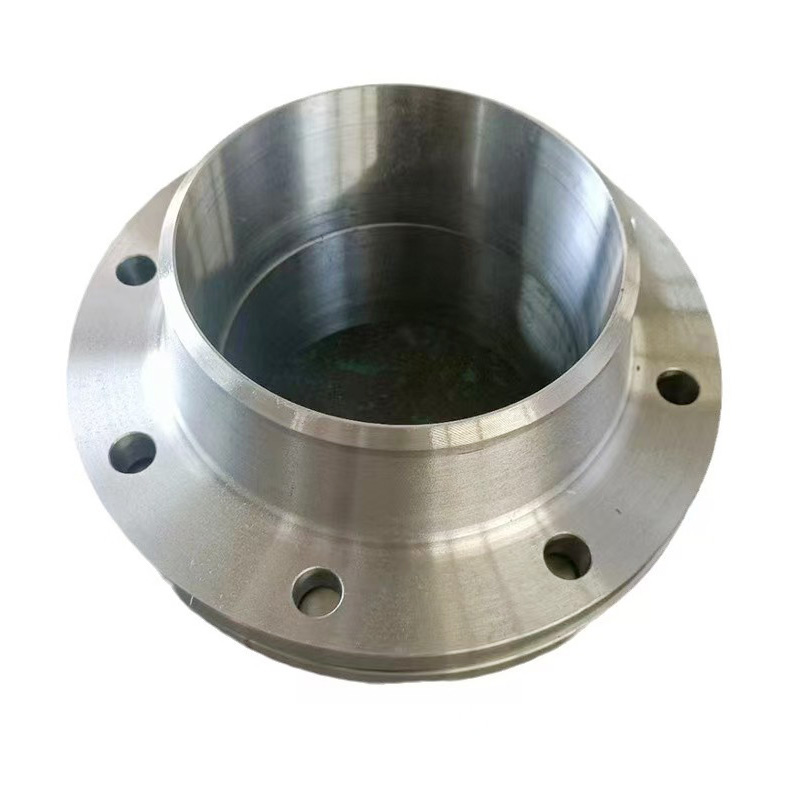
AWeld Neck Flange (WN Flange)is a type of piping flange designed to be welded to a pipe or ...
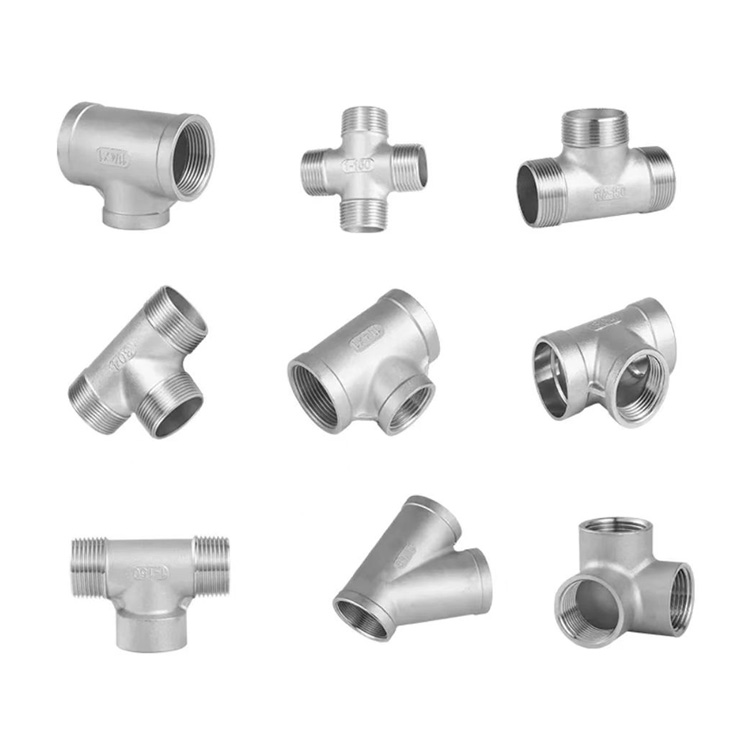
Socket fittings are essential components in piping systems, designed to connect, branch, or...
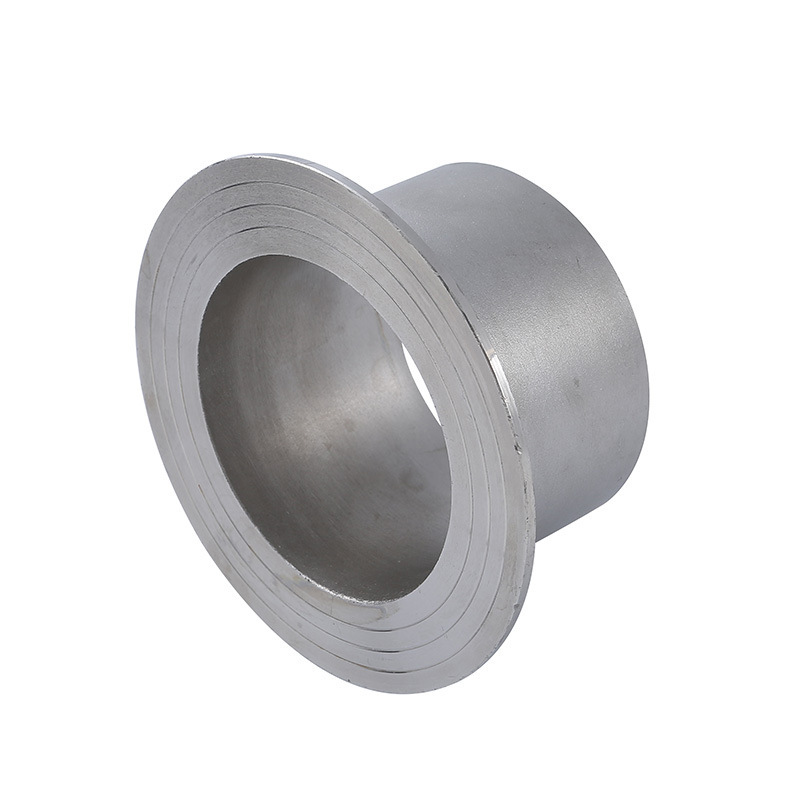
Welding ring is a commonly used metal ring component in pipeline connection or equipment do...
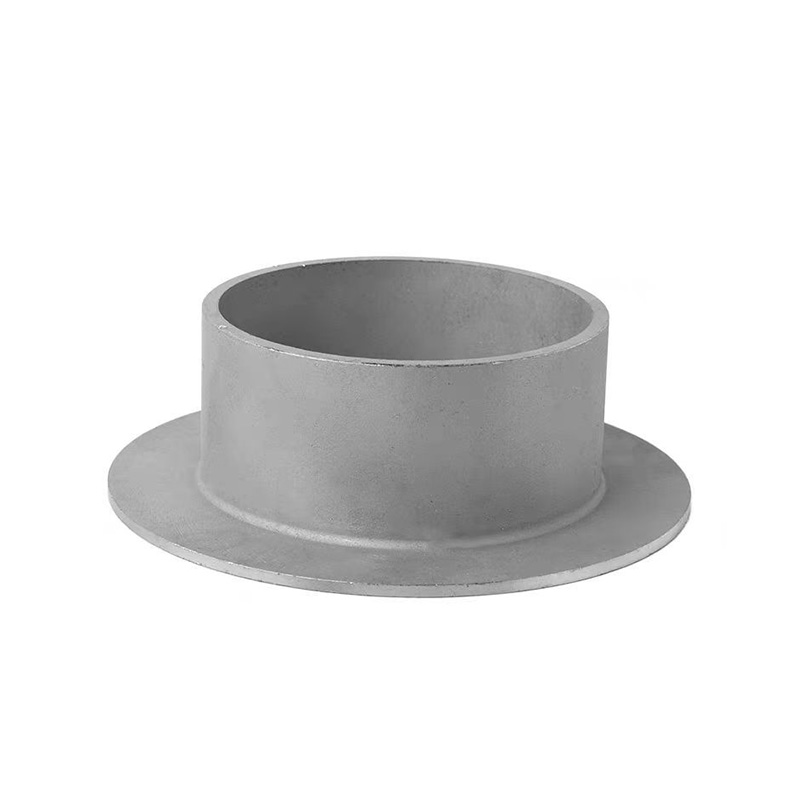
Welding ring is a pipe fitting used for pipeline connection. The following is its detailed ...