Quality Assurance and Inspection Process for 304 20592PL Flanges in China
2025-12-22 15:19:07
Why Quality Assurance Matters for Plate Welding Flange Production
Quality assurance is a defining factor in the performance and reliability of a plate welding flange, especially when dealing with standardized components such as 304 20592PL flanges. These flanges are widely used in piping systems that demand structural integrity, corrosion resistance, and dimensional accuracy.
In China’s industrial manufacturing environment, strict inspection and quality control processes are essential to ensure each plate welding flange meets technical specifications and international standards. For manufacturers engaged in large-scale production and bulk supply, quality assurance is not only a compliance requirement but also a foundation for long-term operational reliability.
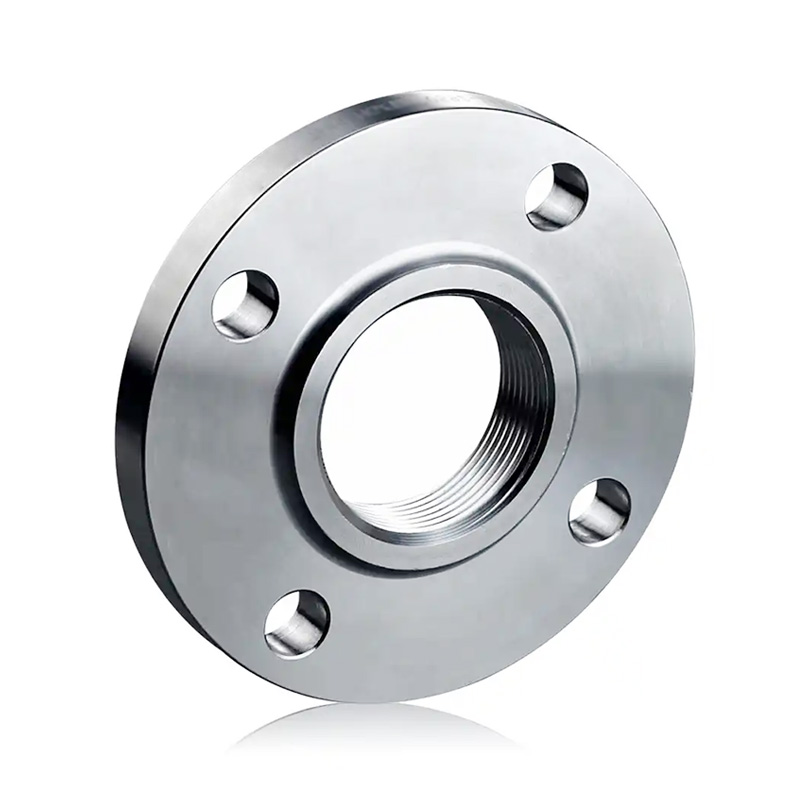
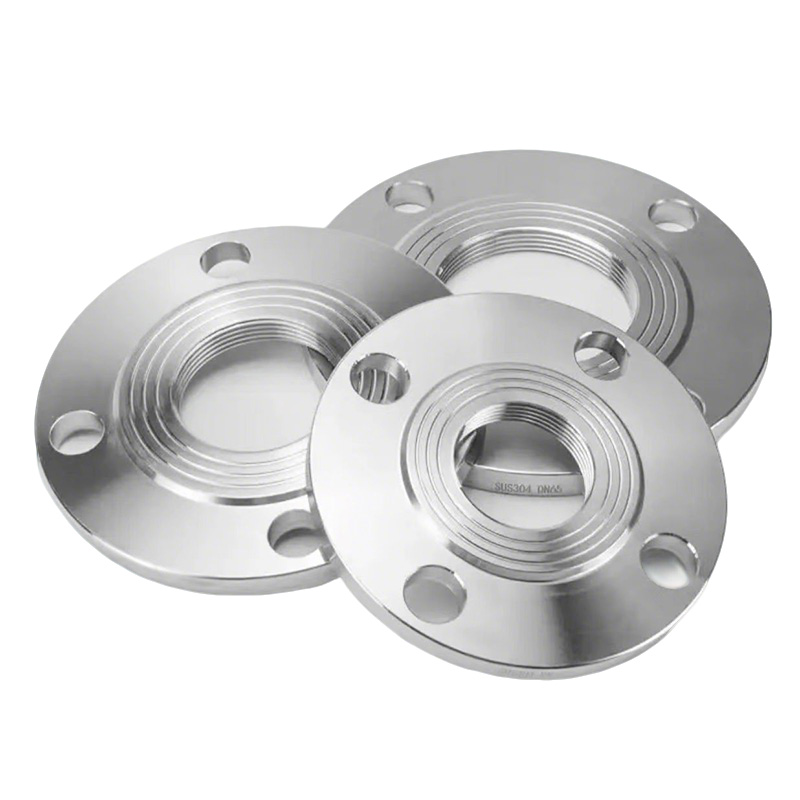
Understanding 304 20592PL Flange Specifications
The designation “304 20592PL” typically refers to stainless steel flanges manufactured from AISI 304 material and produced according to standardized dimensional and tolerance requirements. These flanges are commonly applied in low- to medium-pressure piping systems where corrosion resistance and weldability are critical.
As a type of plate welding flange, the component is designed for direct welding to pipes, requiring precise machining and surface preparation to ensure proper alignment and leak-free connections.
Raw Material Inspection and Traceability
Quality control begins with raw material verification. Stainless steel plates used for plate welding flange production must meet defined chemical composition and mechanical property requirements.
Typical inspection steps include:
·Chemical composition analysis using spectrometers
·Verification of mechanical properties such as tensile strength and elongation
·Material certification review and heat number traceability
Maintaining full traceability throughout production ensures that every 304 20592PL flange can be linked back to its original material batch.
Cutting and Forming Quality Control
Once raw materials are approved, plates are cut and shaped according to engineering drawings. During this stage, quality checks focus on dimensional accuracy and surface integrity.
Inspection points often include:
·Plate thickness verification
·Flatness and roundness measurements
·Visual inspection for surface defects or lamination
Accurate cutting and forming reduce downstream machining deviations and help maintain consistent flange geometry.
Welding Process Inspection
Welding is a critical step in plate welding flange manufacturing. The welding quality directly affects structural strength and long-term performance.
Quality assurance measures during welding include:
·Verification of welding procedures and parameters
·Qualification of welding operators
·Visual inspection of weld seams
·Non-destructive testing such as dye penetrant or ultrasonic inspection
Proper welding control minimizes the risk of cracks, porosity, or incomplete fusion.
Machining and Dimensional Inspection
After welding and forming, flanges undergo machining to achieve precise dimensions, bolt hole alignment, and sealing surface flatness.
Dimensional inspection typically covers:
·Outer and inner diameter measurements
·Bolt hole position and spacing
·Facing finish and flatness tolerances
Precision machining ensures that the plate welding flange fits seamlessly into piping assemblies without installation issues.
Pressure and Mechanical Testing
For applications involving pressure systems, additional testing may be required to validate structural integrity. While not all flanges undergo pressure testing individually, manufacturers often perform batch testing as part of their quality assurance program.
Testing methods may include:
·Hydrostatic pressure testing
·Mechanical strength verification
·Load-bearing simulations
These tests confirm that the flanges perform reliably under specified operating conditions.
Surface Treatment and Final Inspection
Before shipment, plate welding flanges may receive surface treatments such as pickling, passivation, or protective coatings. Final inspection ensures the product meets both technical and visual standards.
Final checks usually include:
·Surface cleanliness and corrosion resistance
·Marking verification (material grade, size, standard)
·Packaging inspection to prevent transport damage
Only flanges that pass all inspection stages are approved for delivery.
Quality Management Systems in Manufacturing
Professional manufacturers implement structured quality management systems to ensure consistency across large production volumes. These systems standardize inspection procedures, documentation, and corrective actions.
In high-capacity production environments, systematic quality control supports reliable bulk supply while maintaining compliance with international requirements for plate welding flange products.
Documentation and Compliance
Each production batch is typically accompanied by quality documentation, including material certificates, inspection records, and dimensional reports. These documents provide transparency and support customer audits.
Comprehensive documentation reinforces confidence in the manufacturer’s production capability and quality assurance discipline.
Conclusion: Ensuring Reliable Plate Welding Flange Supply Through Quality Control
The quality assurance and inspection process for 304 20592PL flanges in China involves multiple control stages, from raw material verification to final inspection. Each step contributes to the performance, safety, and reliability of the finished plate welding flange.
By combining controlled manufacturing processes with systematic inspection, experienced manufacturers can support stable production and consistent bulk supply. For buyers seeking dependable plate welding flange solutions, understanding these quality assurance practices provides valuable insight into long-term product reliability and performance.
References
GB/T 7714:Dillon C P. Corrosion resistance of stainless steels[M]. CRC Press, 1995.
MLA:Dillon, C. P. Corrosion resistance of stainless steels. CRC Press, 1995.
APA:Dillon, C. P. (1995). Corrosion resistance of stainless steels. CRC Press.
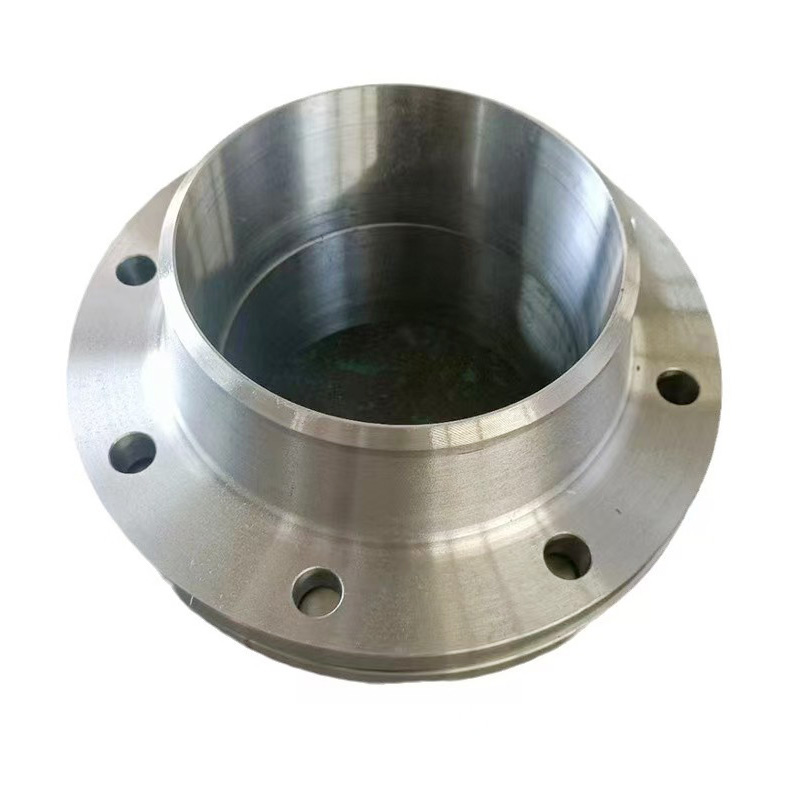
AWeld Neck Flange (WN Flange)is a type of piping flange designed to be welded to a pipe or ...
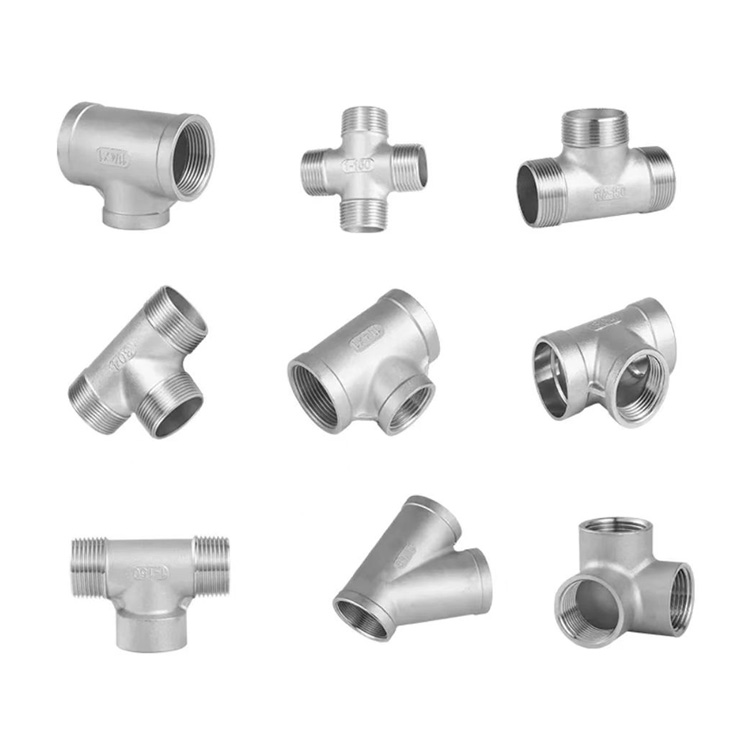
Socket fittings are essential components in piping systems, designed to connect, branch, or...
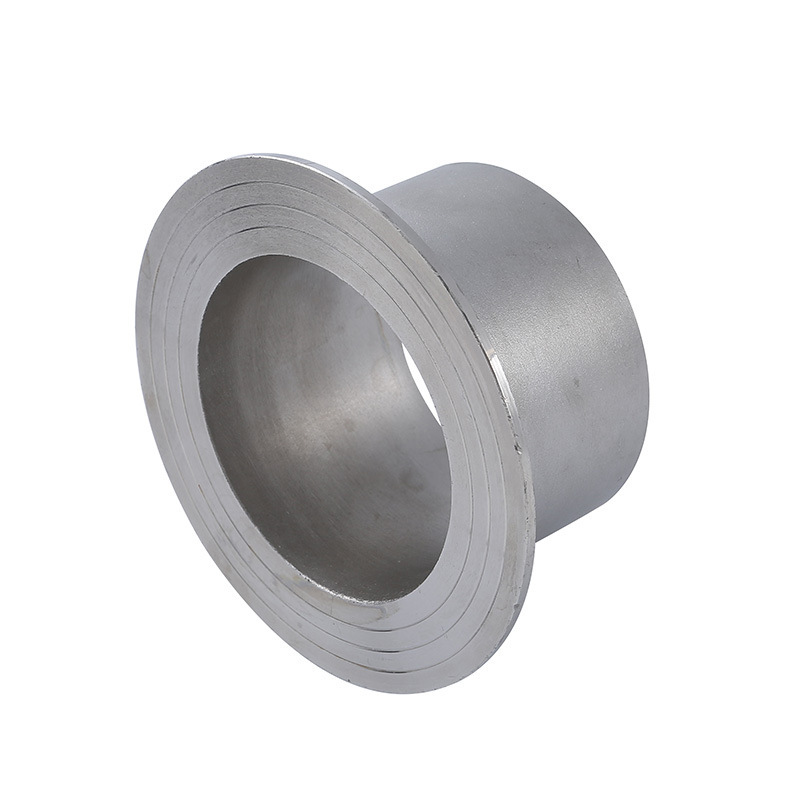
Welding ring is a commonly used metal ring component in pipeline connection or equipment do...
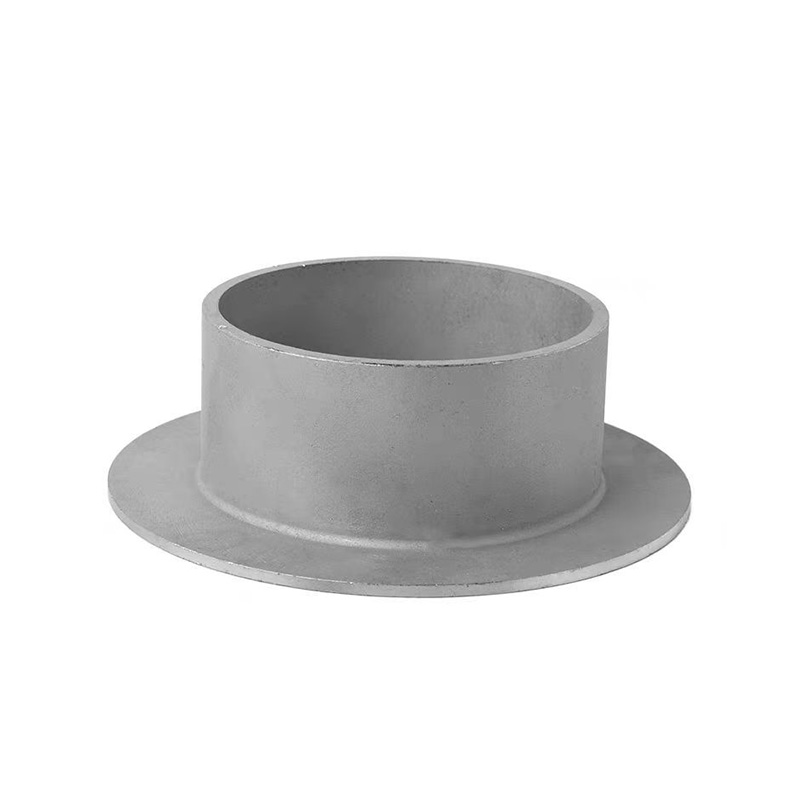
Welding ring is a pipe fitting used for pipeline connection. The following is its detailed ...