Improving Corrosion Resistance Through Surface Finishing on 304 PN6 Flanges
2025-12-15 14:23:47
Why Surface Finishing Matters for Plate Welding Flange
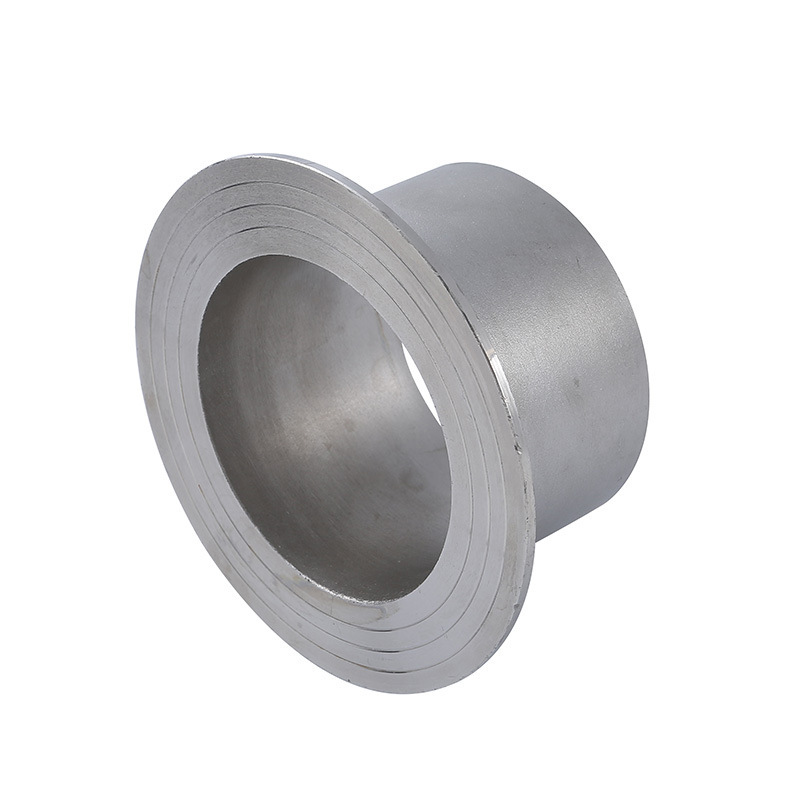
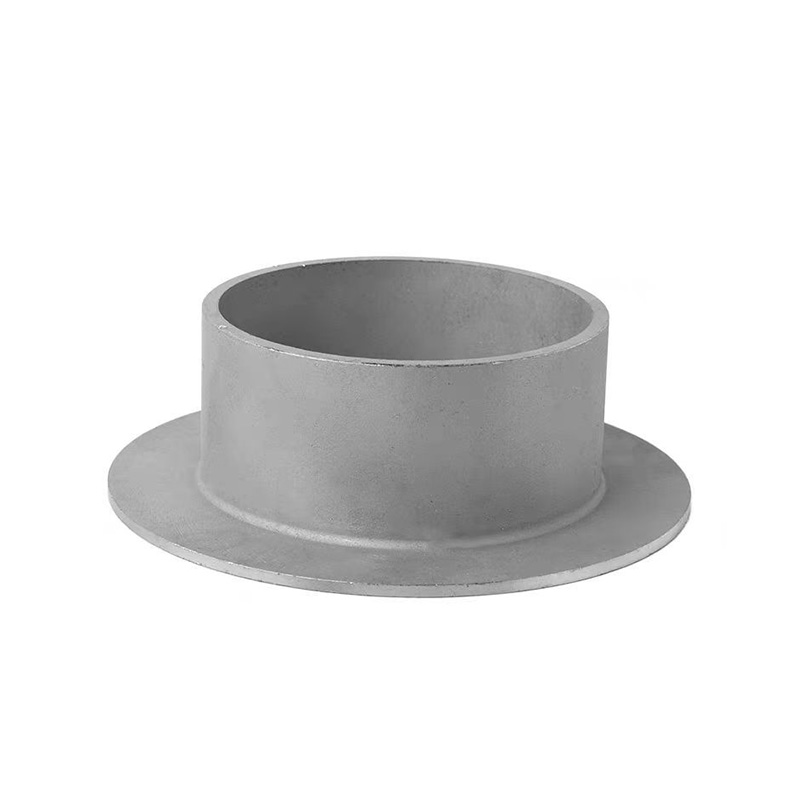
A Plate Welding Flange is widely used in industrial piping systems where structural strength and long-term sealing reliability are required. However, even when high-quality materials such as 304 stainless steel are selected, surface condition plays a critical role in determining corrosion resistance and service life.
For 304 PN6 flanges, surface finishing is more than a cosmetic process—it directly influences resistance to oxidation, pitting, and environmental degradation. Understanding how different finishing methods enhance corrosion resistance helps engineers and procurement teams select flange solutions that perform consistently in demanding operating environments.
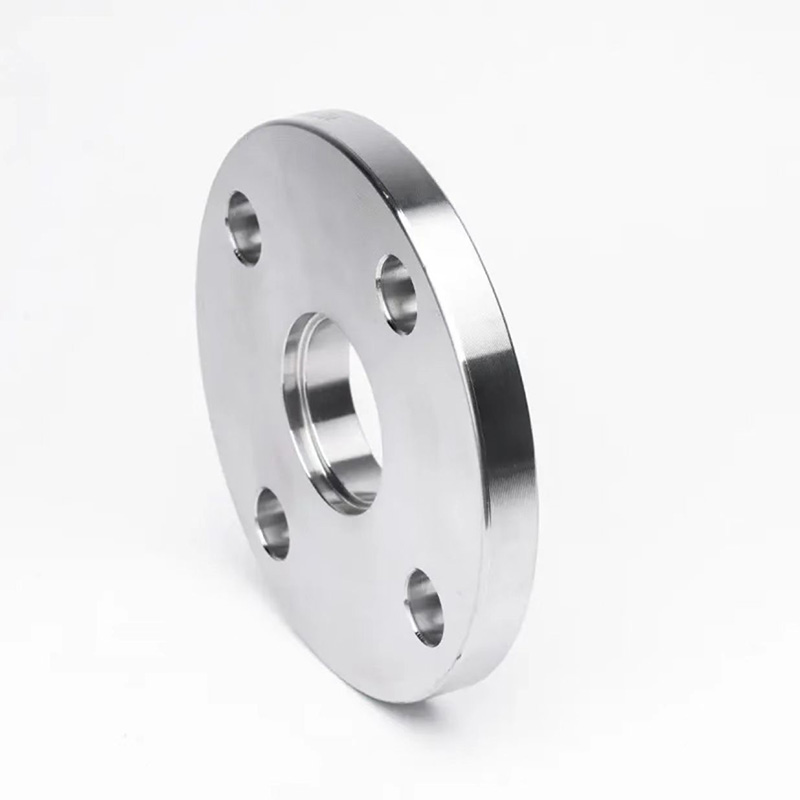
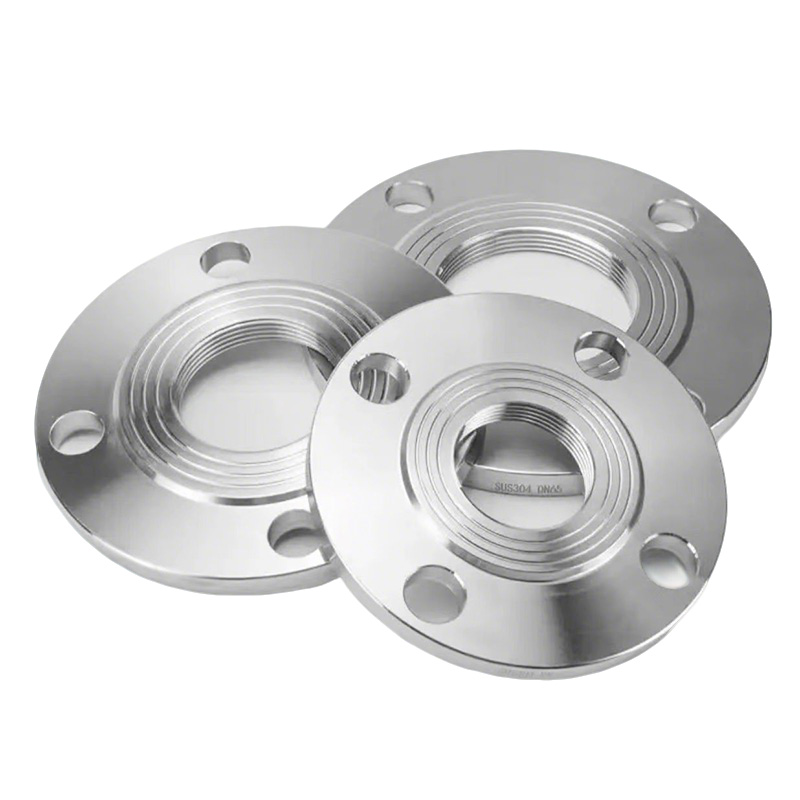
1. Understanding 304 PN6 Flanges
304 PN6 flanges are typically manufactured from austenitic stainless steel designed for low to moderate pressure systems.
Key Material Characteristics
·Chromium-nickel alloy composition
·Good general corrosion resistance
·Stable mechanical properties
·Compatibility with welded pipeline joints
When applied as a Plate Welding Flange, 304 material provides a solid base for corrosion-resistant performance, provided the surface condition is properly controlled.
2. Corrosion Mechanisms in Stainless Steel Flanges
Stainless steel relies on a passive oxide layer for corrosion protection.
Common Corrosion Risks
·Surface contamination from fabrication
·Crevice corrosion at flange faces
·Pitting in aggressive environments
·Weld-related heat-affected zones
Poor surface finishing can disrupt the passive layer, increasing susceptibility to localized corrosion even in corrosion-resistant alloys like 304.
3. Role of Surface Finishing in Corrosion Resistance
Surface finishing improves corrosion resistance by stabilizing the stainless steel surface.
How Finishing Enhances Performance
·Removes surface defects and contaminants
·Promotes uniform passive film formation
·Reduces crevices where corrosive media can accumulate
For Plate Welding Flange applications, a properly finished surface supports both corrosion resistance and sealing integrity.
4. Common Surface Finishing Methods for 304 PN6 Flanges
Several finishing techniques are commonly applied during production.
Mechanical Finishing
·Grinding and polishing
·Improves smoothness and dimensional accuracy
·Reduces surface roughness affecting gasket contact
Chemical Pickling
·Removes oxide scale and welding residues
·Restores chromium-rich surface layer
Passivation
·Enhances formation of protective oxide film
·Improves resistance to atmospheric and mild chemical exposure
These methods are often combined to achieve optimal corrosion resistance.
5. Impact on Sealing and Gasket Performance
Surface finishing also affects flange sealing behavior.
Sealing-Related Benefits
·More uniform gasket compression
·Reduced micro-leakage risk
·Improved long-term joint stability
In PN6 pressure systems, consistent flange face quality helps maintain sealing performance throughout repeated thermal and pressure cycles.
6. Welding Zones and Post-Weld Surface Treatment
Welded areas are particularly vulnerable to corrosion.
Post-Weld Considerations
·Removal of heat tint and weld scale
·Smoothing of weld transitions
·Restoration of passive surface layer
Effective post-weld finishing ensures that the Plate Welding Flange performs uniformly across both base material and welded sections.
7. Production Consistency and Quality Control
Surface finishing effectiveness depends on controlled production processes.
Production-Level Factors
·Standardized finishing parameters
·Inspection of surface roughness
·Visual and chemical cleanliness checks
In manufacturer-managed production environments, consistent finishing practices help ensure uniform corrosion resistance across bulk supply orders.
8. Benefits for Industrial Applications
Enhanced corrosion resistance translates into tangible operational advantages.
Application-Level Benefits
·Longer service life
·Reduced maintenance frequency
·Improved system reliability
·Lower total lifecycle cost
Industries such as water treatment, chemical processing, and HVAC systems benefit significantly from well-finished 304 PN6 Plate Welding Flange components.
9. Considerations for Bulk Supply and Long-Term Use
Large projects often require repeatable quality across multiple batches.
Why Surface Finishing Matters in Bulk Orders
·Ensures consistent appearance and performance
·Reduces variability between production lots
·Simplifies installation and inspection
Controlled finishing processes support reliable bulk production and long-term supply planning.
Conclusion: Strengthening Plate Welding Flange Performance Through Surface Finishing
A Plate Welding Flange made from 304 PN6 stainless steel offers strong baseline corrosion resistance, but surface finishing is essential to unlocking its full performance potential. By refining surface smoothness, restoring passive layers, and treating weld zones effectively, finishing processes significantly enhance durability and sealing reliability.
For projects supported by structured production systems and bulk supply planning, investing in proper surface finishing leads to longer-lasting pipeline connections, reduced maintenance, and greater operational confidence. As industrial requirements continue to evolve, surface finishing remains a critical factor in maximizing the value of 304 PN6 Plate Welding Flange solutions.
References
GB/T 7714:Olsson C O A, Landolt D. Passive films on stainless steels—chemistry, structure and growth[J]. Electrochimica acta, 2003, 48(9): 1093-1104.
MLA:Olsson, C-OA, and Dieter Landolt. "Passive films on stainless steels—chemistry, structure and growth." Electrochimica acta 48.9 (2003): 1093-1104.
APA:Olsson, C. O., & Landolt, D. (2003). Passive films on stainless steels—chemistry, structure and growth. Electrochimica acta, 48(9), 1093-1104.
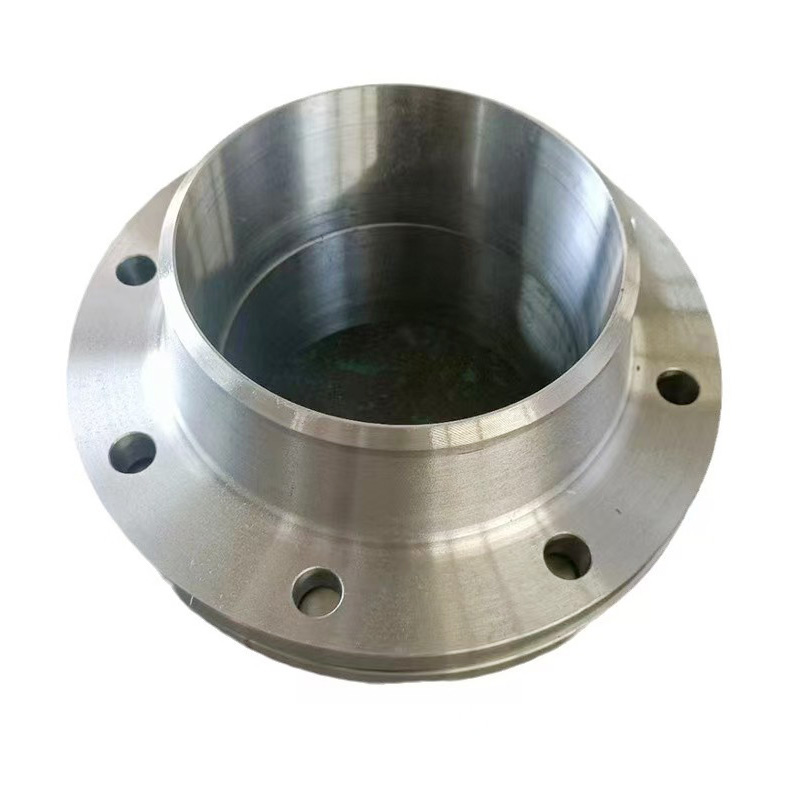
AWeld Neck Flange (WN Flange)is a type of piping flange designed to be welded to a pipe or ...
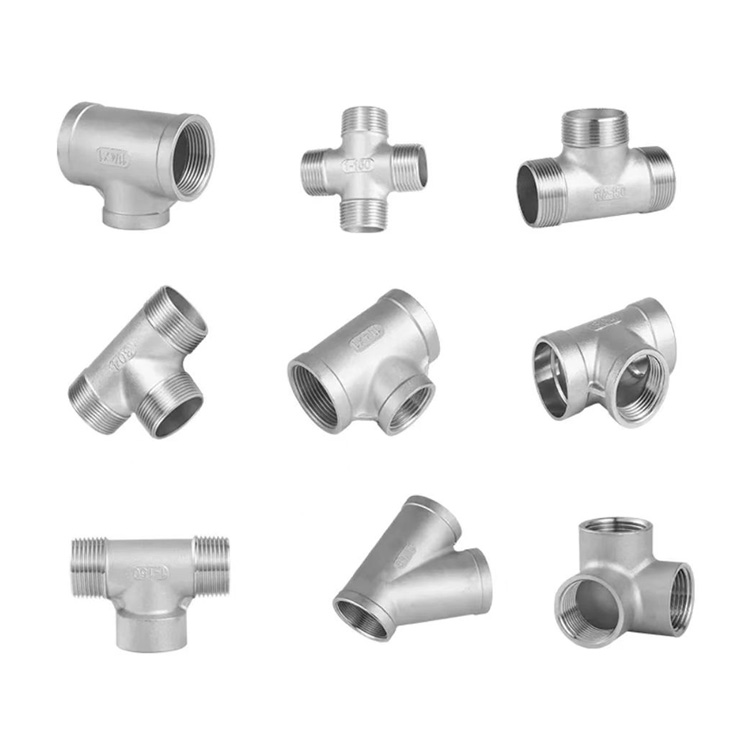
Socket fittings are essential components in piping systems, designed to connect, branch, or...
Welding ring is a commonly used metal ring component in pipeline connection or equipment do...
Welding ring is a pipe fitting used for pipeline connection. The following is its detailed ...