Stainless Steel Elbow: How to Choose the Right Grade and Type
2026-09-11 17:42:28
Few components see more action in a pipeline system than the elbow. It redirects flow, navigates around obstacles, and fits into compact layouts where straight pipe simply cannot go. In corrosive or hygienic environments, the material choice matters as much as the geometry — and that is where stainless steel elbows earn their reputation.
Choosing the wrong elbow grade or configuration leads to premature failure, unexpected maintenance, and project budget overruns. This article breaks down the decision points every engineer and procurement professional should understand.
Why Stainless Steel for Elbows?
Stainless steel resists corrosion that would destroy carbon steel in aggressive environments. The chromium content forms a passive oxide layer on the surface, providing self-healing protection against oxidation and chemical attack. Beyond corrosion resistance, stainless steel elbows offer:
High strength at elevated temperatures
Clean, smooth interior surface that minimizes flow resistance
Resistance to scaling and pitting in process environments
Longevity that reduces lifecycle cost despite higher initial price
Full recyclability for sustainable manufacturing
Understanding Stainless Steel Grades
The grade of stainless steel determines its corrosion resistance, mechanical properties, and suitability for specific environments. Two grades dominate the pipe fittings market:
Type 304 Stainless Steel
Type 304 is the most widely used stainless steel, containing
approximately 18% chromium and 8% nickel. It performs well in oxidizing
environments, food processing applications, and general-purpose chemical
service. However, it is susceptible to chloride stress corrosion
cracking and pitting in marine or coastal environments.
Type 316 Stainless Steel
Type 316 adds 2-3% molybdenum to the alloy composition, dramatically
improving resistance to chlorides and reducing acids. The molybdenum
content makes it the preferred choice for seawater applications,
pharmaceutical systems, and chemical processing where chlorides are
present. Type 316 costs more than 304, but the premium is justified in
the right environment.
Type 321 Stainless Steel
Stabilized with titanium, Type 321 resists intergranular corrosion after
exposure to temperatures in the 425-850°C range. It is commonly
specified for high-temperature exhaust systems and aerospace
applications.
Type 310 Stainless Steel
With 25% chromium and 20% nickel, Type 310 maintains strength at
temperatures up to 1150°C. It is the choice for furnace components, heat
exchangers, and thermal processing equipment.
Seamless vs Welded: Which to Choose
Manufacturing method affects both the mechanical integrity and the cost of the elbow.
Seamless Elbows
Seamless elbows are made from a single piece of steel, either by hot
pushing or cold forming. No weld seam means no potential leak path along
the seam. Seamless elbows are preferred for critical service
applications — high pressure, high temperature, toxic fluids, or
wherever weld integrity cannot be visually confirmed after installation.
They command a price premium but deliver superior reliability in
demanding conditions.
Welded Elbows
Welded elbows start as formed steel plates or sheets that are welded
along the longitudinal seam. Modern welding techniques with automated
equipment produce consistent, high-quality seams that perform reliably
in many applications. Welded elbows offer cost advantages for
large-diameter, low-pressure systems where the fabrication economy
translates to real savings.
For most industrial applications, seamless elbows are the conservative choice. For large-scale water distribution or low-pressure process systems, welded elbows can provide excellent value.
Long-Radius vs Short-Radius Elbows
The centerline radius — the distance from the elbow center to the bend center — determines how sharply the flow turns.
Long-Radius (LR) Elbows
A long-radius elbow has a centerline radius of 1.5 times the nominal
pipe diameter. This gradual turn causes less flow disturbance and
pressure drop than a sharper bend. Long-radius elbows are standard in
most process piping applications and are specified by most engineering
standards.
Short-Radius (SR) Elbows
A short-radius elbow turns at one times the nominal pipe diameter. The
sharper bend creates greater turbulence and pressure loss, but it fits
into tighter spaces. Short-radius elbows see use in compact piping
layouts, fire protection systems, and automotive applications where
space constraints dominate the design.
3D and 5D Bends
Beyond standard elbows, many projects require pipe bends with even
larger radii — typically 3D (three times the diameter) or 5D (five times
the diameter). These are commonly fabricated by cold or hot bending of
straight pipe rather than using pre-made fittings. They provide the
lowest pressure loss for applications where flow efficiency is critical,
such as long-distance pipelines.
Connection Methods
Elbows connect to piping systems in several ways, each with distinct advantages:
Butt-Weld Elbows
The most common connection for high-pressure industrial systems. Both
ends of the elbow are beveled and welded directly to the pipe. Butt-weld
joints provide a smooth, leak-tight connection with no internal
obstruction.
Socket-Weld Elbows
The pipe inserts into a socket in the fitting, and the connection is
fillet-welded around the outside. Common in small-bore piping (typically
NPS 2 and below), particularly in chemical and petrochemical plants.
Threaded Elbows
Threaded connections allow rapid assembly and disassembly without
welding. Limited to lower-pressure applications and smaller pipe sizes.
Threaded elbows are common in water distribution, HVAC, and general
plumbing.
Sizing and Schedule Considerations
Elbows must match the pipe size and schedule (wall thickness) of your system. Key dimensions include:
NPS (Nominal Pipe Size) — The standardized size designation, ranging from 1/2" to 48" and beyond for industrial fittings.
Schedule number — Defines wall thickness. Schedule 10, 40, 80, and 160 are common for industrial use. Higher schedules mean thicker walls and higher pressure ratings.
Wall thickness tolerance — ASME B16.9 allows ±12.5% wall thickness variation, but a quality manufacturer maintains tighter tolerances.
Industry Standards to Know
Ensure your stainless steel elbows comply with the standards relevant to your project and region. Key specifications include ASME B16.9 for dimensions and tolerances, ASTM A403 for material requirements, and MSS SP-43 for lightweight stainless steel fittings. European projects may reference EN 10253-2 or EN 10253-4.
Red Flags When Sourcing Elbows
Watch for these warning signs when evaluating suppliers:
No material test certificates provided with the shipment
Weld seams visible on the inside surface of the fitting (indicates improper fabrication)
Pricing that seems too low compared to market rates — often indicates substandard materials or heat treatment
Inconsistent wall thickness or ovality beyond standard tolerances
Lack of surface finishing for corrosion-prone environments
Conclusion
Selecting the right stainless steel elbow means matching the grade to your environment, the manufacturing method to your pressure requirements, and the geometry to your layout constraints. Type 316 is the default choice for corrosive environments; use 304 where conditions are less demanding. Seamless elbows are the safer bet for critical applications, while welded elbows work well for larger, lower-pressure systems.
A trusted manufacturer with proper certifications, in-house testing, and clear documentation gives you the confidence that every elbow in your system will perform as specified, installation after installation.
References
References:
ASME B16.9-2018, Factory-Made Wrought Buttwelding Fittings, The American Society of Mechanical Engineers
ASTM A403/A403M-20, Standard Specification for Wrought Austenitic Stainless Steel Piping Fittings, ASTM International
MSS SP-43-2008 (R2018), Standard Practice for Steel Butt-Welding
Lightweight Pipe Fittings, Manufacturers Standardization Society
EN 10253-2:2008, Butt-welding pipe fittings Part 2: Non-alloy and
ferromagnetic alloy steels with specific inspection requirements,
European Committee for Standardization
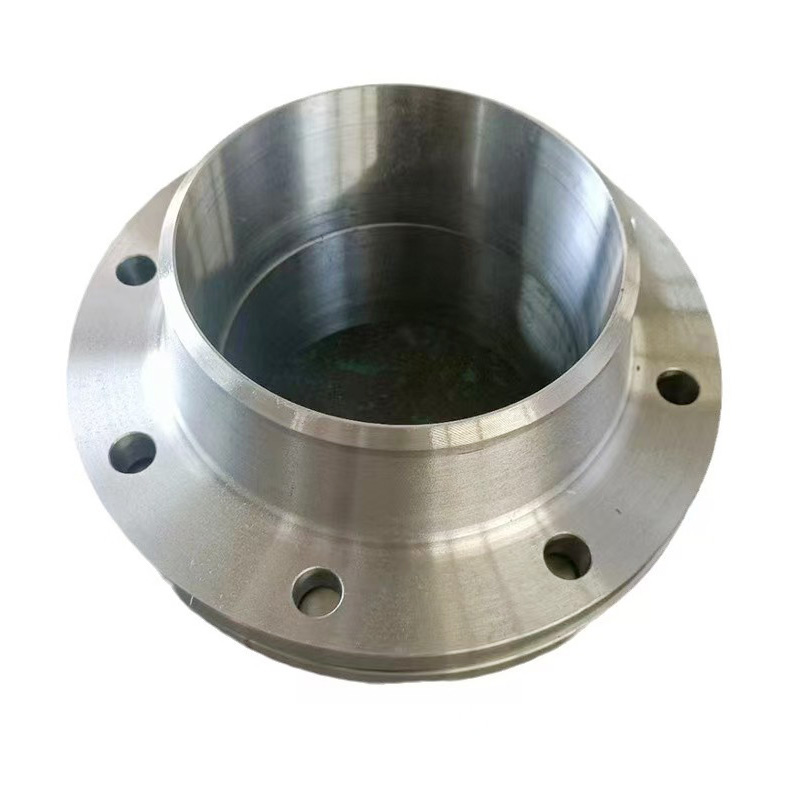
AWeld Neck Flange (WN Flange)is a type of piping flange designed to be welded to a pipe or ...
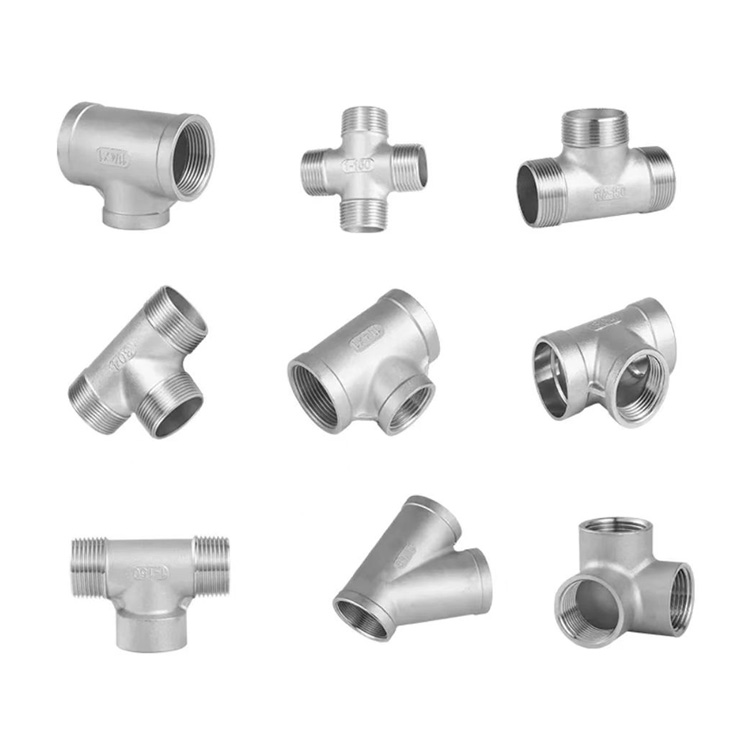
Socket fittings are essential components in piping systems, designed to connect, branch, or...
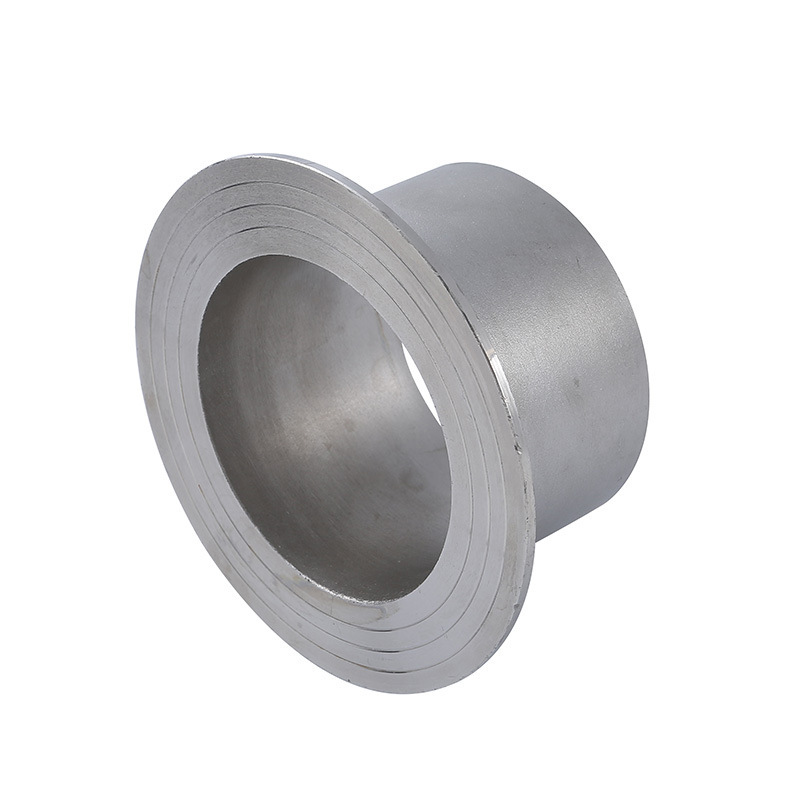
Welding ring is a commonly used metal ring component in pipeline connection or equipment do...
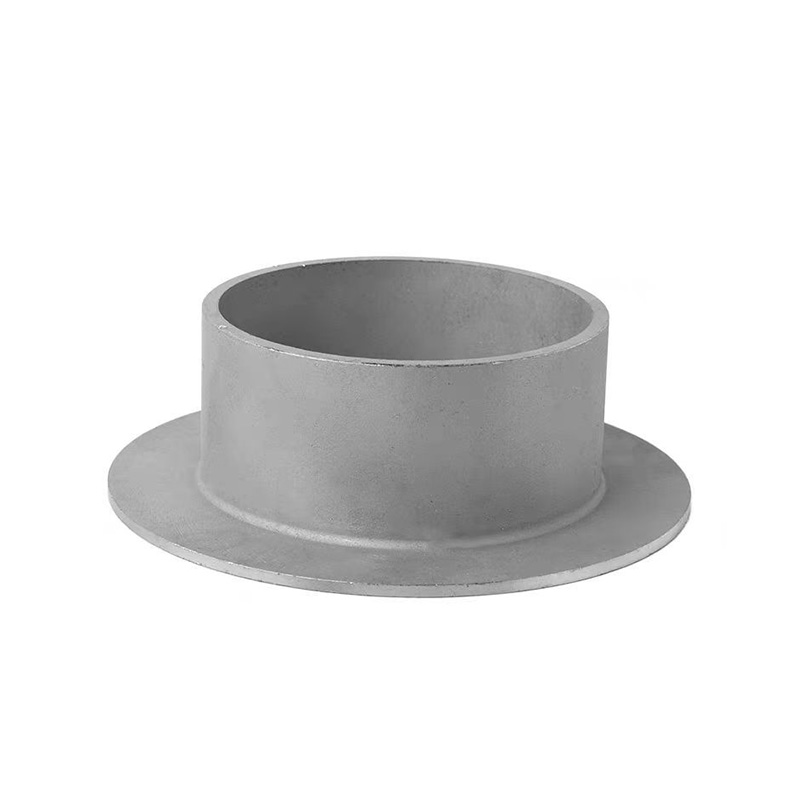
Welding ring is a pipe fitting used for pipeline connection. The following is its detailed ...