Understanding ISO Testing Standards for 20592PL Flanges
2026-01-21 12:28:10
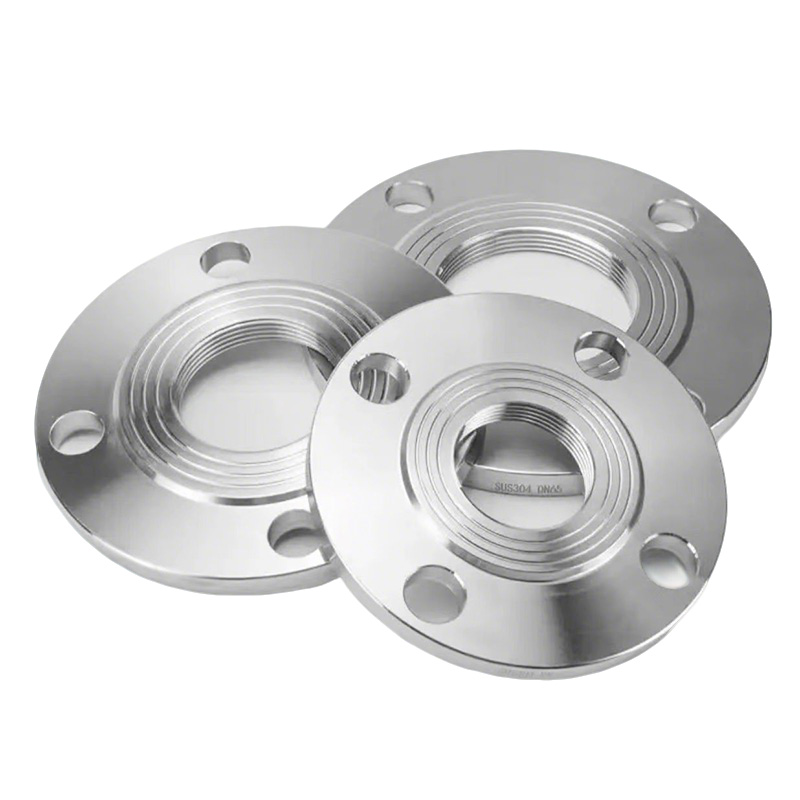
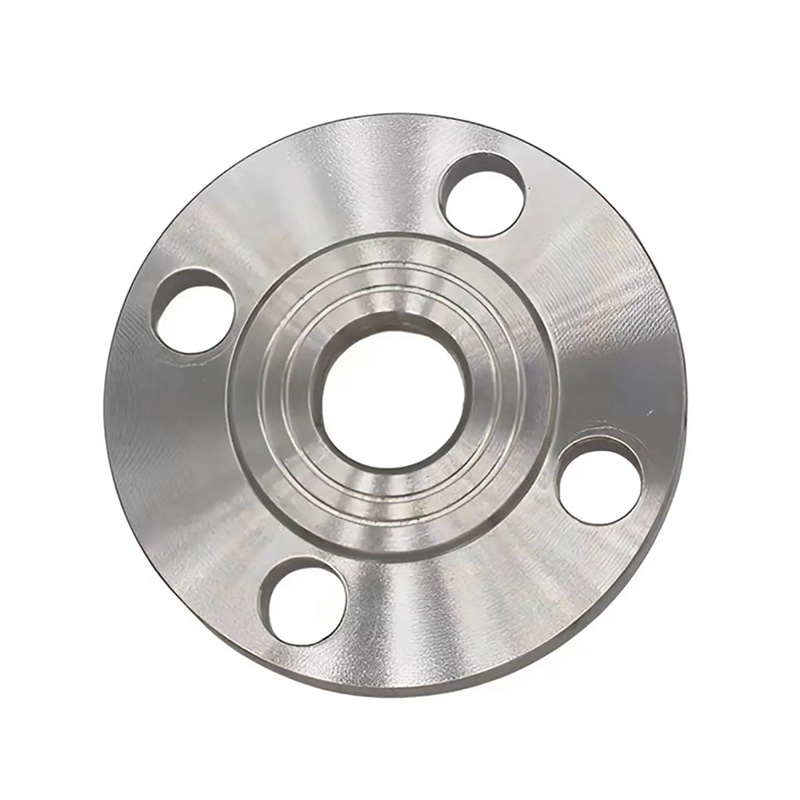
The Plate Welding Flange is a core component in industrial piping systems, responsible for connecting pipes, valves, and equipment under pressure. Among different flange types, the 20592PL Plate Welding Flange is widely used for its structural simplicity and welding reliability. However, performance depends heavily on testing and quality control.
For global projects, flanges must comply with international requirements. That is where ISO testing standards come into play. Professional Manufacturer organizations integrate ISO inspection into Production workflows, while Factory-scale supply ensures consistency for bulk orders. This guide explains ISO testing standards for 20592PL flanges and how they protect system safety and performance.
Introduction to Plate Welding Flange Quality
In oil, gas, water treatment, power generation, and chemical processing, flange failure can lead to leaks, downtime, and safety hazards. A Plate Welding Flange must maintain dimensional accuracy, mechanical strength, and pressure resistance under harsh operating conditions.
ISO standards provide a unified framework to verify that every Plate Welding Flange meets defined technical and safety criteria before entering service.
What Is a 20592PL Plate Welding Flange?
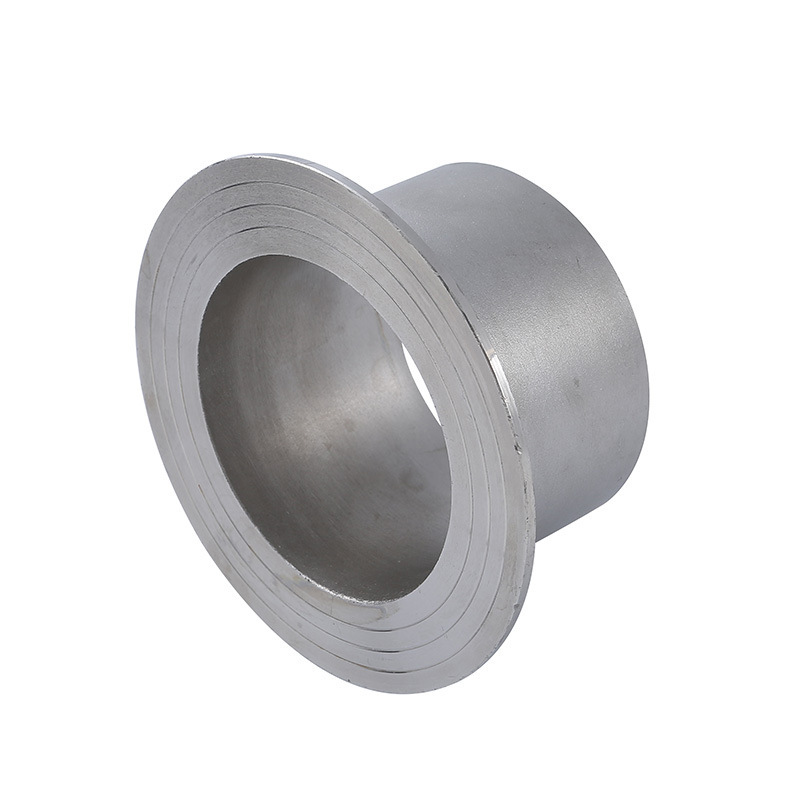
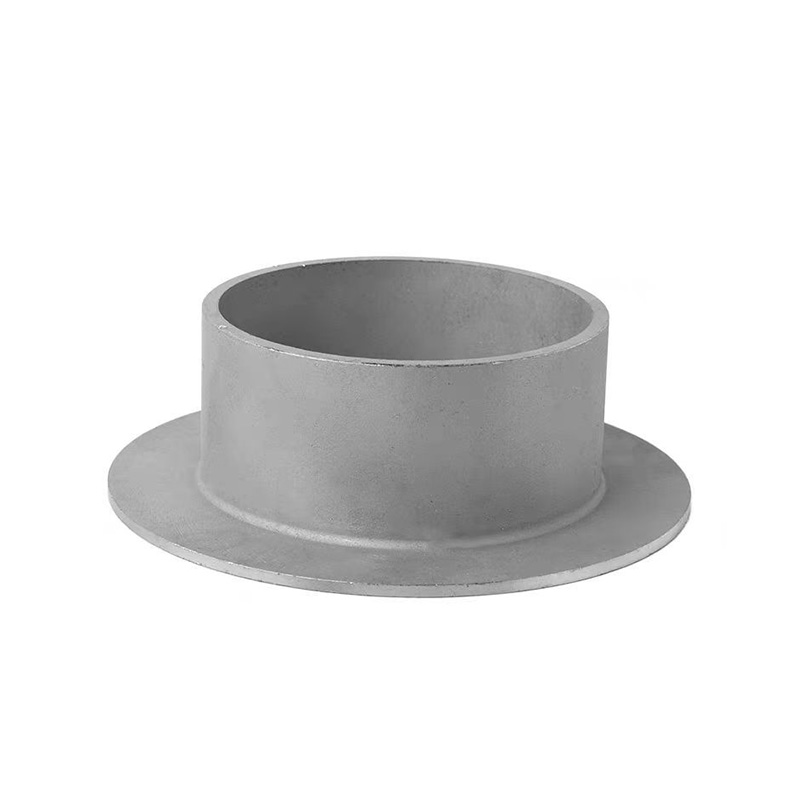
A 20592PL flange generally refers to a plate-type welding flange produced according to standardized dimensional and material specifications. The flange is welded directly to the pipe end, creating a strong and permanent joint.
Key characteristics include:
·Flat plate structure
·Weld-on installation
·Even load distribution
·Compatibility with bolts and gaskets
·Suitability for medium to high-pressure systems
Because it becomes part of the pipe assembly, testing the Plate Welding Flange before installation is critical.
Why ISO Standards Matter for Flanges
ISO standards are internationally recognized technical benchmarks. They ensure that components manufactured in different regions perform consistently.
For Plate Welding Flange applications, ISO testing helps:
·Reduce installation risk
·Ensure pressure integrity
·Maintain dimensional compatibility
·Support global project compliance
·Improve traceability and documentation
A Manufacturer that follows ISO-based Production practices demonstrates a commitment to controlled quality and repeatable Factory output.
Overview of ISO 20592 Testing Requirements
ISO standards for flanges typically focus on four major areas:
1.Material conformity
2.Dimensional accuracy
3.Mechanical performance
4.Pressure integrity
For a 20592PL Plate Welding Flange, these requirements ensure that raw materials, machining, welding preparation, and final inspection align with international performance expectations.
Material Verification and Mechanical Testing
Material testing verifies that the flange meets chemical composition and strength requirements.
Common inspections include:
·Chemical composition analysis
·Tensile strength testing
·Yield strength verification
·Impact resistance checks
·Hardness measurements
During Production, a professional Manufacturer performs sampling and batch testing to ensure each Plate Welding Flange can withstand operational stress.
Material consistency is essential because welding performance and long-term durability depend on stable metallurgy.
Dimensional and Visual Inspection
Dimensional precision affects gasket sealing and bolt alignment. ISO inspection requires:
·Outer and inner diameter measurement
·Bolt hole positioning accuracy
·Thickness verification
·Flatness and surface finish evaluation
Visual checks also identify:
·Surface cracks
·Burrs
·Deformation
·Welding edge defects
In a Factory environment, CNC machining combined with inspection tools ensures that every Plate Welding Flange maintains strict tolerance control across large Production volumes.
Pressure and Integrity Testing
Pressure testing ensures the flange can operate safely under system loads.
Typical ISO-related tests include:
·Hydrostatic pressure testing
·Leakage detection
·Seal performance verification
·Joint integrity assessment
These tests simulate real operating conditions, verifying that the Plate Welding Flange remains stable when bolted and welded into piping networks.
Reliable Manufacturer Production integrates pressure validation as part of batch release procedures.
Traceability in Manufacturer Production
Traceability is a key part of ISO compliance. It allows each Plate Welding Flange to be tracked from raw material to final shipment.
Traceability systems include:
·Heat number identification
·Batch coding
·Inspection records
·Material certificates
·Production logs
With Factory-level management systems, Manufacturers maintain documentation that supports audits, project approval, and long-term performance monitoring.
Factory-Level Quality Control Systems
ISO testing does not stand alone. It works together with broader Factory quality systems.
A controlled Factory environment applies:
·Incoming material inspection
·In-process monitoring
·Final dimensional checks
·Non-destructive examination
·Packaging inspection
These steps ensure the Plate Welding Flange delivered to the customer matches technical drawings and project specifications every time.
Factory-scale Production also supports stable output for bulk supply, ensuring consistent flange performance across entire pipelines.
Choosing a Reliable Plate Welding Flange Supplier
When sourcing a 20592PL Plate Welding Flange, buyers should evaluate:
·Compliance with ISO testing frameworks
·Material certification capability
·Dimensional accuracy control
·Pressure testing availability
·Manufacturer Production capacity
A Factory that integrates testing into every Production stage reduces risk, improves project reliability, and supports long-term operation of piping systems.
Conclusion: ISO Standards Ensure Plate Welding Flange Reliability
The Plate Welding Flange is a vital connection element in industrial pipelines, and the 20592PL Plate Welding Flange must meet strict performance expectations. ISO testing standards provide a structured way to verify material quality, dimensional precision, mechanical strength, and pressure integrity.
Through disciplined Manufacturer Production and Factory-level inspection systems, Plate Welding Flange products achieve consistency, safety, and reliability for global industrial applications.
Choosing ISO-tested Plate Welding Flange solutions is not only about compliance—it is about protecting systems, investments, and operational performance across every project stage.
References
GB/T 7714:Link R E. An introduction to the design and behavior of bolted joints[J]. Journal of Testing and Evaluation, 1991, 19(5): 417-418.
MLA:Link, R. E. "An introduction to the design and behavior of bolted joints." Journal of Testing and Evaluation 19.5 (1991): 417-418.
APA:Link, R. E. (1991). An introduction to the design and behavior of bolted joints. Journal of Testing and Evaluation, 19(5), 417-418.
AWeld Neck Flange (WN Flange)is a type of piping flange designed to be welded to a pipe or ...
Socket fittings are essential components in piping systems, designed to connect, branch, or...
Welding ring is a commonly used metal ring component in pipeline connection or equipment do...
Welding ring is a pipe fitting used for pipeline connection. The following is its detailed ...