How Eccentric Reducer Heads Improve Pump Suction Performance
2026-01-15 12:41:27
Why Pump Suction Performance Depends on the Right Reducer Design
In pumping systems, suction performance often determines overall system efficiency and reliability. While pumps themselves receive much of the attention, upstream components play an equally critical role. Among them, the Eccentric Reducer Head is one of the most important yet frequently underestimated fittings.
From a manufacturer and production perspective, eccentric reducer heads are designed not merely to connect pipes of different diameters, but to optimize fluid flow conditions at the pump inlet. When produced under controlled manufacturing standards and supplied in consistent batches, these components significantly improve suction behavior, reduce operational risks, and extend equipment life.
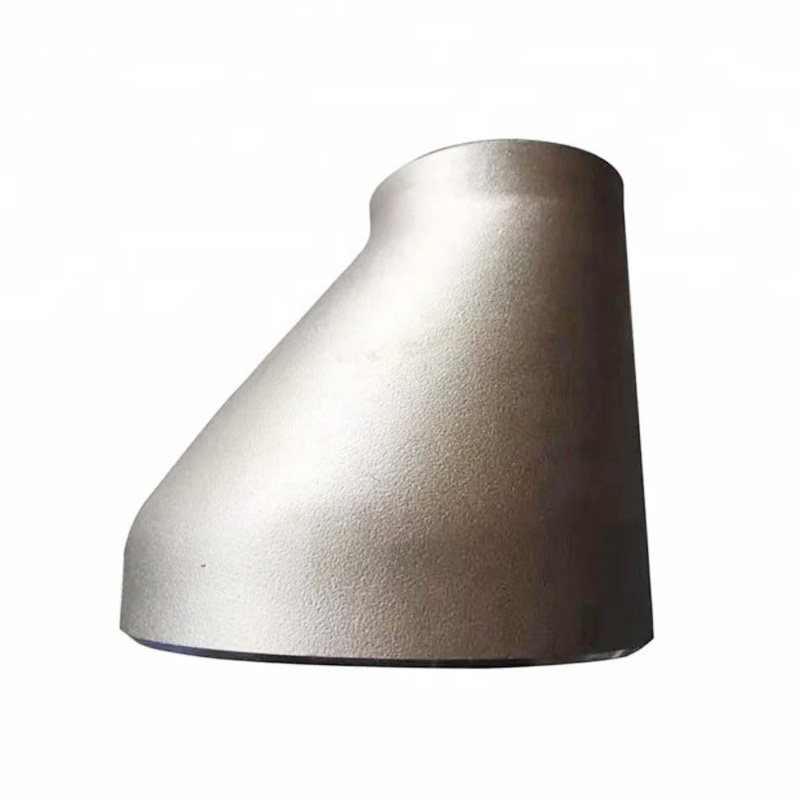
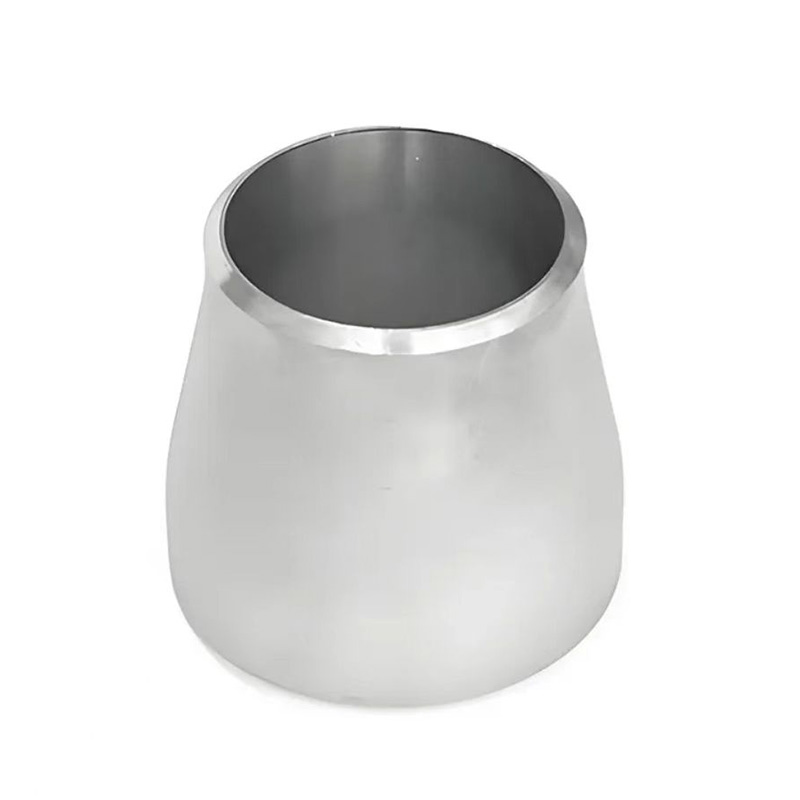
Understanding the Eccentric Reducer Head in Pump Systems
What exactly is an eccentric reducer head?
An eccentric reducer head is a pipe fitting that transitions between two different diameters while maintaining one flat side. Unlike concentric reducers, which reduce symmetrically, eccentric reducers are intentionally offset.
In pump suction lines, this offset geometry is not accidental. It is specifically chosen to manage fluid flow, prevent air entrapment, and ensure stable inlet conditions—factors that directly influence pump performance.
The Problem with Poor Suction Conditions
Why is pump suction so sensitive?
At the pump inlet, even minor flow disturbances can cause:
·Cavitation
·Vibration
·Noise
·Reduced efficiency
·Premature mechanical failure
Air pockets or uneven flow distribution upstream of the pump increase the risk of these issues. From a production standpoint, system designers rely on properly manufactured eccentric reducer heads to minimize such risks consistently across installations.
How Eccentric Reducer Heads Prevent Air Accumulation
Why does eccentric design matter?
When installed correctly (flat side up for horizontal suction lines), an Eccentric Reducer Head prevents air from collecting at the top of the pipe. This ensures that the suction line remains fully flooded, allowing the pump to draw liquid smoothly and continuously.
In contrast, concentric reducers can create high points where air accumulates—one of the most common causes of suction instability.
Manufacturer-grade production ensures precise geometry so that this air-elimination function works reliably in real operating conditions.
Flow Stability and Reduced Turbulence
Does reducer shape affect flow behavior?
Absolutely. The gradual, offset transition in an eccentric reducer head helps guide fluid into the pump inlet with less turbulence. Reduced turbulence means:
·Lower pressure losses
·Improved net positive suction head (NPSH) conditions
·More uniform velocity distribution
From a manufacturing perspective, achieving this benefit requires accurate forming and dimensional control during production—especially important when reducer heads are supplied in bulk for large projects.
Impact on Cavitation Prevention
Why is cavitation such a concern?
Cavitation occurs when local pressure drops below the vapor pressure of the fluid, forming vapor bubbles that collapse violently inside the pump. This damages impellers and reduces performance.
By improving inlet flow conditions and minimizing pressure fluctuations, eccentric reducer heads help maintain stable suction pressure. This directly reduces cavitation risk and supports long-term pump reliability.
Production consistency plays a key role here: poorly formed reducers may negate these advantages, while manufacturer-controlled products deliver predictable results.
Alignment with Pump Nozzle Geometry
How does alignment affect suction efficiency?
Pumps are designed to receive fluid in a specific flow pattern. An eccentric reducer head allows better alignment between the suction piping and the pump nozzle, reducing sudden directional changes.
This smoother alignment lowers mechanical stress on both the pump casing and connected piping. In industrial installations using batch-produced components, alignment consistency simplifies installation and improves overall system performance.
Installation Orientation: A Critical Detail
Is installation orientation really that important?
Yes—and it is often overlooked. The effectiveness of an eccentric reducer head depends on correct orientation:
·Flat side up for pump suction lines
·Flat side down for discharge lines (in some configurations)
Manufacturer documentation and production labeling help ensure that installers apply the reducer correctly, preserving its performance benefits.
Why Production Quality Matters in Reducer Head Performance
Can all eccentric reducer heads deliver the same results?
Not at all. Performance depends heavily on manufacturing precision:
·Wall thickness consistency
·Smooth internal surfaces
·Accurate eccentric offset
A manufacturer with standardized production processes and bulk supply capability can maintain these parameters across large quantities, ensuring that every reducer head performs as intended.
Application Benefits Across Industries
Where do eccentric reducer heads make the biggest difference?
They are widely used in:
·Water and wastewater pumping systems
·Chemical processing plants
·Power generation facilities
·Oil and gas installations
In all these applications, reliable suction performance translates into lower operating costs and fewer maintenance interruptions—benefits that scale significantly when components are sourced through controlled production and batch supply.
Conclusion: Small Component, Major Impact on Pump Performance
An Eccentric Reducer Head may appear to be a simple fitting, but its impact on pump suction performance is substantial. By preventing air accumulation, stabilizing flow, and reducing cavitation risk, it plays a vital role in protecting pumps and maintaining system efficiency.
From a manufacturer-level production perspective, the true value of eccentric reducer heads lies in consistent quality and dimensional accuracy—especially when supplied in bulk for industrial projects. When design intent and production discipline align, these components deliver performance benefits that far exceed their size.
In pumping systems where reliability matters, the right reducer head is not optional—it is essential.
References
GB/T 7714:Centrifugal pumps[M]. Springer Science & Business Media, 2012.
MLA:Karassik, Igor, and J. Terry McGuire, eds. Centrifugal pumps. Springer Science & Business Media, 2012.
APA:Karassik, I., & McGuire, J. T. (Eds.). (2012). Centrifugal pumps. Springer Science & Business Media.
AWeld Neck Flange (WN Flange)is a type of piping flange designed to be welded to a pipe or ...
Socket fittings are essential components in piping systems, designed to connect, branch, or...
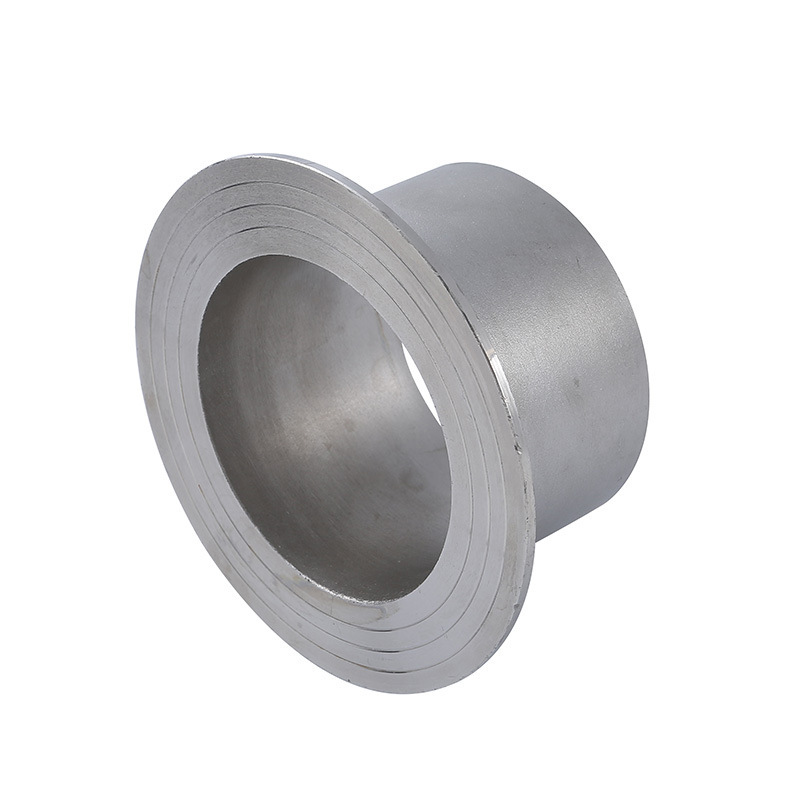
Welding ring is a commonly used metal ring component in pipeline connection or equipment do...
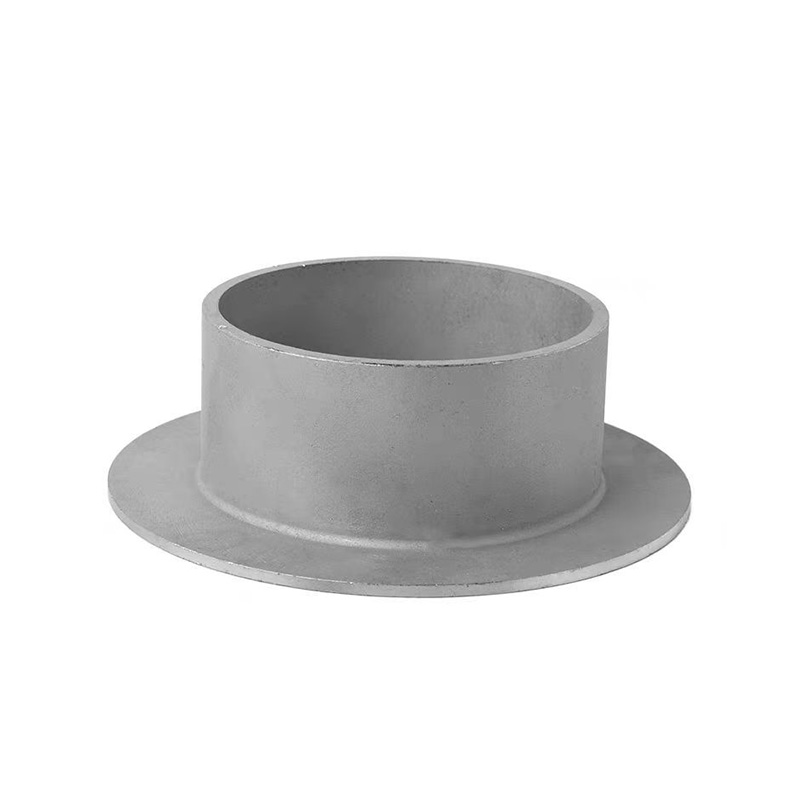
Welding ring is a pipe fitting used for pipeline connection. The following is its detailed ...