Bolt Torque Guidelines for Weld Neck Flange Connections
2026-01-03 17:21:15
The Weld Neck Flange is widely recognized as one of the most reliable flange types used in high-pressure and high-temperature piping systems. Its long tapered hub provides excellent stress distribution, making it a preferred choice in energy, chemical, and industrial process applications.
However, even a properly designed weld neck flange can fail if incorrect bolt torque practices are applied. Bolt tightening directly affects gasket compression, joint integrity, and long-term sealing performance. This article provides practical bolt torque guidelines to help ensure safe and reliable weld neck flange connections.
Understanding the Role of Bolt Torque in Weld Neck Flange Joints
In a Weld Neck Flange connection, bolts generate the clamping force required to compress the gasket and create a leak-tight seal. Insufficient torque may lead to leakage, while excessive torque can damage the gasket, bolts, or flange faces.
Correct bolt torque balances sealing performance and mechanical integrity. Many industrial projects rely on standardized components supplied through controlled manufacturer-level production systems, ensuring consistent flange dimensions and bolt compatibility.
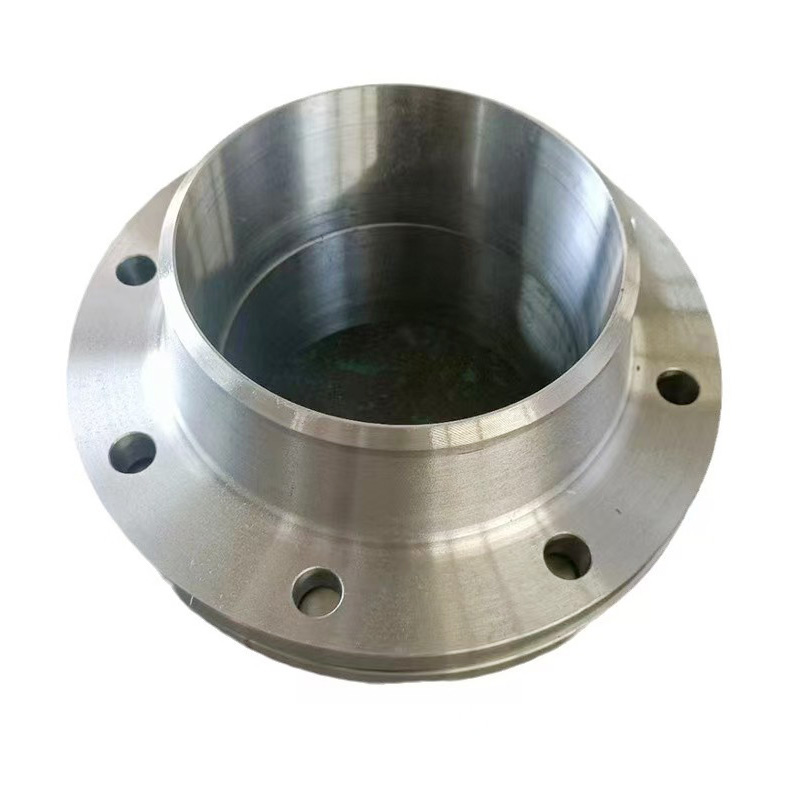
Key Factors Affecting Bolt Torque Requirements
Bolt torque values are not universal and depend on several interacting factors.
Flange Size and Pressure Rating
Larger weld neck flanges and higher pressure classes generally require higher bolt loads to achieve proper gasket compression.
Gasket Type and Material
Different gasket materials require different seating stresses. Soft gaskets need lower torque, while metallic or semi-metallic gaskets require higher bolt loads.
Bolt Material and Lubrication
Bolt material strength and surface condition affect friction. Lubricated bolts typically require less torque to achieve the same clamping force.
Understanding these variables is essential for determining appropriate torque values.
Recommended Bolt Tightening Sequence
Proper tightening sequence is as important as the torque value itself.
Best practices include:
·Use a cross or star pattern to distribute load evenly
·Apply torque in multiple stages rather than all at once
·Recheck torque after initial tightening
This method helps prevent flange distortion and uneven gasket compression in weld neck flange connections.
Multi-Step Torque Application Method
A staged tightening approach improves joint reliability:
·Initial Pass (30%) – Snug bolts lightly following the cross pattern
·Second Pass (60%) – Increase torque gradually
·Final Pass (90%) – Apply full specified torque
·Verification Pass – Check all bolts sequentially
This approach ensures uniform load distribution across the flange face.
Common Torque-Related Mistakes
Despite clear guidelines, torque-related errors remain common during installation.
Over-Tightening
Excessive torque can crush gaskets, stretch bolts, or deform flange faces, compromising long-term sealing.
Under-Tightening
Insufficient torque leads to uneven gasket compression and leakage during operation.
Uneven Torque Application
Skipping bolts or ignoring tightening sequences creates localized stress and reduces joint reliability.
Avoiding these mistakes is critical for weld neck flange performance.
Impact of Temperature and Operating Conditions
Operating temperature affects bolt preload over time. Thermal expansion and relaxation can reduce clamping force, especially in high-temperature systems.
In such cases, designers may specify higher initial torque or require periodic re-torque after system startup. Proper planning improves reliability in demanding service conditions.
Tools and Equipment for Accurate Torque Control
Accurate torque application depends on proper tools.
Commonly used tools include:
·Calibrated torque wrenches
·Hydraulic torque tools for large flanges
·Bolt tensioners for critical applications
Using calibrated equipment ensures torque values are applied accurately and consistently.
Quality Control and Production Consistency
Flange flatness, surface finish, and bolt hole alignment all influence torque effectiveness. Components produced under organized production control and batch supply systems typically exhibit tighter tolerances, improving joint performance during installation.
Quality consistency reduces the risk of unexpected torque-related issues on-site.
Inspection and Re-Tightening Practices
After installation, visual inspection and torque verification are recommended. In some applications, re-tightening may be required after pressure testing or initial operation.
Regular inspection helps detect early signs of leakage or bolt relaxation, extending the service life of weld neck flange connections.
Why Proper Torque Guidelines Matter
Correct bolt torque practices protect not only the flange joint but the entire piping system. Reliable sealing reduces downtime, maintenance costs, and safety risks.
Understanding torque guidelines empowers engineers and installers to achieve consistent results across different projects and operating conditions.
Final Thoughts on Weld Neck Flange Bolt Torque
The Weld Neck Flange remains a trusted solution for demanding piping systems, but its performance depends heavily on proper bolt torque application. By following correct torque values, tightening sequences, and inspection practices, weld neck flange connections can deliver long-term reliability.
Supported by professional manufacturing standards, controlled production processes, and dependable bulk supply capability, weld neck flange solutions continue to meet the requirements of modern industrial piping systems.
References
GB/T 7714:Vishwanath V H, Sanjay S J, Math V B. The Study Of The Behaviour Of Bolted Flanges With Gaskets[J]. International Journal of Engineering Research & Technology, 2013, 2(7): 1620-1624.
MLA:Vishwanath, V. H., S. J. Sanjay, and V. B. Math. "The Study Of The Behaviour Of Bolted Flanges With Gaskets." International Journal of Engineering Research & Technology 2.7 (2013): 1620-1624.
APA:Vishwanath, V. H., Sanjay, S. J., & Math, V. B. (2013). The Study Of The Behaviour Of Bolted Flanges With Gaskets. International Journal of Engineering Research & Technology, 2(7), 1620-1624.
AWeld Neck Flange (WN Flange)is a type of piping flange designed to be welded to a pipe or ...
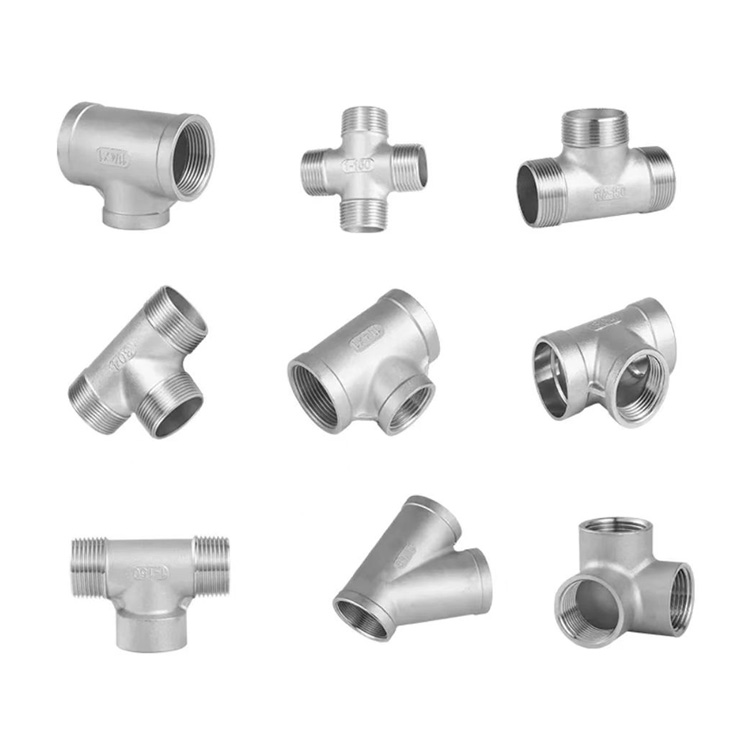
Socket fittings are essential components in piping systems, designed to connect, branch, or...
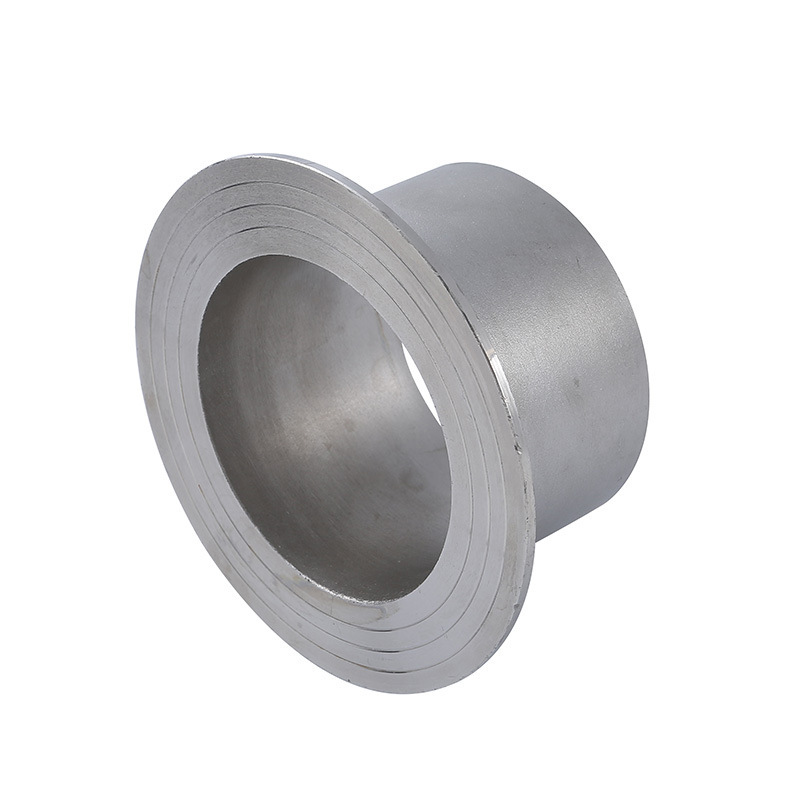
Welding ring is a commonly used metal ring component in pipeline connection or equipment do...
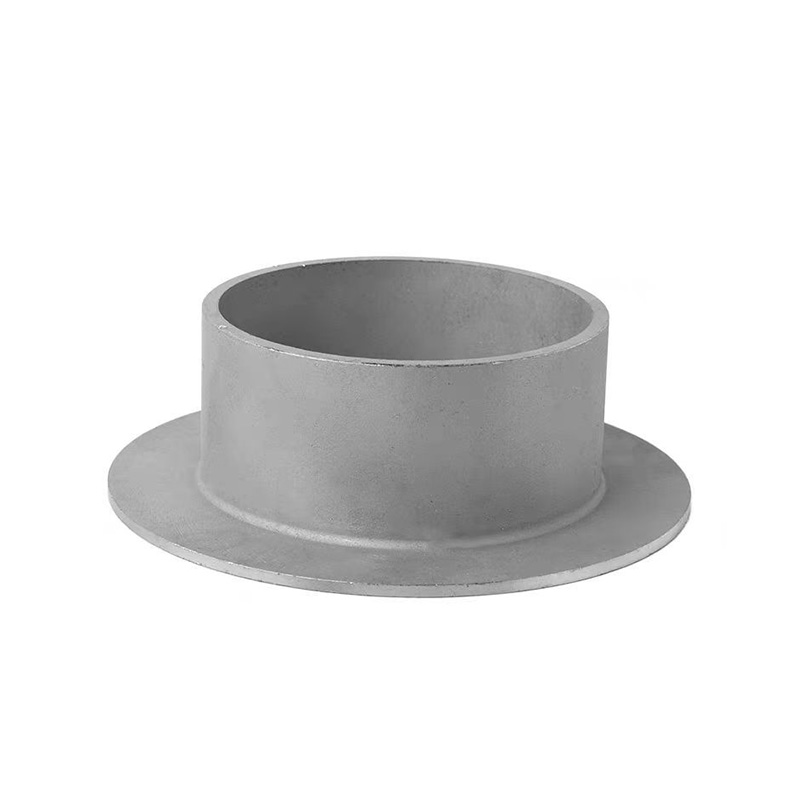
Welding ring is a pipe fitting used for pipeline connection. The following is its detailed ...