Maintenance Tips for Stainless Steel Seamless Tees
2026-01-13 11:48:36
Why Maintenance Matters for Stainless Steel Seamless Tee Performance
A Stainless Steel Seamless Tee is widely recognized for its strength, uniform structure, and pressure resistance. As a critical pipe fitting used in oil & gas, chemical processing, power generation, and industrial piping systems, its reliability directly affects system safety and uptime.
From a manufacturer and production perspective, long-term performance is not determined by material alone. Proper maintenance plays an equally important role. Even fittings produced through controlled, large-scale production require correct handling and upkeep to fully realize their design lifespan.
Understanding how to maintain stainless steel seamless tees is therefore not optional—it is a best practice for any industrial operation seeking durability, efficiency, and reduced replacement costs.
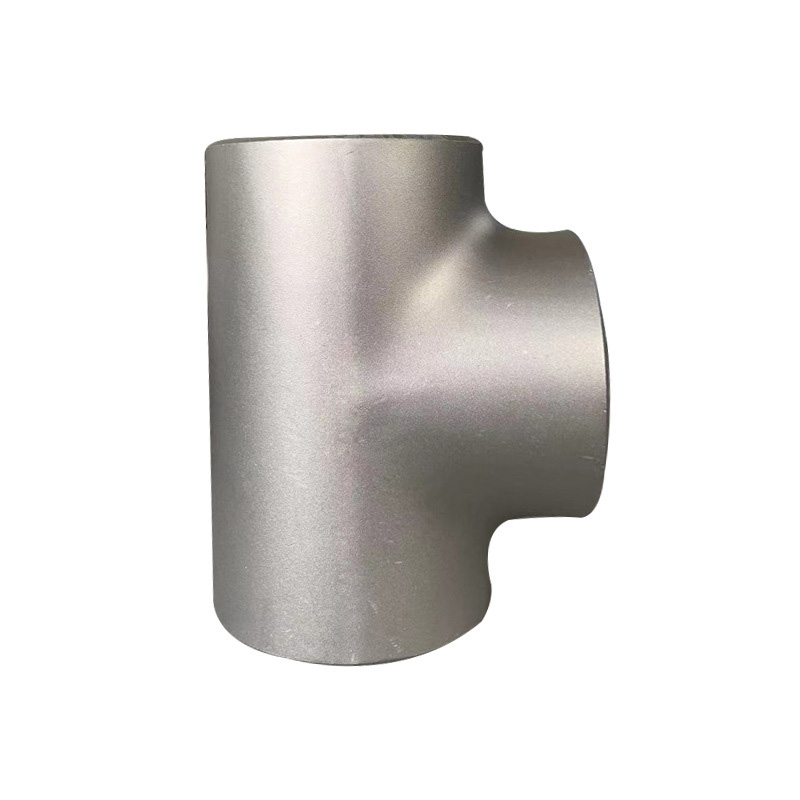
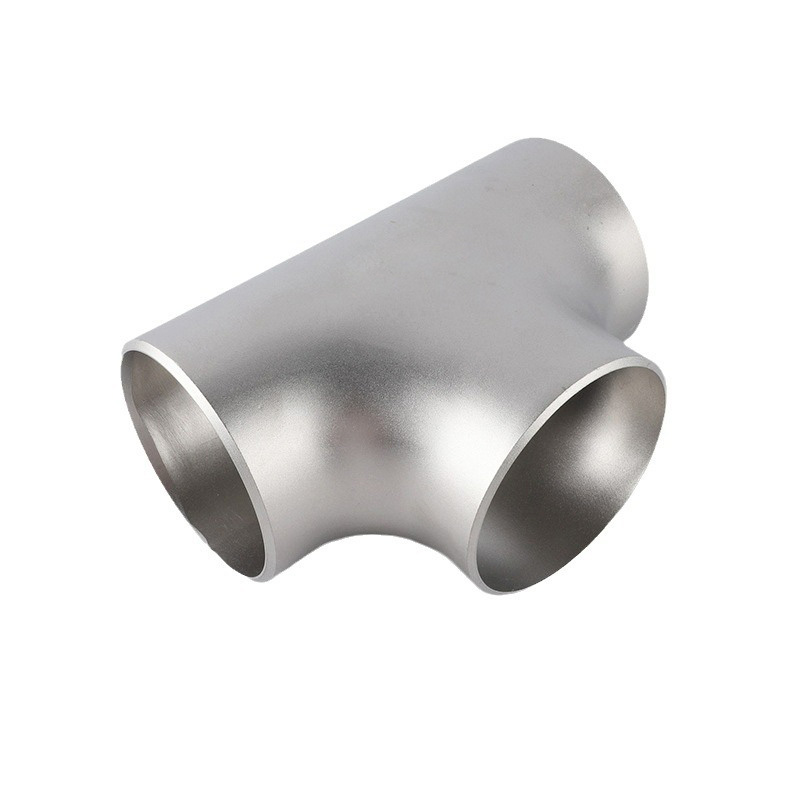
Understanding the Material Advantage of Stainless Steel Seamless Tee
Why does a stainless steel seamless tee outperform welded alternatives in demanding environments?
The answer lies in its seamless construction. Without weld seams, the fitting maintains uniform mechanical properties throughout the body, reducing stress concentration and minimizing the risk of failure under pressure or temperature fluctuations.
From a production standpoint, manufacturer-controlled seamless forming ensures consistent wall thickness and metallurgical integrity. However, even the best-produced fittings benefit from informed maintenance strategies to preserve these advantages over time.
Routine Visual Inspection: The First Line of Defense
Why start with visual inspection?
Regular inspection helps detect early signs of surface damage, corrosion, or mechanical stress. Although stainless steel is corrosion-resistant, exposure to aggressive chemicals, chloride-rich environments, or improper cleaning agents can still lead to surface degradation.
Key inspection points include:
·External surface discoloration
·Pitting or crevice formation
·Deformation caused by vibration or misalignment
Early detection allows corrective action before performance is compromised, protecting both the fitting and the overall piping system.
Cleaning Practices That Preserve Surface Integrity
Is cleaning really necessary for stainless steel seamless tees?
Yes—especially in industrial environments. Residue buildup, process chemicals, or external contaminants can reduce corrosion resistance if left unattended.
Best practices include:
·Using non-abrasive cleaning tools
·Avoiding chloride-based cleaners
·Rinsing thoroughly with clean water after chemical exposure
From a manufacturer’s production experience, improper cleaning methods are among the most common causes of premature surface damage—despite high-quality materials.
Managing Corrosion Risks in Harsh Environments
Is stainless steel immune to corrosion?
Not entirely. While stainless steel seamless tees resist oxidation, localized corrosion can occur under certain conditions such as stagnant fluids or high chloride concentrations.
Preventive measures include:
·Ensuring proper fluid flow to avoid stagnation
·Selecting compatible materials for connected components
·Applying appropriate surface passivation when required
These steps align with manufacturer-recommended maintenance protocols derived from long-term production and field application data.
Installation Alignment and Stress Control
Can poor installation affect maintenance outcomes?
Absolutely. Misalignment or excessive mechanical stress accelerates wear and increases the risk of fatigue failure.
Maintenance teams should periodically verify:
·Pipe alignment
·Support integrity
·Absence of undue vibration
From a production and bulk supply standpoint, seamless tees are designed to meet standardized tolerances—but real-world installation conditions ultimately determine how well those tolerances perform over time.
Pressure and Temperature Monitoring
Why monitor operating conditions after installation?
Stainless steel seamless tees are rated for specific pressure and temperature ranges based on material grade and production standards. Operating outside these parameters reduces service life and increases maintenance frequency.
Ongoing monitoring ensures:
·System conditions remain within design limits
·Early detection of abnormal pressure spikes
·Safer, more predictable long-term operation
This proactive approach reflects best practices recommended by experienced manufacturers supporting large-scale industrial supply.
Storage and Handling Before Installation
Does pre-installation handling matter?
Yes—significantly. Even before entering service, improper storage can compromise a stainless steel seamless tee.
Recommended practices include:
·Dry, covered storage environments
·Avoiding contact with carbon steel to prevent contamination
·Using protective caps to shield internal surfaces
From a production viewpoint, maintaining material integrity from factory to site is a shared responsibility between manufacturer and end user.
Documentation and Maintenance Records
Why keep maintenance records for pipe fittings?
Documented inspections and cleaning schedules help identify patterns, optimize replacement cycles, and support compliance audits.
For facilities using fittings supplied through batch production and bulk supply, consistent documentation ensures uniform performance across multiple installations and projects.
Conclusion: Maintenance Protects the Value of Manufacturer-Grade Production
A Stainless Steel Seamless Tee represents precision manufacturing, controlled production, and material excellence. However, its true value is realized only when supported by informed maintenance practices.
By following proper inspection, cleaning, installation, and monitoring procedures, operators can extend service life, reduce downtime, and maximize return on investment.
From a manufacturer-level production perspective, good maintenance is not an afterthought—it is an essential extension of quality manufacturing. When production strength and maintenance discipline work together, stainless steel seamless tees deliver the reliability industrial systems depend on.
References
GB/T 7714:Stainless steels[M]. ASM international, 1994.
MLA:Davis, Joseph R., ed. Stainless steels. ASM international, 1994.
APA:Davis, J. R. (Ed.). (1994). Stainless steels. ASM international.
AWeld Neck Flange (WN Flange)is a type of piping flange designed to be welded to a pipe or ...
Socket fittings are essential components in piping systems, designed to connect, branch, or...
Welding ring is a commonly used metal ring component in pipeline connection or equipment do...
Welding ring is a pipe fitting used for pipeline connection. The following is its detailed ...