Eccentric Reducer Head Applications in Energy and Chemical Industries
2025-12-31 11:50:08
The Eccentric Reducer Head is a critical pressure vessel and piping component widely used in energy and chemical industries. Known for its unique geometry and functional advantages, the eccentric reducer head plays an essential role in maintaining smooth flow transitions, reducing operational risks, and improving system efficiency.
As industrial systems grow more complex and operate under higher pressures and stricter safety requirements, the application of the eccentric reducer head has expanded significantly. This article provides a comprehensive overview of its role, benefits, and use cases in energy and chemical sectors.
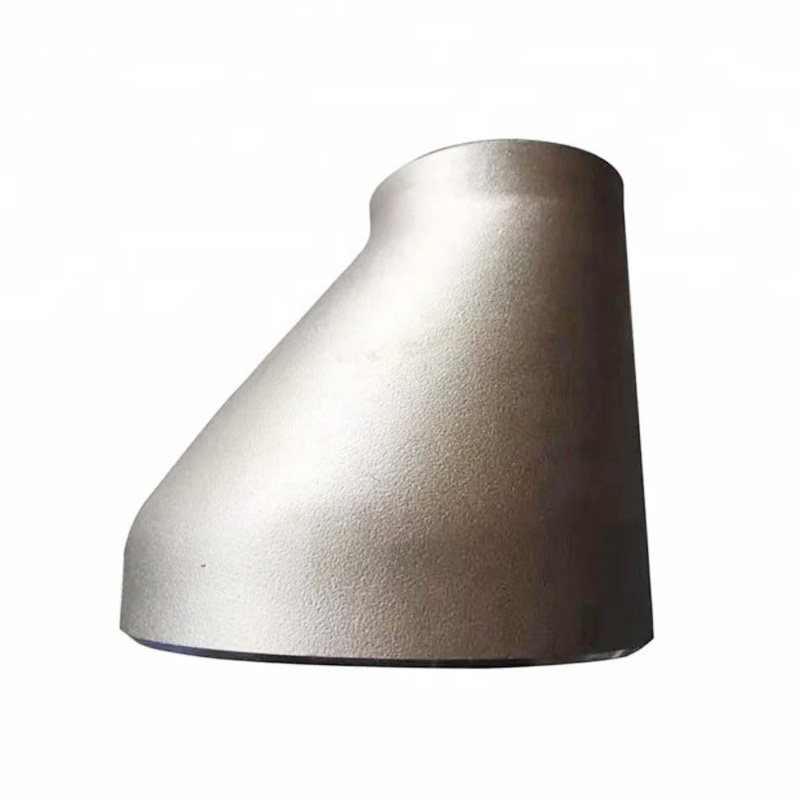
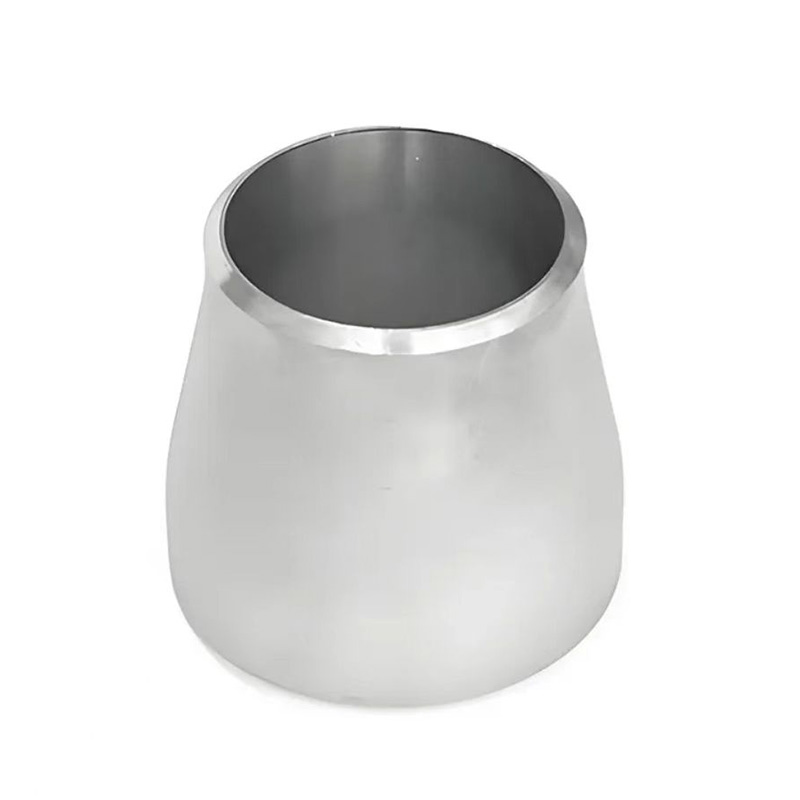
What Is an Eccentric Reducer Head?
An Eccentric Reducer Head is a specialized formed head designed to connect pipes or vessels of different diameters while maintaining a flat alignment on one side. Unlike concentric reducers, eccentric designs prevent fluid accumulation at the bottom of pipelines, which is particularly important in critical process systems.
These components are commonly fabricated from carbon steel, stainless steel, or alloy steel, depending on operational conditions such as pressure, temperature, and corrosion exposure. Many projects source eccentric reducer heads from professional manufacturers operating controlled production environments, ensuring dimensional accuracy and consistent performance.
Why Eccentric Reducer Heads Matter in Energy and Chemical Systems
Energy and chemical industries demand high reliability due to continuous operation and hazardous media handling. The eccentric reducer head supports these requirements through its functional design.
Key benefits include:
Smooth flow transition between different diameters
Reduced risk of liquid pooling or gas trapping
Improved drainage and cleaning capability
Enhanced system safety and operational stability
These advantages make eccentric reducer heads especially suitable for pipelines, reactors, and pressure vessels in demanding industrial environments.
Applications in the Energy Industry
Oil and Gas Processing
In oil and gas facilities, eccentric reducer heads are commonly used in pipelines, separators, and pressure vessels. Their design helps maintain proper flow behavior and reduces the risk of sediment buildup, which can impact system efficiency and safety.
Power Generation
Thermal and nuclear power plants rely on eccentric reducer heads in steam and feedwater systems. Maintaining consistent flow and minimizing turbulence are essential for protecting downstream equipment and ensuring long-term reliability.
Renewable Energy Facilities
In biomass and hydrogen-related systems, eccentric reducer heads assist in managing complex fluid behavior under varying pressure and temperature conditions.
Applications in the Chemical Industry
Chemical Processing Plants
Chemical plants frequently handle corrosive or reactive substances. The eccentric reducer head supports controlled flow transitions, helping reduce stress concentration and potential leakage points.
Petrochemical Facilities
In large-scale petrochemical operations, eccentric reducer heads are used in reactors, distillation columns, and heat exchangers, where precise alignment and drainage are critical.
Specialty Chemical Production
Batch-based chemical processes benefit from eccentric reducer heads due to easier cleaning and reduced residue accumulation, improving product purity and operational efficiency.
Design Considerations for Eccentric Reducer Heads
Designing an eccentric reducer head requires careful engineering to meet process and safety requirements.
Important factors include:
Diameter transition ratio
Wall thickness and pressure rating
Material compatibility
Compliance with applicable standards
Accurate forming and inspection are essential to ensure that the eccentric reducer head performs reliably under operating conditions.
Manufacturing and Production Aspects
The production of an eccentric reducer head typically involves forming, heat treatment, and surface finishing processes. Precision forming techniques help achieve smooth transitions and uniform thickness distribution.
Well-organized production systems allow batch manufacturing and bulk supply, which is particularly valuable for large energy and chemical projects requiring consistent components across multiple units.
Quality Control and Inspection
Quality control is critical in eccentric reducer head production. Common inspection methods include dimensional checks, non-destructive testing, and pressure testing.
These measures help verify that each eccentric reducer head meets design specifications and can withstand demanding service conditions over its intended lifespan.
Advantages Over Concentric Reducer Heads
While concentric reducer heads are suitable for some applications, eccentric reducer heads offer clear advantages in horizontal piping systems:
| Aspect | Eccentric Reducer Head | Concentric Reducer Head |
|---|---|---|
| Drainage | Excellent | Limited |
| Flow Stability | High | Moderate |
| Risk of Accumulation | Low | Higher |
This comparison highlights why eccentric reducer heads are often preferred in energy and chemical installations.
Future Trends in Industrial Applications
As energy and chemical industries continue to prioritize efficiency and safety, the demand for high-quality eccentric reducer heads is expected to grow. Advances in forming technology and material science will further enhance performance and reliability.
Standardization and scalable manufacturing will continue to support global project requirements, especially where consistency and traceability are essential.
Final Thoughts on Eccentric Reducer Head Applications
The Eccentric Reducer Head is an indispensable component in energy and chemical industries, offering functional, safety, and operational advantages over conventional alternatives. Its ability to support smooth flow transitions, reliable drainage, and long-term durability makes it a preferred solution for complex industrial systems.
Backed by professional manufacturing expertise, controlled production processes, and dependable bulk supply capability, the eccentric reducer head will remain a key element in modern energy and chemical infrastructure.
References
GB/T 7714:Towler G, Sinnott R. Chemical engineering design: principles, practice and economics of plant and process design[M]. Butterworth-Heinemann, 2021.
MLA:Towler, Gavin, and Ray Sinnott. Chemical engineering design: principles, practice and economics of plant and process design. Butterworth-Heinemann, 2021.
APA:Towler, G., & Sinnott, R. (2021). Chemical engineering design: principles, practice and economics of plant and process design. Butterworth-Heinemann.
AWeld Neck Flange (WN Flange)is a type of piping flange designed to be welded to a pipe or ...
Socket fittings are essential components in piping systems, designed to connect, branch, or...
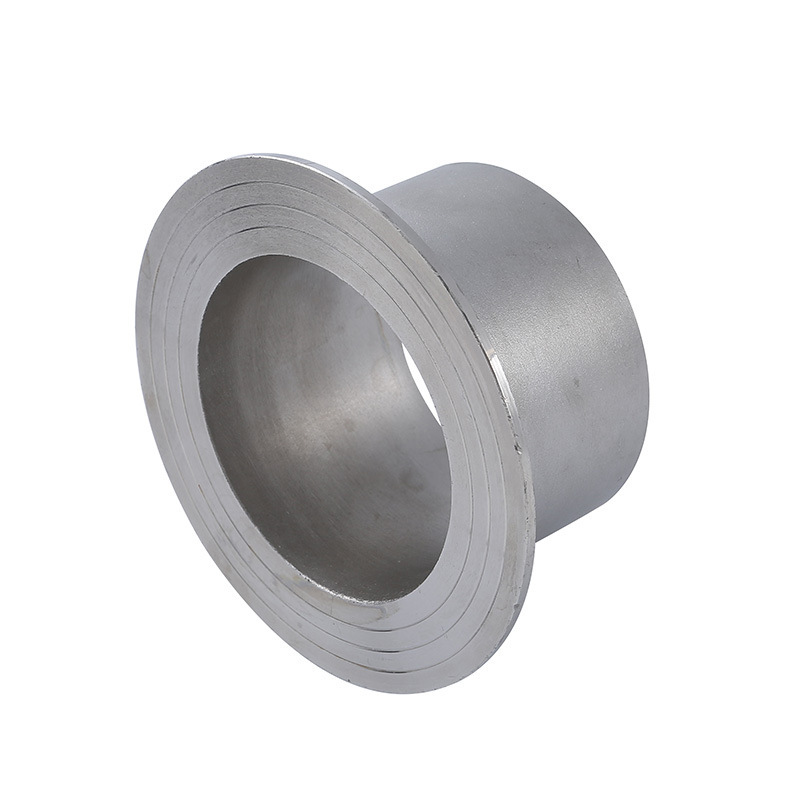
Welding ring is a commonly used metal ring component in pipeline connection or equipment do...
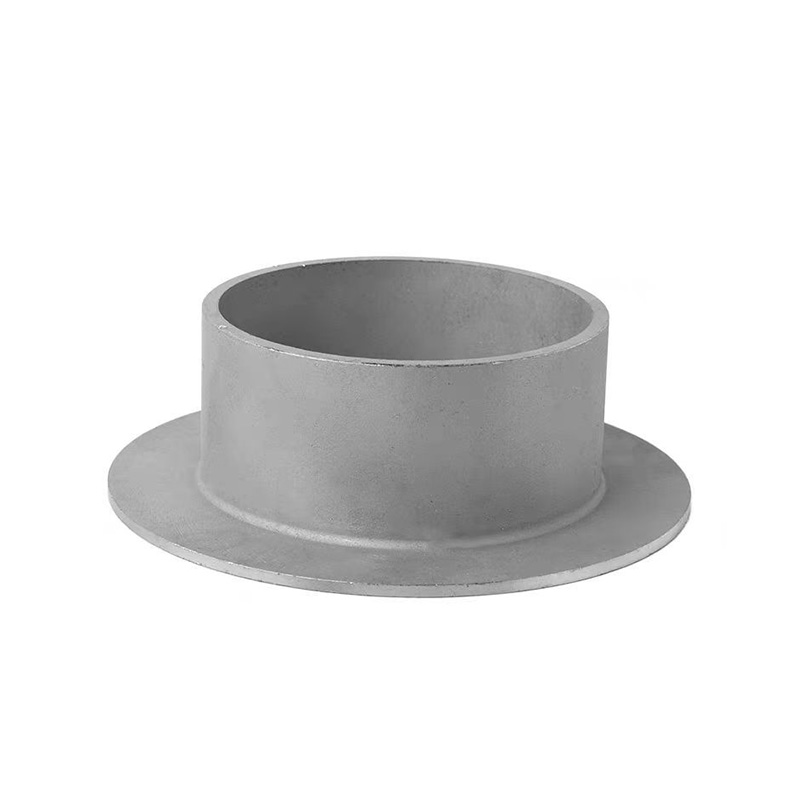
Welding ring is a pipe fitting used for pipeline connection. The following is its detailed ...