The Role of Stainless Steel Seamless Tees in Reducing Pipeline Turbulence
2025-12-24 16:42:53
Flow Stability and the Importance of Stainless Steel Seamless Tee Design
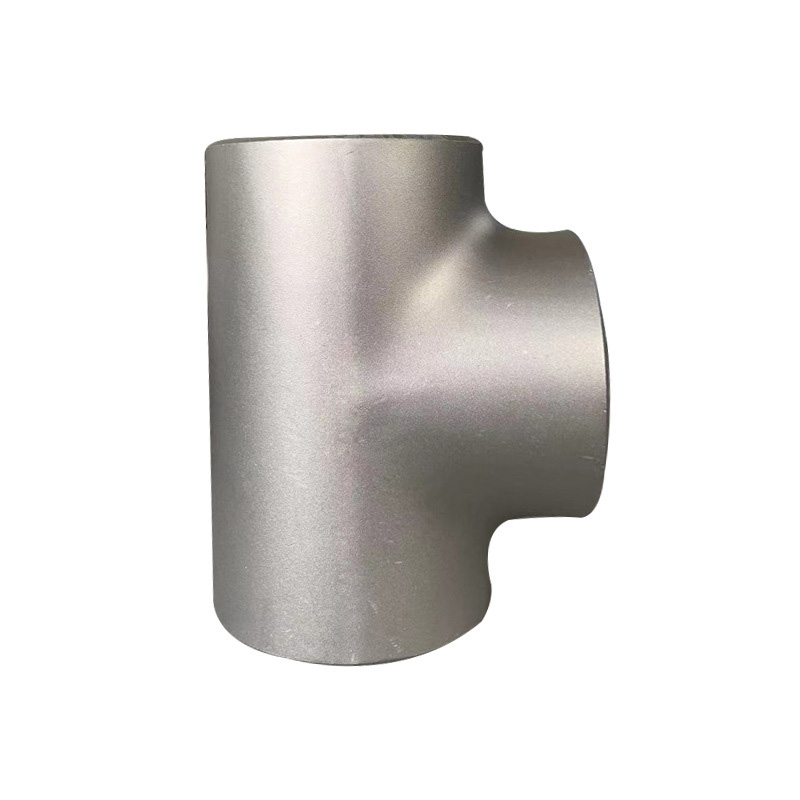
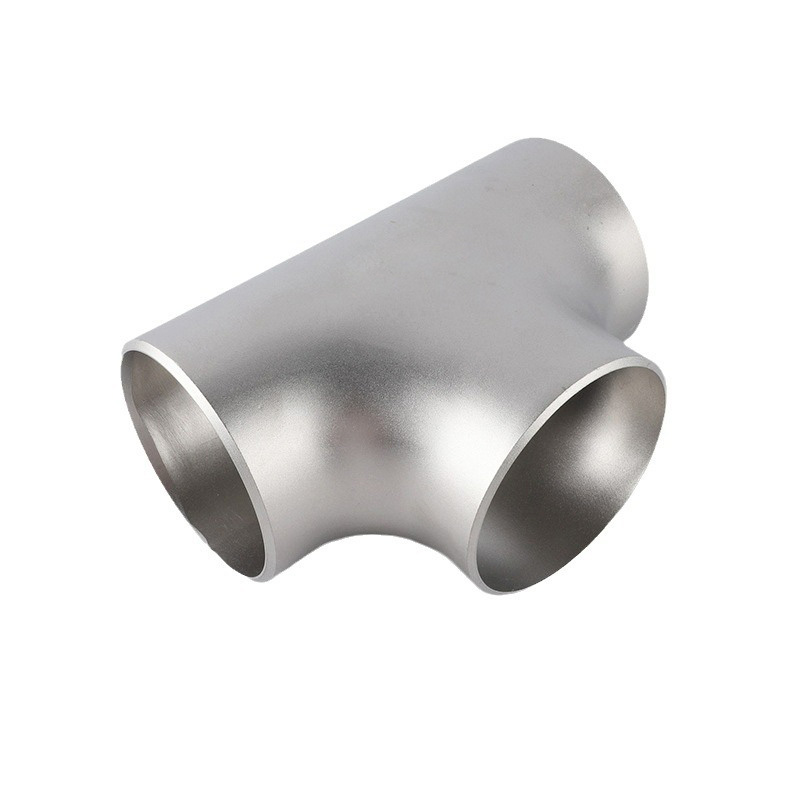
Pipeline turbulence is a common challenge in fluid transport systems, affecting energy efficiency, pressure stability, and long-term system integrity. Among various piping components, the stainless steel seamless tee plays a critical role in influencing flow behavior at branch connections.
Unlike welded or fabricated fittings, seamless tees offer a smooth internal geometry that supports more stable flow patterns. For industrial applications requiring consistent performance, understanding how stainless steel seamless tees reduce turbulence provides valuable insight into system optimization and component selection.
Understanding Turbulence in Pipeline Systems
Turbulence occurs when fluid flow becomes irregular, creating vortices and velocity fluctuations. In piping systems, turbulence is often introduced at directional changes, diameter transitions, and branch connections.
Excessive turbulence can result in:
·Increased pressure loss
·Higher energy consumption
·Accelerated wear and erosion
·Noise and vibration issues
Reducing turbulence at critical junctions is therefore essential for maintaining efficient and reliable pipeline operation.
What Is a Stainless Steel Seamless Tee?
A stainless steel seamless tee is a pipe fitting used to split or combine fluid flow in a piping system. Manufactured from a single piece of material without welded seams, it offers uniform mechanical properties and a smooth internal surface.
Key characteristics include:
·Seamless internal flow path
·Consistent wall thickness
·High structural integrity
·Excellent corrosion resistance
These features make seamless tees particularly effective in minimizing flow disturbances.
How Seamless Design Reduces Flow Disturbance
The absence of internal weld seams is one of the primary advantages of a stainless steel seamless tee. Weld seams can introduce surface irregularities that disrupt fluid flow and create localized turbulence.
Seamless tees provide:
·Reduced flow separation at branch points
·More uniform velocity distribution
·Lower risk of vortex formation
As a result, the overall flow remains more stable, even under high flow rates.
Smooth Internal Geometry and Pressure Loss Reduction
Internal geometry plays a significant role in controlling pressure loss. Seamless tees are designed with smooth transitions between the main run and the branch, minimizing abrupt changes in flow direction.
This optimized geometry helps:
·Lower frictional resistance
·Reduce pressure drop across the fitting
·Improve overall system efficiency
In long-distance or high-capacity pipelines, even small reductions in pressure loss can translate into meaningful energy savings.
Material Benefits of Stainless Steel in Turbulence Control
Stainless steel contributes to turbulence reduction not only through design but also through material properties. Its smooth surface finish and resistance to corrosion help maintain internal cleanliness over time.
Benefits include:
·Reduced surface roughness compared to corroded materials
·Long-term stability in aggressive environments
·Consistent flow characteristics throughout service life
These attributes ensure that the stainless steel seamless tee continues to perform effectively even after prolonged operation.
Applications Where Turbulence Reduction Is Critical
Stainless steel seamless tees are widely used in industries where flow stability is essential:
·Chemical processing, where uniform flow prevents reaction inconsistencies
·Oil and gas pipelines, where turbulence can cause pressure fluctuations
·Food and pharmaceutical systems, where smooth flow supports hygienic operation
·Water treatment facilities, where energy efficiency is a priority
In each case, minimizing turbulence improves both operational efficiency and system longevity.
Manufacturing Precision and Quality Control
The effectiveness of a stainless steel seamless tee in reducing turbulence depends heavily on manufacturing precision. Controlled forming processes and strict dimensional tolerances ensure consistent internal geometry.
Professional manufacturers implement:
·Precision forming and heat treatment
·Dimensional inspection and surface finish control
·Batch-level quality verification during production
Such manufacturing discipline supports reliable bulk supply while maintaining consistent product performance.
Production Scalability and System Integration
In large infrastructure or industrial projects, component consistency is critical. Seamless tees produced under standardized production systems integrate more easily into complex piping networks.
Stable production capability allows manufacturers to supply seamless tees in large volumes without compromising dimensional accuracy or material quality, supporting efficient project execution.
Selecting the Right Seamless Tee for Turbulence Reduction
When choosing a stainless steel seamless tee, key considerations include:
·Pipe diameter and wall thickness
·Operating pressure and temperature
·Flow velocity and fluid characteristics
·System layout and branch orientation
Matching the fitting design to application requirements ensures optimal turbulence control and system efficiency.
Conclusion: Enhancing Flow Performance with Stainless Steel Seamless Tee Solutions
The stainless steel seamless tee plays a vital role in reducing pipeline turbulence by providing smooth internal flow paths, uniform material properties, and optimized geometry. Its seamless construction minimizes flow disruption, lowers pressure loss, and enhances long-term system stability.
Supported by precise manufacturing and controlled production processes, stainless steel seamless tees offer a reliable solution for industrial pipelines requiring consistent performance and scalable bulk supply. For engineers and operators focused on efficiency and durability, selecting high-quality seamless tees is a practical step toward improved flow control and operational reliability.
References
GB/T 7714:Nikuradse J. Laws of flow in rough pipes[J]. 1950.
MLA:Nikuradse, Johann. "Laws of flow in rough pipes." (1950).
APA:Nikuradse, J. (1950). Laws of flow in rough pipes.
AWeld Neck Flange (WN Flange)is a type of piping flange designed to be welded to a pipe or ...
Socket fittings are essential components in piping systems, designed to connect, branch, or...
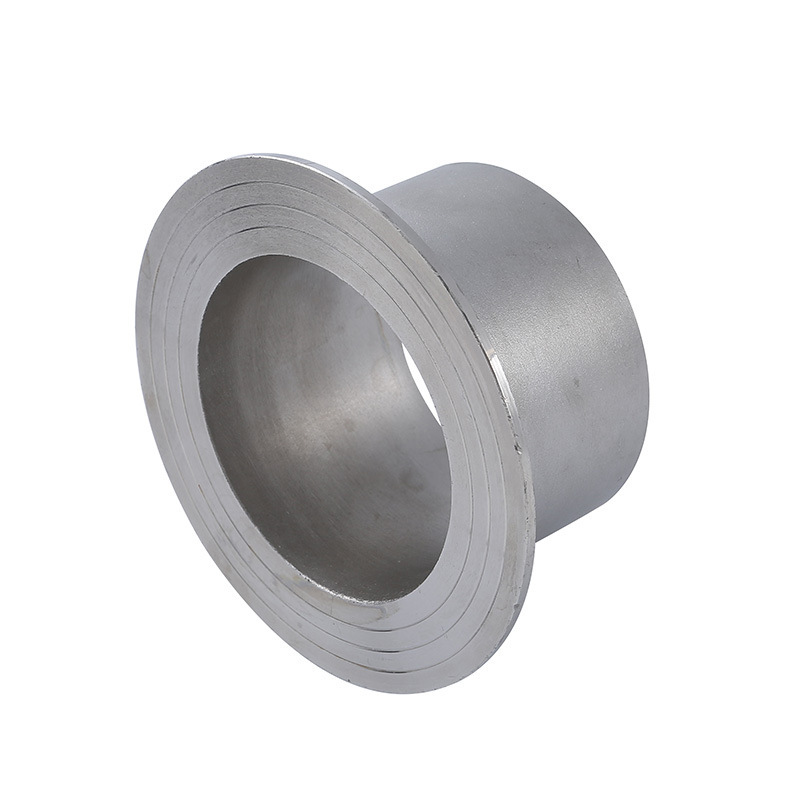
Welding ring is a commonly used metal ring component in pipeline connection or equipment do...
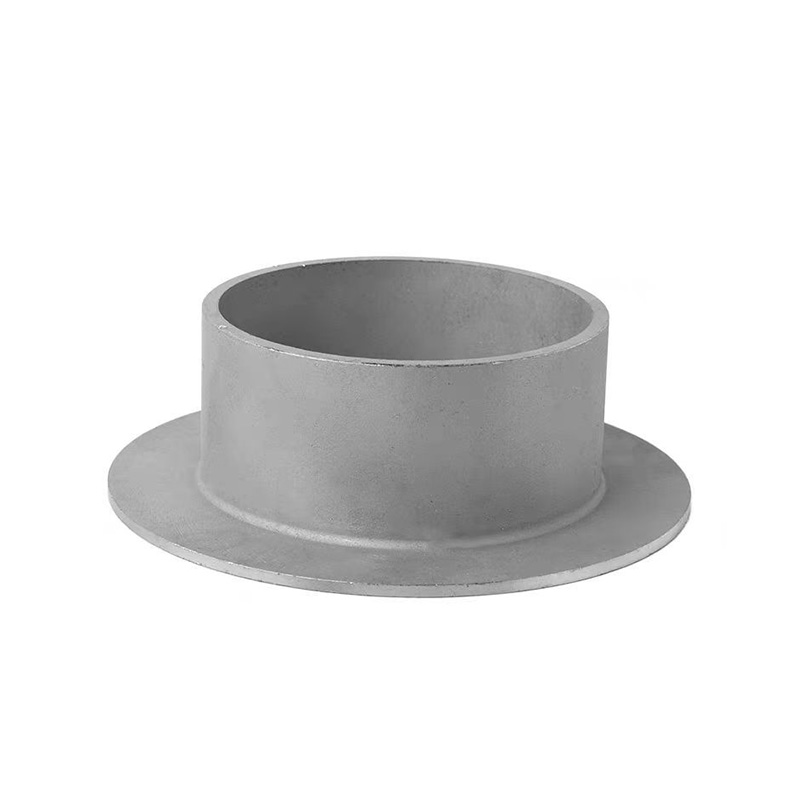
Welding ring is a pipe fitting used for pipeline connection. The following is its detailed ...