What the Composition of 304 Steel Means for Flange Strength
2026-01-14 12:12:51
Why Material Composition Matters in Plate Welding Flange Performance
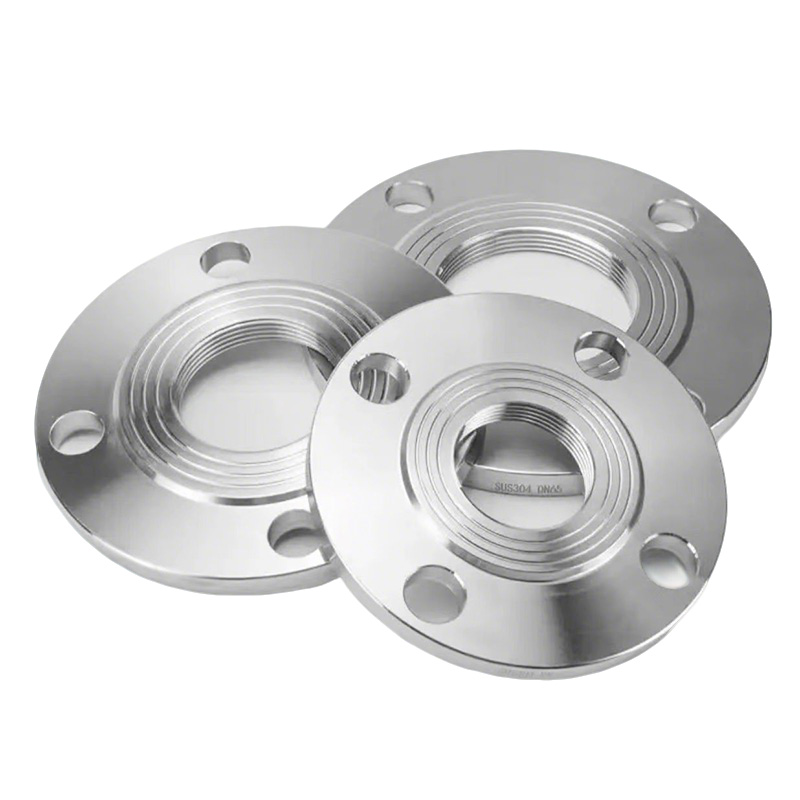
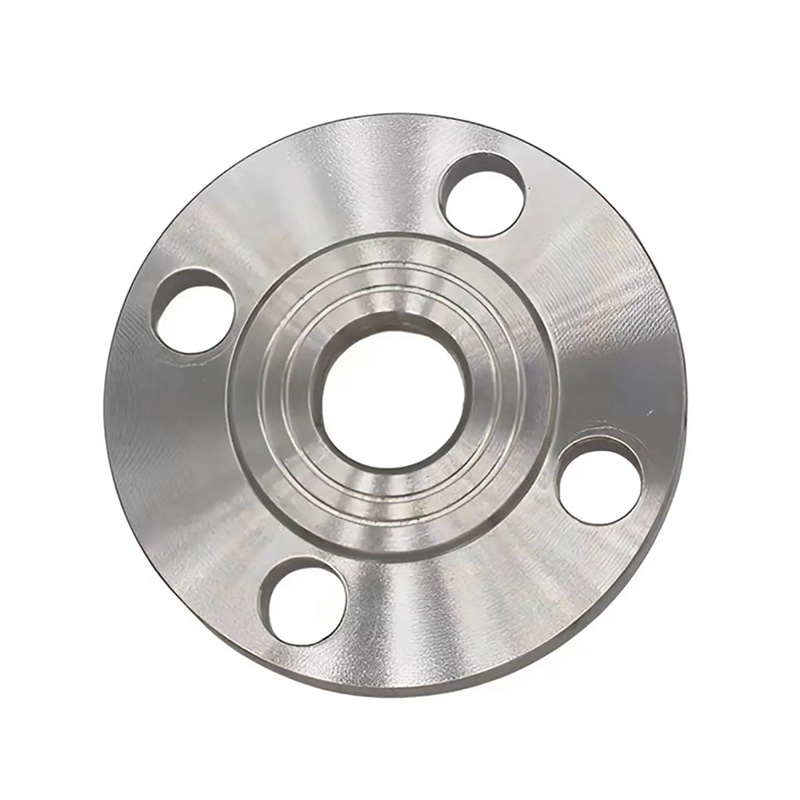
When evaluating a Plate Welding Flange, strength is never an abstract concept. It is the result of material composition, manufacturing control, and real-world operating conditions working together.
Among various stainless steel grades, 304 steel remains one of the most widely used materials for plate welding flanges in industrial piping systems. From a manufacturer and production perspective, understanding what 304 steel is made of—and how that composition affects flange strength—is essential for ensuring reliable performance, especially in batch production and large-scale supply.
This article explains how the composition of 304 steel directly influences the mechanical and structural strength of plate welding flanges, using principles rooted in industrial manufacturing rather than marketing claims.
Understanding 304 Steel: More Than Just a Stainless Grade
What exactly is 304 steel?
304 steel is an austenitic stainless steel primarily composed of iron, chromium, and nickel, with controlled levels of carbon and other elements. Its balanced chemical composition gives it a combination of strength, toughness, and corrosion resistance that is well suited for welded flange applications.
From a production standpoint, this predictable composition allows manufacturers to achieve consistent results across large batches of plate welding flanges, which is critical for industrial supply chains.
Chromium Content: The Foundation of Strength and Corrosion Resistance
Why is chromium so important?
Chromium typically accounts for around 18% of 304 steel’s composition. This element forms a passive oxide layer on the surface, which protects the steel from oxidation and corrosion.
For a plate welding flange, this protection is not just cosmetic. Corrosion weakens structural integrity over time, especially at weld zones and bolt interfaces. The chromium content in 304 steel helps maintain surface stability, allowing the flange to retain its designed strength throughout its service life.
Manufacturers rely on this stability when producing flanges for long-term industrial use.
Nickel’s Role: Toughness That Supports Structural Strength
Does nickel affect flange strength?
Yes—significantly. Nickel, usually present at around 8–10%, stabilizes the austenitic structure of 304 steel. This structure improves toughness and ductility, especially under temperature fluctuations and mechanical stress.
For plate welding flanges, this means:
·Better resistance to cracking
·Improved performance during welding
·Greater tolerance to pressure cycling
From a production perspective, nickel content ensures that flanges behave consistently during forming, welding, and post-production inspection, making it ideal for batch manufacturing.
Carbon Control: Strength Without Brittleness
Is carbon always a problem?
Not when it is properly controlled. In 304 steel, carbon content is kept relatively low. This prevents excessive carbide formation during welding, which can otherwise reduce corrosion resistance and mechanical reliability.
For a plate welding flange, controlled carbon levels help maintain a balance between strength and weld integrity. This is especially important for flanges produced in large quantities, where uniform welding performance is essential.
How Composition Influences Weld Performance
Why does material composition matter during welding?
Plate welding flanges rely heavily on weld quality. The composition of 304 steel allows for stable weld penetration, reduced cracking risk, and predictable cooling behavior.
From a manufacturer’s viewpoint, this translates into:
·Lower defect rates
·Higher consistency across production batches
·Reduced need for rework
In large-scale production environments, these advantages directly impact delivery timelines and cost control.
Mechanical Strength in Real Operating Conditions
Does composition alone determine strength?
Composition sets the foundation, but real strength is revealed under pressure, temperature, and mechanical load. The balanced chemistry of 304 steel enables plate welding flanges to perform reliably in environments involving moderate pressure, thermal cycling, and chemical exposure.
This reliability is why 304 steel remains a preferred choice in industries where both strength and corrosion resistance are required without excessive cost escalation.
Consistency Matters in Batch Production
Why is composition consistency critical for manufacturers?
When plate welding flanges are supplied in bulk, consistency is not optional. Variations in chemical composition can lead to uneven strength, unpredictable weld behavior, and quality control challenges.
Manufacturer-controlled production ensures that 304 steel plates meet standardized composition requirements before forming and welding. This allows every flange in a batch to meet the same mechanical expectations.
Application-Specific Strength Expectations
Is 304 steel always the strongest option?
Not necessarily—but it is often the most balanced. While higher-alloy steels may offer greater strength in extreme conditions, 304 steel provides an optimal combination of strength, corrosion resistance, and manufacturability for most plate welding flange applications.
From a production and supply standpoint, this balance makes 304 steel practical, reliable, and scalable.
Conclusion: Composition Is the Hidden Driver of Flange Strength
The strength of a Plate Welding Flange is not defined by thickness alone. It is the result of chemical composition, controlled production, and proper manufacturing practices working together.
The composition of 304 steel—particularly its chromium, nickel, and carbon balance—provides the structural stability, weldability, and durability that industrial systems demand. When produced under manufacturer-level quality control and supplied in consistent batches, plate welding flanges made from 304 steel deliver dependable performance across a wide range of applications.
In the end, understanding material composition is not just a technical detail—it is the key to choosing flanges that perform reliably long after installation.
References
GB/T 7714:Stainless steels[M]. ASM international, 1994.
MLA:Davis, Joseph R., ed. Stainless steels. ASM international, 1994.
APA:Davis, J. R. (Ed.). (1994). Stainless steels. ASM international.
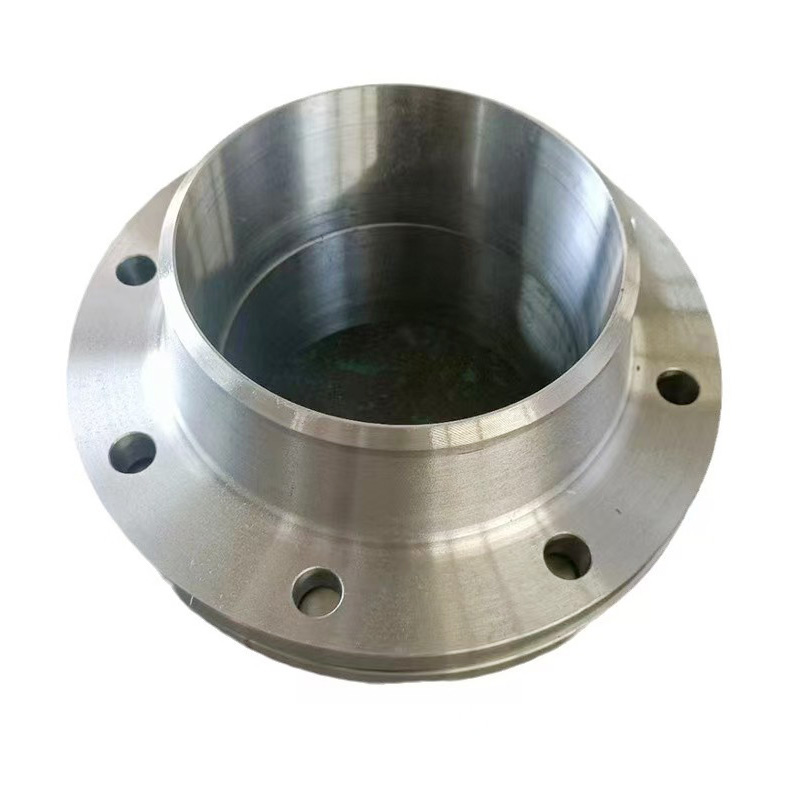
AWeld Neck Flange (WN Flange)is a type of piping flange designed to be welded to a pipe or ...
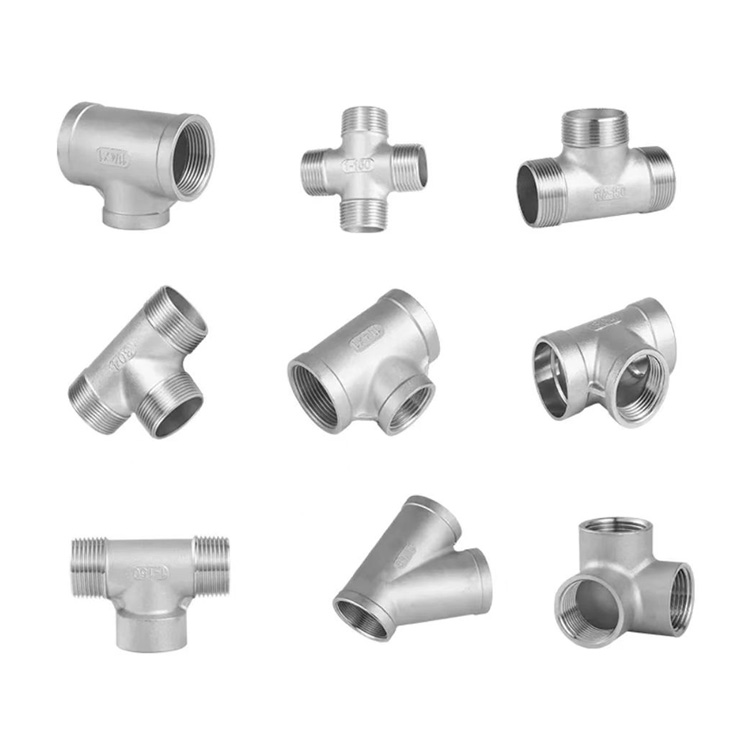
Socket fittings are essential components in piping systems, designed to connect, branch, or...
Welding ring is a commonly used metal ring component in pipeline connection or equipment do...
Welding ring is a pipe fitting used for pipeline connection. The following is its detailed ...