How to Select the Right Stainless Steel Seamless Tee for Your Project
2025-11-21 19:53:09
Choosing a reliable Stainless Steel Seamless Tee is essential for building a safe and durable piping system. As a core connection fitting that links a main line to a branch line, a seamless tee must deliver stability, corrosion resistance, and long-term mechanical strength. For many industrial users, securing components directly from a manufacturer with large-scale production capacity is a decisive factor in ensuring consistent quality and uninterrupted supply.
But selecting the correct seamless tee involves more than simply matching a size or material. It requires understanding the operating environment, pressure demands, international standards, weld compatibility, and structural configuration. This guide walks you through the key considerations so you can confidently identify the right Stainless Steel Seamless Tee for your project.
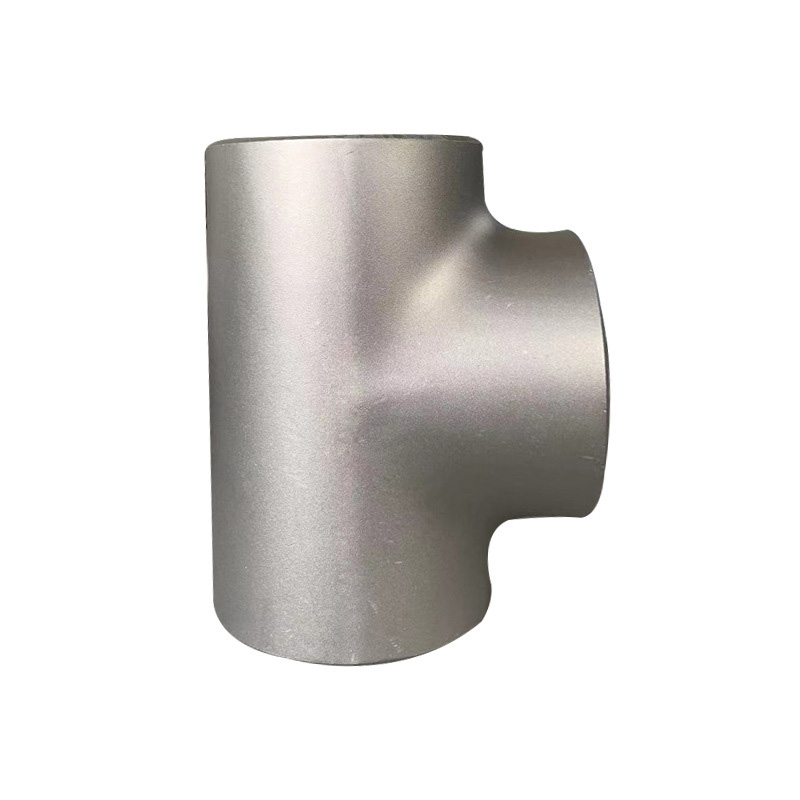
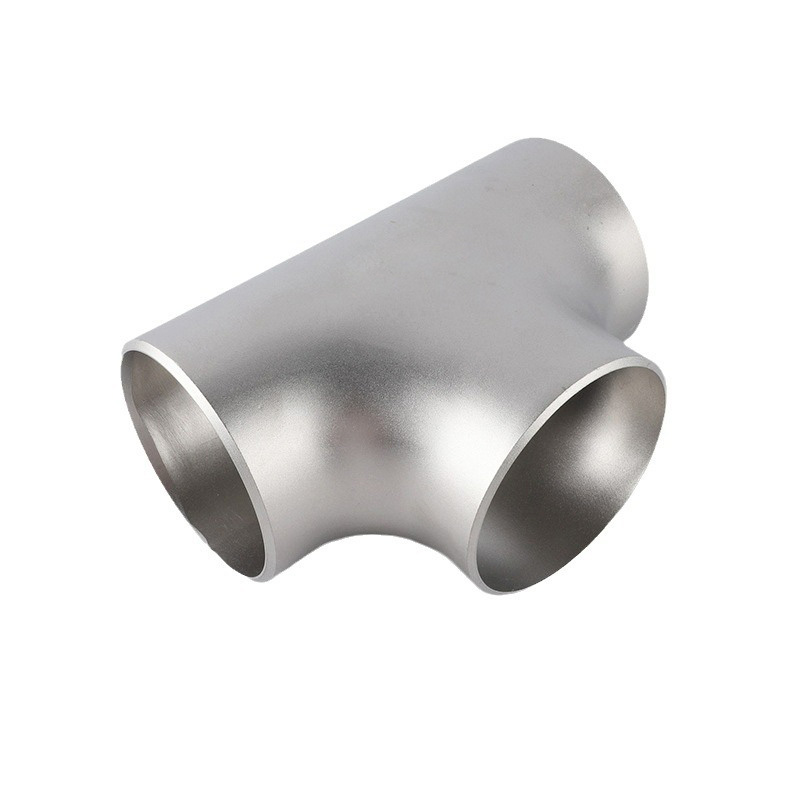
1. Why Stainless Steel Seamless Tees Are Essential in Piping Systems
A high-quality seamless tee offers several benefits that make it superior to welded or fabricated alternatives:
1.1 Higher pressure resistance
Because the tee is manufactured from a single piece of metal without welds, it can withstand high internal pressure and heavy mechanical loads, making it ideal for demanding industrial applications.
1.2 Excellent corrosion protection
Grades such as 304, 316, and 316L provide exceptional resistance to chemicals, chloride environments, and moisture, which is crucial in industries like chemical processing, marine systems, and pharmaceuticals.
1.3 Longer operational lifespan
Without welded joints, the tee has fewer stress concentration points, increasing durability and reducing the need for frequent maintenance.
These features allow the Stainless Steel Seamless Tee to perform reliably in harsh environments where other fittings may degrade or fail prematurely.
2. Key Factors to Consider When Choosing a Stainless Steel Seamless Tee
Selecting the right tee requires evaluating five core elements: material grade, international standards, tee configuration, pressure rating, and supplier capability.
2.1 Selecting the appropriate stainless steel grade
Different environments require different steel grades:
·304 / 304L – Suitable for general industrial applications.
·316 / 316L – Enhanced chloride resistance; ideal for marine or chemical settings.
·321 – Better resistance to oxidation at elevated temperatures.
·310S – Designed for extreme-temperature service.
Choosing the wrong grade may lead to corrosion, leakage, or premature failure, so always align the grade with the fluid medium and operating conditions.
2.2 Ensuring compliance with international standards
A reliable Stainless Steel Seamless Tee should meet one or more recognized standards:
·ASME B16.9 – Butt-weld seamless fittings
·ASTM A403 – Stainless steel wrought fittings
·MSS SP-43 – Lightweight stainless steel fittings
·EN/DIN 10253 – European standards for seamless and welded fittings
These standards govern dimensions, chemical composition, wall thickness tolerance, and pressure capacity. Always confirm which standard your project requires.
2.3 Choosing the correct tee configuration
The structure of the tee must match your piping layout and flow requirements:
Equal Tee
All three outlets have the same diameter; used where flow distribution is equal.
Reducing Tee
The branch outlet is smaller than the main pipe; suitable for flow control and pressure adjustments.
For example, a 6" × 6" × 3" reducing tee connects a 6-inch main pipeline to a 3-inch branch.
2.4 Matching pressure rating and wall thickness
Wall thickness classification (Schedule) determines how much pressure the tee can handle:
·SCh20 / SCH20 – Low pressure
·SCH40 / SCH80 – Most common for medium to high pressure
·SCh260 / XXS – Extremely high-pressure applications
Ensure the tee’s wall thickness corresponds with the main pipeline to maintain uniform pressure capability.
2.5 Evaluating manufacturer and production capacity
A critical but often overlooked factor is the supplier’s capability. For industrial projects, it is best to source from a supplier with manufacturer-level production strength, meaning:
·Ability to provide bulk supply
·Capability to produce custom sizes or special grades
·Compliance with global material inspection standards
·Stable production lines with fast turnaround
A strong manufacturing background minimizes delays, quality issues, and supply chain risks.
3. Installation Tips for Stainless Steel Seamless Tees
Even the highest-quality tee will underperform if installed incorrectly. Keep these practices in mind:
✔ Clean welding ends thoroughly to prevent contamination
✔ Ensure correct alignment and branch orientation
✔ Match wall thickness between the tee and the connected pipes
✔ Perform hydrostatic or non-destructive testing after installation
Proper installation enhances safety and performance, especially in high-pressure systems.
4. Where Stainless Steel Seamless Tees Are Commonly Used
Seamless tees are widely applied across industries, including:
·Petrochemical and chemical processing
·Pharmaceutical manufacturing
·Food and beverage pipelines
·Marine and offshore engineering
·Oil, gas, and refinery systems
·Power generation and boiler piping
·Water treatment processes
Their durability and corrosion resistance make them a trusted component in mission-critical pipelines.
Conclusion
Selecting the right Stainless Steel Seamless Tee involves evaluating material grade, dimensional standards, structural configuration, pressure rating, and supplier capability. Sourcing directly from a company with manufacturer-level production capacity ensures better consistency, stronger quality control, and access to bulk quantities when needed.
By making informed decisions, you can enhance the reliability, efficiency, and long-term performance of your pipeline system.
References
GB/T 7714:Duplex stainless steels: microstructure, properties and applications[M]. Elsevier, 1997.
MLA:Gunn, Robert, ed. Duplex stainless steels: microstructure, properties and applications. Elsevier, 1997.
APA:Gunn, R. (Ed.). (1997). Duplex stainless steels: microstructure, properties and applications. Elsevier.
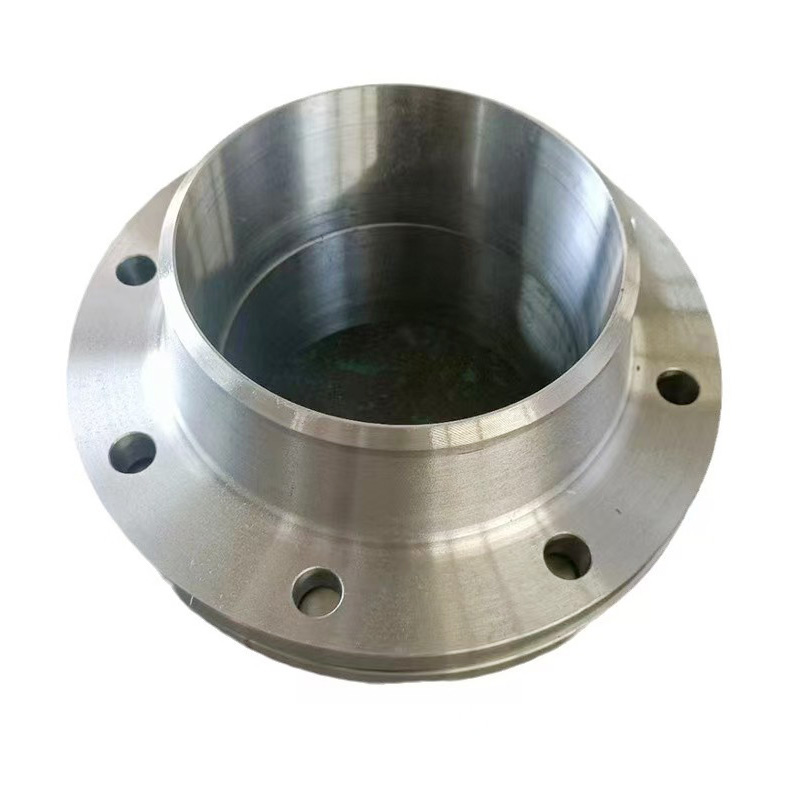
AWeld Neck Flange (WN Flange)is a type of piping flange designed to be welded to a pipe or ...
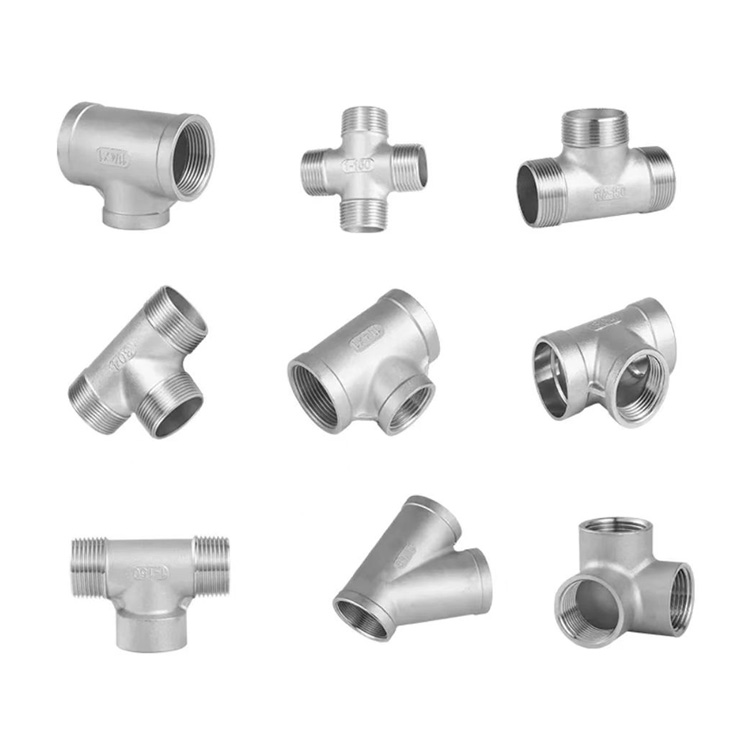
Socket fittings are essential components in piping systems, designed to connect, branch, or...
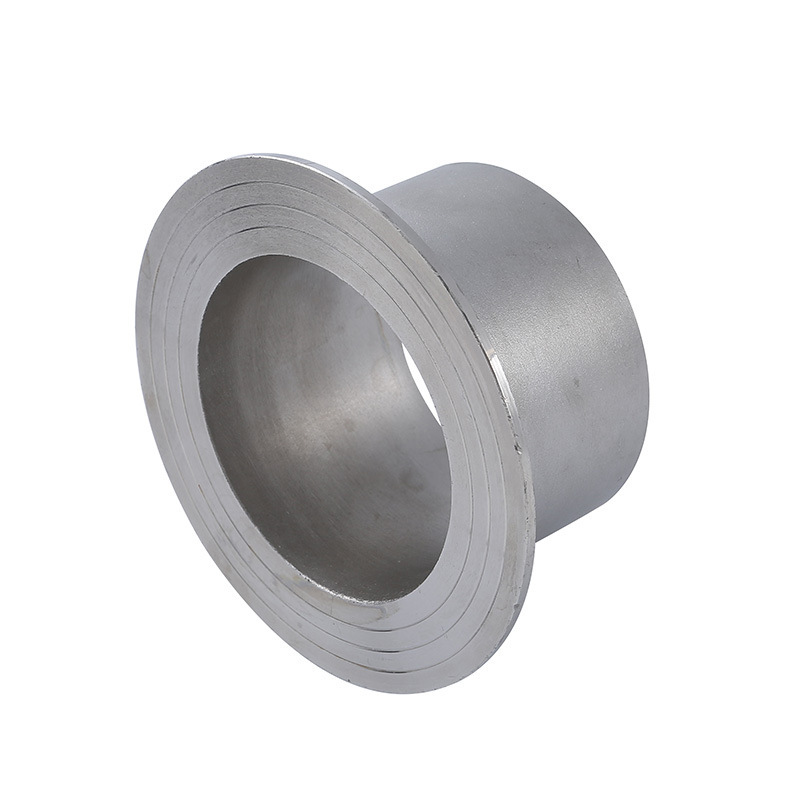
Welding ring is a commonly used metal ring component in pipeline connection or equipment do...
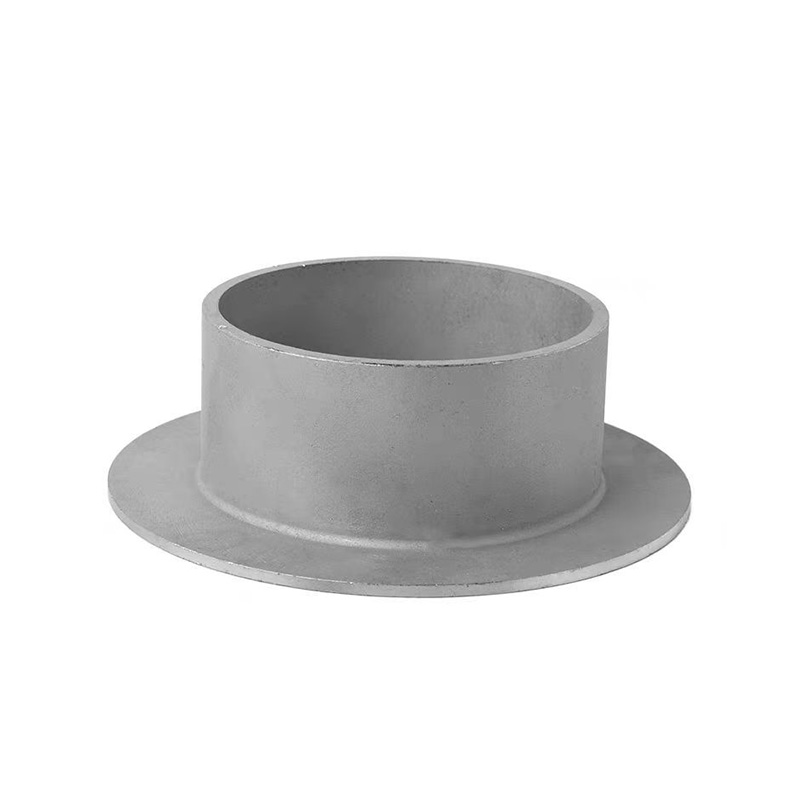
Welding ring is a pipe fitting used for pipeline connection. The following is its detailed ...