Precision and Tolerances in 304 20592PL Flange Manufacturing
2025-11-24 20:38:30
The Essential Role of Precision in Plate Welding Flange Fabrication
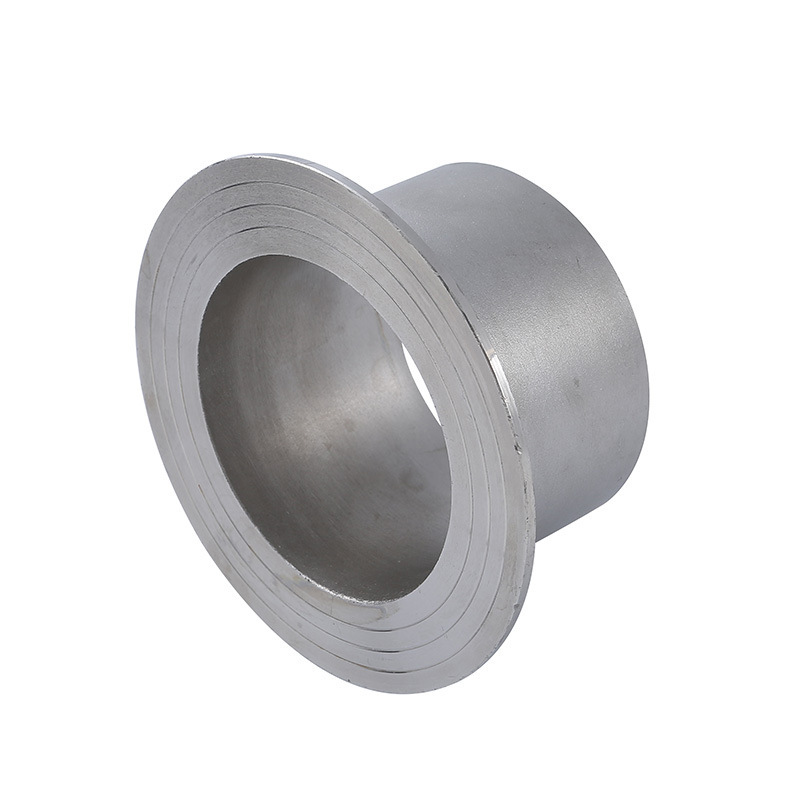
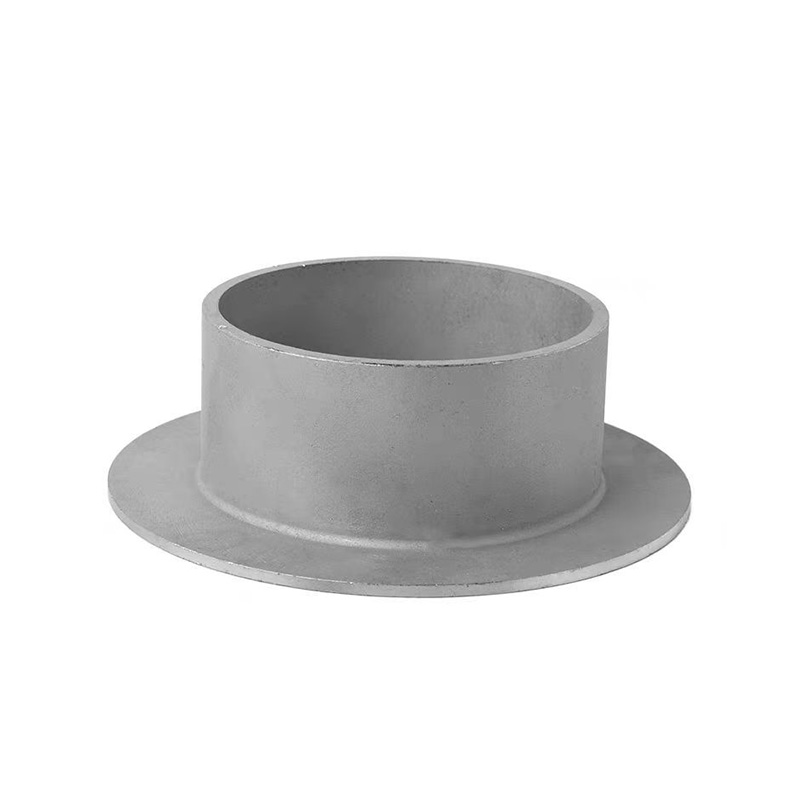
Within industrial piping networks, the Plate Welding Flange remains one of the most dependable structural connections for secure, weld-on pipe interfaces. When working with stainless steel models such as the 304 20592PL flange, long-term stability and sealing performance rely heavily on the accuracy of manufacturing and the consistency of tolerance control.
With improvements in specialized flange Manufacturer capabilities and high-volume Production systems, many facilities today can provide stable batch supply with greater dimensional uniformity. For engineers, inspectors, and field technicians, understanding how tolerance standards influence flange suitability has become increasingly important.
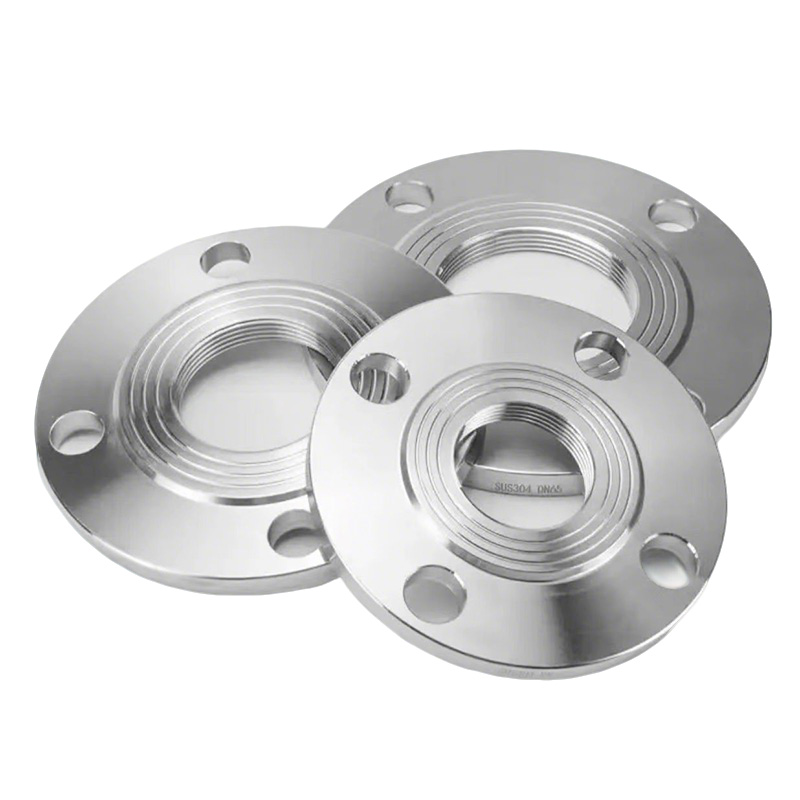
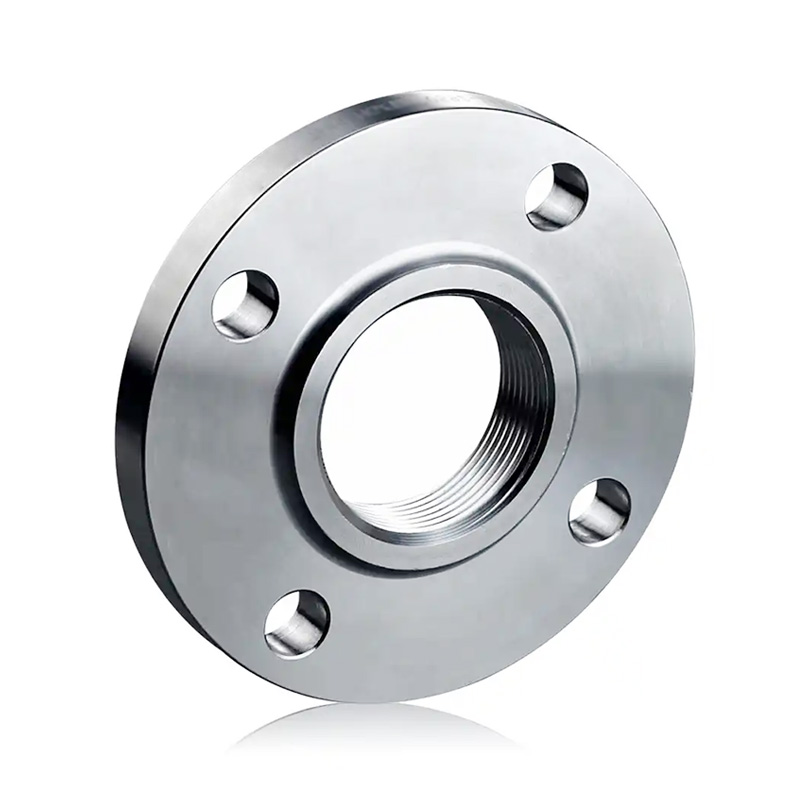
What Makes the 304 20592PL Flange Unique?
The 304 20592PL flange is built from 304 stainless steel and follows the parameters of plate-style weld-on flange designs. Its structure is compact and minimalistic, yet capable of withstanding harsh conditions that involve:
·Chemical exposure
·Varied temperature ranges
·Pressurized flow systems
·Corrosion-heavy environments
The advantage of 304 stainless steel lies in its balanced mixture of strength, weldability, and oxidation resistance—properties that allow the flange to remain stable and reliable after being welded directly onto pipe ends. However, the true performance of this flange is shaped by how precisely its measurements and surfaces are controlled during manufacturing.
Dimensional Accuracy: The Foundation of Reliable Performance
1. Outer and Inner Diameter Precision
Every 304 20592PL flange must fit seamlessly with its mating components. Accuracy in both outer diameter (OD) and inner diameter (ID) directly impacts:
·Weld alignment
·Flow efficiency
·Structural load distribution
·Overall joint integrity
Because the Plate Welding Flange becomes part of the pipeline after welding, any deviation—even small—can shift stress points and shorten the lifespan of the joint.
2. Bolt Circle and Hole Alignment
Although welded flanges do not rely on bolts for pipe attachment, many models include bolt-hole patterns for connection with valves, pumps, or equipment. Bolt-hole placement requires strict tolerance control, ensuring:
·Proper engagement with attached components
·Correct gasket contact
·Uniform tightening force
Modern CNC machining helps eliminate spacing errors that would otherwise lead to leaks or misalignment during assembly.
3. Thickness Consistency
The thickness of the flange plate affects welding penetration and thermal behavior. Plates that vary too much from the intended thickness can show:
·Unexpected warping during welding
·Uneven heat distribution
·Dimensional mismatch under pressure
Consistency is vital for safe long-term service.
Surface Requirements and Welding-Edge Quality
Flatness and Surface Condition
A Plate Welding Flange must present a stable welding surface. Any surface irregularity alters the weld path and can produce defects such as:
·Porosity
·Lack of fusion
·Localized strain points
To prevent this, manufacturers commonly incorporate grinding, leveling, and surface inspection as part of the Production workflow.
Edge Preparation for Welding
The welding edge of a 304 20592PL flange directly affects the stability of the joint. High-quality edge preparation involves:
·Burr removal
·Clean, consistent beveling
·Smooth transitions for weld buildup
Some manufacturers use automated beveling machines to keep these features uniform across large batches.
Material Precision: Controlling the Properties of Stainless Steel
Even flanges with perfect geometry may fail early if the metal composition is inconsistent. For 304 stainless steel, maintaining stable chromium and nickel content is essential to ensure:
·Corrosion resistance
·Predictable weld response
·Mechanical strength retention
Reliable Manufacturer operations typically conduct:
·Chemical composition verification
·Hardness testing
·Tensile strength evaluations
·Microstructure inspection
These steps guarantee the 304 20592PL flange performs as intended under real-world conditions.
Precision for Installation: Influence on Welding and Alignment
Minimizing Deformation During Welding
Welding can cause unwanted distortion if the flange lacks geometric precision. With accurately machined surfaces and uniform thickness, technicians benefit from:
·Reduced alignment corrections
·Steadier heat flow
·Lower risk of angular deformation
A precise Plate Welding Flange effectively simplifies the welding workflow.
Pipeline Integration and Alignment Accuracy
Even a slightly distorted flange can shift the position of entire pipeline sections. Proper tolerances allow:
·Natural alignment with pipe ends
·Consistent weld gap management
·Stress-free installation
This becomes especially important when dealing with long pipelines or systems sensitive to vibration.
Quality-Control Techniques in 304 20592PL Flange Production
To meet modern industrial demands, large-scale Production facilities utilize several verification methods to ensure dimensional integrity:
Digital Measurement Systems
Laser measuring equipment and 3D coordinate machines inspect the flange geometry with sub-millimeter accuracy.
Batch Sampling
Randomly selected flanges undergo mechanical and dimensional analysis to confirm uniformity in batch supply.
Visual and Surface Testing
Technicians inspect for scratches, cracks, burrs, and flatness deviations that could affect weld quality.
Simulated Welding Trials
Some manufacturers test sample flanges by welding them to controlled segments of pipe to evaluate real-world deformation patterns.
Why Tight Tolerances Extend Service Life
The long-term reliability of the 304 20592PL flange is directly linked to manufacturing precision:
·Better weld strength from stable edges
·Reduced leak potential due to proper surface flatness
·Longer gasket performance where applicable
·Consistent stress distribution post-weld
·Superior fit with mating equipment
When precision is maintained, a Plate Welding Flange becomes significantly more durable, safer, and easier to install.
Conclusion: Precision Determines the Value of a Plate Welding Flange
The Plate Welding Flange, especially the stainless steel 304 20592PL flange, relies on accurate machining and controlled tolerances to deliver dependable service in industrial pipelines. With advanced Manufacturer processes, improved Production technology, and reliable batch supply from experienced manufacturer, modern flanges provide excellent performance across demanding applications.
For engineers, technicians, and industrial buyers, understanding these precision factors ensures better selection, safer installations, and a longer-lasting pipeline connection.
References
GB/T 7714:Lippold J C, Kotecki D J. Welding metallurgy and weldability of stainless steels[M]. 2005.
MLA:Lippold, John C., and Damian J. Kotecki. Welding metallurgy and weldability of stainless steels. 2005.
APA:Lippold, J. C., & Kotecki, D. J. (2005). Welding metallurgy and weldability of stainless steels (p. 376).
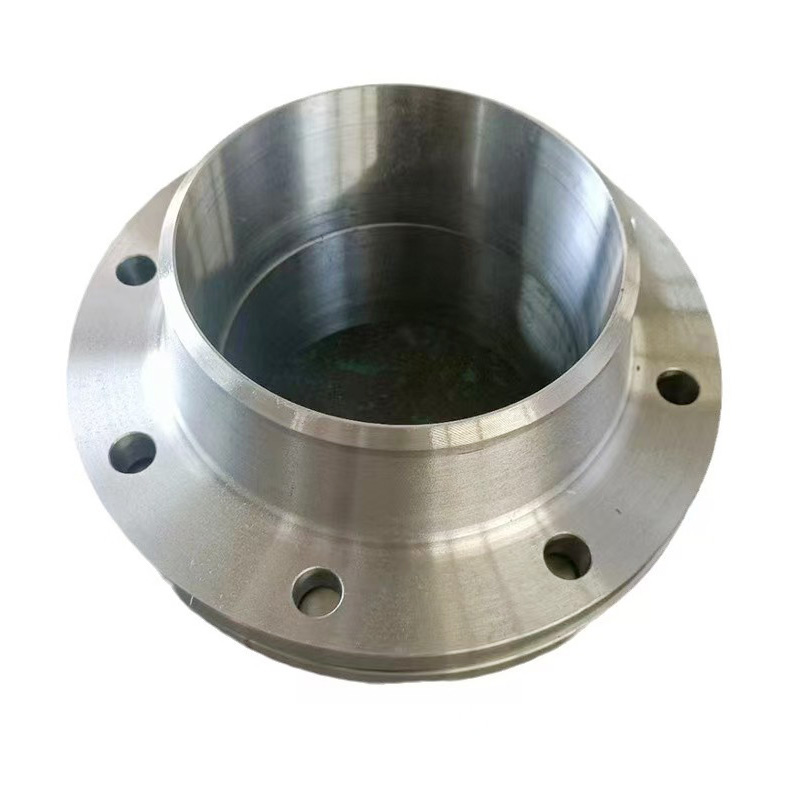
AWeld Neck Flange (WN Flange)is a type of piping flange designed to be welded to a pipe or ...
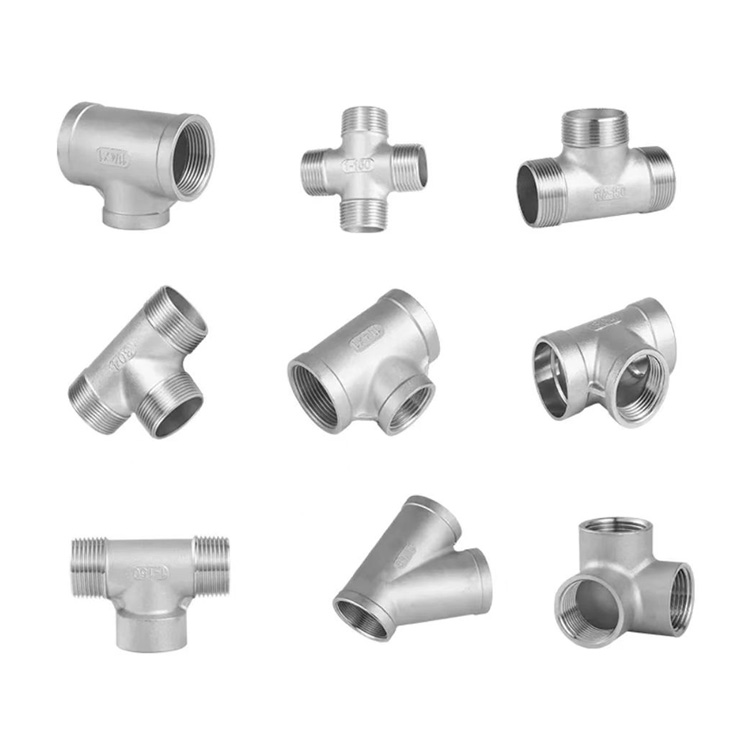
Socket fittings are essential components in piping systems, designed to connect, branch, or...
Welding ring is a commonly used metal ring component in pipeline connection or equipment do...
Welding ring is a pipe fitting used for pipeline connection. The following is its detailed ...