Material Grades for Weld Neck Flanges: 304, 316, and Beyond
2025-12-23 15:40:52
Why Material Selection Matters for Weld Neck Flange Applications
Material selection plays a decisive role in the performance and service life of a weld neck flange. As a critical connection component in industrial piping systems, the weld neck flange must withstand pressure, temperature fluctuations, and environmental exposure while maintaining structural integrity.
Among the many available material options, grades such as 304 and 316 stainless steel are widely used, but they are not the only choices. Understanding how different material grades perform allows engineers and buyers to select weld neck flanges that meet both technical requirements and long-term operational goals. For manufacturers supporting continuous production and bulk supply, consistent material quality is equally essential.
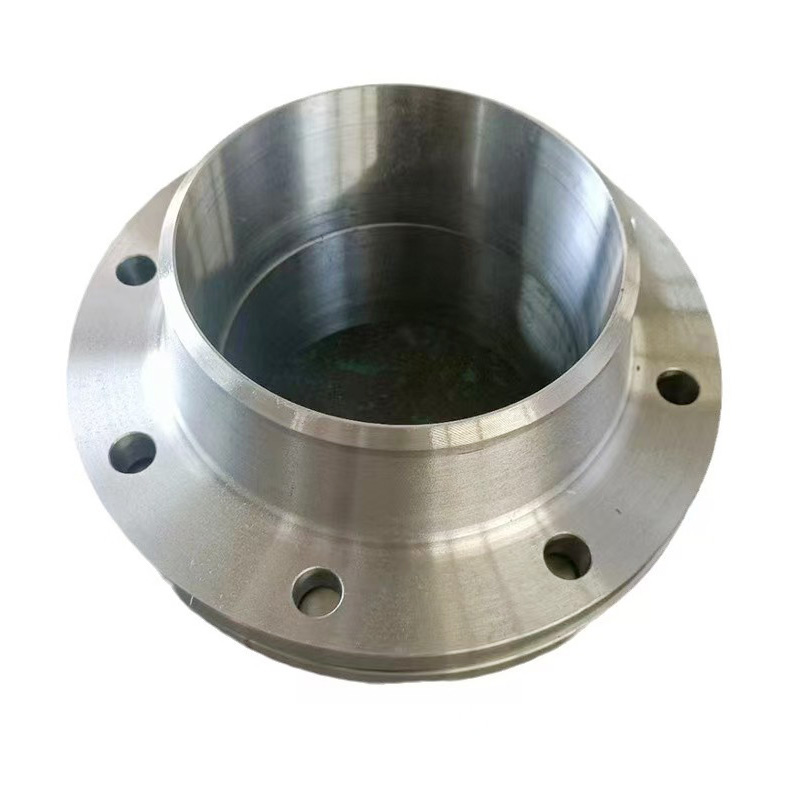
Understanding the Function of a Weld Neck Flange
A weld neck flange is designed with a tapered hub that is welded directly to the pipe. This structure provides excellent stress distribution and minimizes fatigue at the joint, making it suitable for high-pressure and high-temperature applications.
Because the flange becomes an integral part of the piping system, material properties such as strength, corrosion resistance, and weldability directly influence system reliability.
Stainless Steel 304: A Versatile Industry Standard
Stainless steel 304 is one of the most commonly used materials for weld neck flange production. It offers a balanced combination of mechanical strength, corrosion resistance, and weldability.
Key characteristics of 304 include:
·Good resistance to general corrosion
·Stable mechanical properties across a wide temperature range
·Ease of fabrication and welding
These features make 304 weld neck flanges suitable for water treatment, food processing, and general chemical applications where aggressive corrosion is not a primary concern.
Stainless Steel 316: Enhanced Corrosion Resistance
For environments involving chlorides or more aggressive media, stainless steel 316 is often preferred. The addition of molybdenum significantly improves resistance to pitting and crevice corrosion.
Advantages of 316 weld neck flanges:
·Superior performance in marine and chemical environments
·Improved durability under corrosive conditions
·Reliable performance in long-term service
Although 316 typically carries a higher material cost, its extended service life often offsets the initial investment in demanding applications.
Beyond 304 and 316: Alternative Material Grades
In specialized industries, standard stainless steels may not be sufficient. Alternative materials are selected to meet extreme operating conditions.
Common alternatives include:
·Low-carbon grades (304L, 316L) for improved weldability and reduced risk of carbide precipitation
·Duplex stainless steels offering higher strength and enhanced corrosion resistance
·Carbon steel grades for high-strength, cost-sensitive applications
·Alloy steels designed for elevated temperature or pressure environments
Choosing the correct grade ensures compatibility with process requirements and regulatory standards.
Factors Influencing Material Selection
Selecting the right material for a weld neck flange involves balancing several technical factors:
·Operating pressure and temperature
·Chemical composition of the conveyed media
·Environmental exposure conditions
·Welding and fabrication requirements
A thorough evaluation of these factors helps prevent premature failure and reduces long-term maintenance costs.
Material Traceability and Quality Control
From a manufacturing perspective, material traceability is a fundamental aspect of quality assurance. Each batch of raw material used in weld neck flange production is typically verified for chemical composition and mechanical properties.
Quality control measures often include:
·Material certification review
·Chemical analysis and mechanical testing
·Heat number tracking throughout production
These steps ensure consistency across production batches and support reliable bulk supply.
Manufacturing and Production Considerations
Professional manufacturers design their production processes to accommodate various material grades without compromising quality. Precision forging, machining, and welding practices are adjusted based on material characteristics.
Well-controlled production systems enable manufacturers to deliver weld neck flanges that meet specification requirements while maintaining efficiency in large-scale manufacturing environments.
Cost vs. Performance: Making the Right Choice
While material cost is an important consideration, it should be evaluated alongside performance expectations. Lower-cost materials may be suitable for mild environments, whereas higher-grade alloys provide better long-term value in demanding conditions.
A cost-performance analysis helps buyers align material selection with operational priorities and lifecycle cost objectives.
Applications Across Industries
Different industries rely on specific material grades based on operating demands:
·Oil and gas applications often require high-strength or corrosion-resistant alloys
·Chemical processing benefits from materials with enhanced corrosion resistance
·Water and wastewater systems commonly use 304 or carbon steel options
Matching the material grade to the application ensures safe and efficient operation.
Conclusion: Selecting the Right Material for Weld Neck Flange Reliability
Material grades play a central role in determining the performance and longevity of a weld neck flange. While 304 and 316 stainless steels remain popular choices, alternative materials provide solutions for more demanding environments.
By understanding material properties and working with experienced manufacturers that support consistent production and bulk supply, buyers can select weld neck flange solutions that deliver long-term reliability and performance. Proper material selection, combined with controlled manufacturing practices, ensures dependable operation across a wide range of industrial applications.
References
GB/T 7714:Dillon C P. Corrosion resistance of stainless steels[M]. CRC Press, 1995.
MLA:Dillon, C. P. Corrosion resistance of stainless steels. CRC Press, 1995.
APA:Dillon, C. P. (1995). Corrosion resistance of stainless steels. CRC Press.
AWeld Neck Flange (WN Flange)is a type of piping flange designed to be welded to a pipe or ...
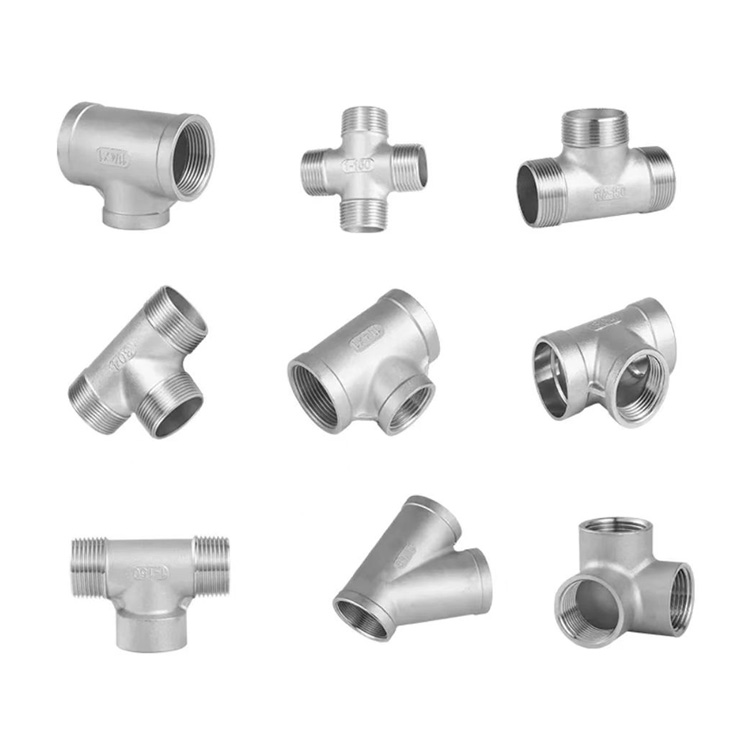
Socket fittings are essential components in piping systems, designed to connect, branch, or...
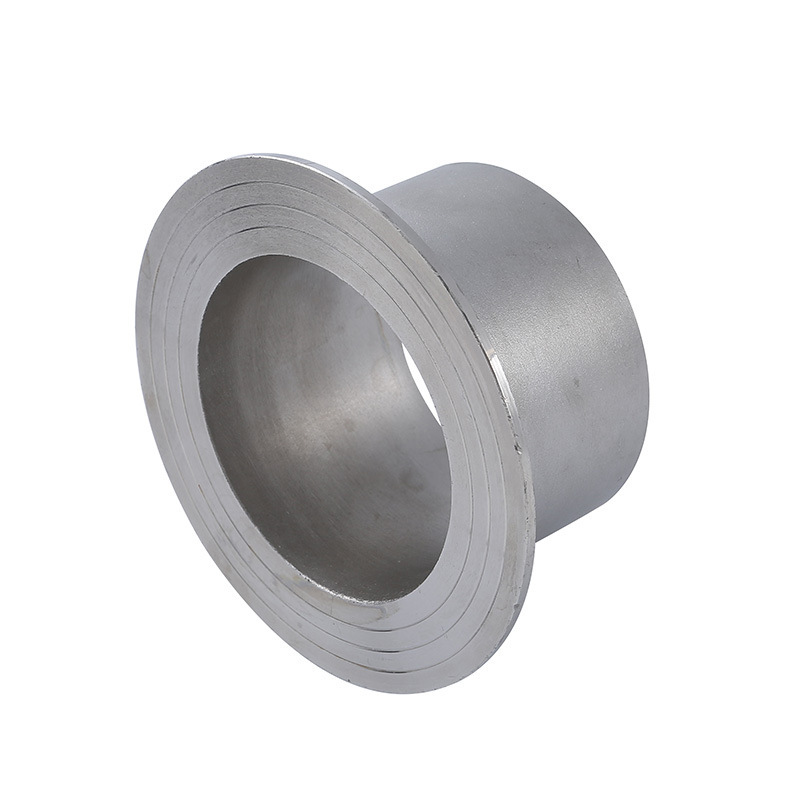
Welding ring is a commonly used metal ring component in pipeline connection or equipment do...
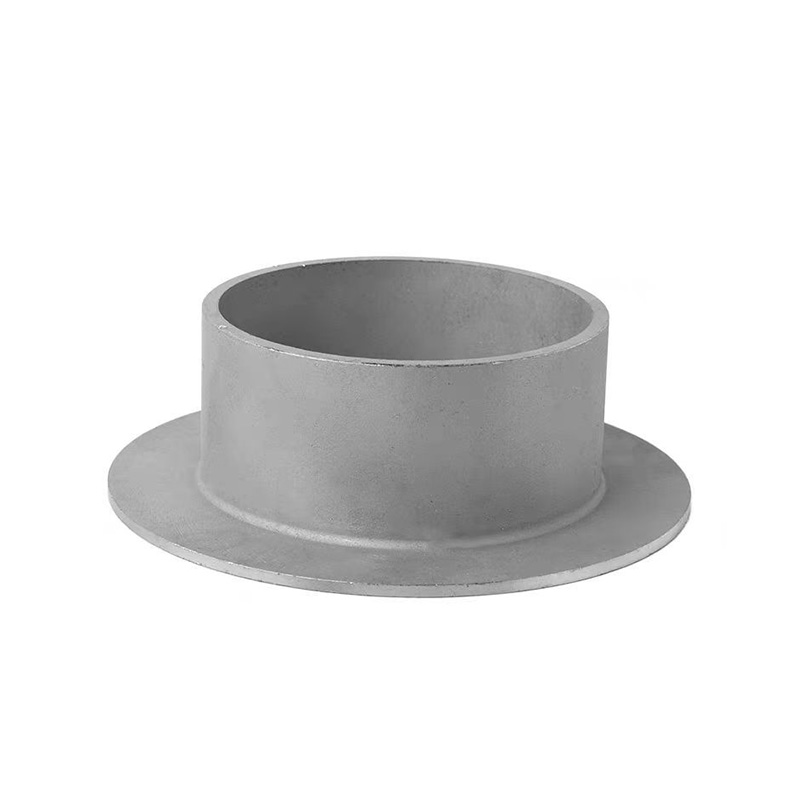
Welding ring is a pipe fitting used for pipeline connection. The following is its detailed ...